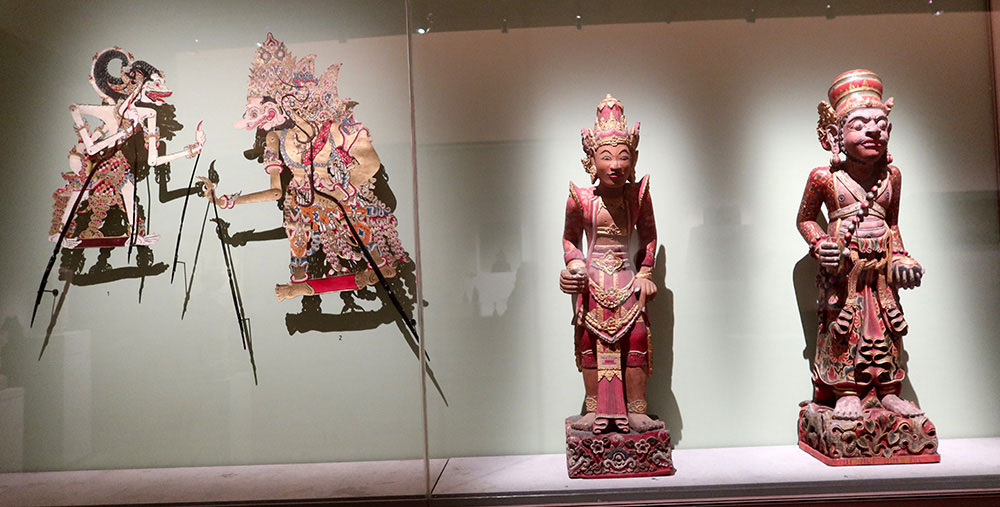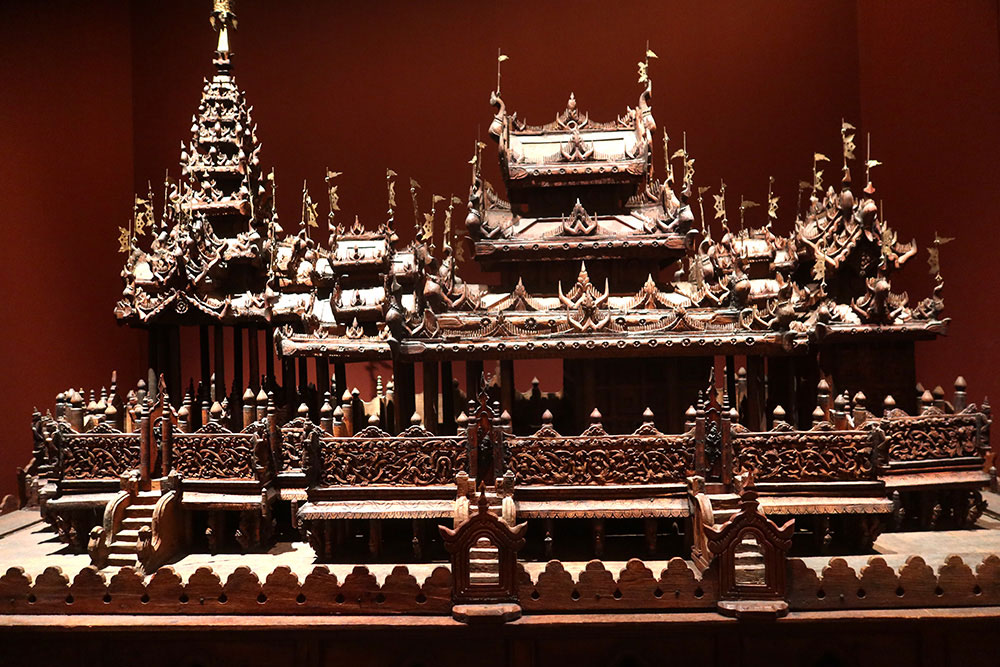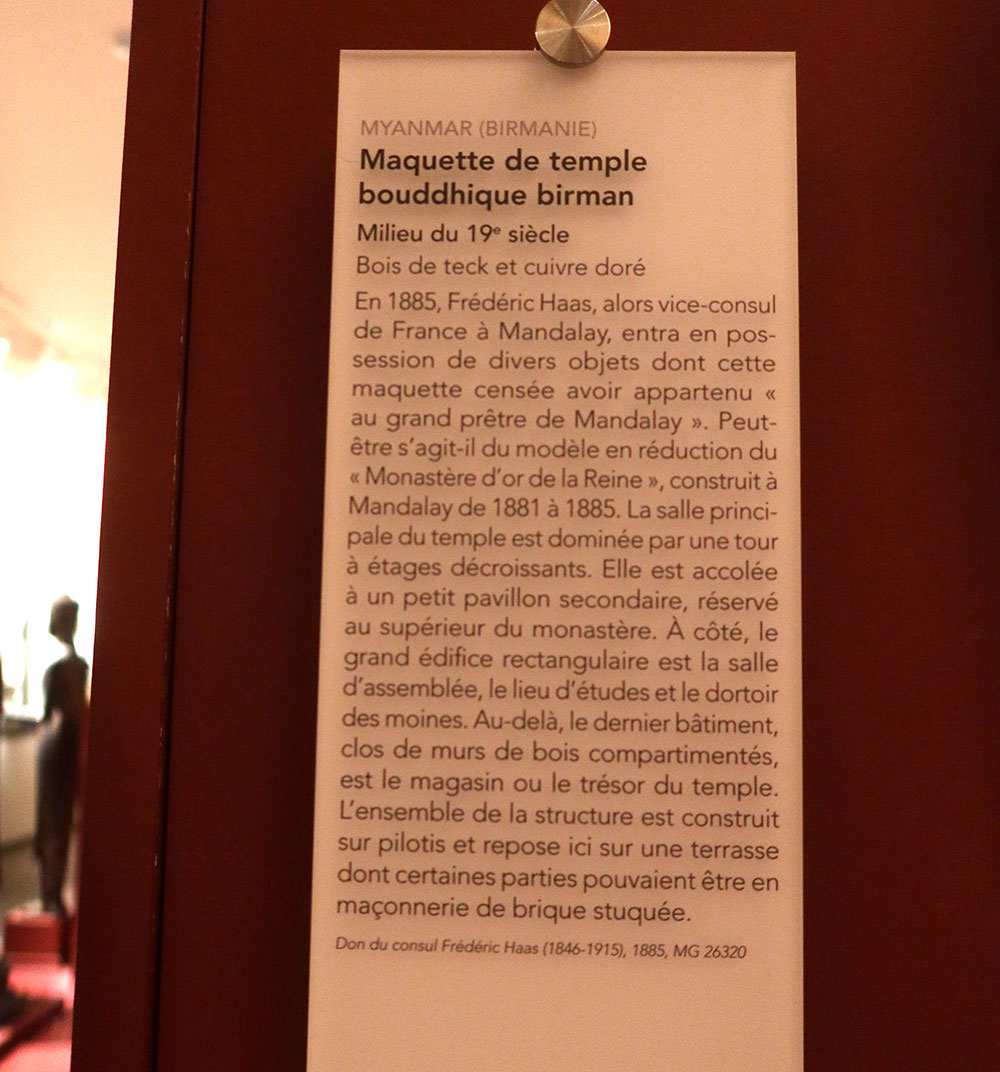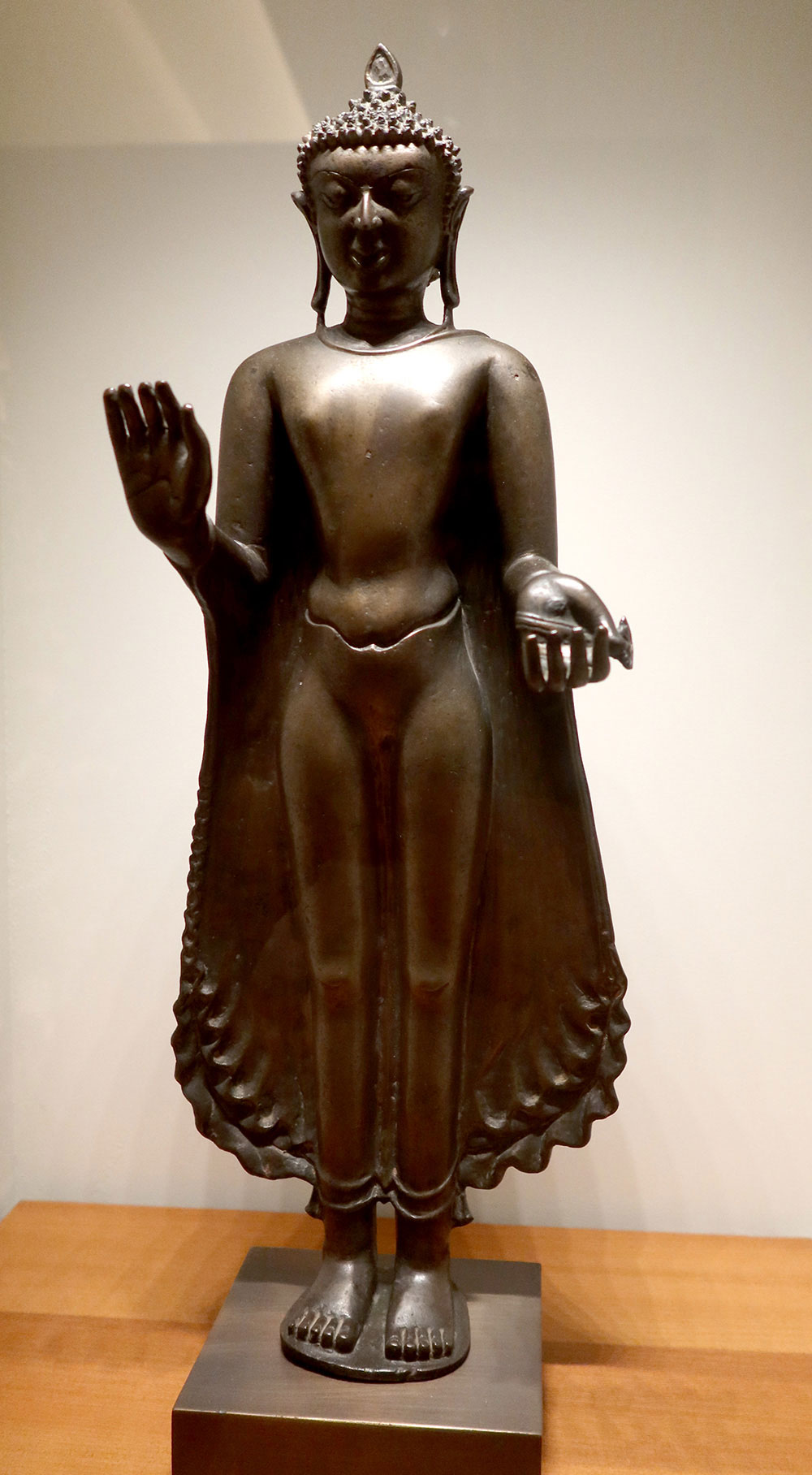

A century and a half of collecting, scholarship, and institutional ambition has made the Musée national des arts asiatiques-Guimet the foremost repository of Asian art in Europe.
Origins and Founding Vision
The history of the Musée Guimet is inseparable from the singular ambitions of its founder, Émile Étienne Guimet (1836–1918), a prosperous industrialist from Lyon whose intellectual curiosity extended far beyond the chemical business that had enriched his family. An 1865 journey to Egypt and Greece proved formative: an encounter with the antiquities at Boulaq in Cairo, organised by the French archaeologist Auguste Mariette, set him on a course that would eventually yield one of the most important collections of Asian art in the world.
In 1876, the French Ministry of Public Instruction commissioned Guimet to travel to Japan, China, and India to document and study the religions of the East. From this expedition he returned with approximately 300 paintings and 600 sculptures. Part of the collection was shown at the Exposition Universelle of 1878 in Paris to considerable interest, and the following year Guimet opened a museum in Lyon devoted to world religions. A decade later, having concluded that Paris was the proper home for an institution of this scope, he commissioned a purpose-built structure on the Place d'Iéna in the 16th arrondissement, which opened in 1889 — the same year the Eiffel Tower was inaugurated for the World Exposition.
At its inauguration, Guimet donated his entire collection to the French State and assumed the directorship of the new institution. The original scope was broad: alongside his Asian acquisitions, the museum accommodated objects from ancient Egypt, Greece, Rome, and even pre-Columbian America. This encyclopaedic ambition was progressively refined over subsequent decades as the focus shifted decisively towards Asian civilisations.
Building the Collection: Expeditions and Exchanges
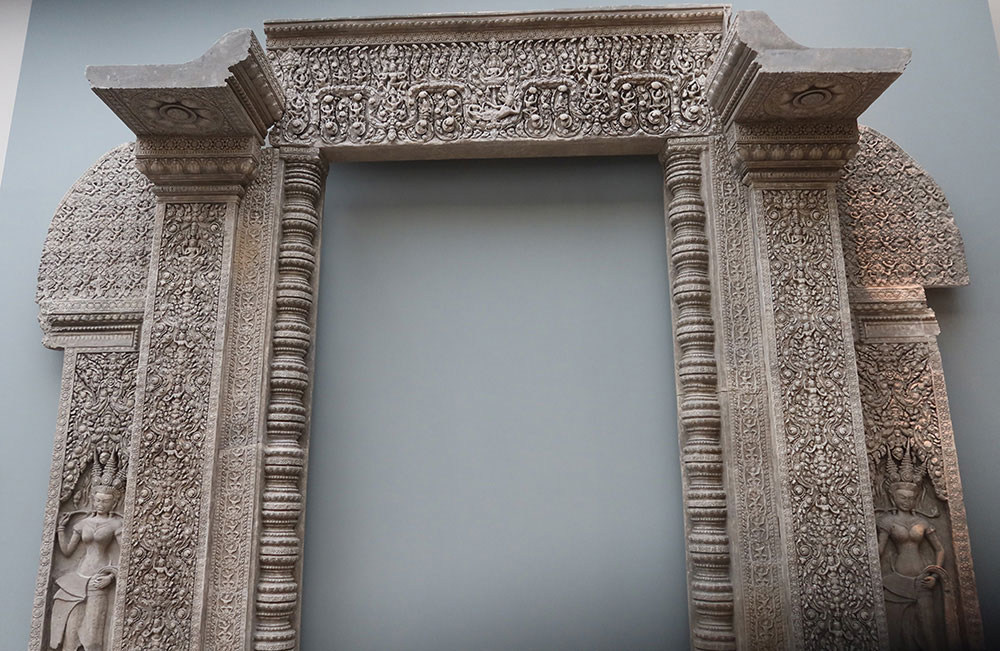
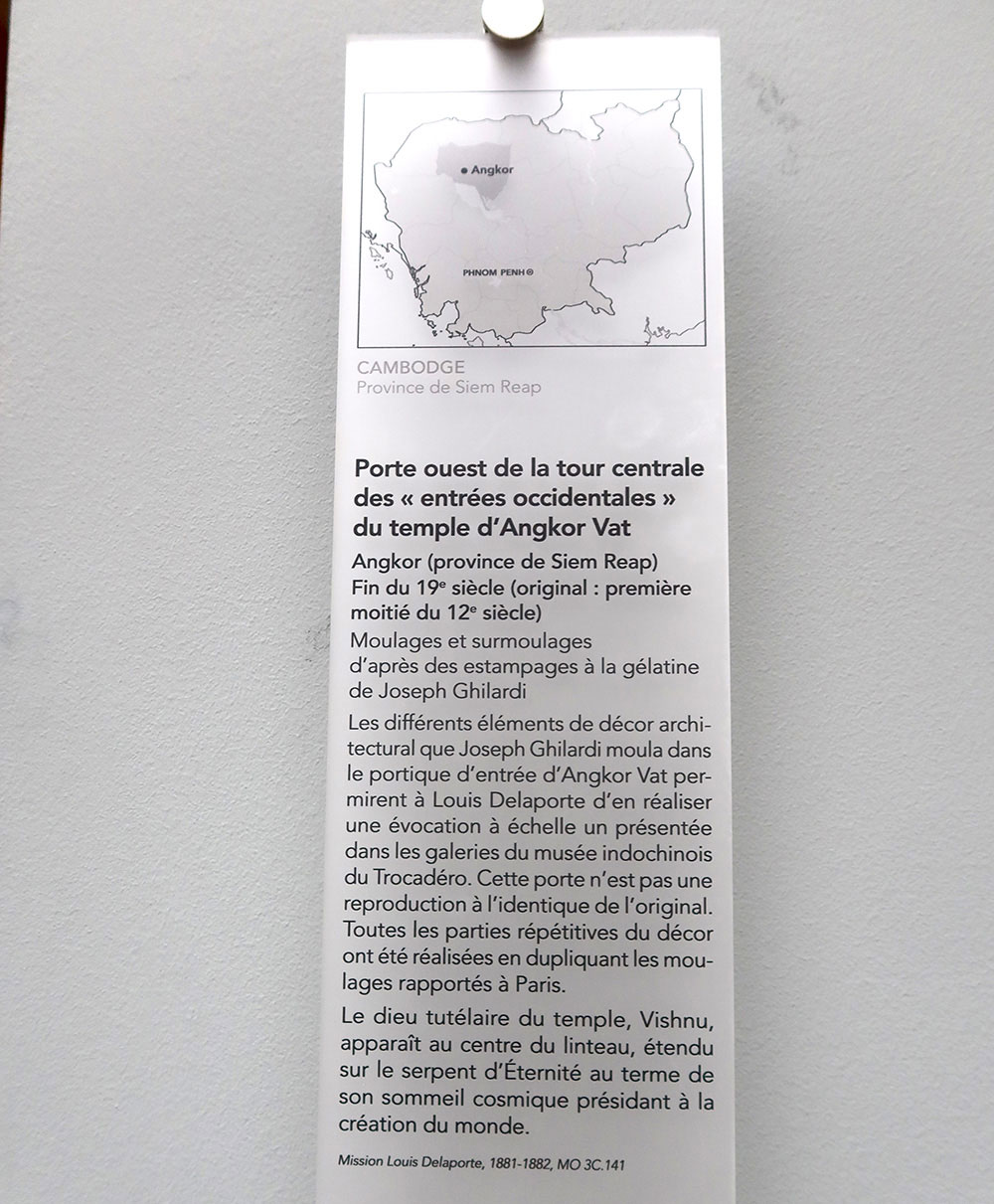
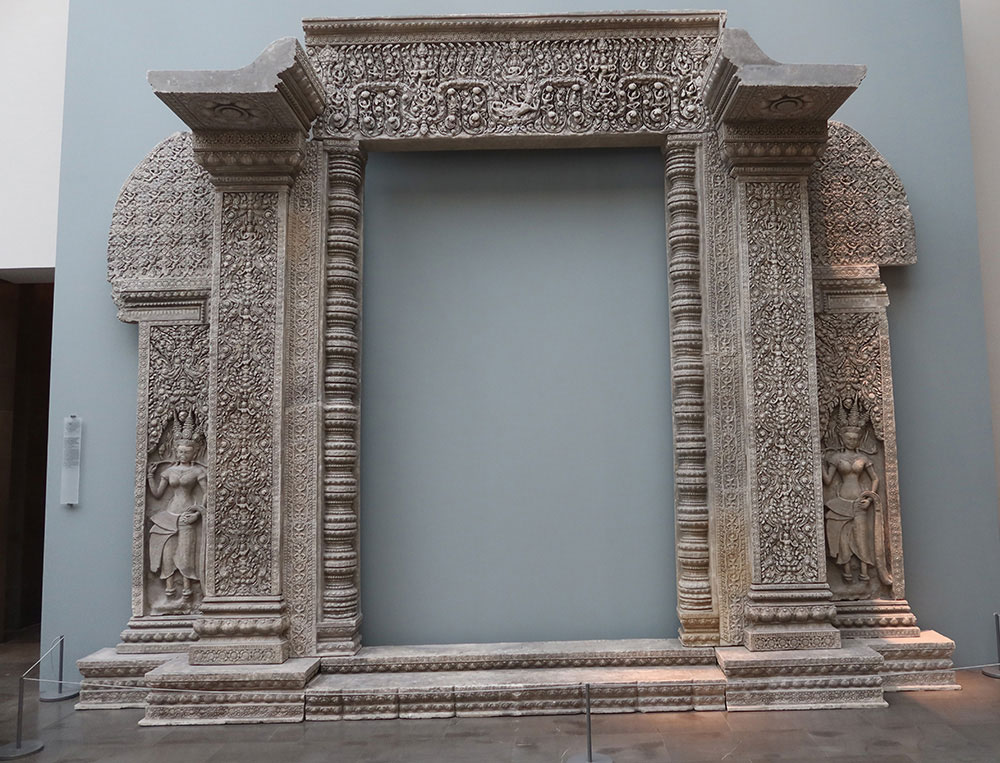
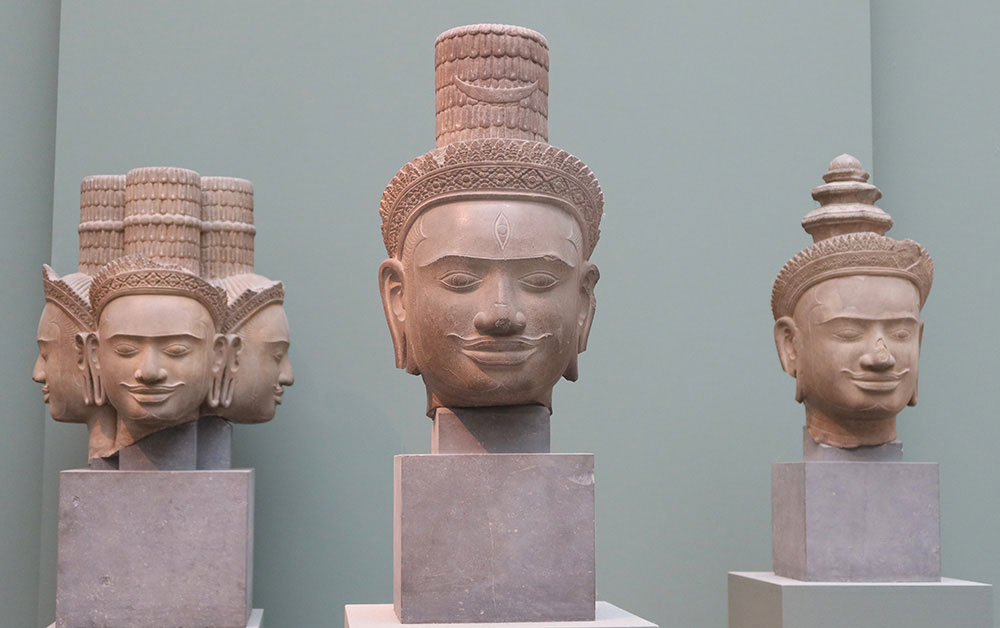
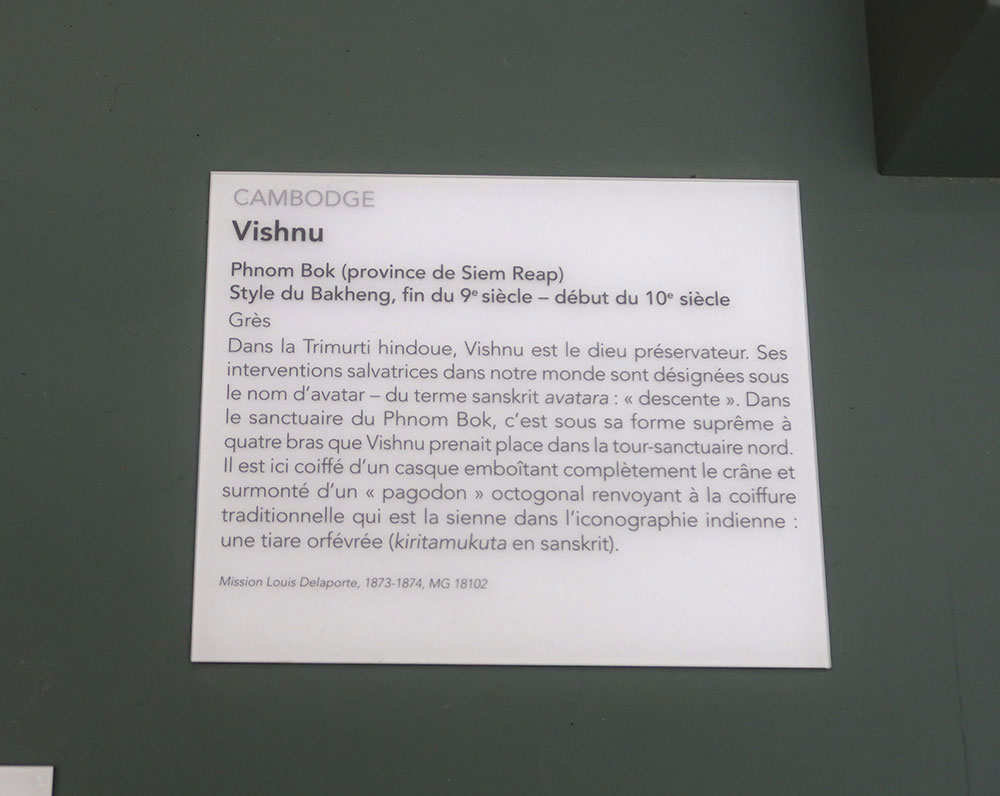
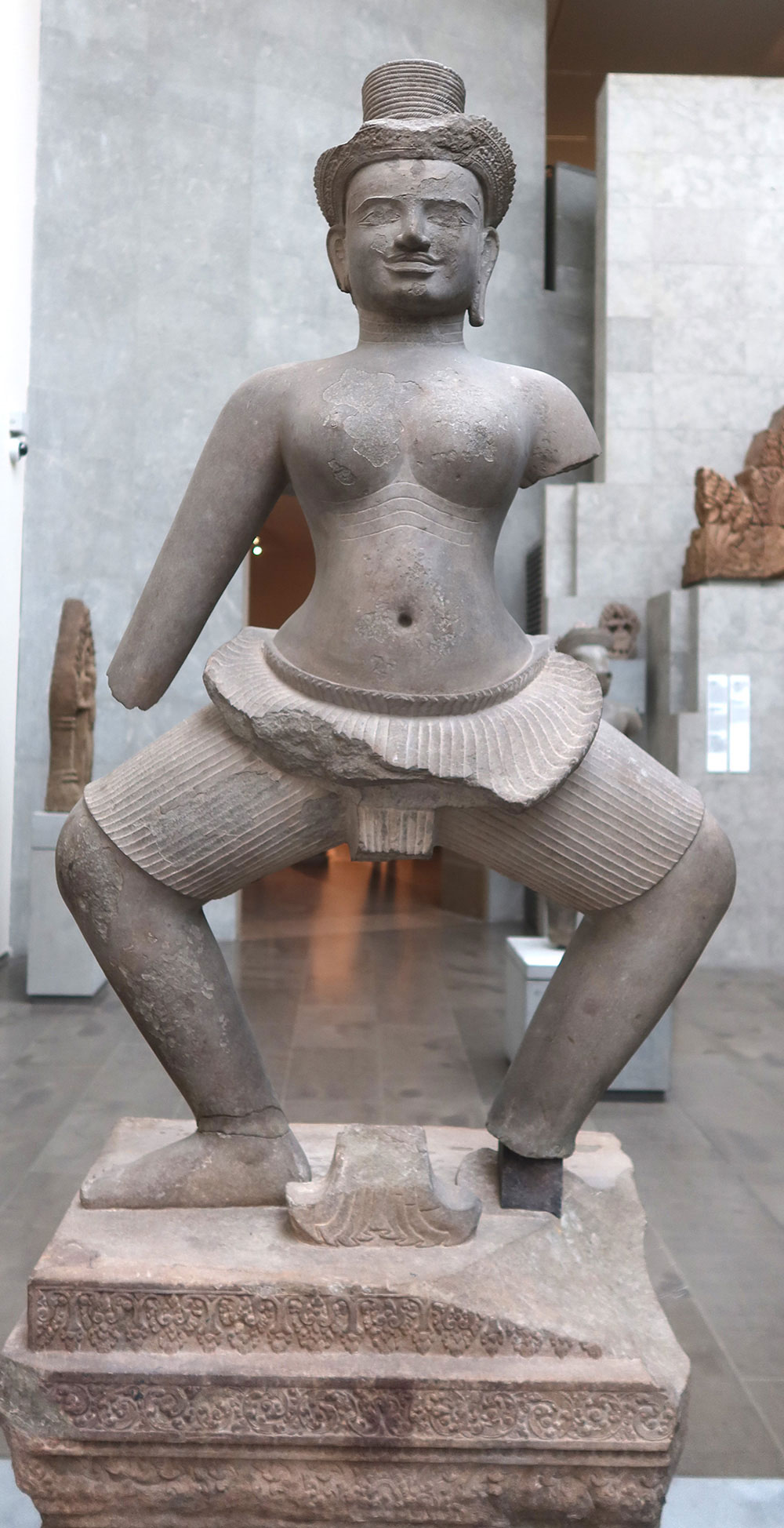
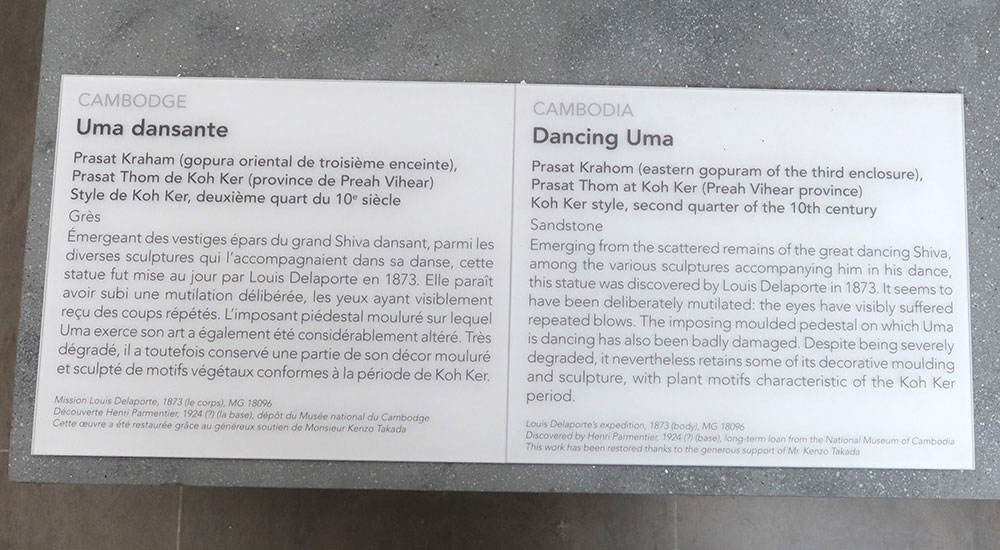
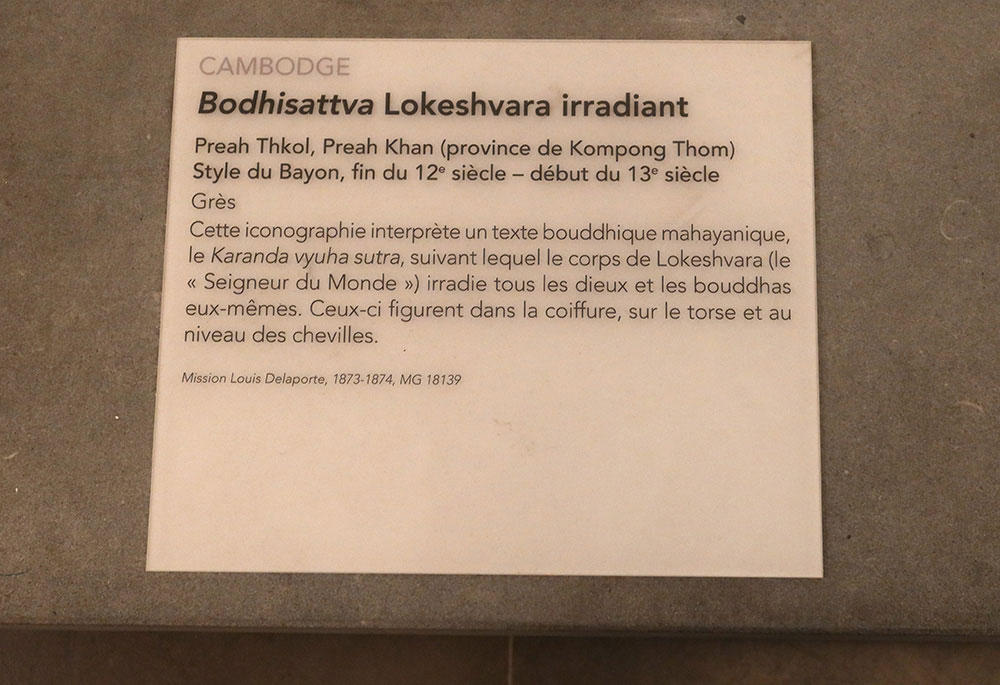
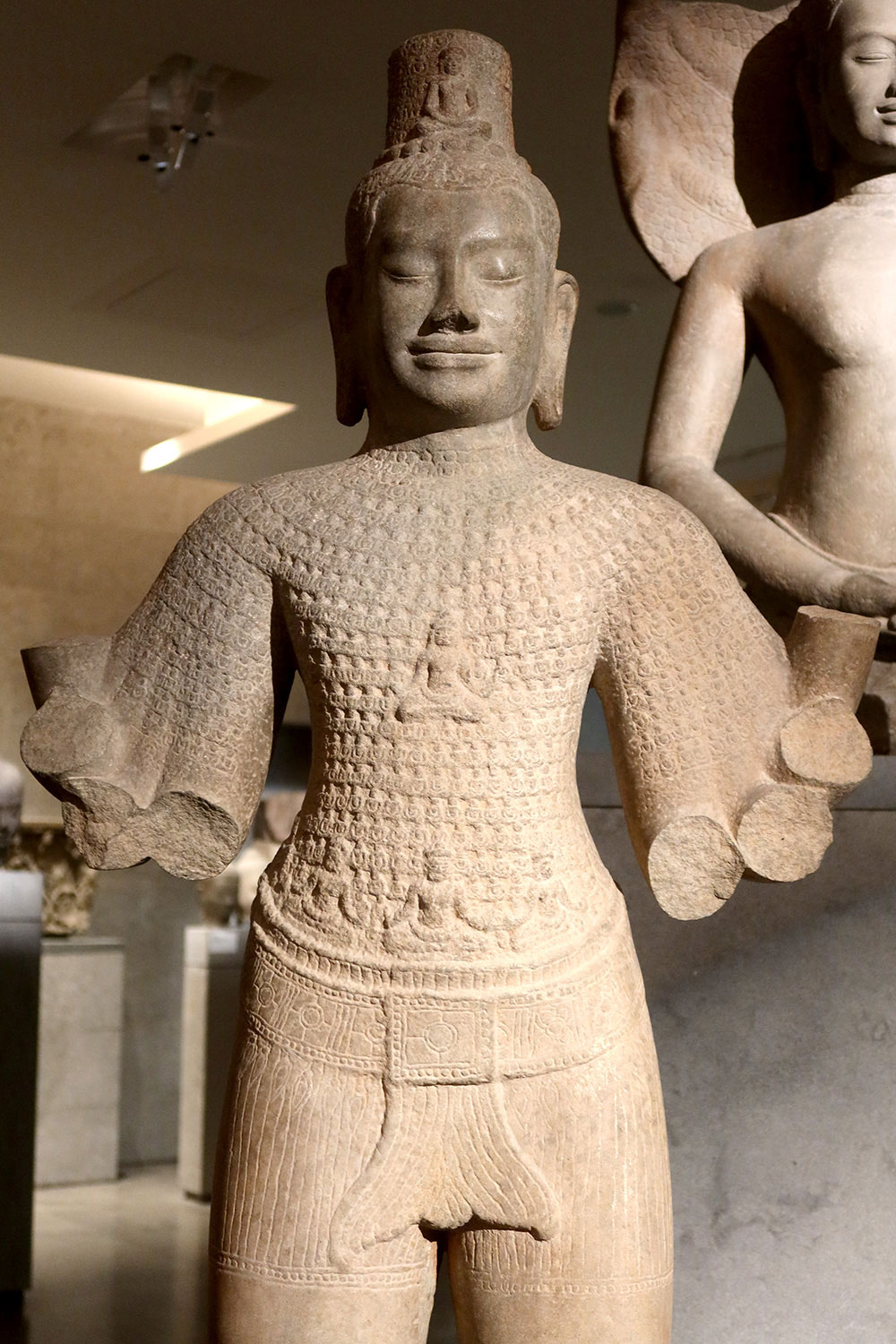
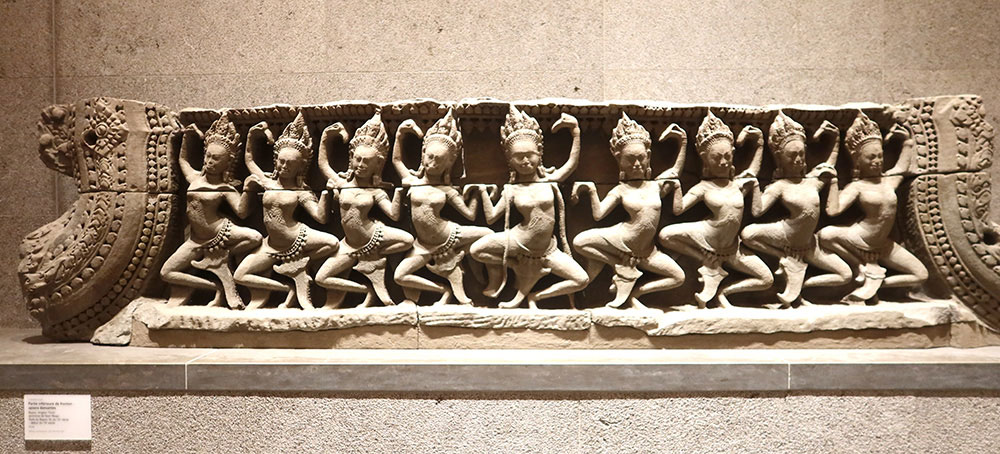
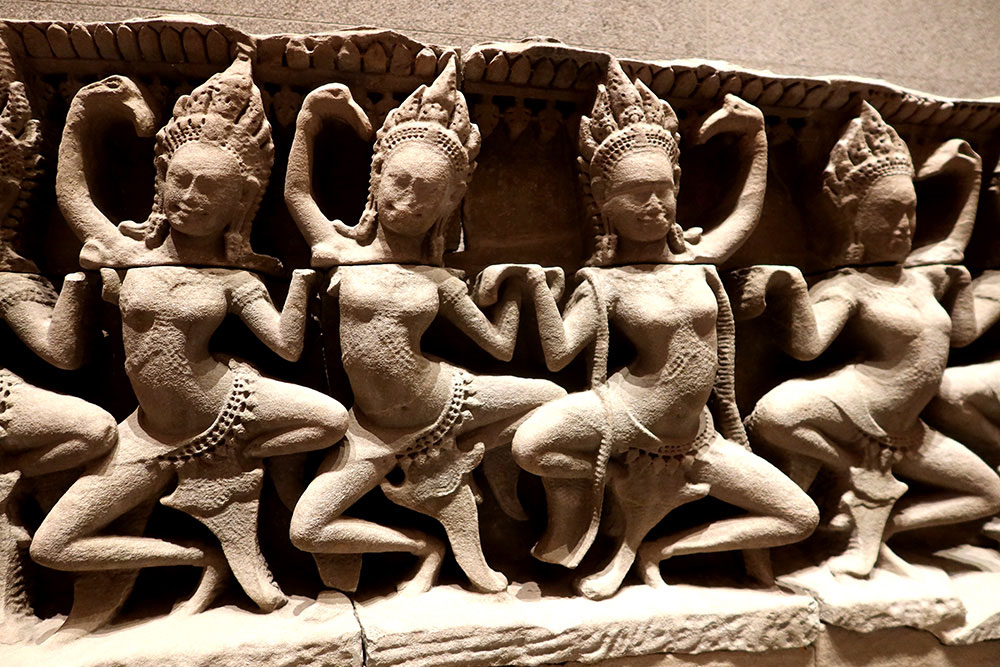
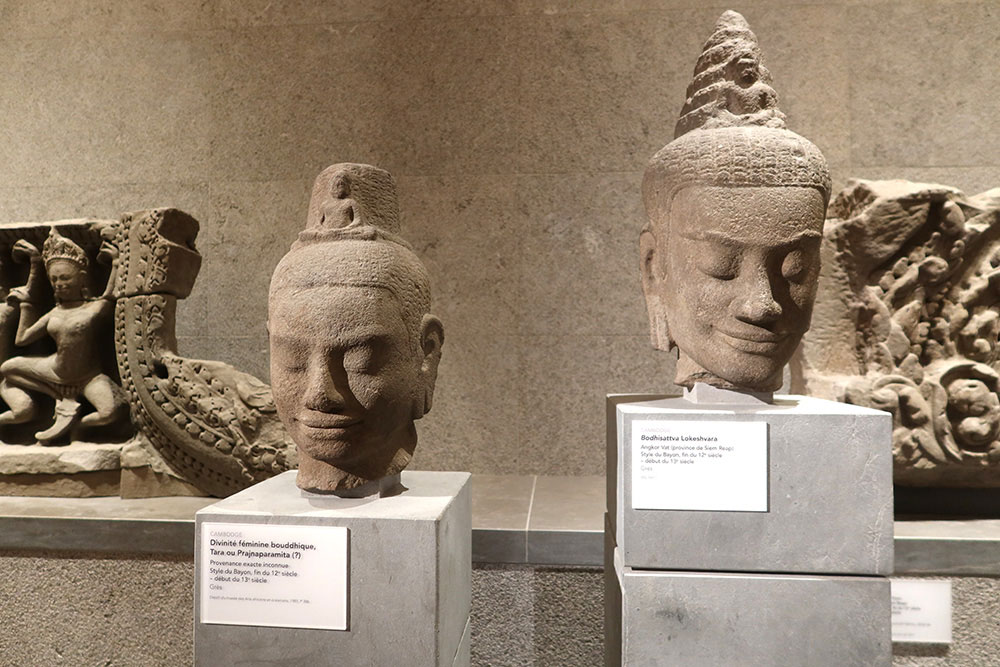
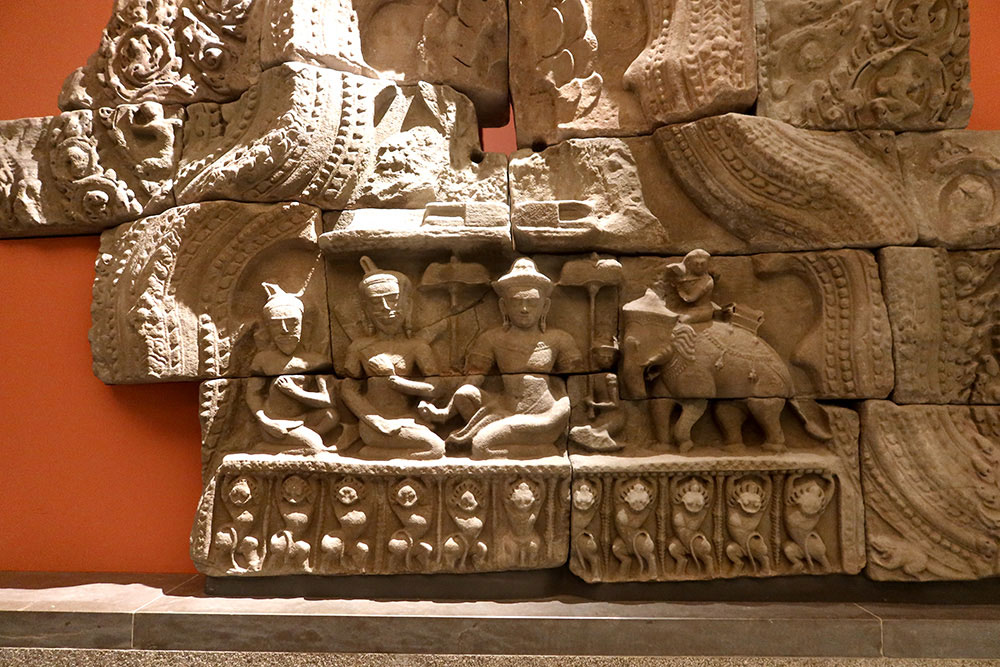
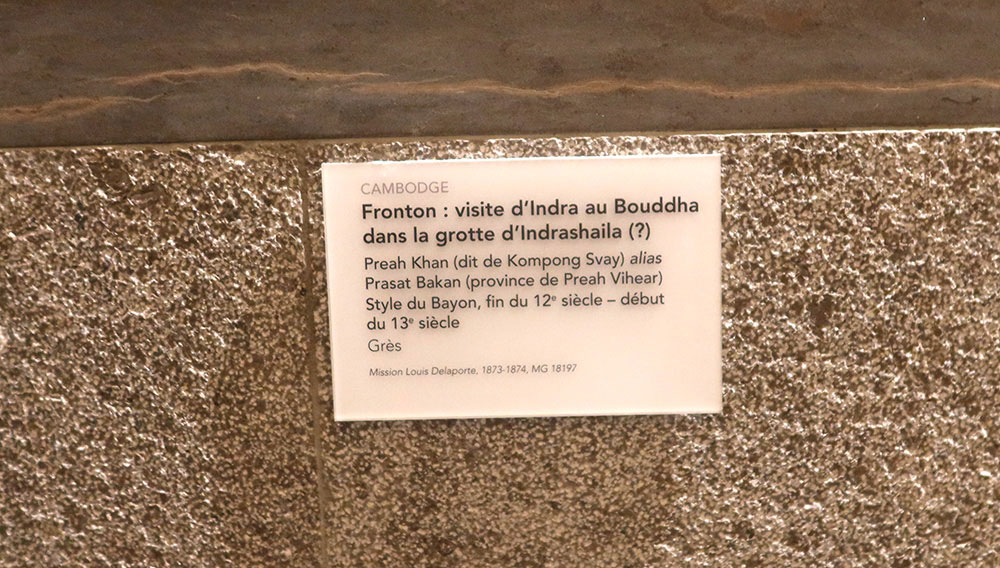
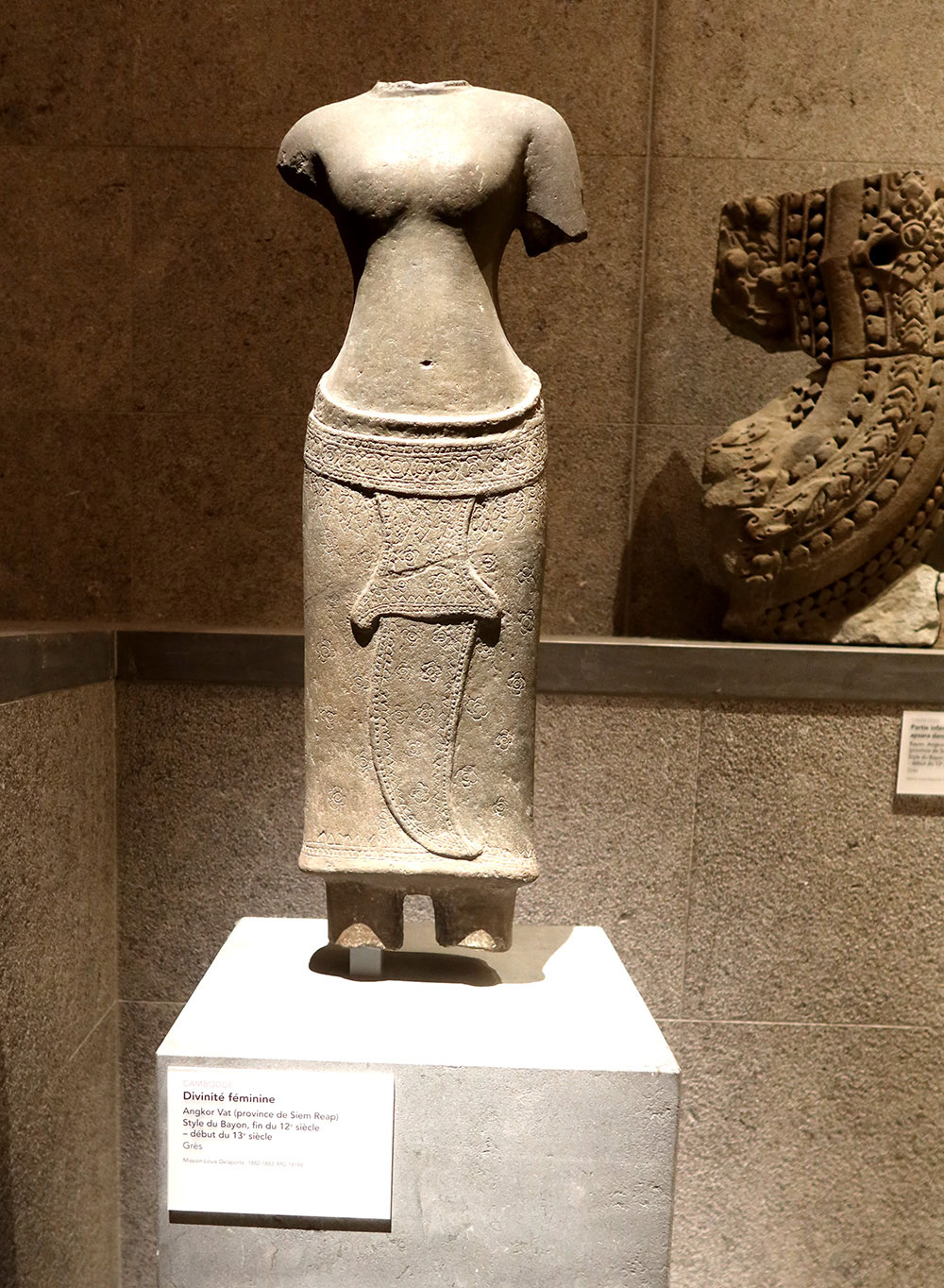
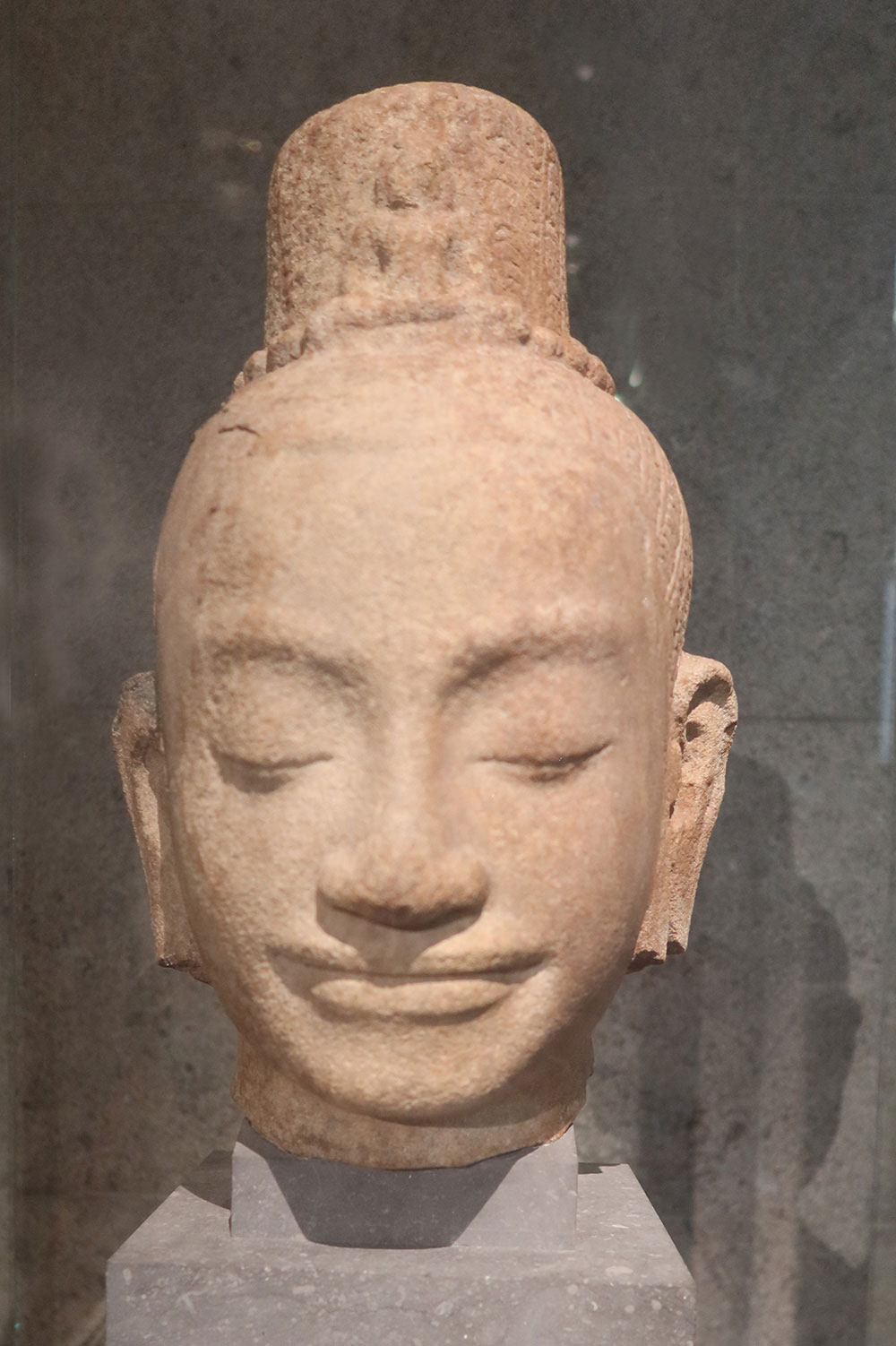
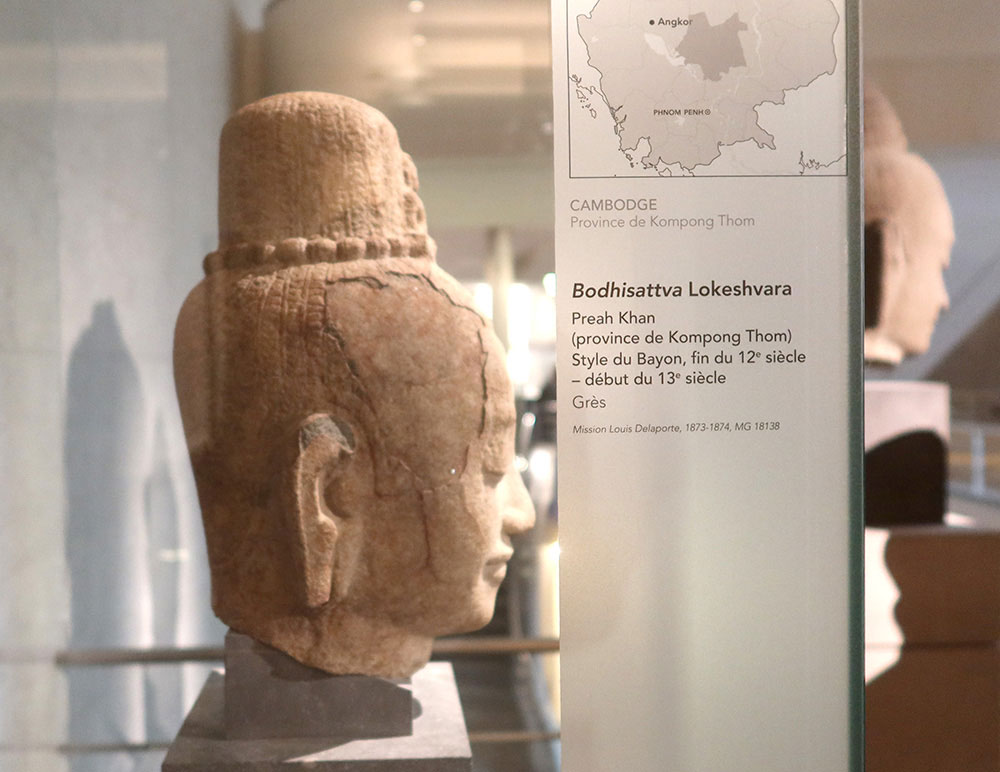
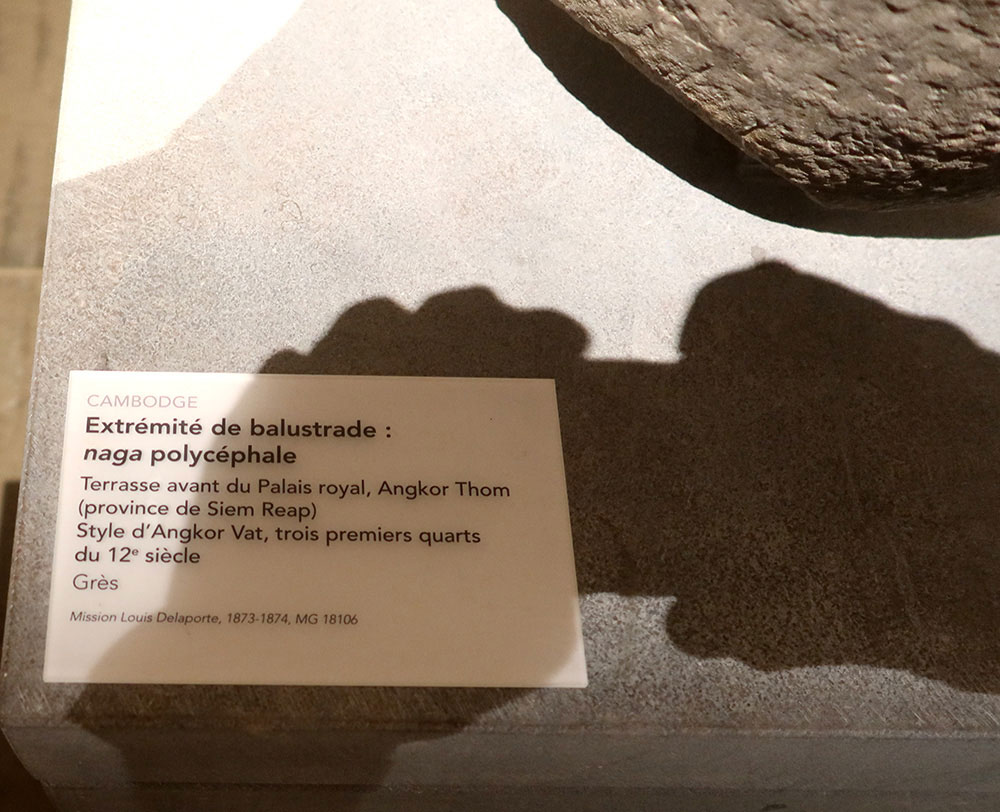
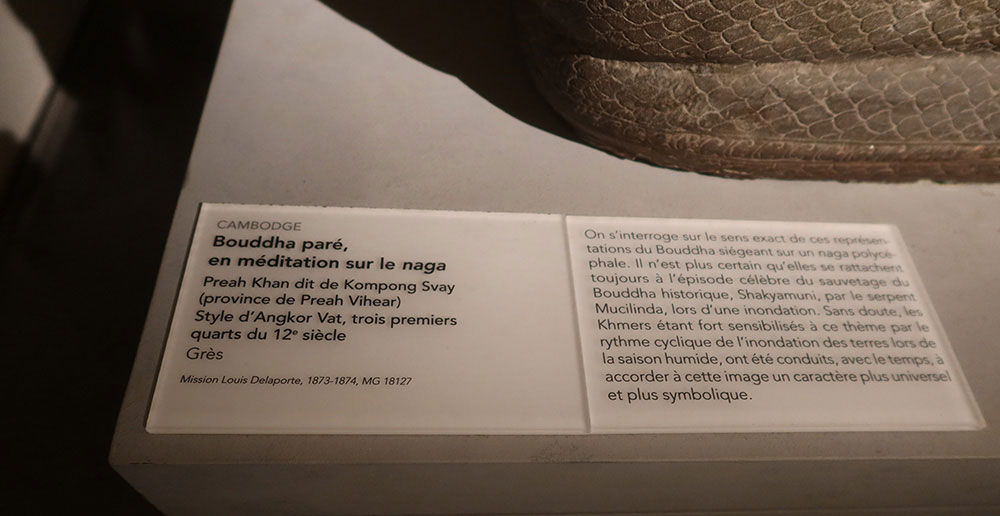
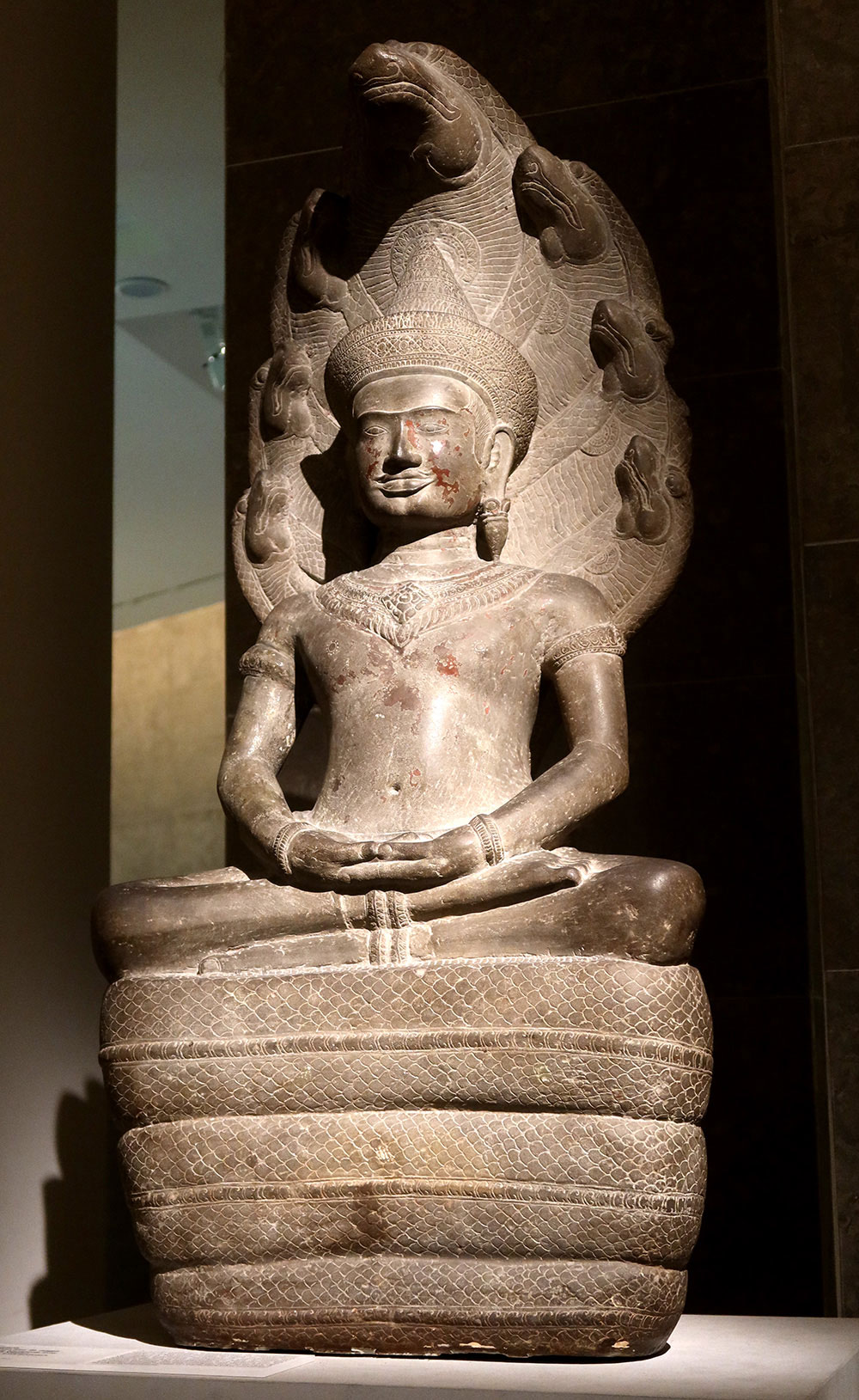
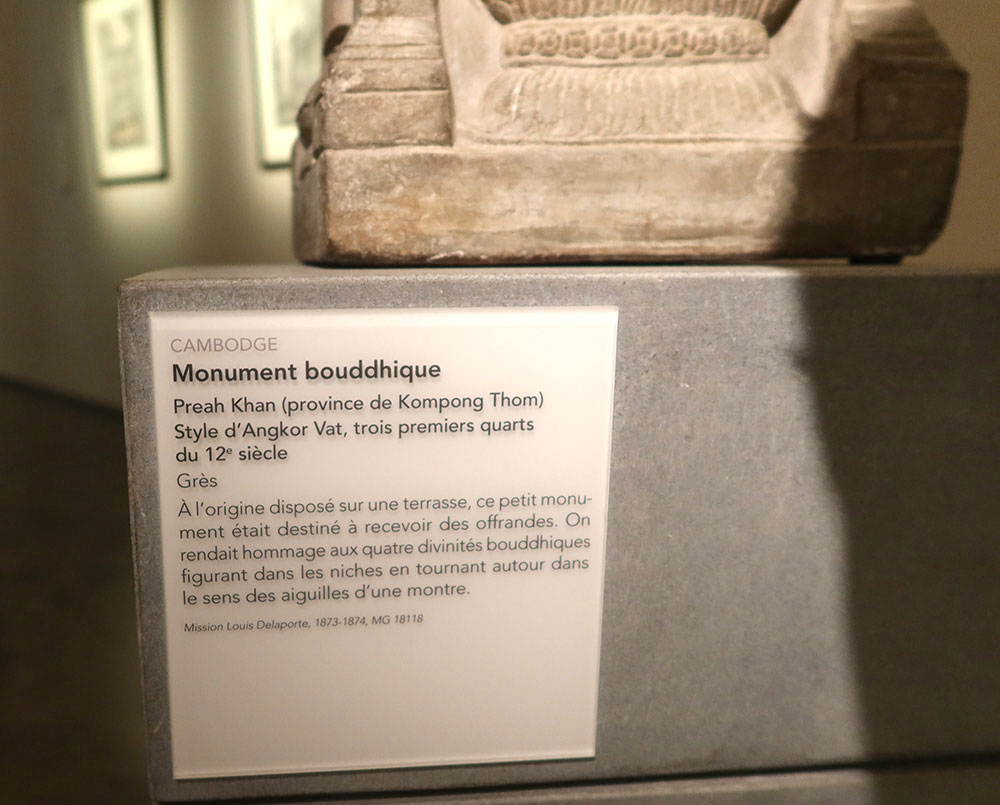
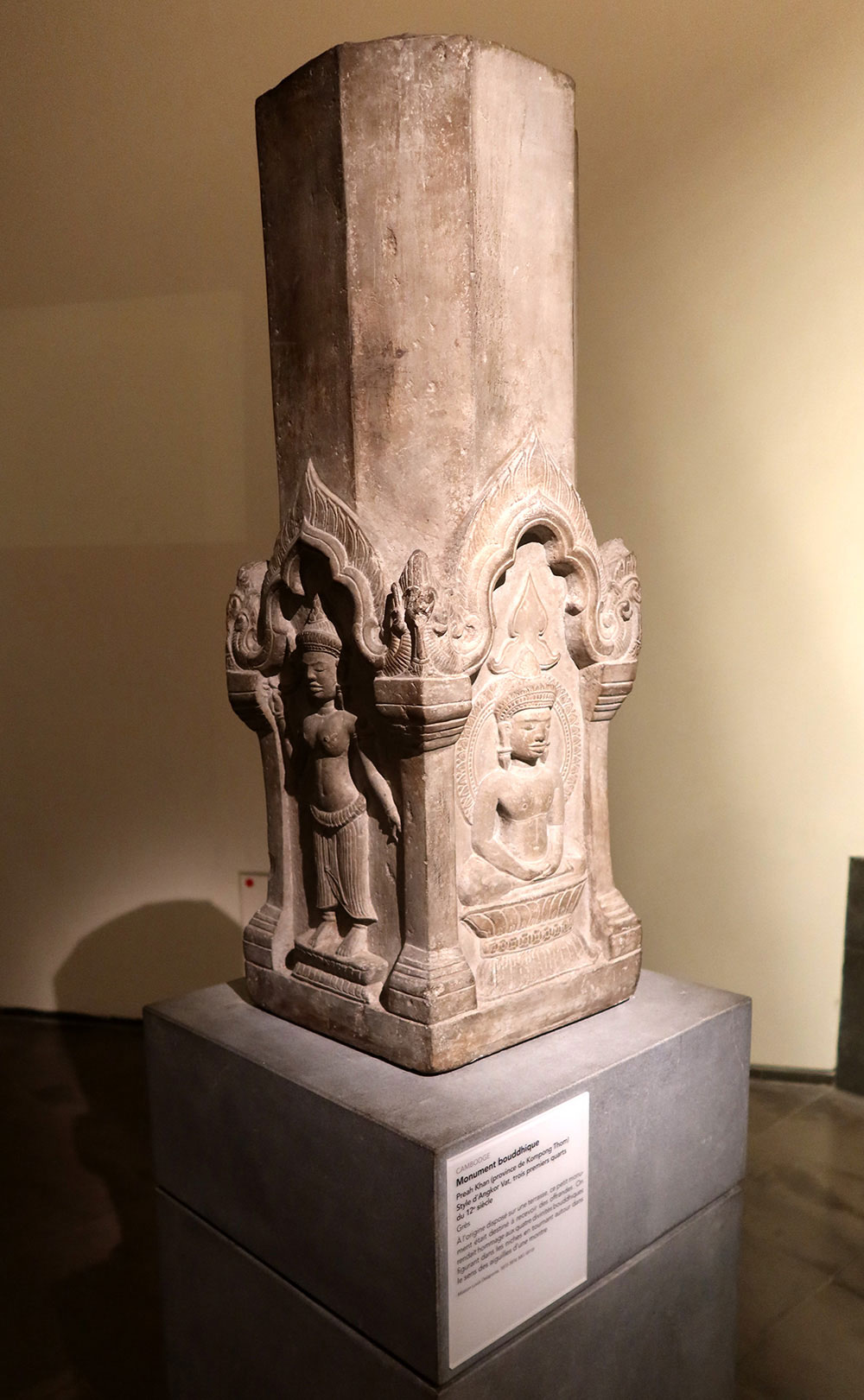
Guimet himself was not the only figure whose travels shaped the museum. The late nineteenth and early twentieth centuries saw a series of French scholarly and archaeological expeditions that substantially enlarged the holdings. Louis Delaporte's journeys through Siam and Cambodia in 1873 and 1880 produced a Khmer art collection that became the core of the Trocadéro's Indochinese Museum, founded in 1882. Sinologist Paul Pelliot's overland journey through Central Asia and China between 1906 and 1909 yielded paintings, manuscripts, and documents of considerable scholarly importance. Jacques Bacot worked in Tibet, and Alfred Foucher contributed findings from India and Afghanistan. These collections were drawn into the Guimet's orbit progressively, and the 1927 attachment of the museum to the Direction des Musées de France formalised the integration of the Trocadéro Indochinese collections into the Guimet's holdings.
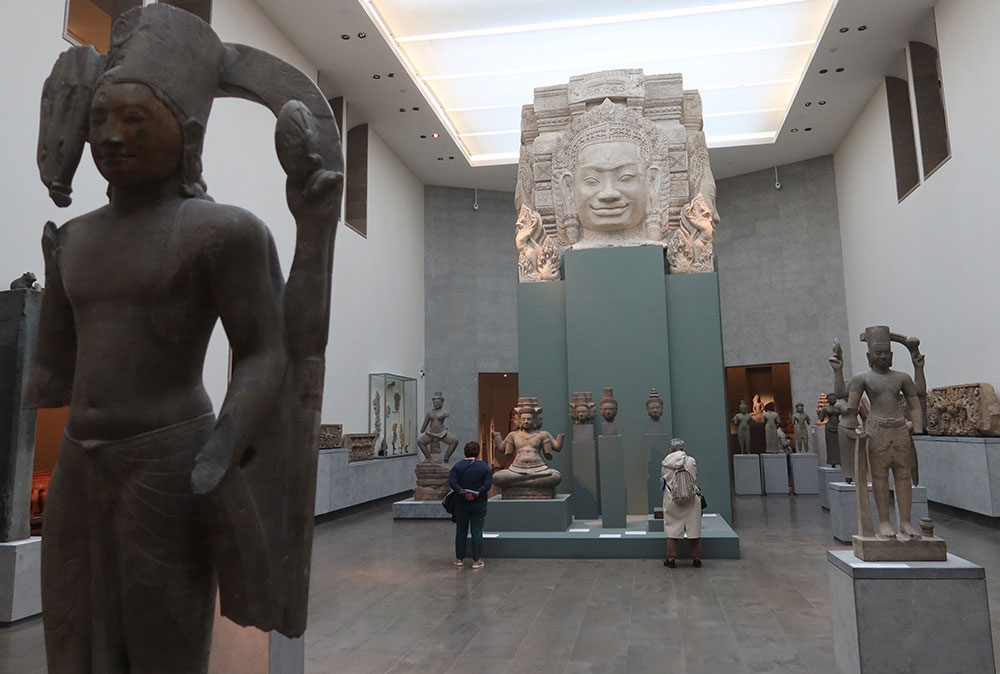
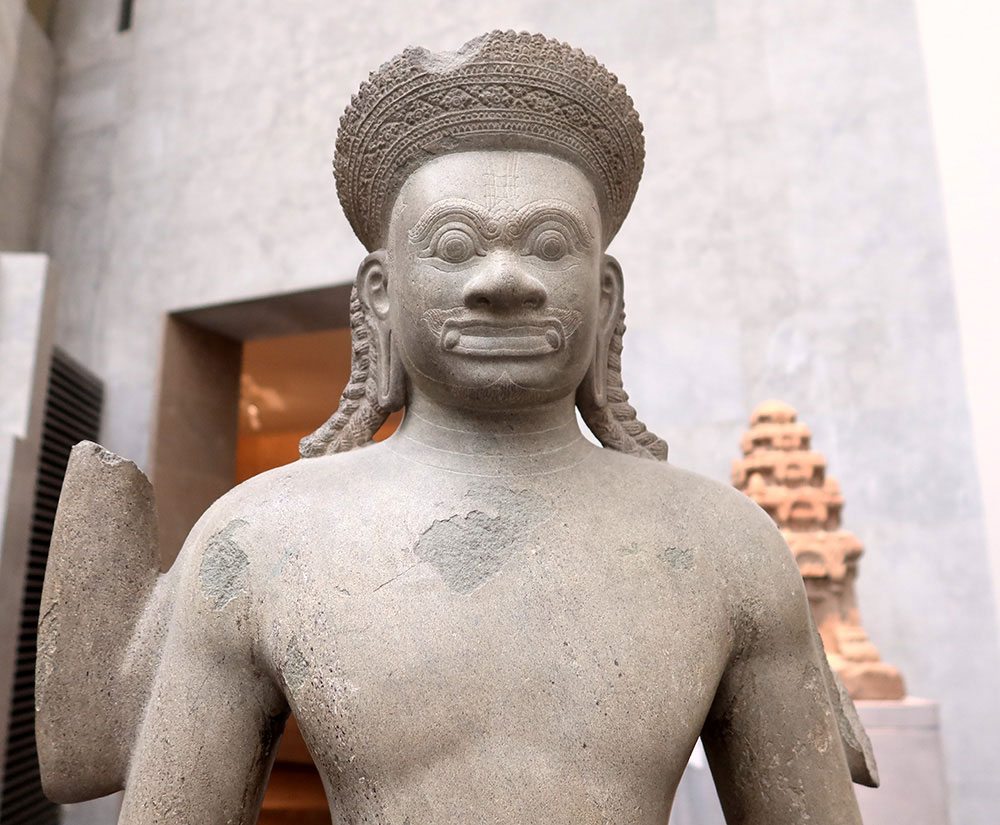
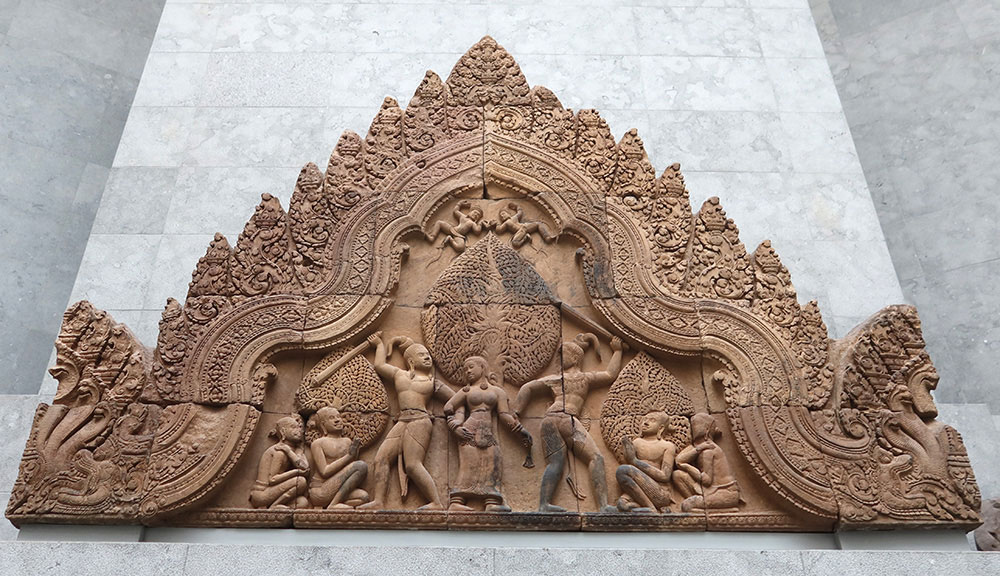
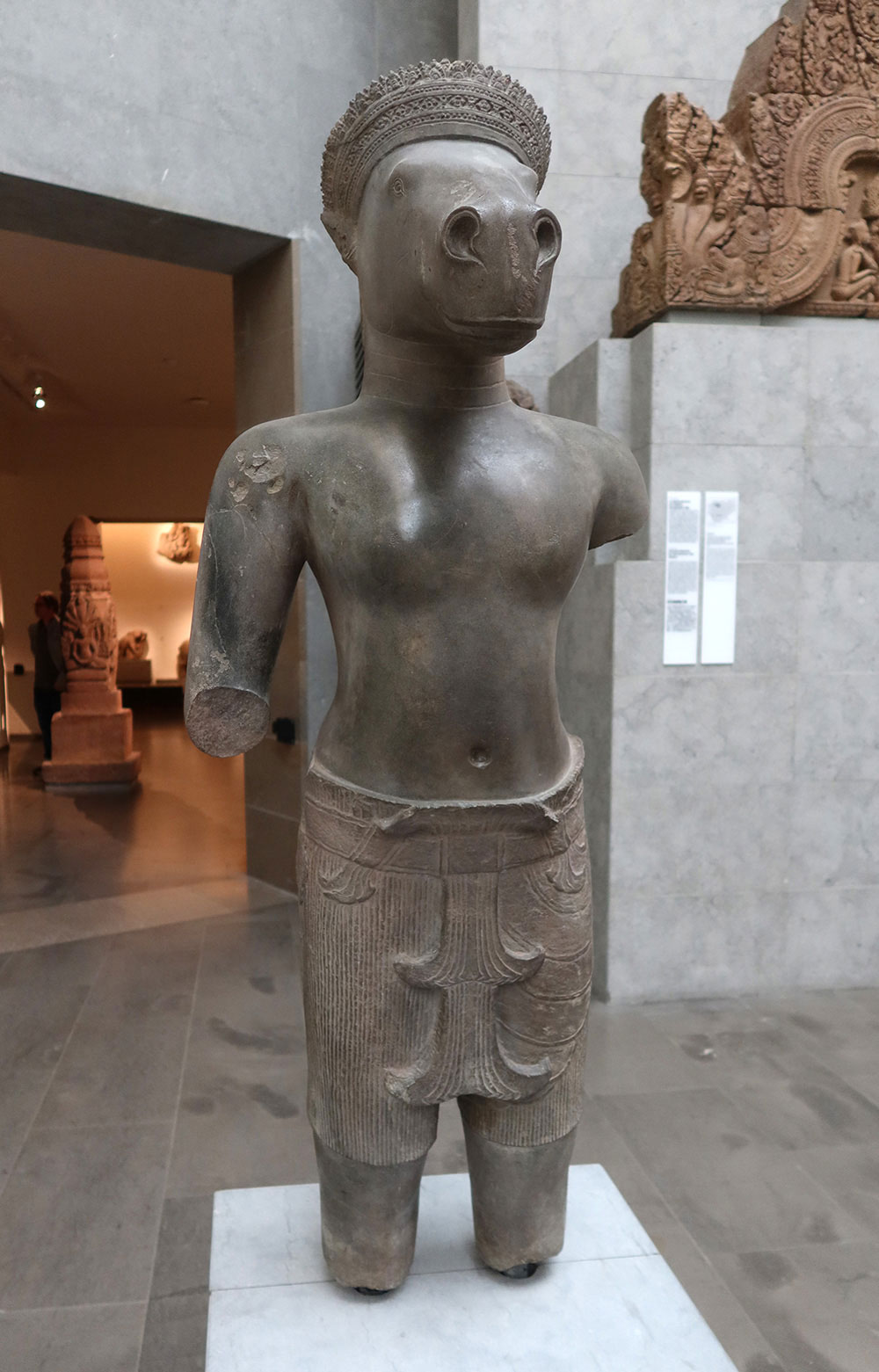
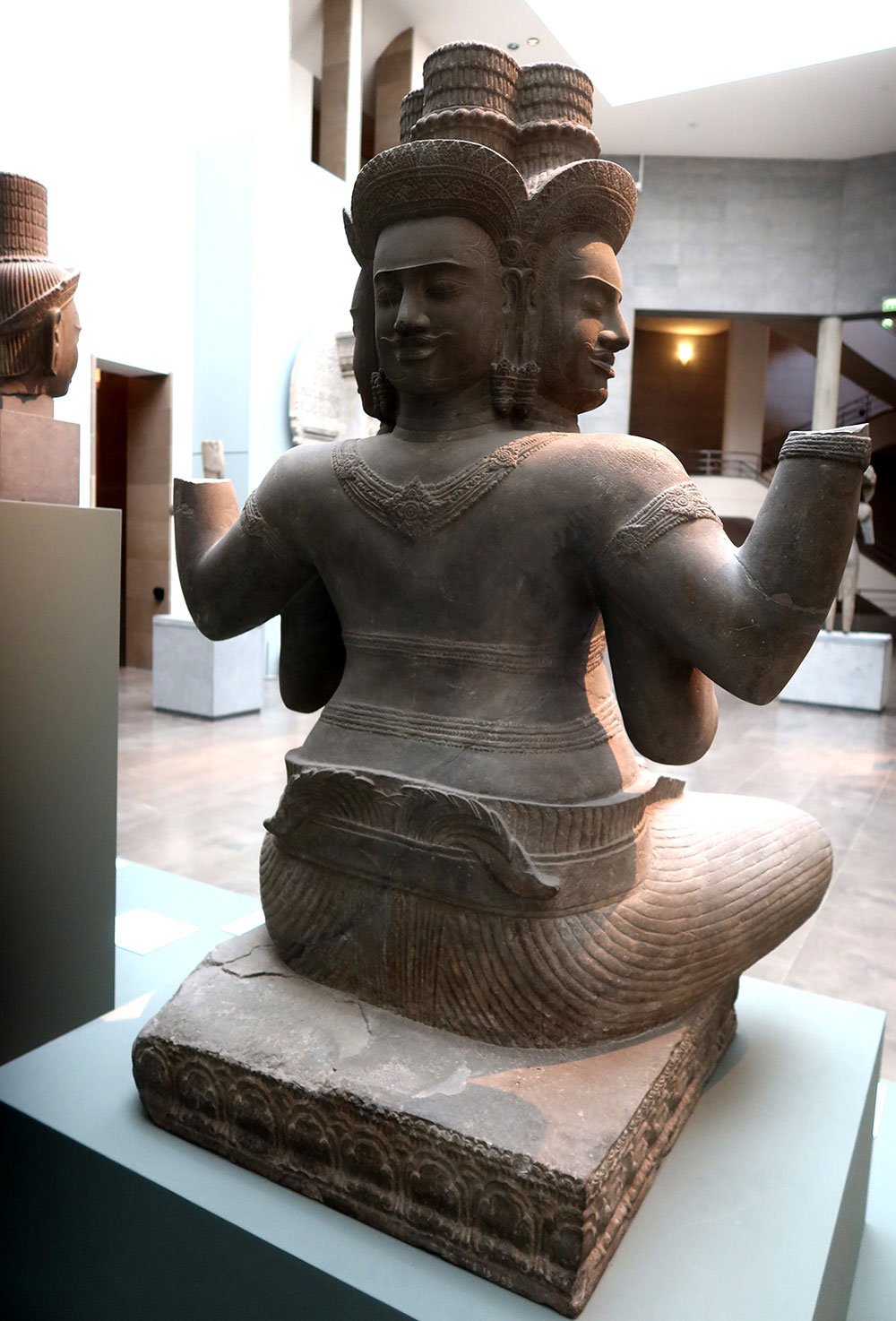
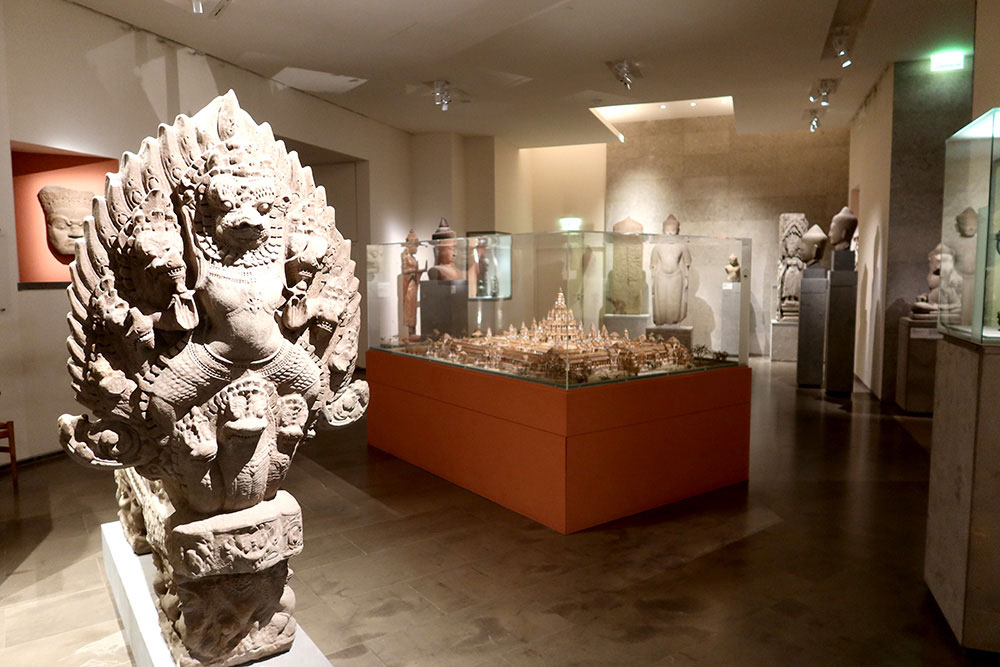
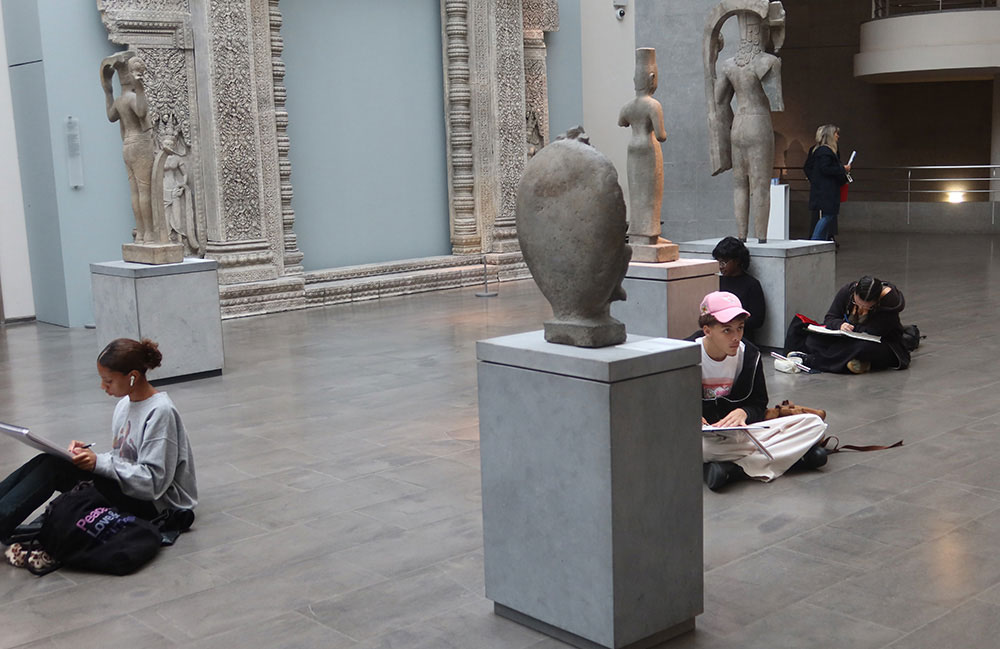
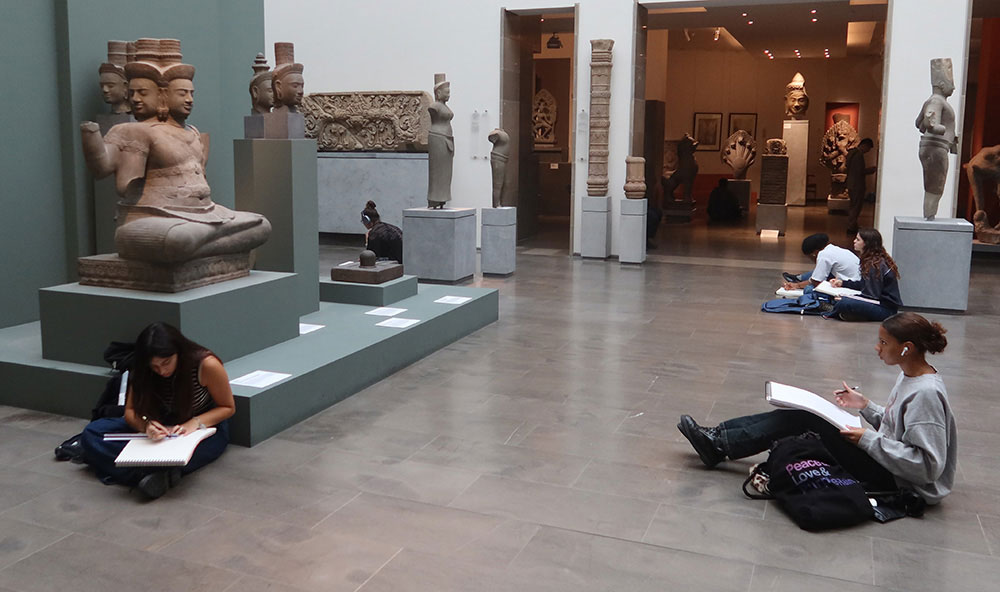
Throughout the 1920s and 1930s, under the directorship of Joseph Hackin — Guimet's former secretary — the institution was systematically transformed into a museum of Asian art. Hackin managed the formal relocation of Delaporte's Khmer sculptures and oversaw the roofing of the central courtyard in 1938 to allow the Khmer collection to be displayed to greater effect. The courtyard that resulted remains one of the museum's most architecturally memorable spaces.
The most consequential reorganisation of the collection came in 1945, when the post-war restructuring of French national collections led to an exchange with the Louvre: the Guimet transferred its Egyptian holdings to the Louvre and received in return the Louvre's entire department of Asian art, including the celebrated Grandidier Collection of Chinese ceramics and decorative arts. This exchange established the Musée Guimet as the preeminent Asian art institution in France and placed it firmly among the leading museums of its kind in the world.
Renovation and Renewal
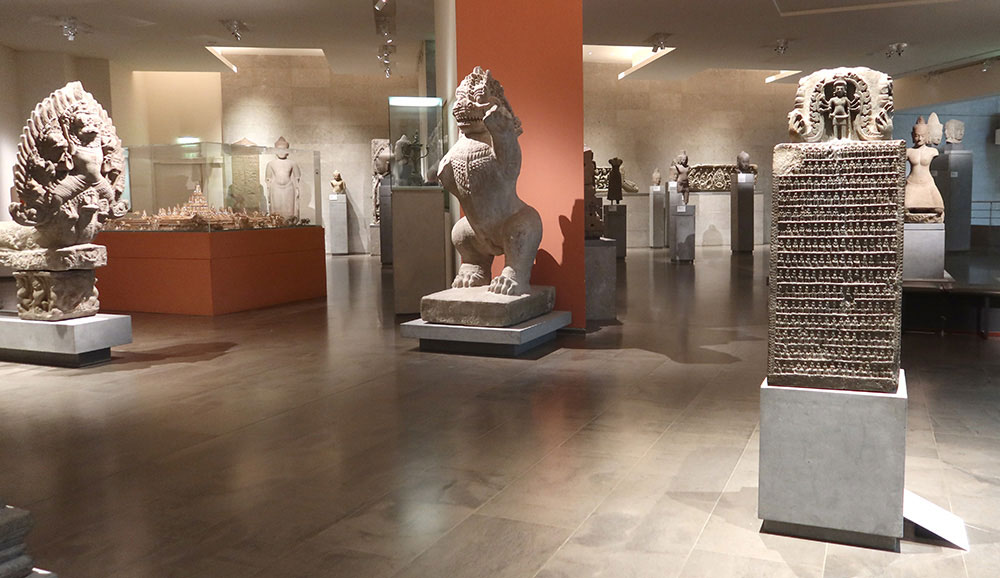
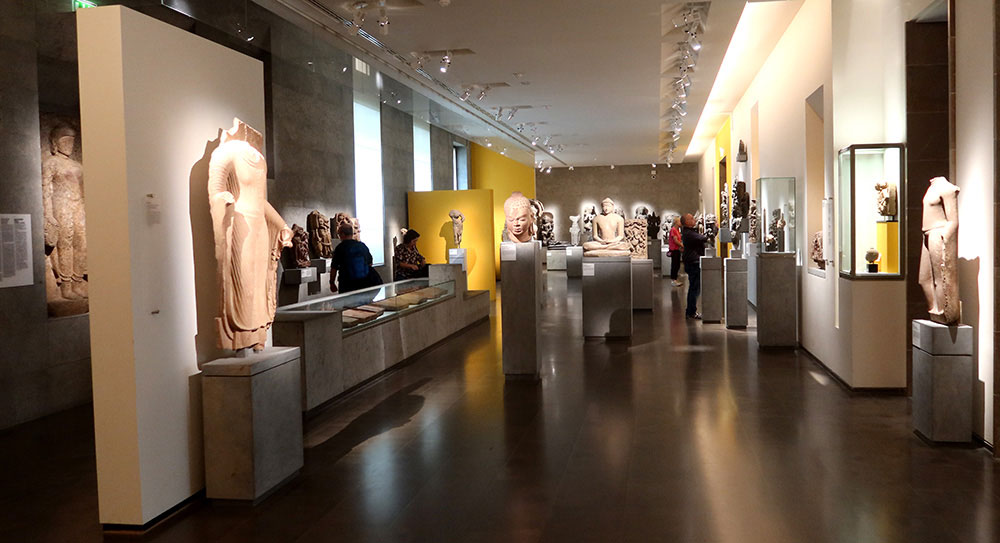
By the mid-1990s the building had come to be regarded as an overcrowded and inadequately lit environment in which the collections could not be shown to proper advantage. A major renovation programme was commissioned in 1996 and entrusted to architects Henri and Bruno Gaudin. The project, which involved gutting large sections of the building while preserving its staircases and principal structural elements, was completed at a cost of approximately fifty million dollars. Skylights were installed throughout to prioritise natural light; gallery spaces were opened out to create broad vistas and allow meaningful juxtapositions across the collection. The renovated museum was inaugurated by President Jacques Chirac in 2001, providing some 5,500 square metres of exhibition space across its galleries.
The institution extends beyond the main building on the Place d'Iéna. Two neighbouring historical properties — the Hôtel d'Heidelbach and the Musée d'Ennery — are formally part of the Guimet complex. The Hôtel d'Heidelbach, an early-twentieth-century pastiche of eighteenth-century architecture designed by René Sergent, houses a Japanese tea pavilion alongside a display of exceptional Chinese imperial furniture. The Musée d'Ennery, built in 1875 for the writer Clémence d'Ennery and bequeathed to the State on her death, holds a dense and idiosyncratic collection of Chinese and Japanese decorative objects, including an outstanding group of netsukes, and is accessible by reservation.
The Permanent Collection
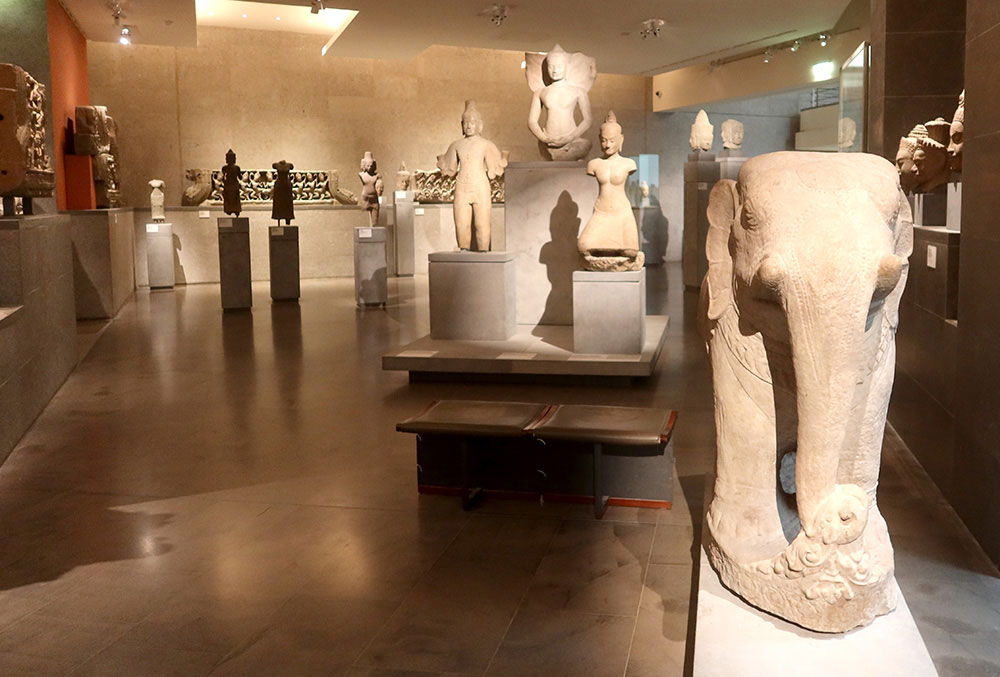
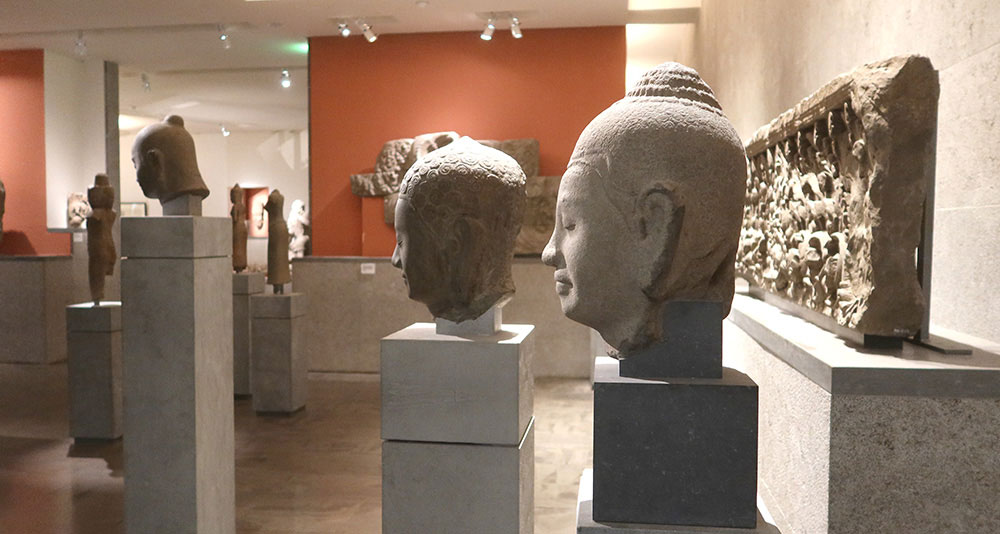
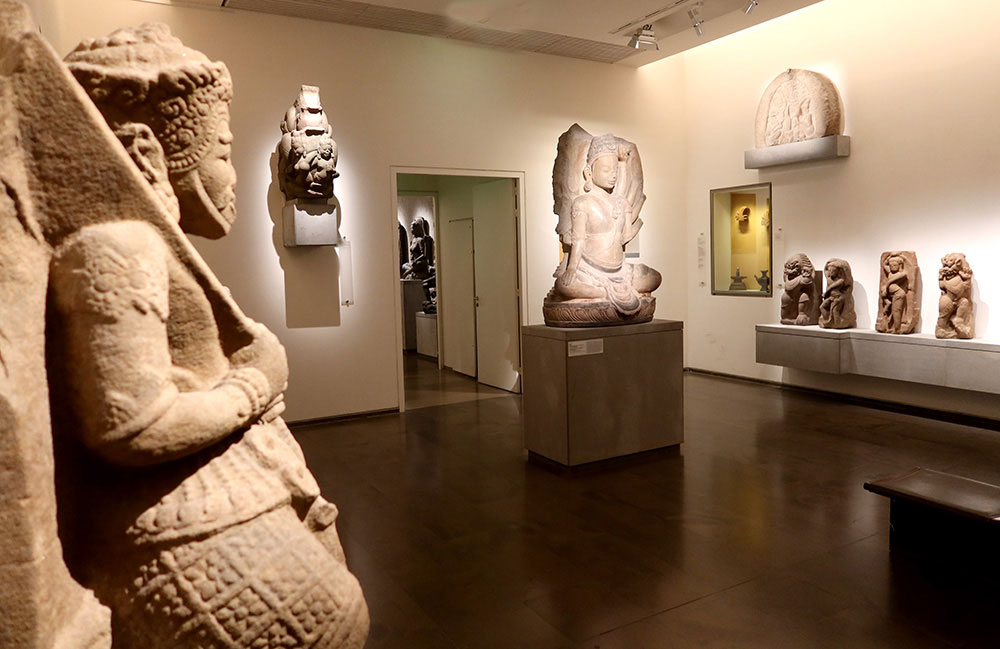
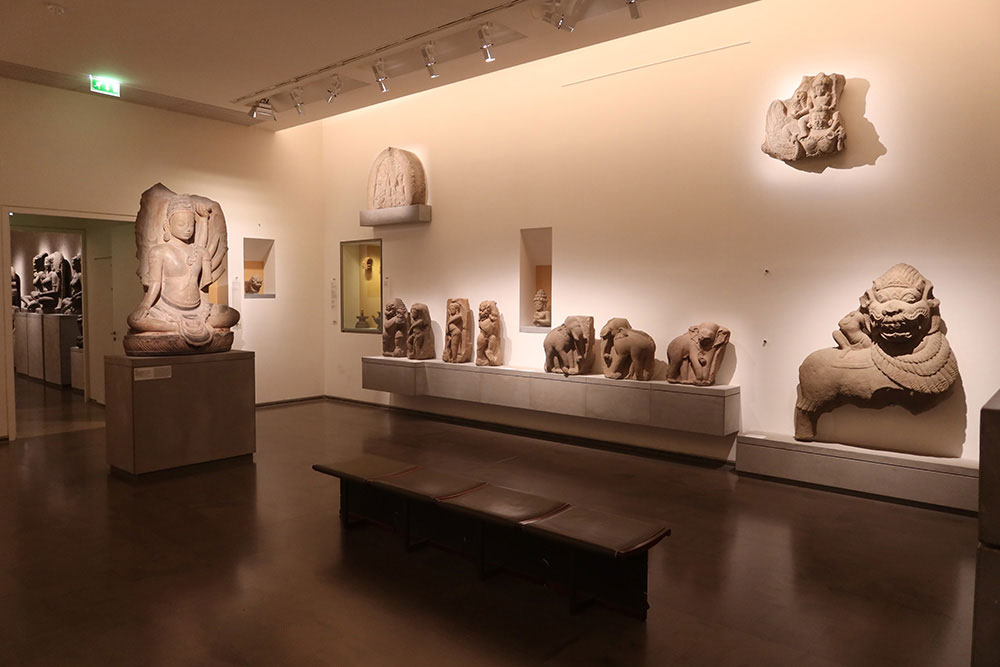
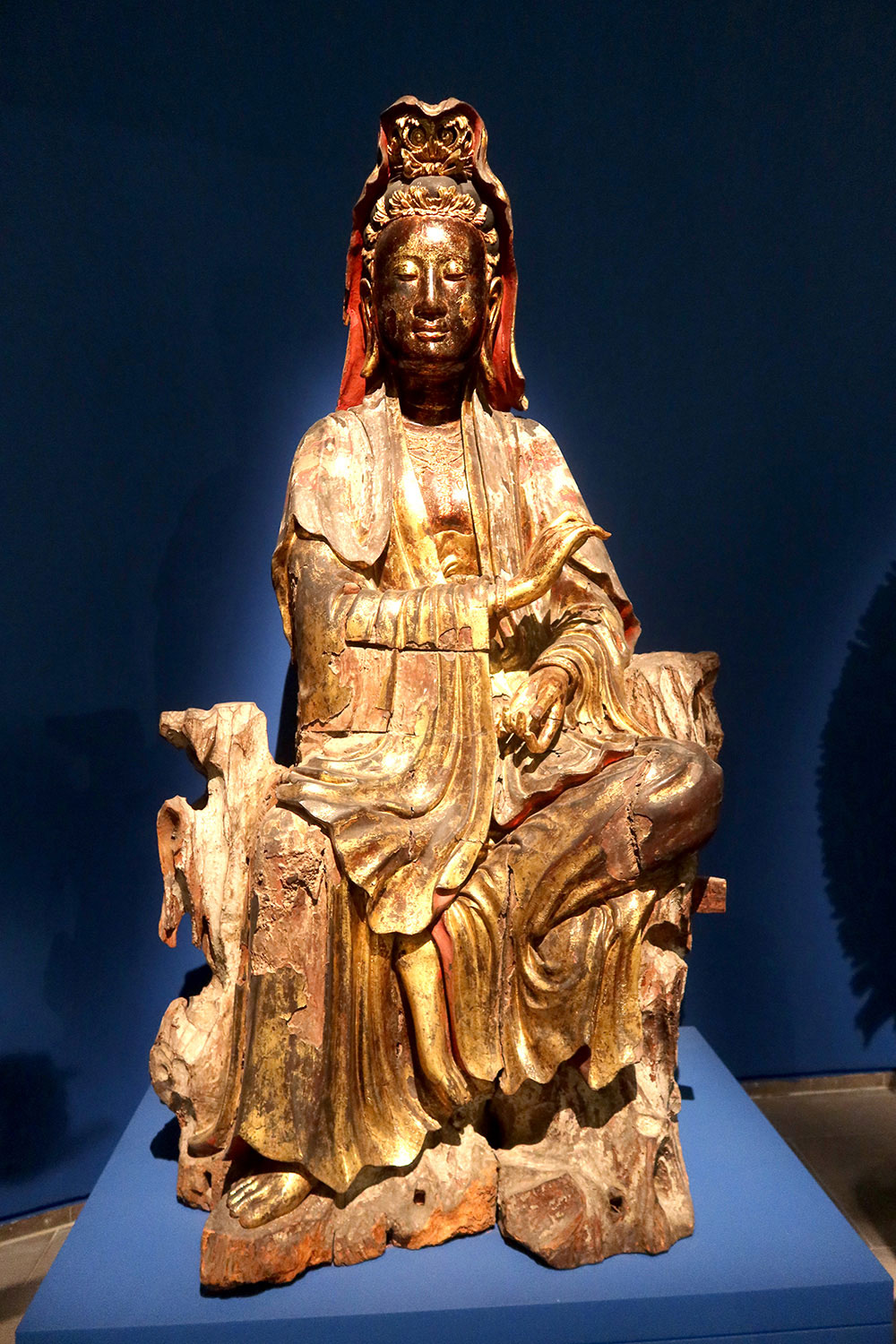
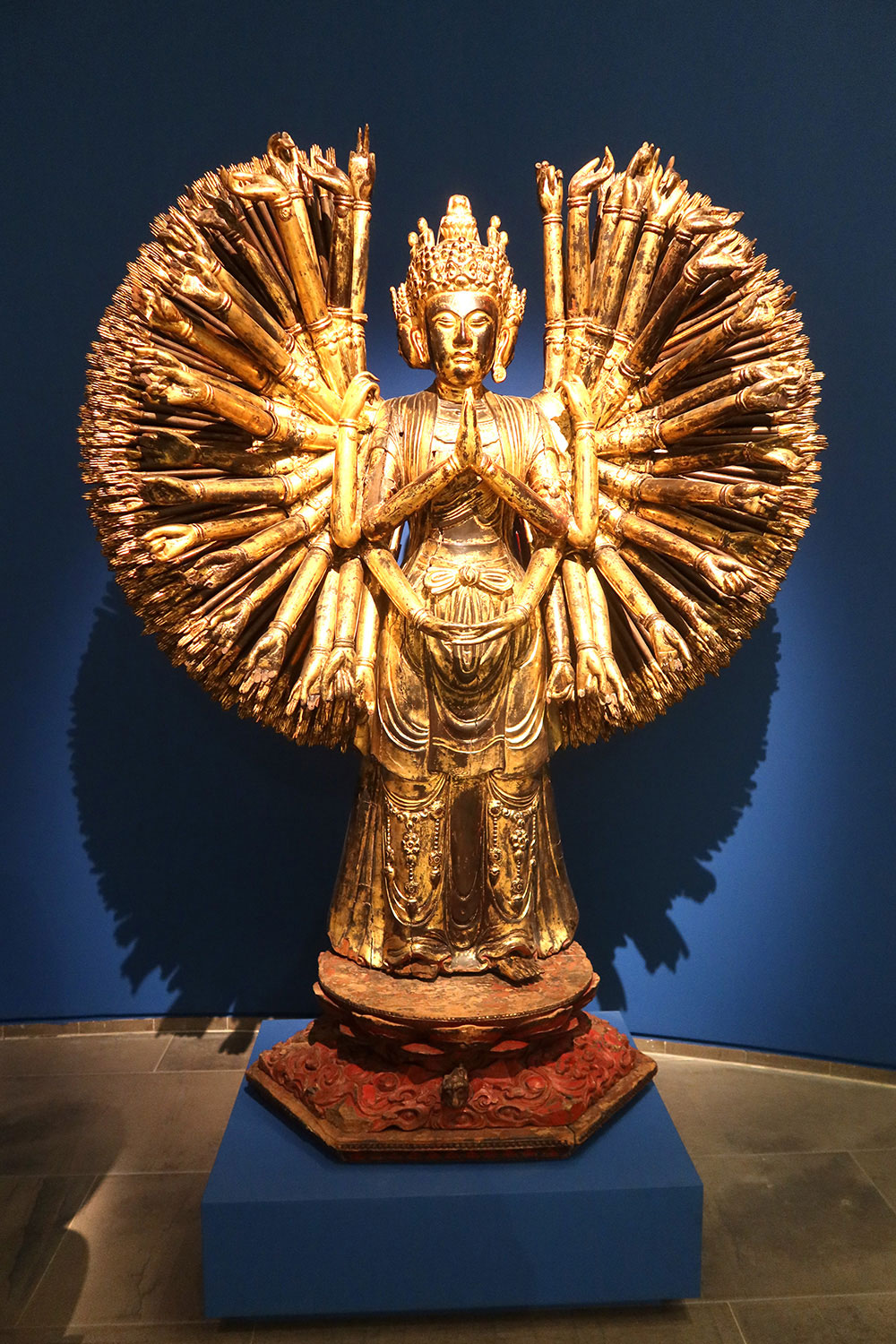
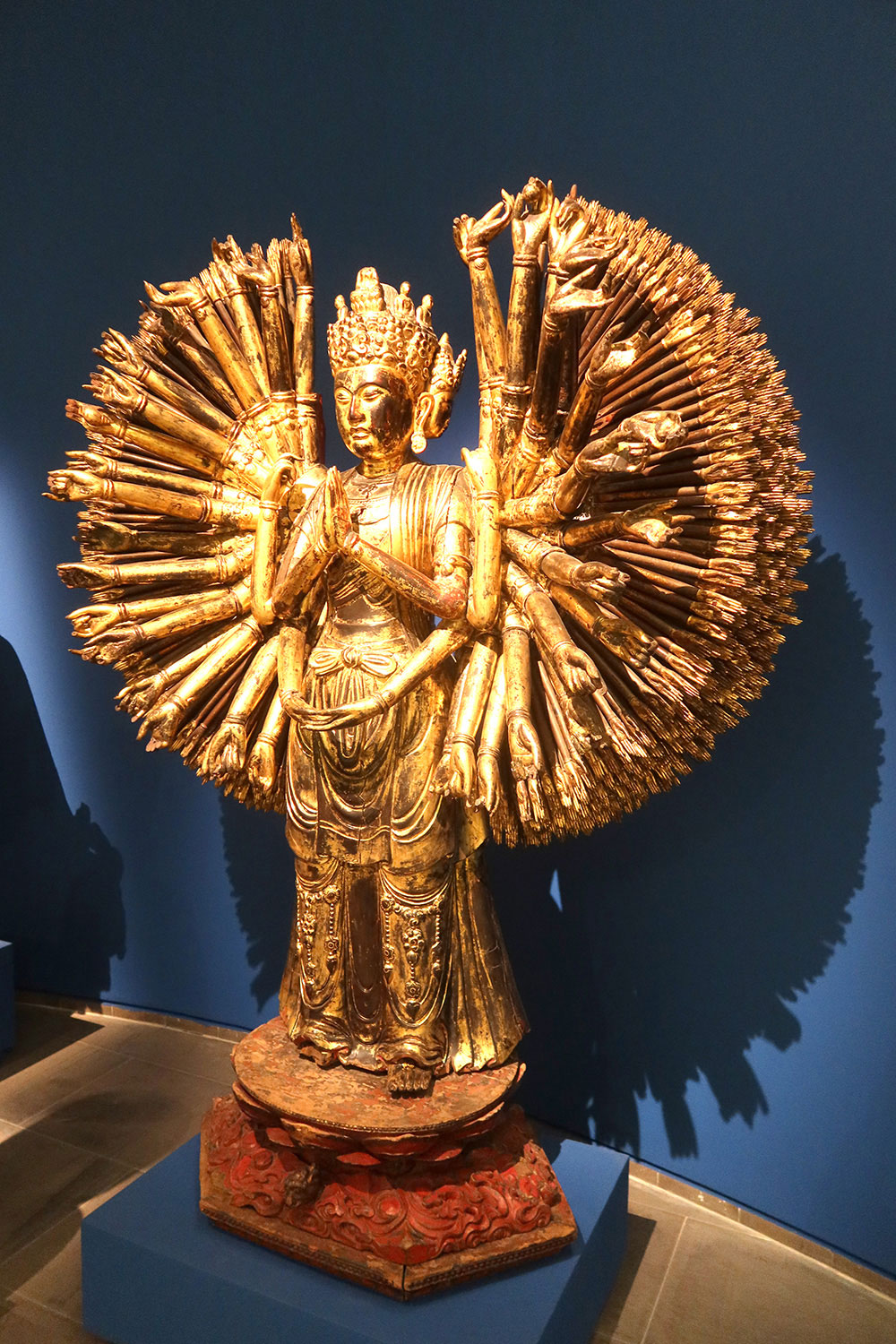
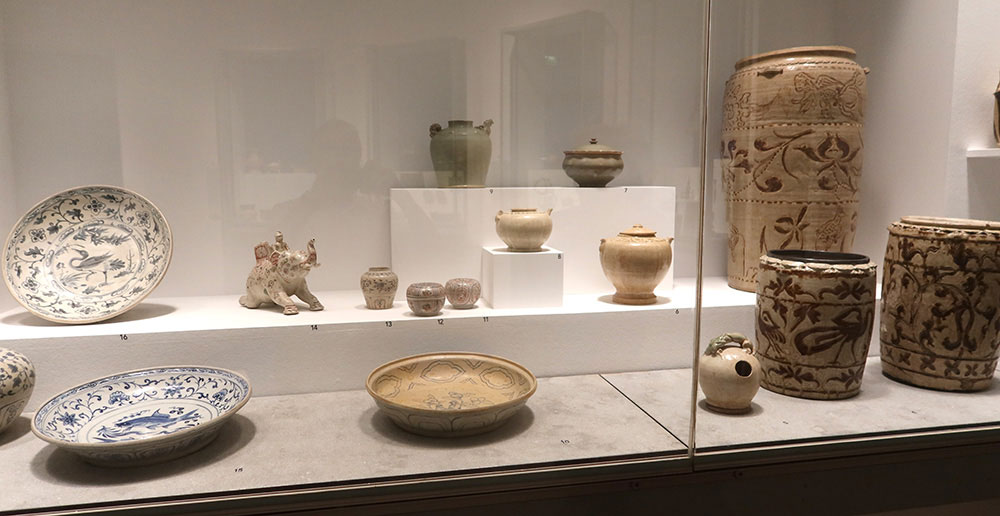
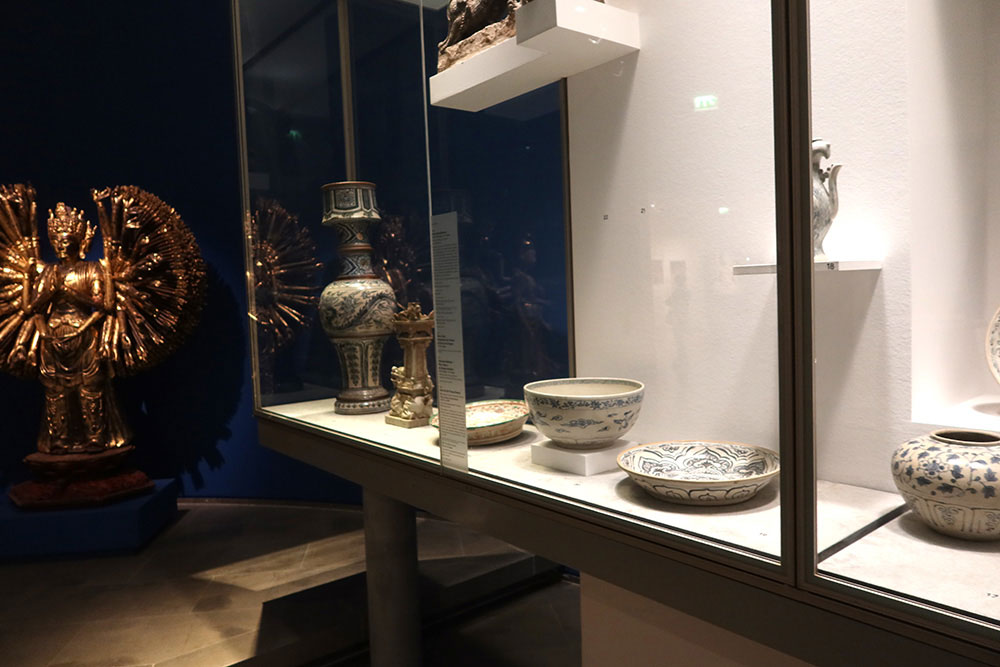
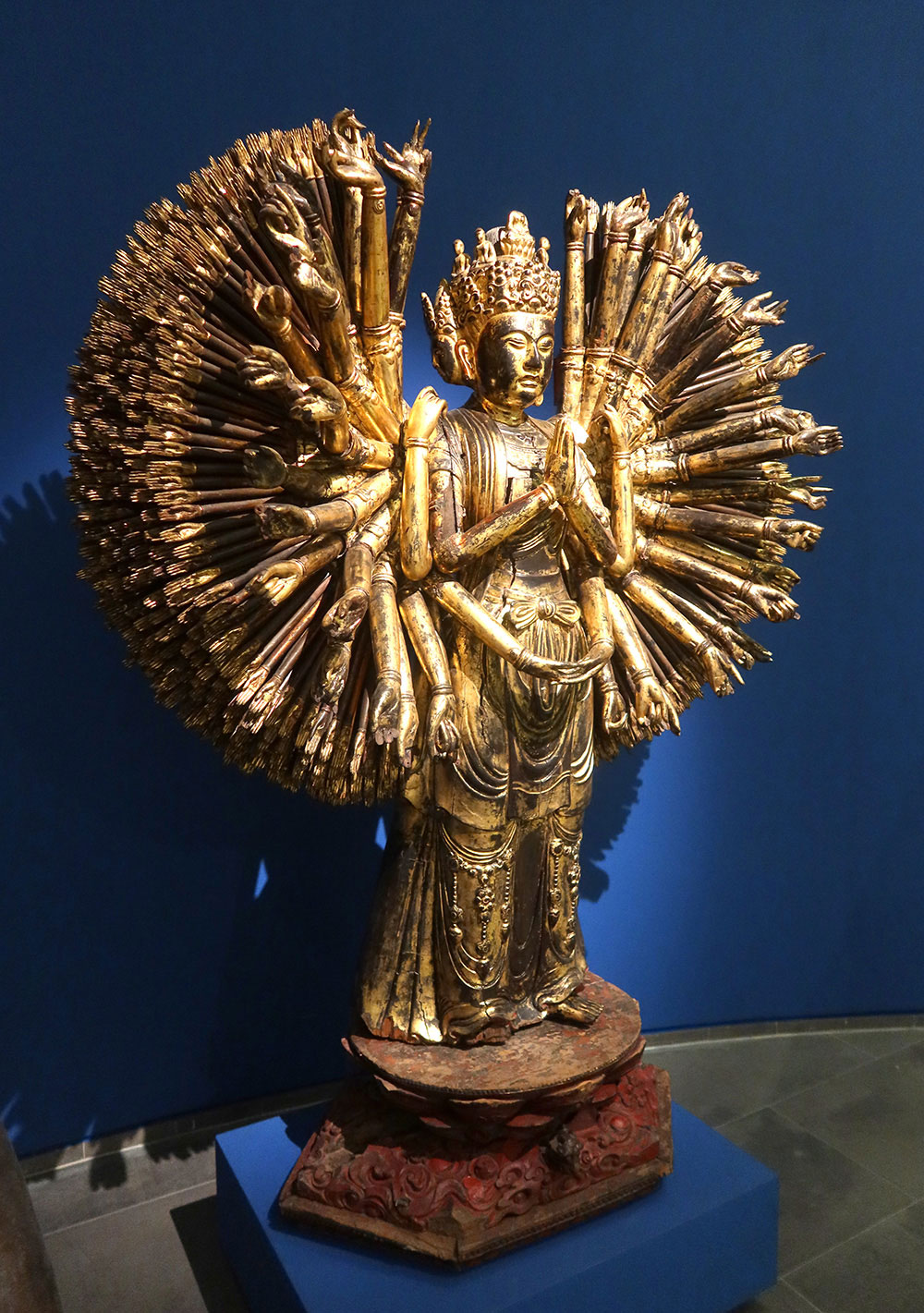
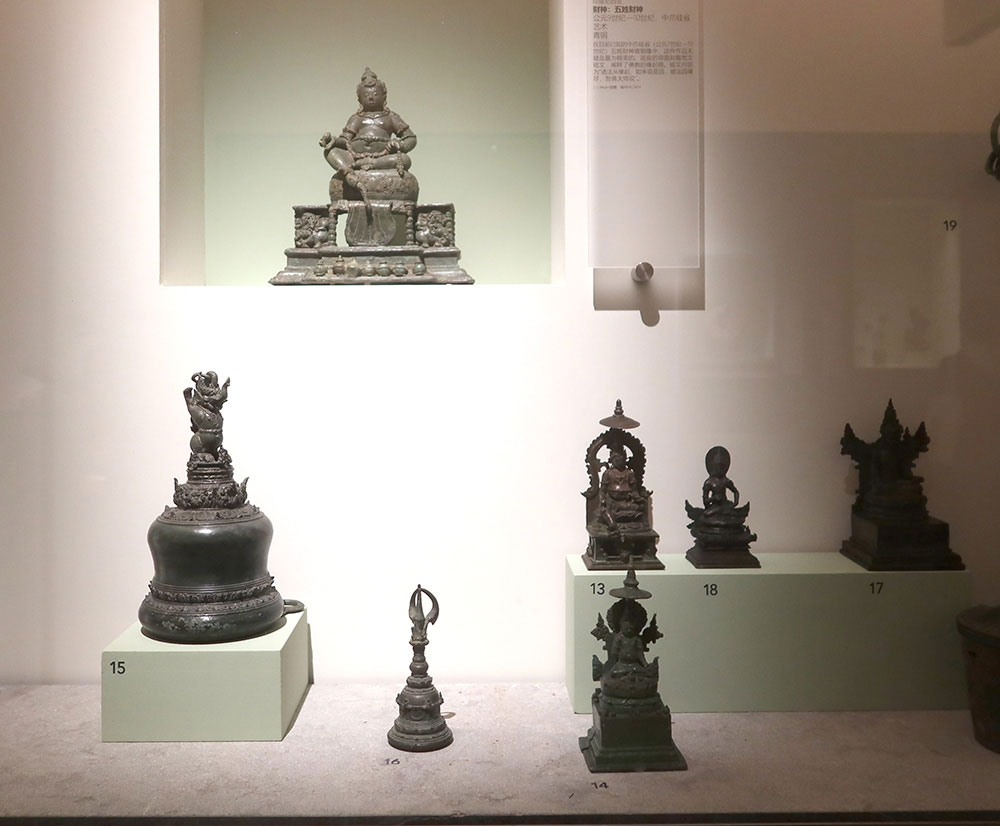
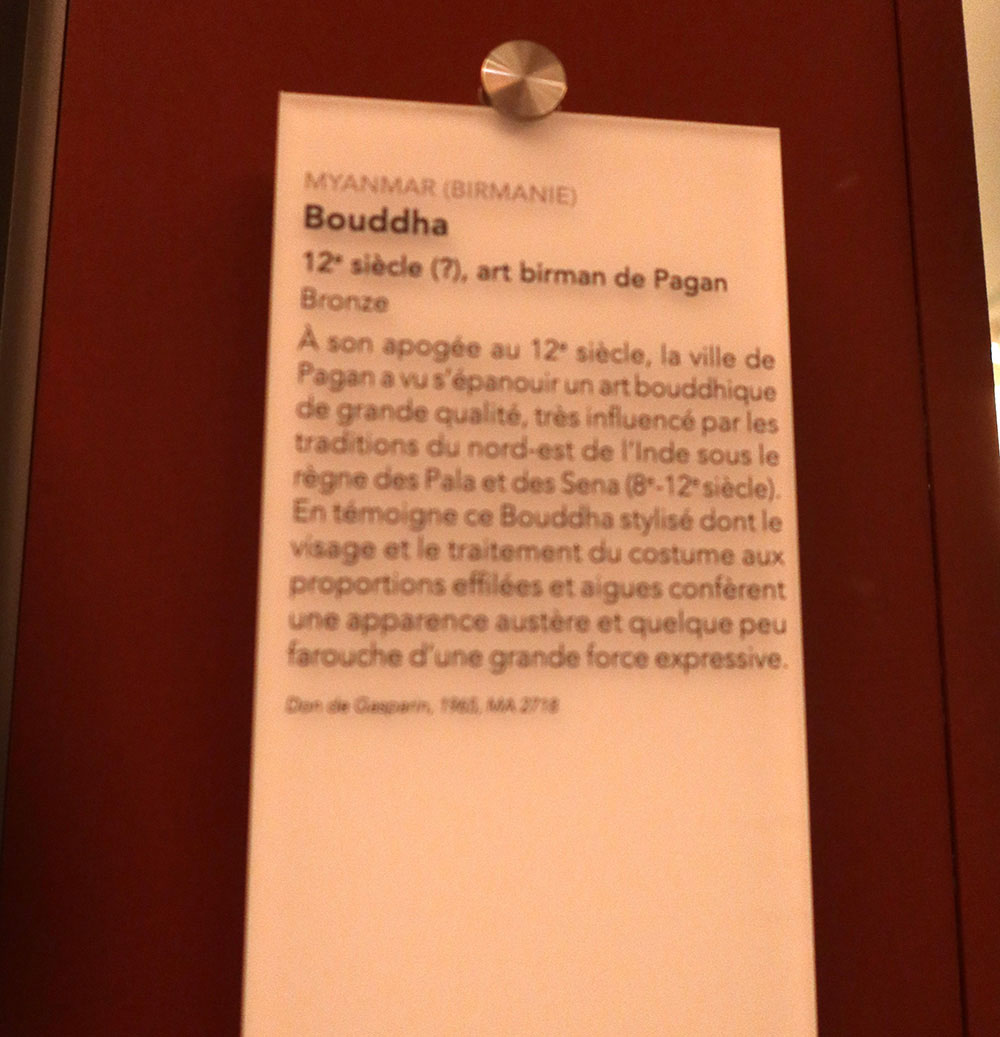
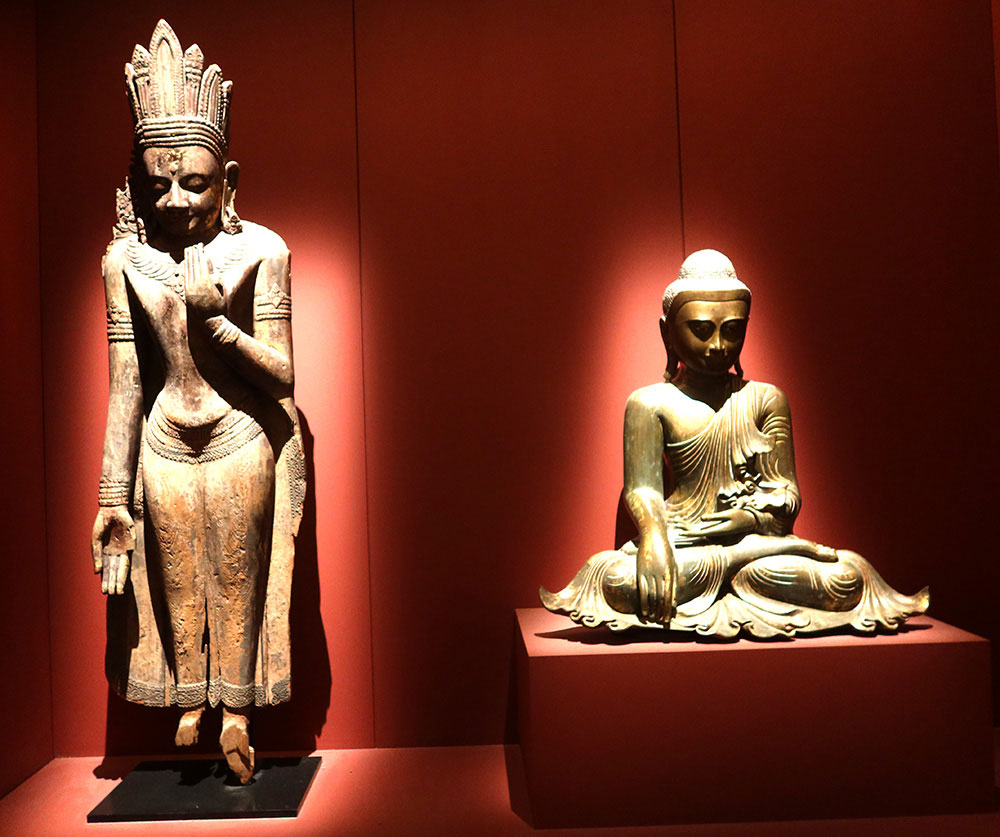
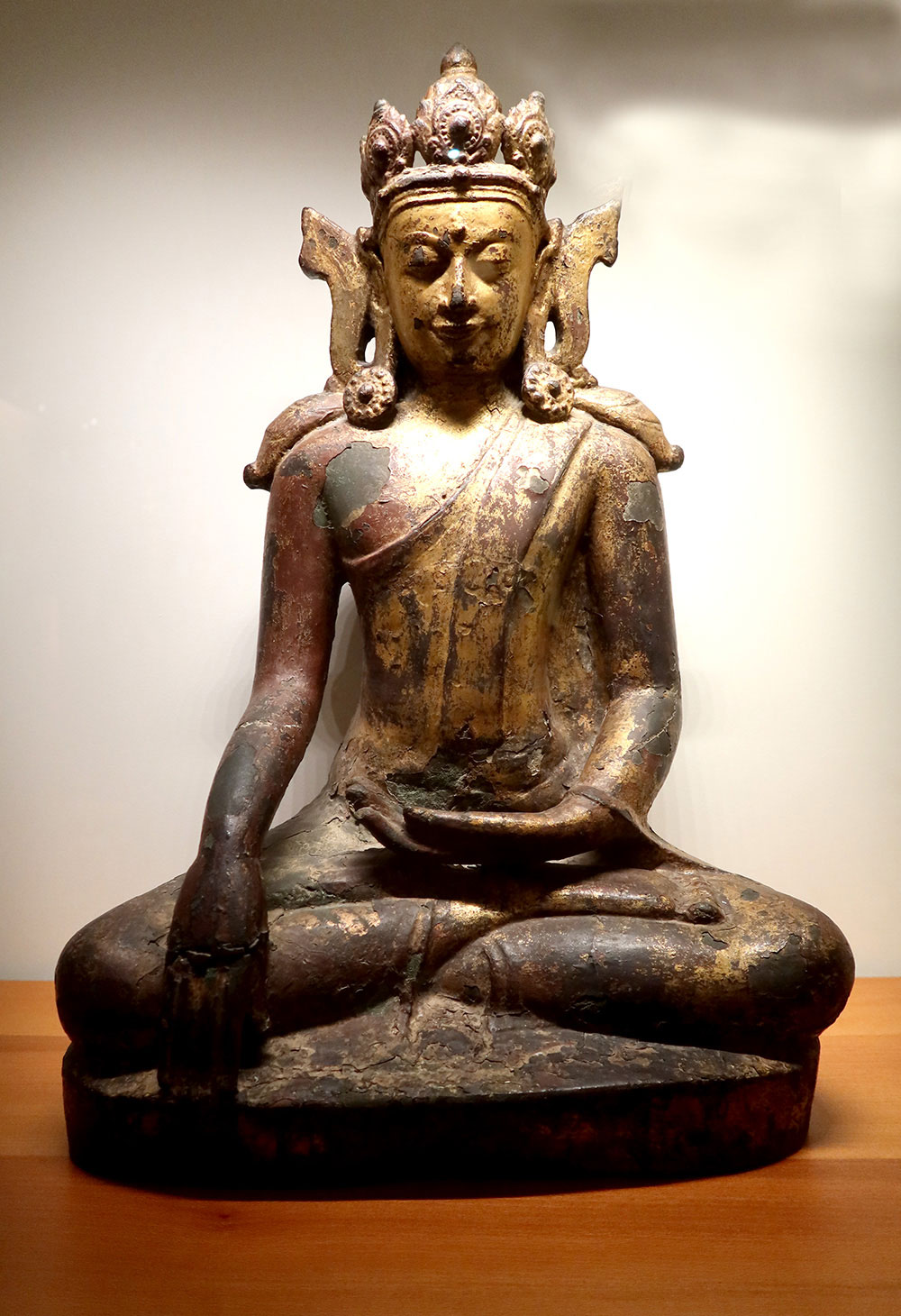
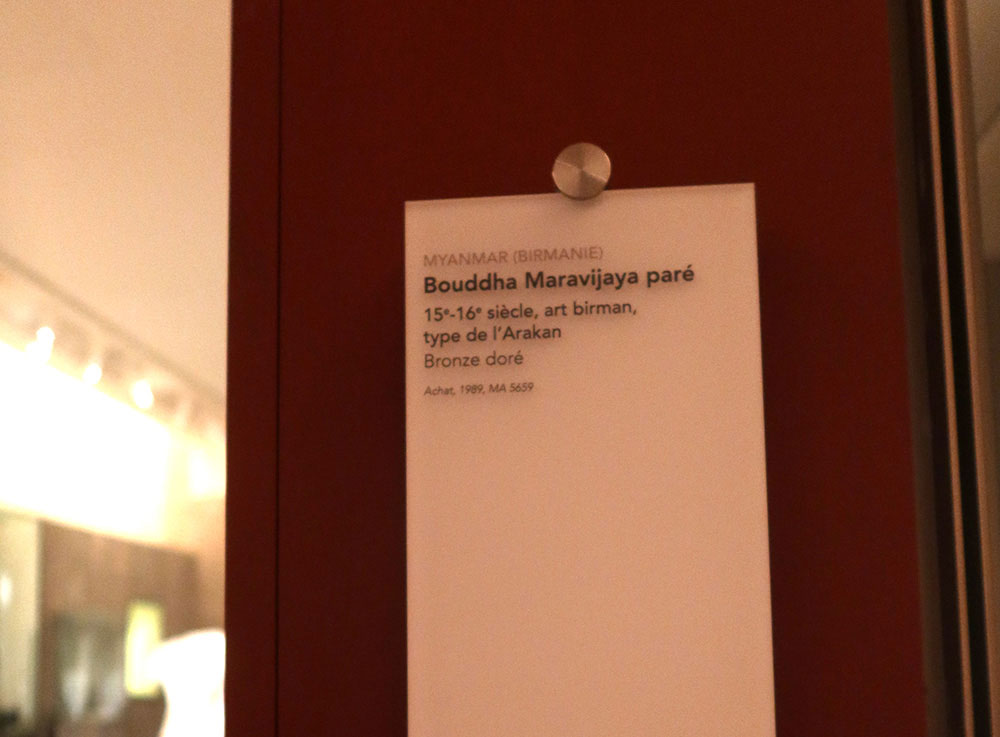
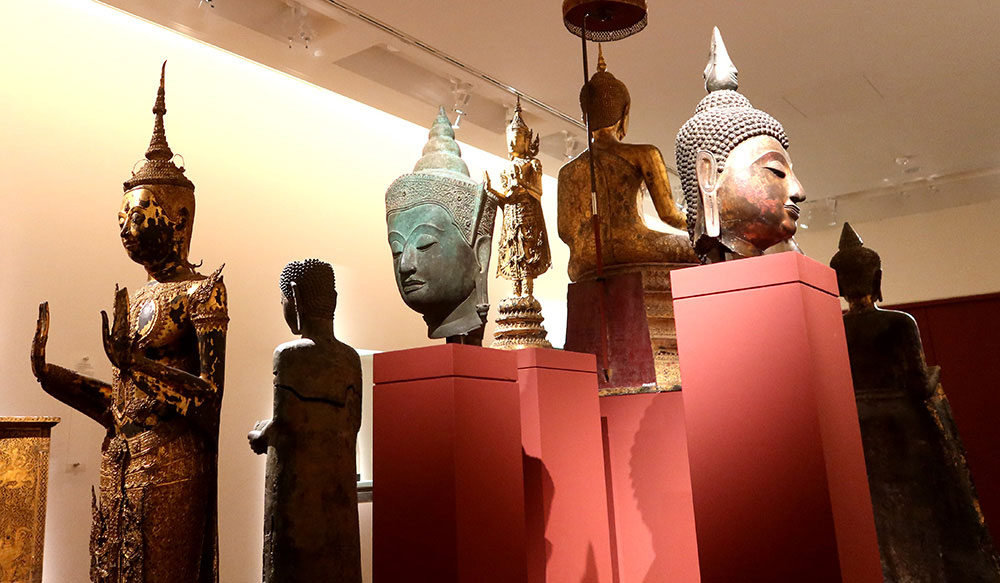
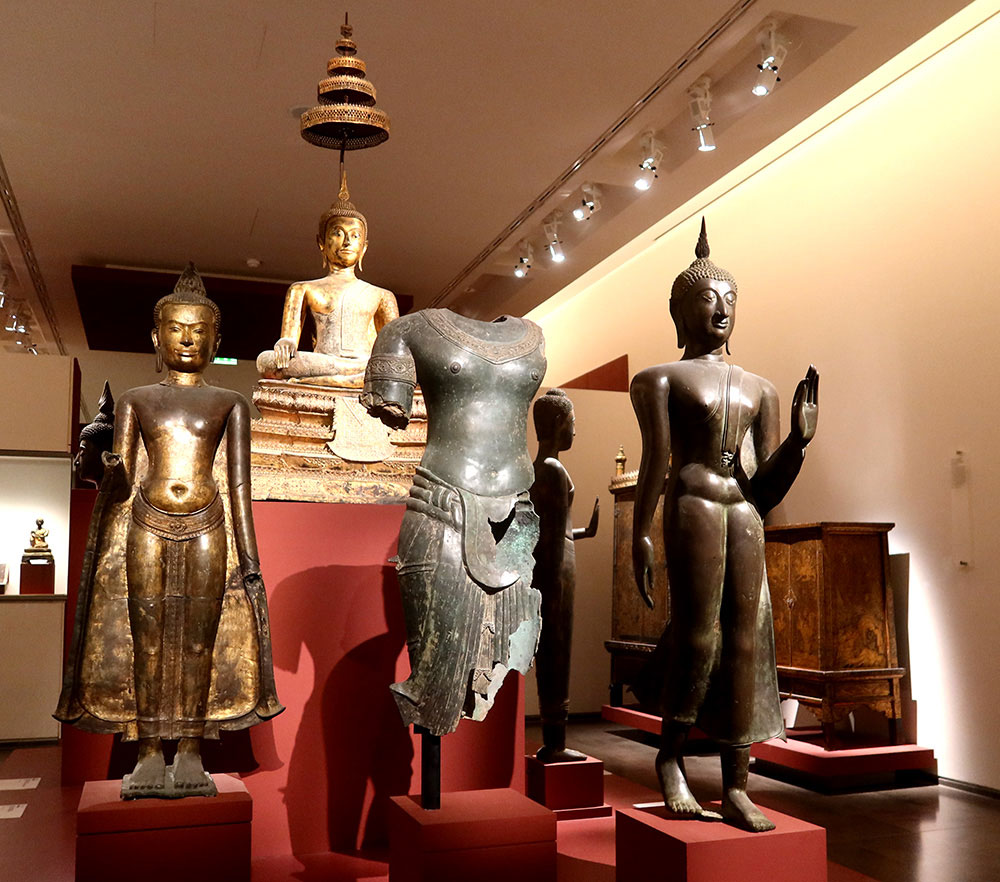
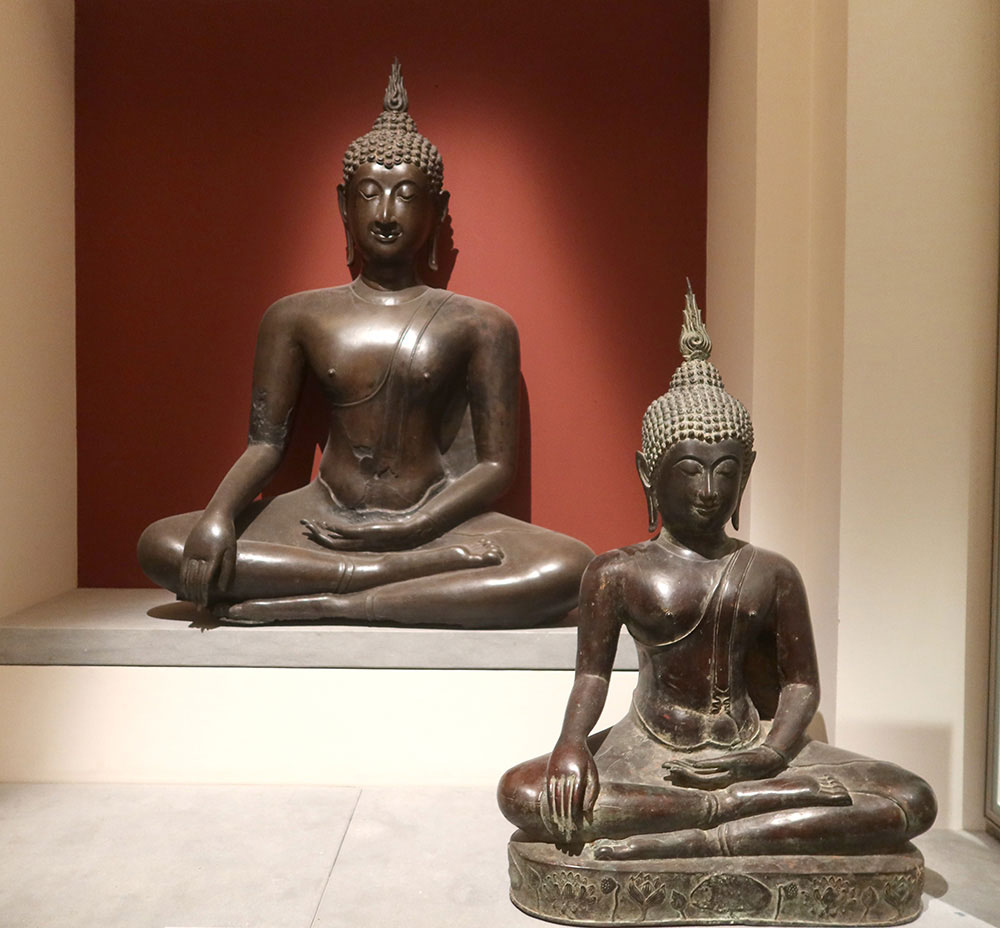
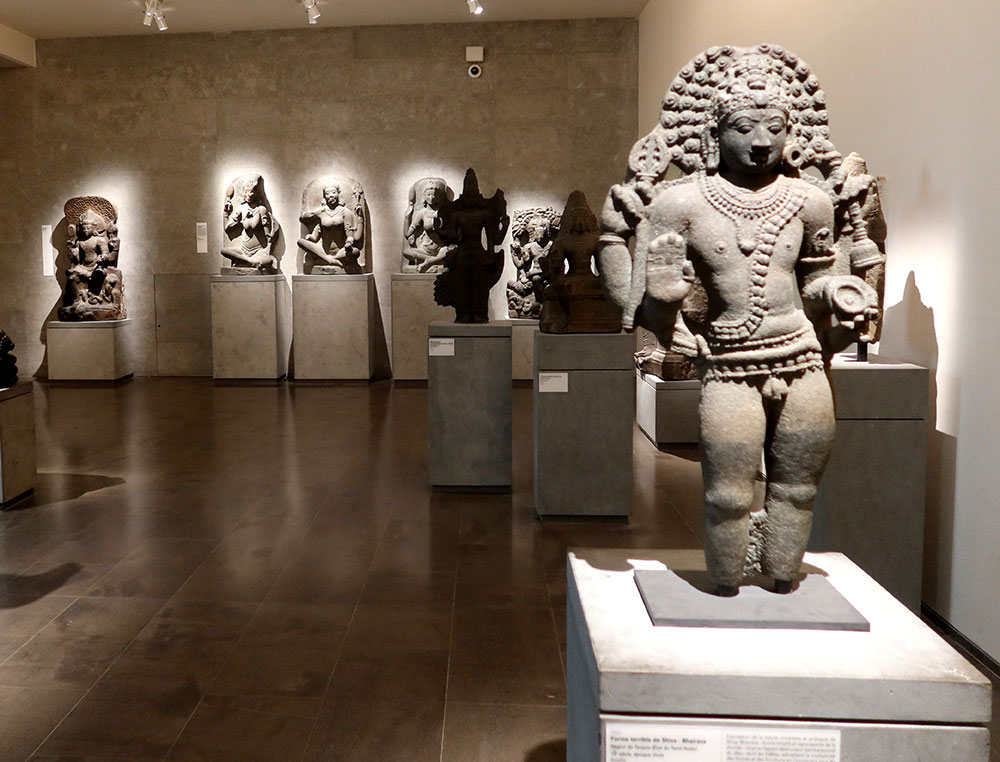
The Musée Guimet holds more than 60,000 objects, with some 500,000 photographs in its archives, and presents approximately 15,000 works to the public at any one time. The permanent galleries are organised geographically, proceeding from Afghanistan and Pakistan through South and Southeast Asia, Central Asia, China, Korea, and Japan, and are intended to allow visitors to read formal and iconographic connections across traditions as well as within individual cultures.
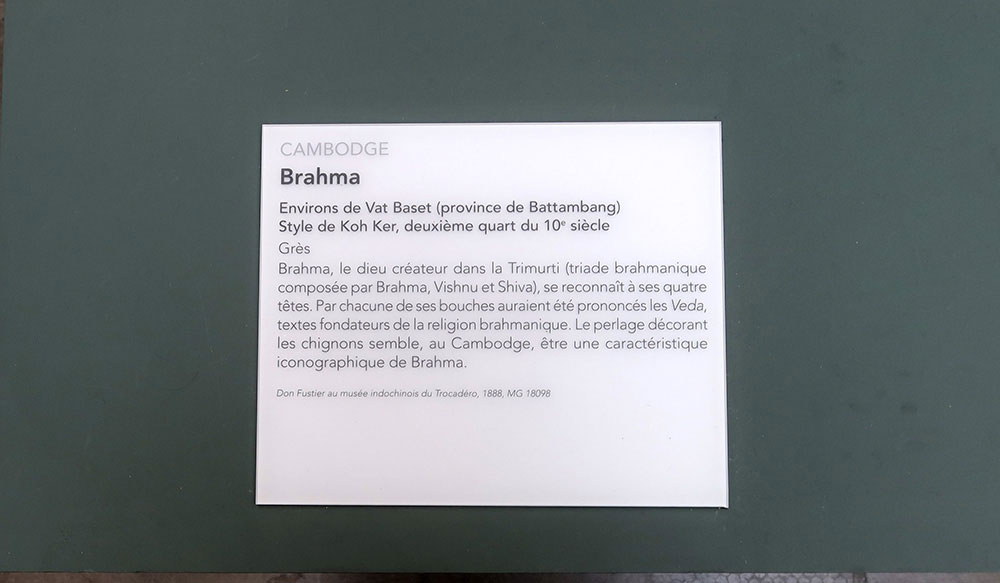
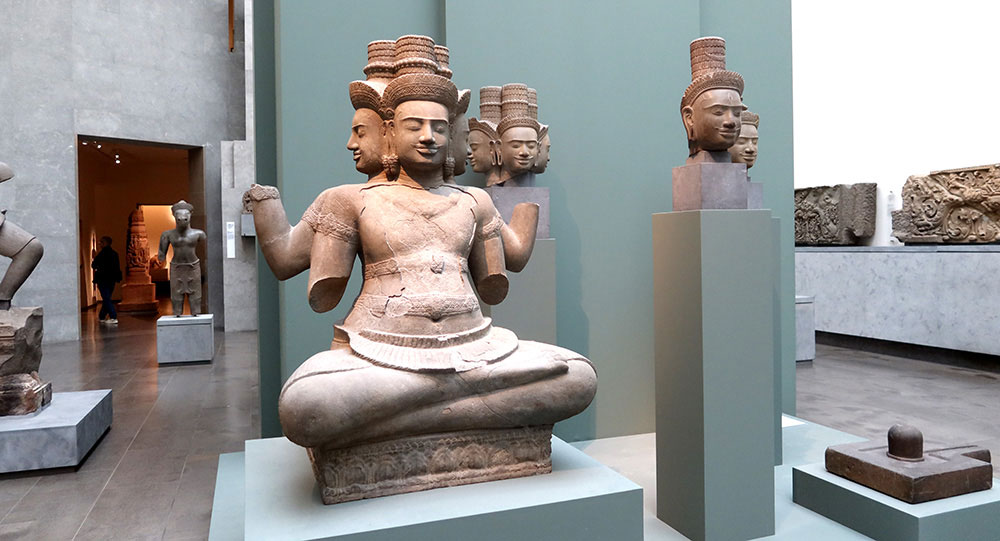
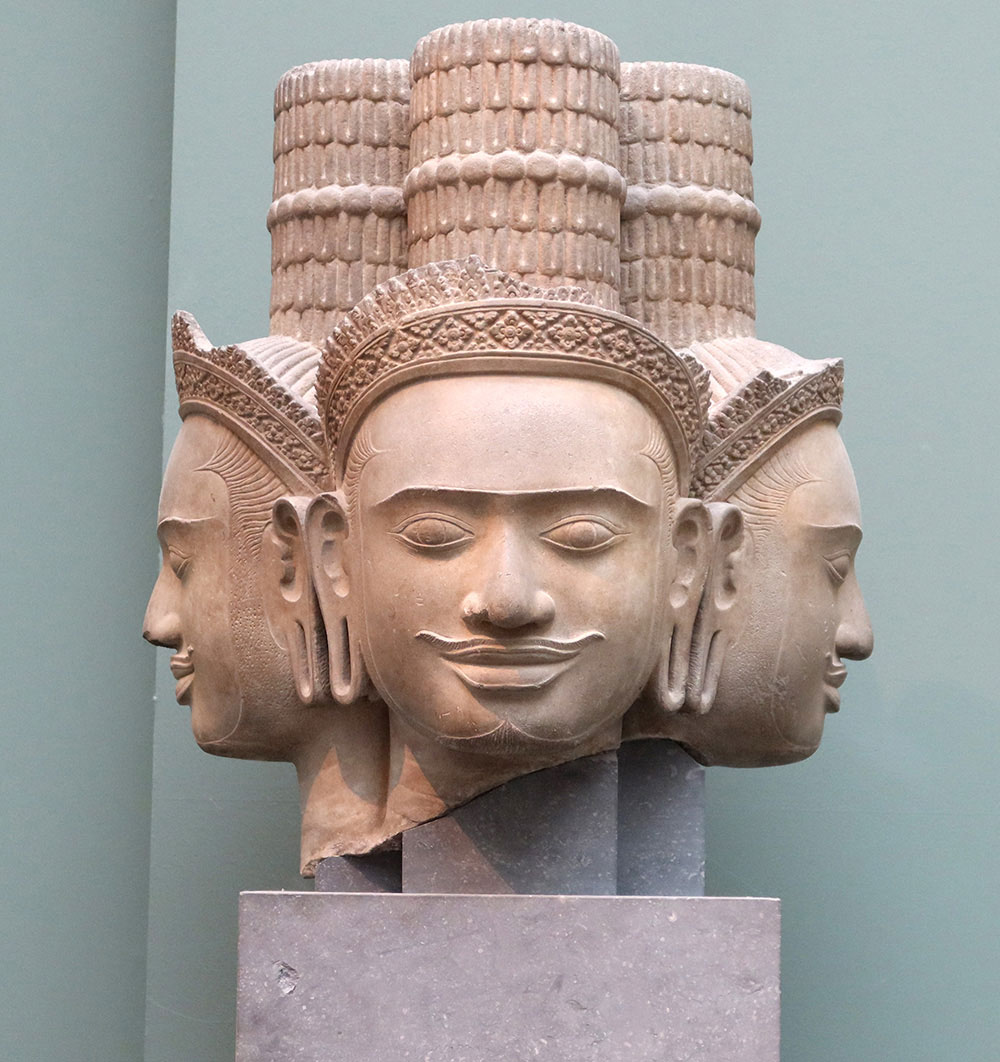
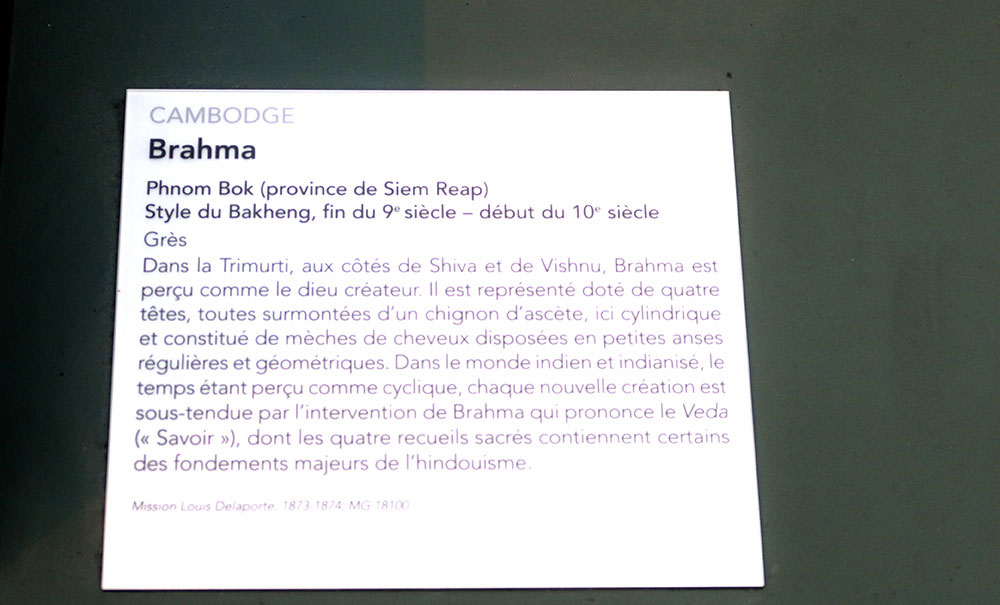
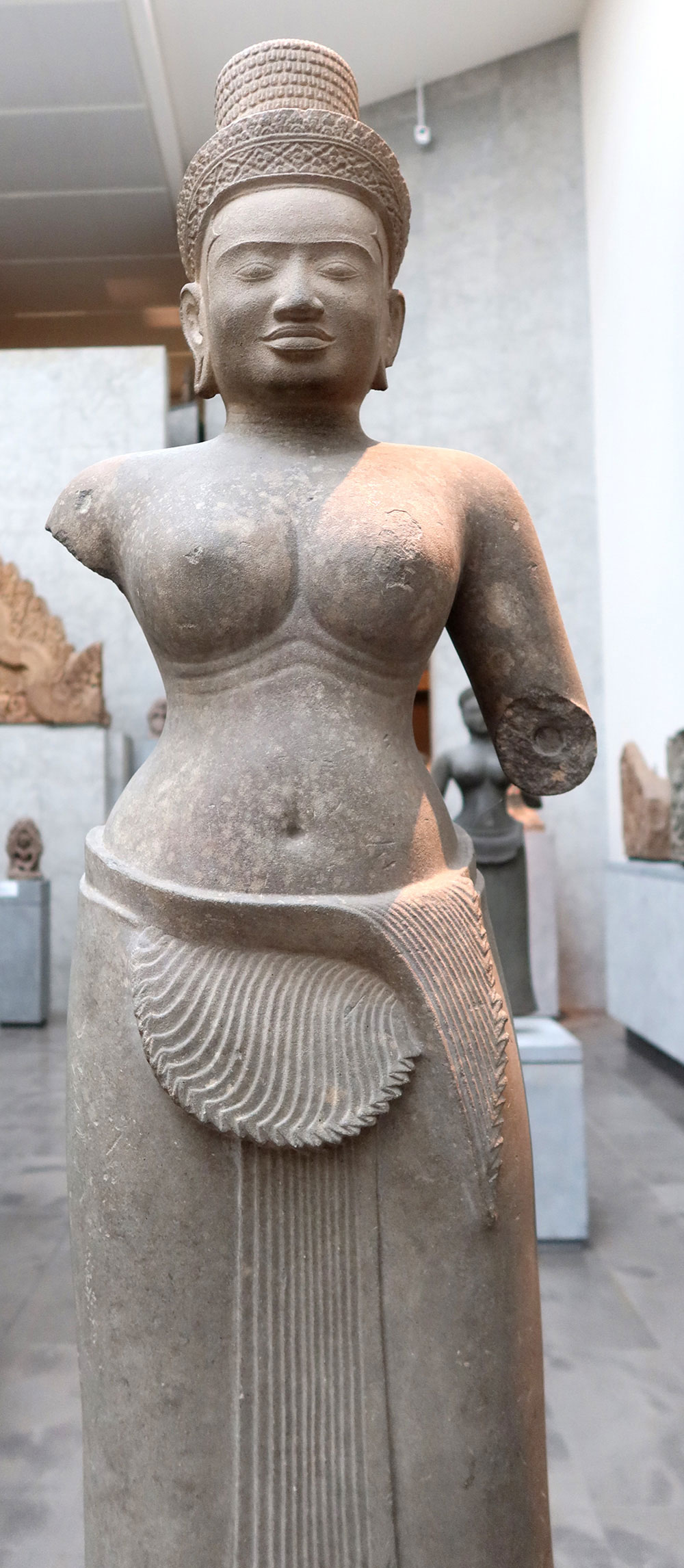
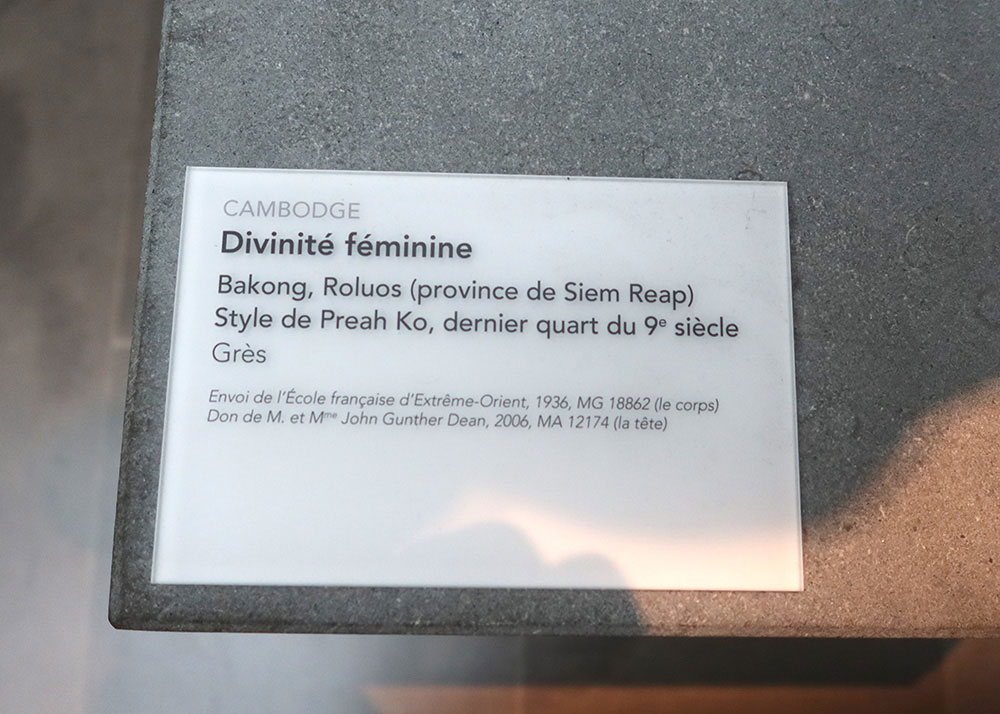
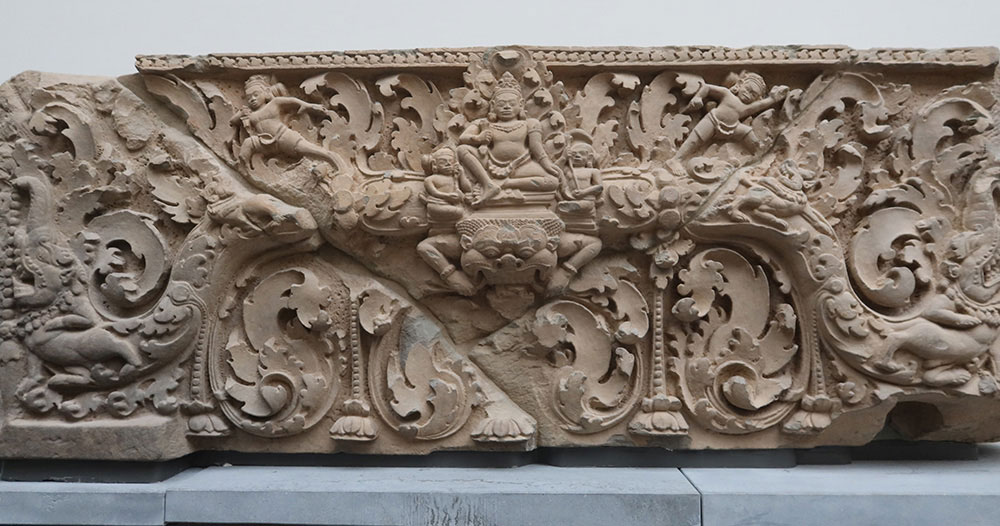
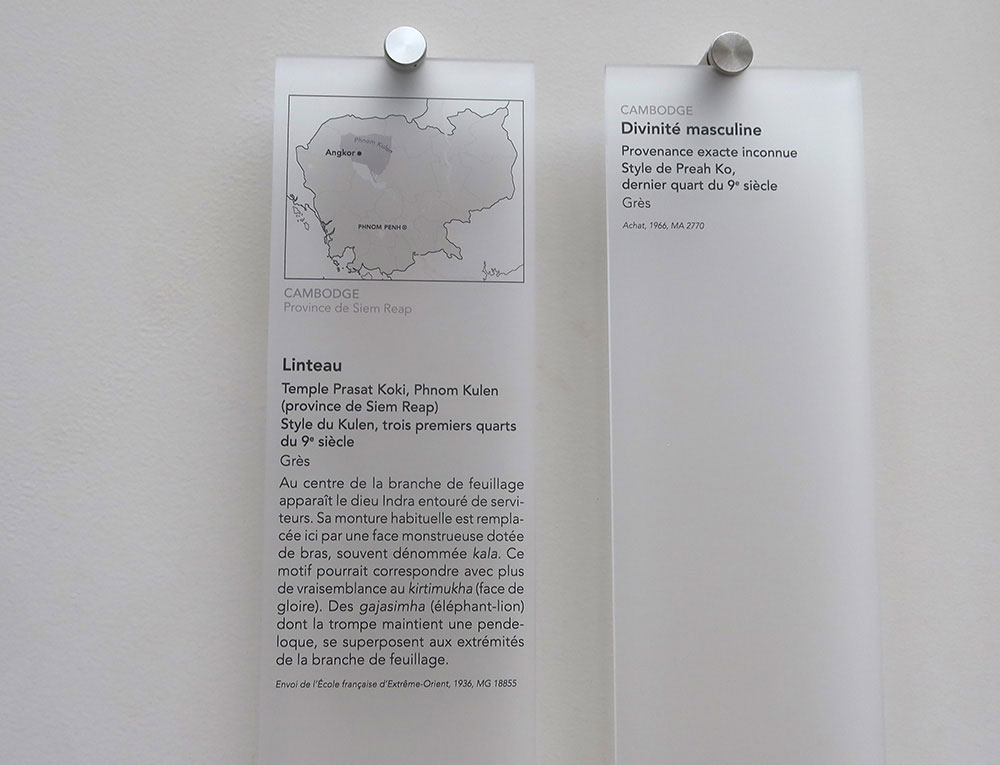
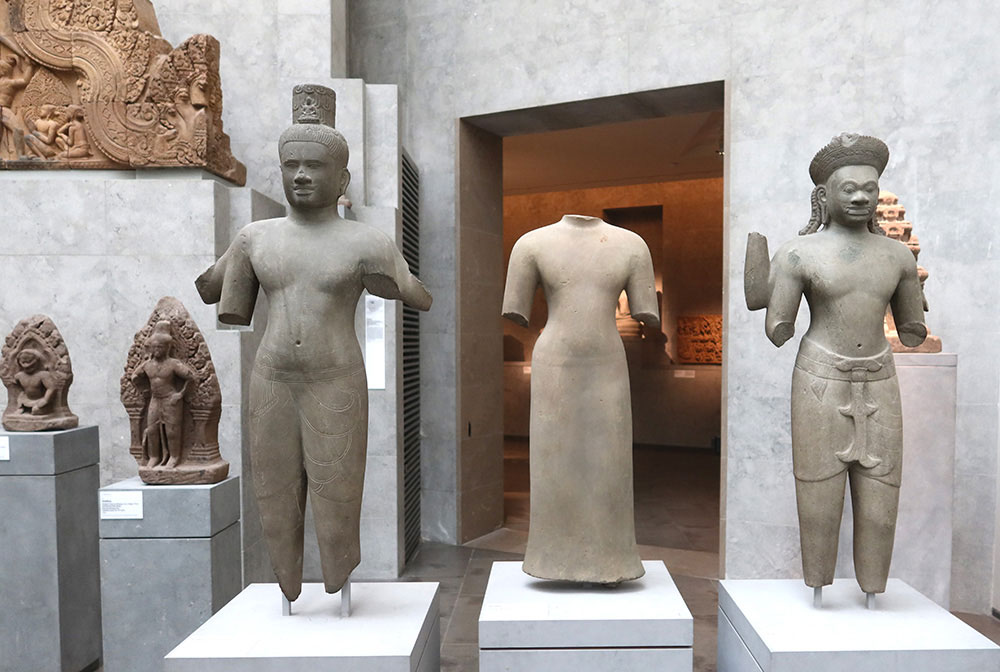
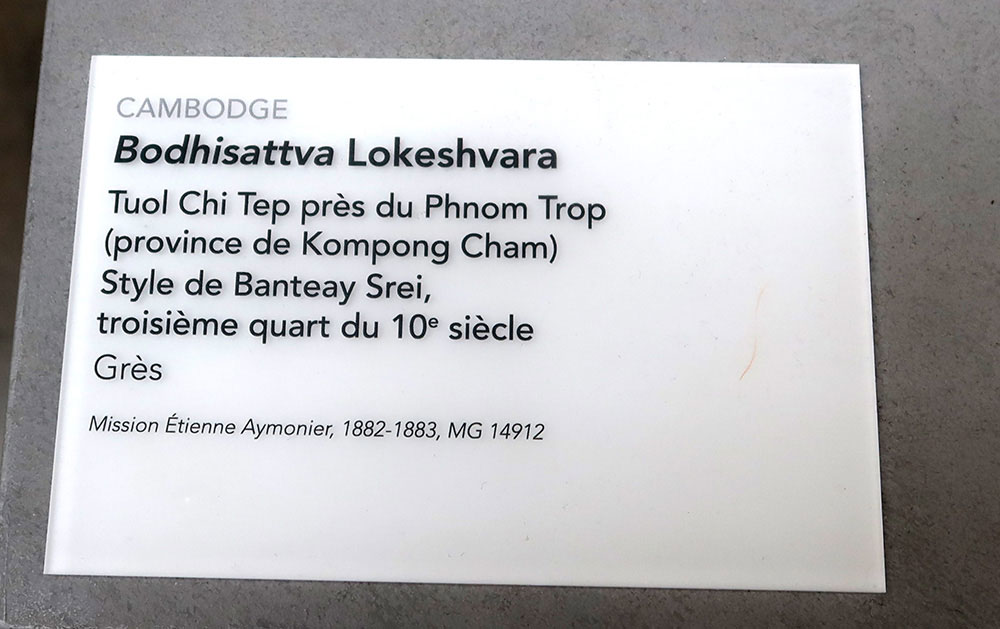
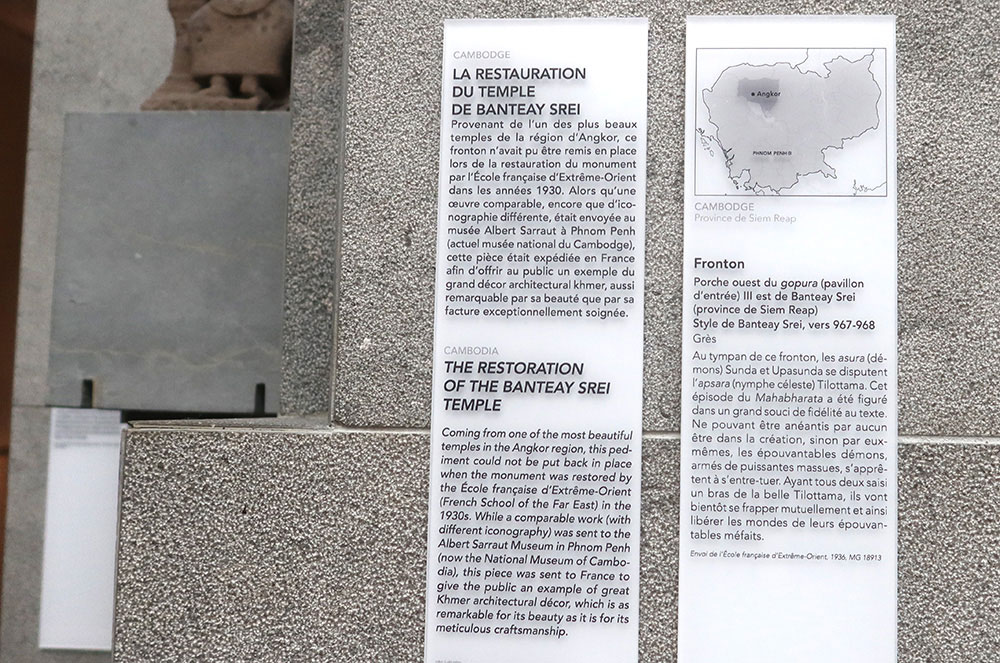
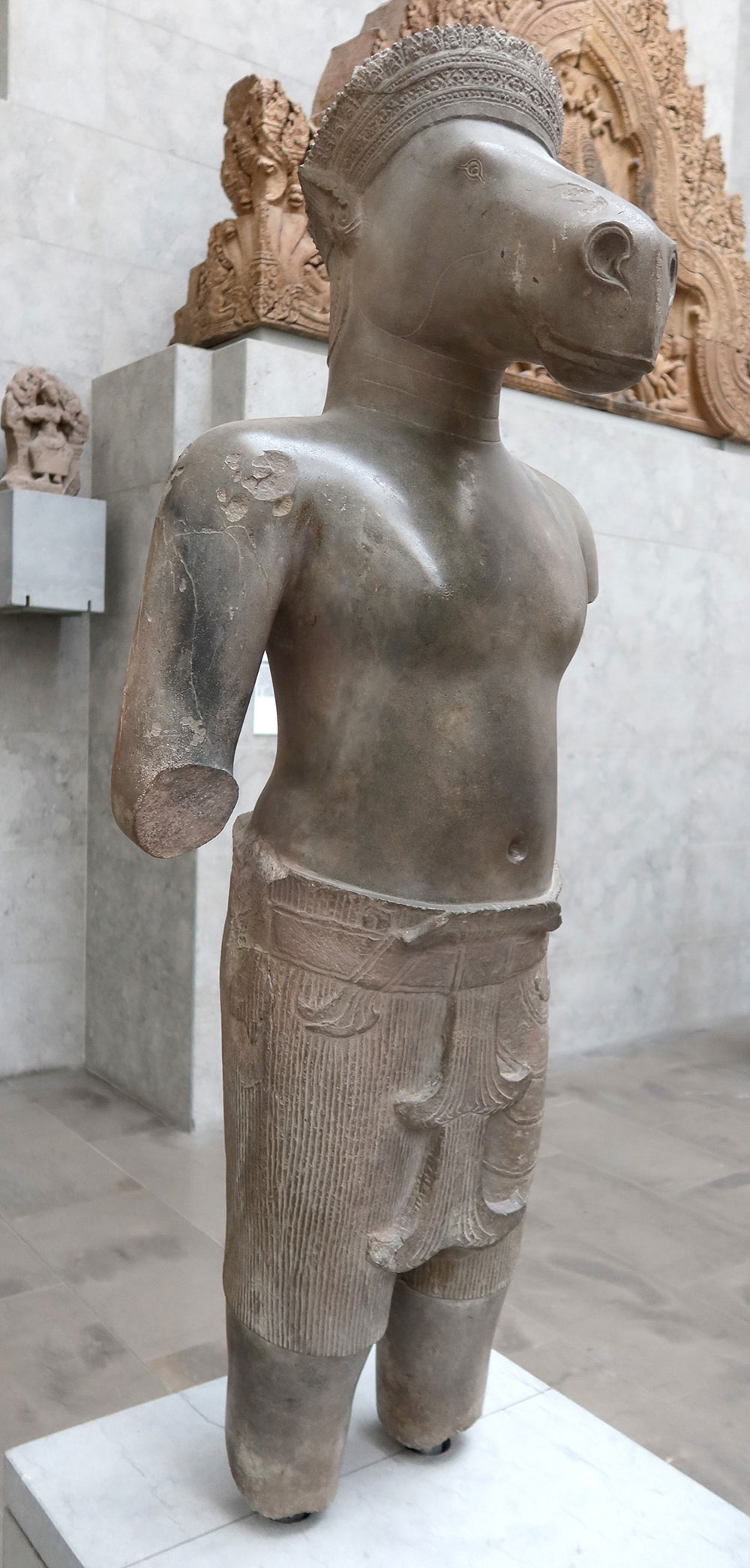
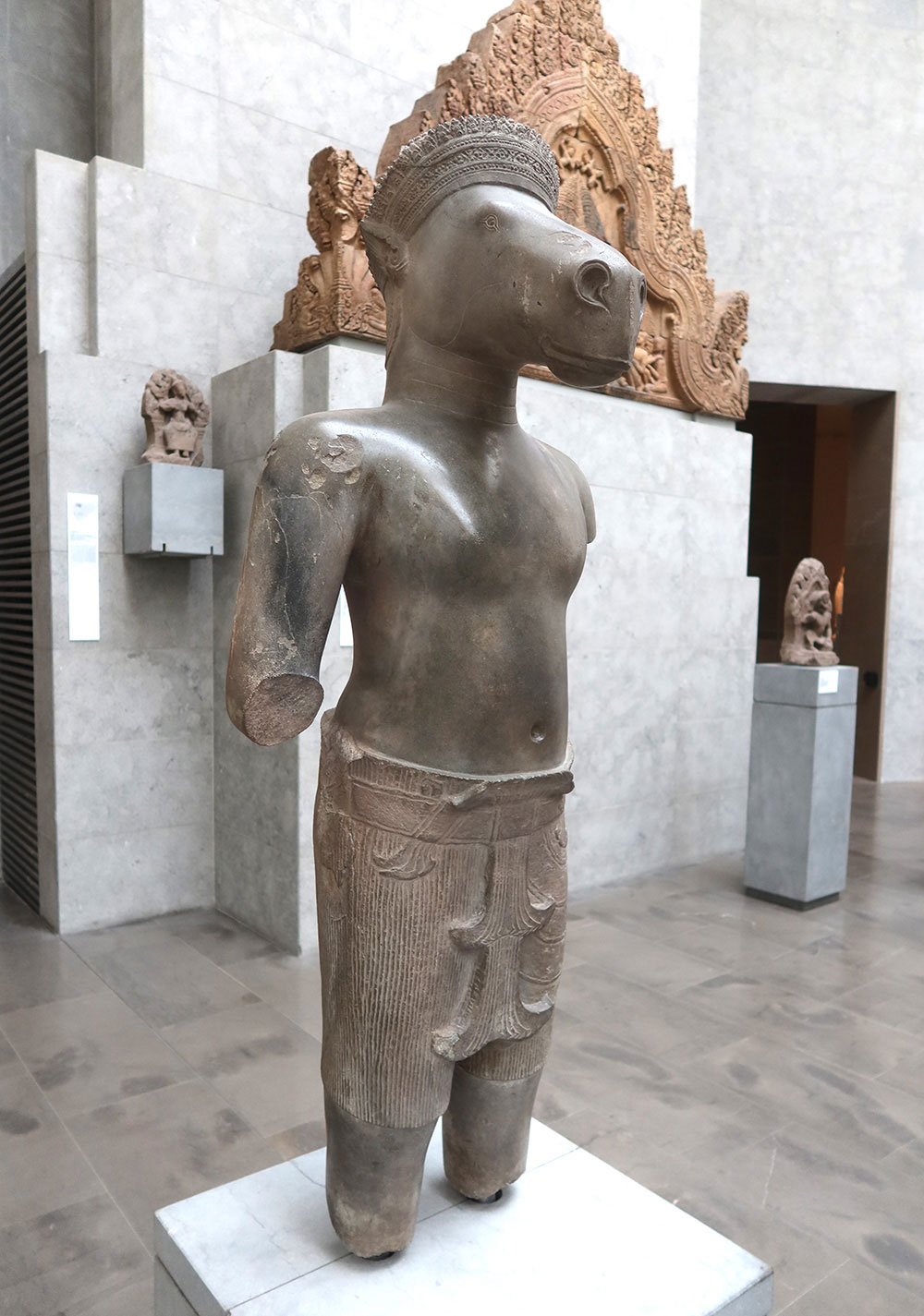
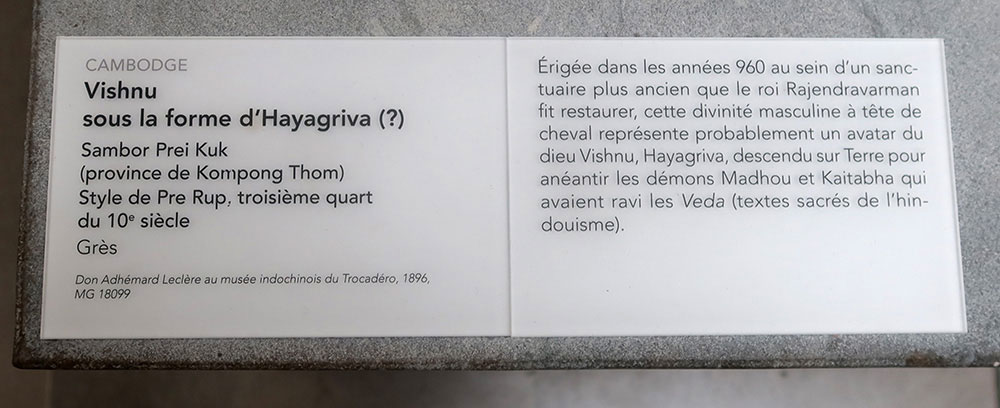
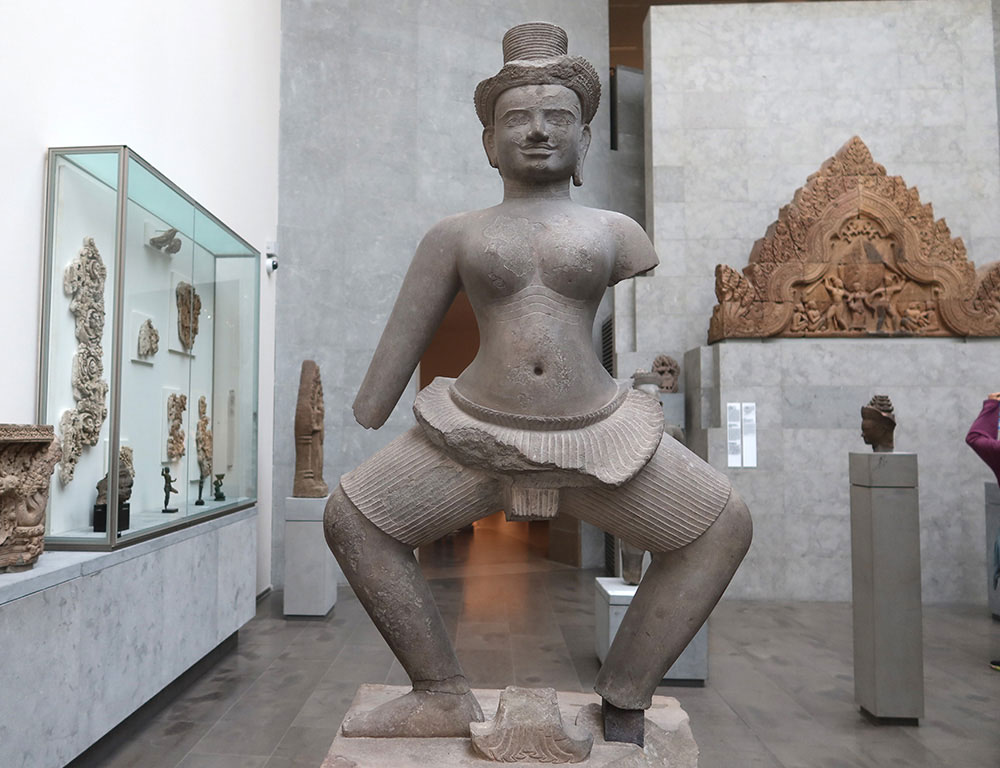
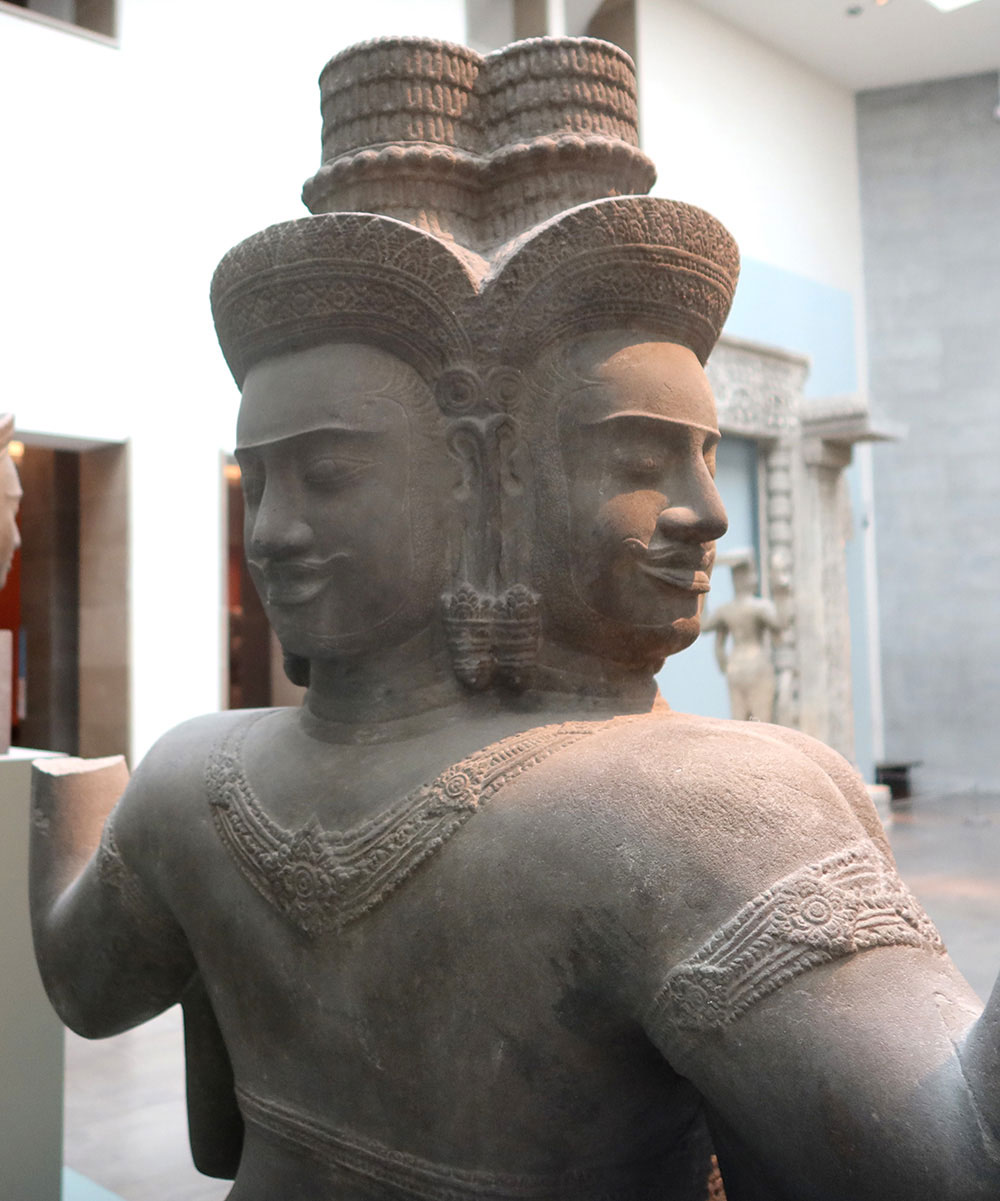
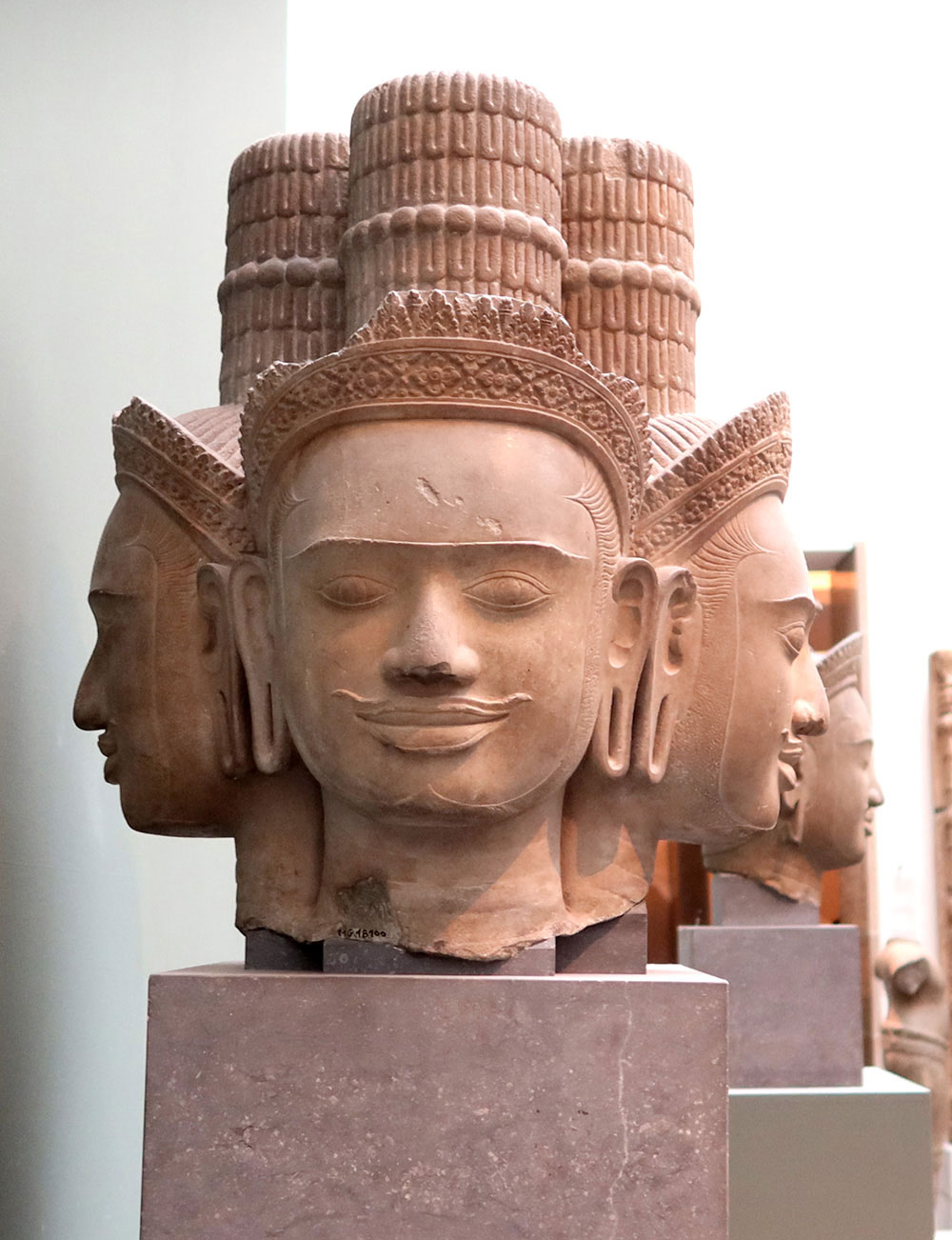
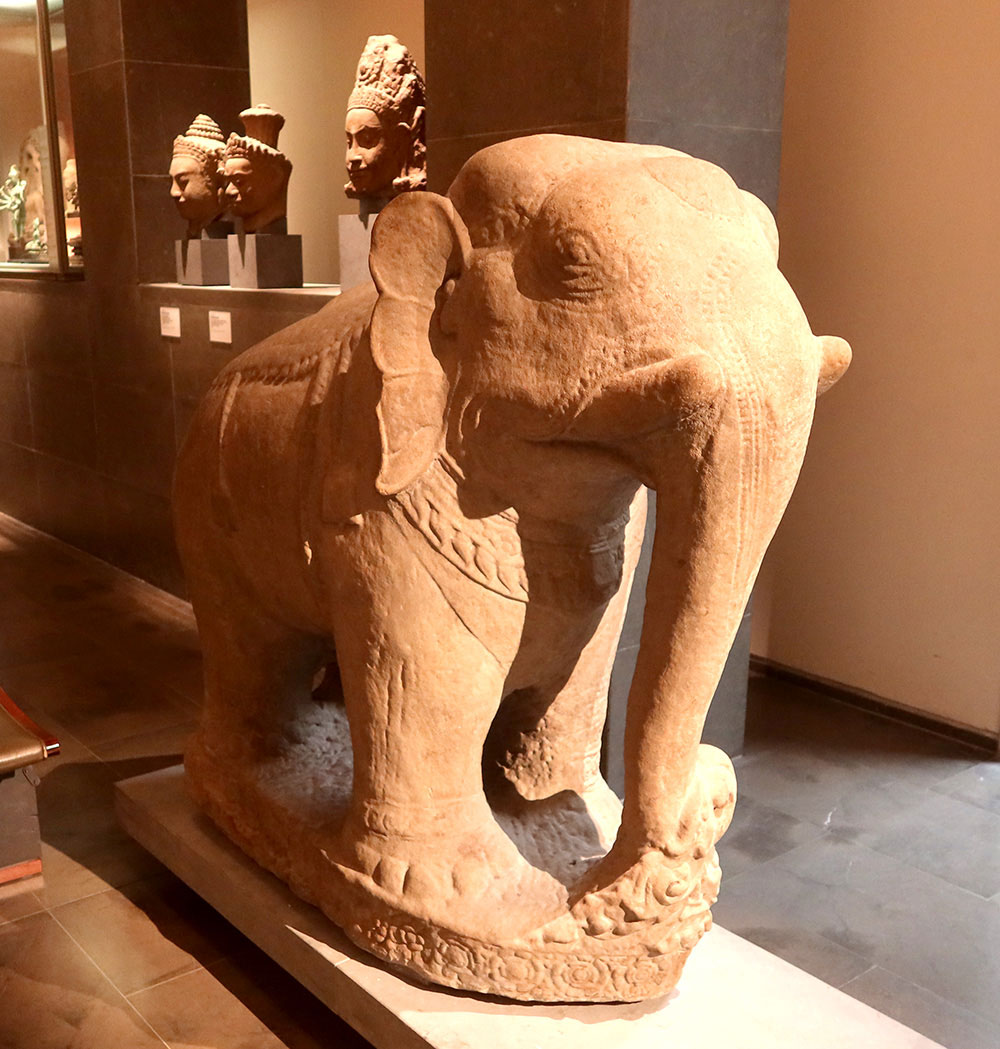
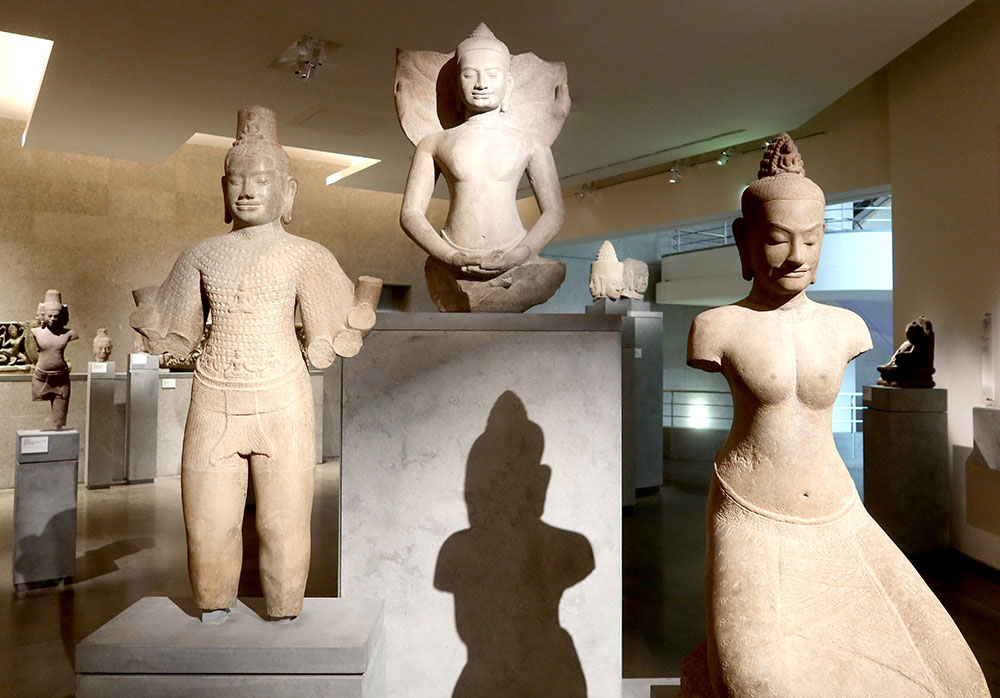
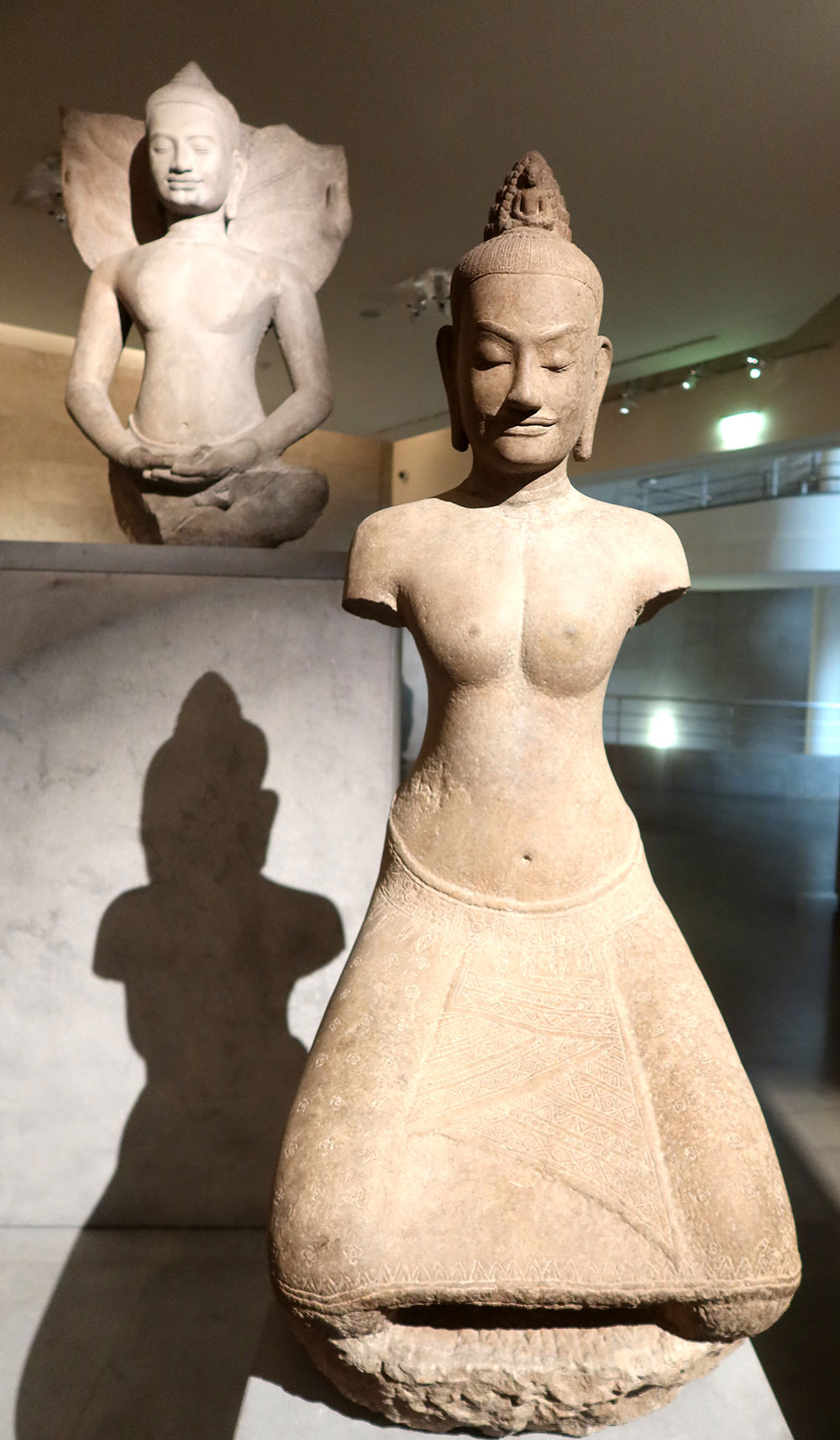
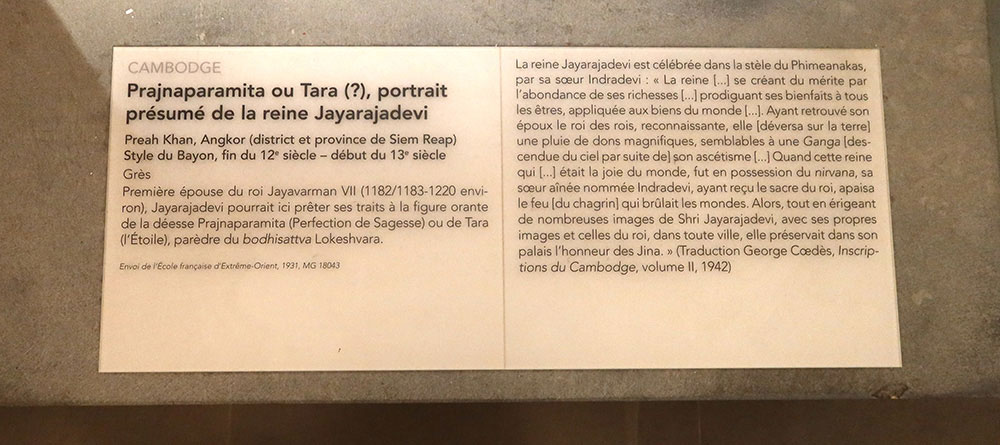
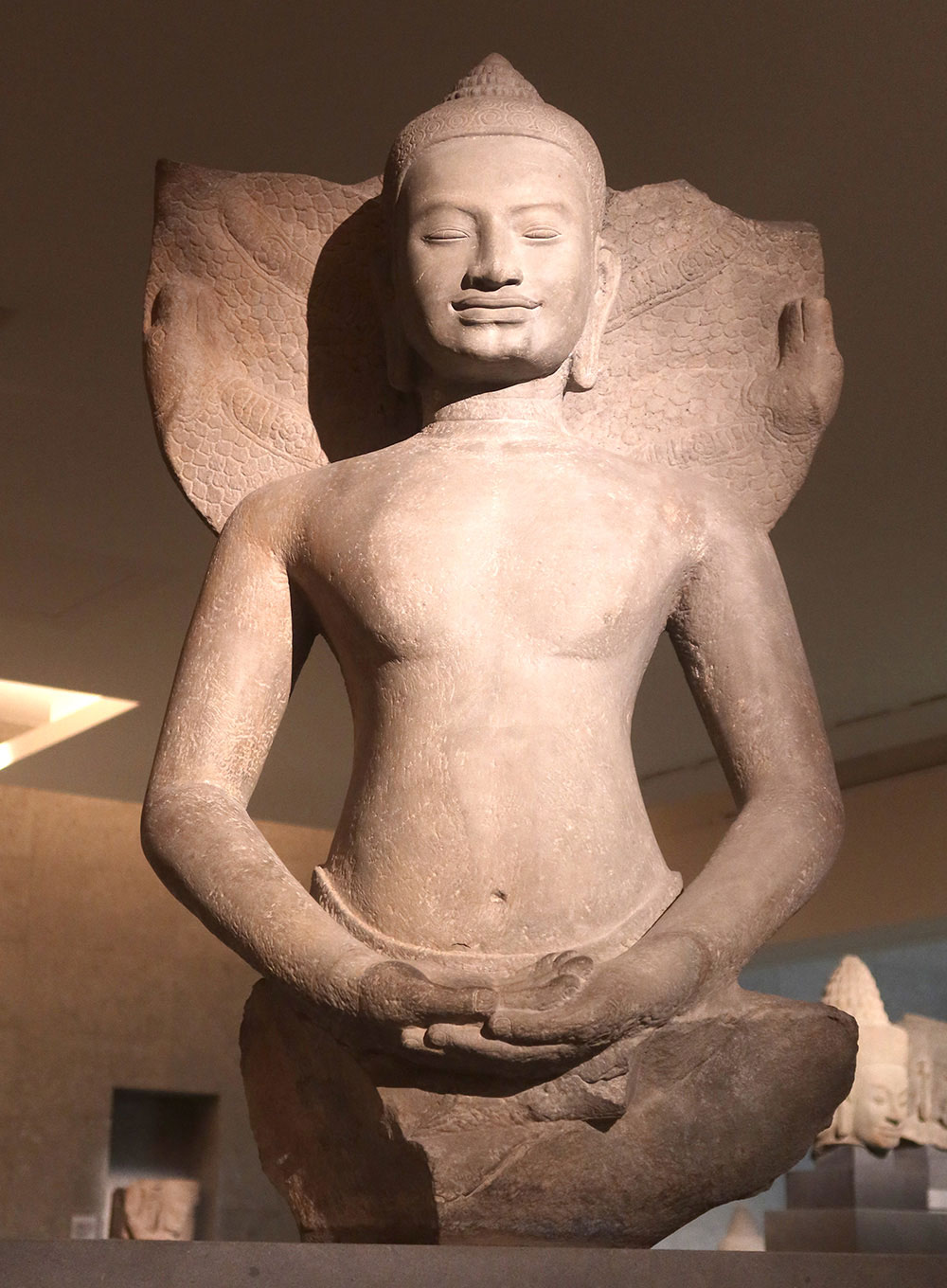
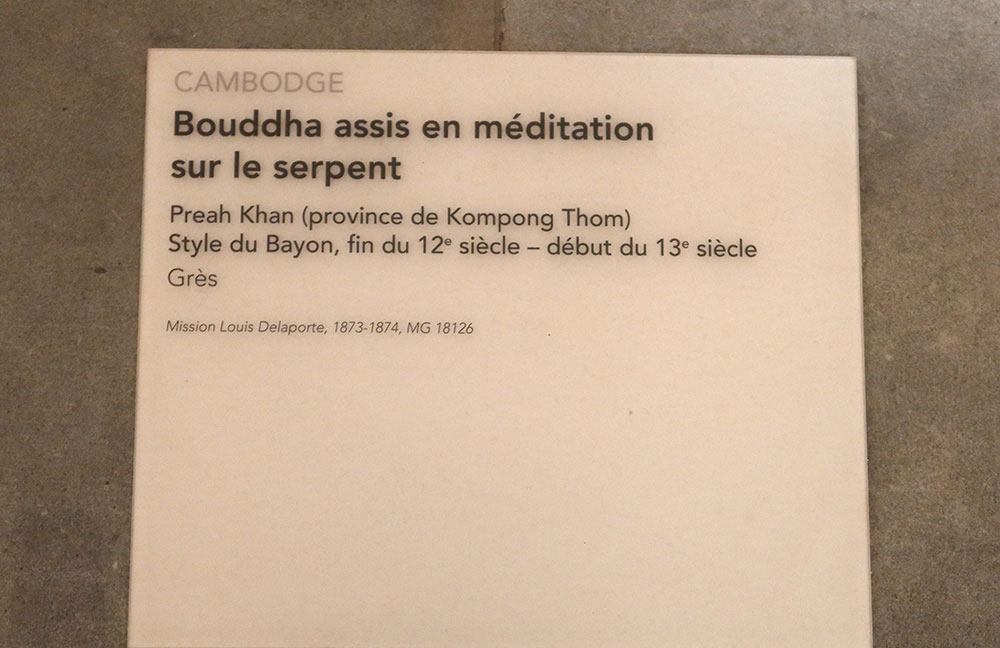
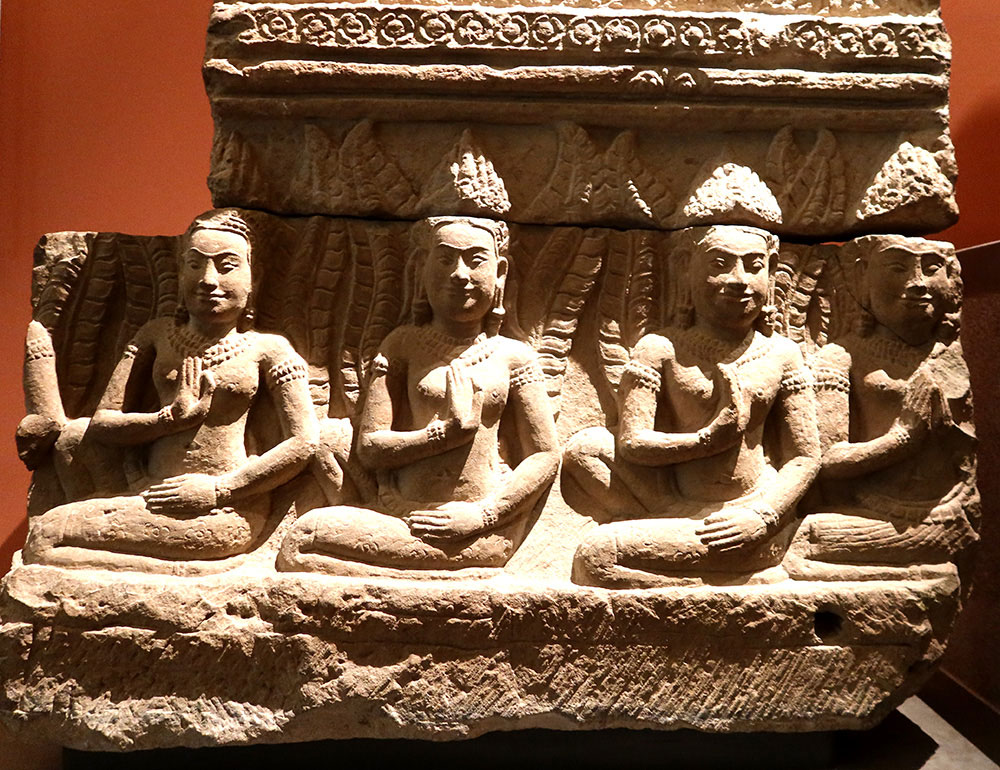
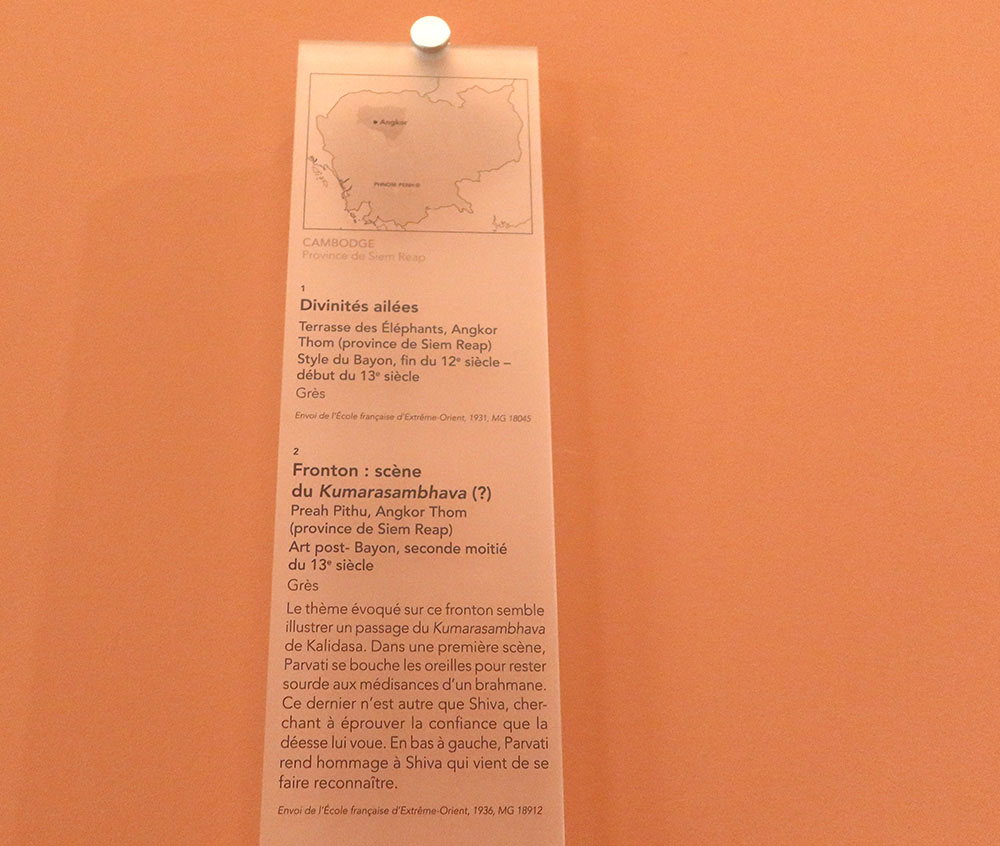
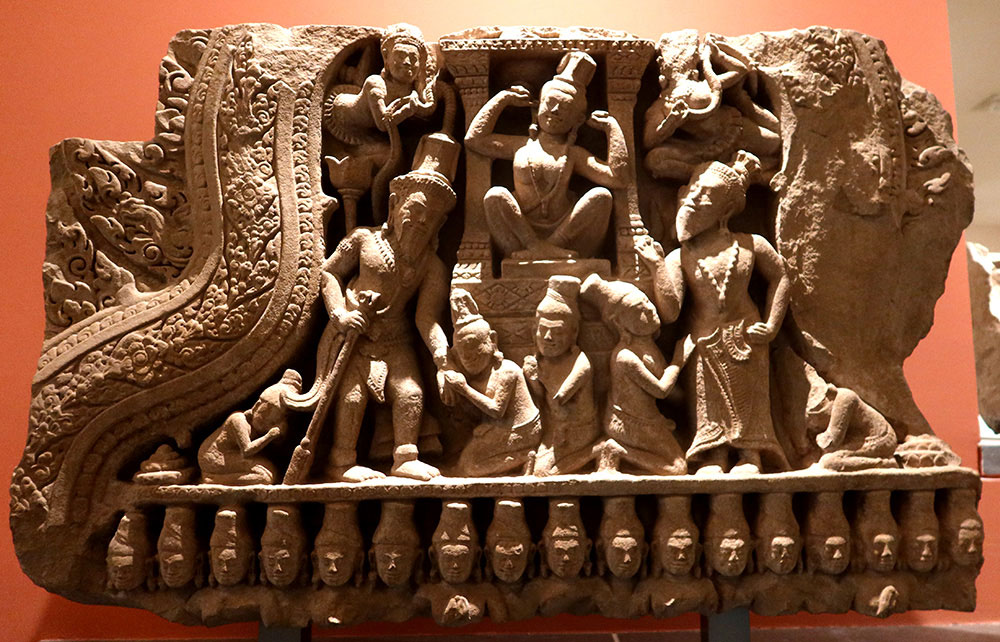
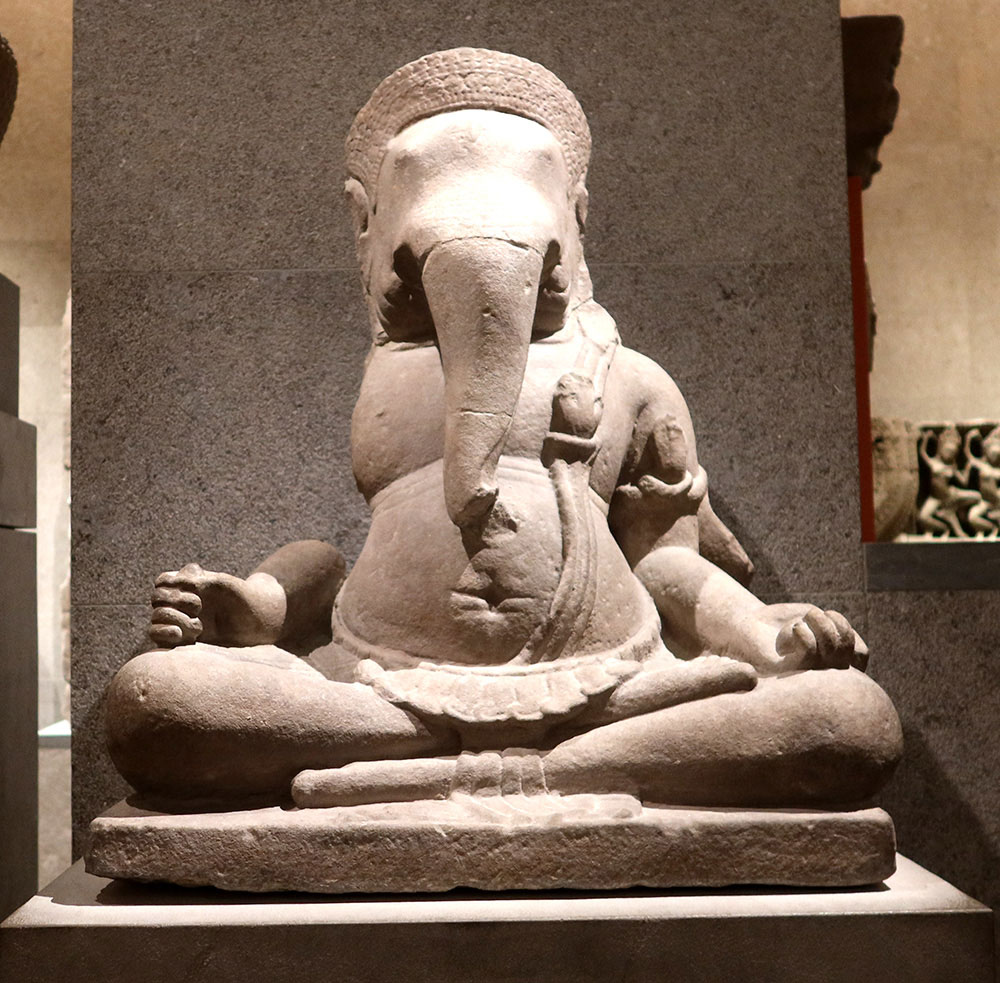
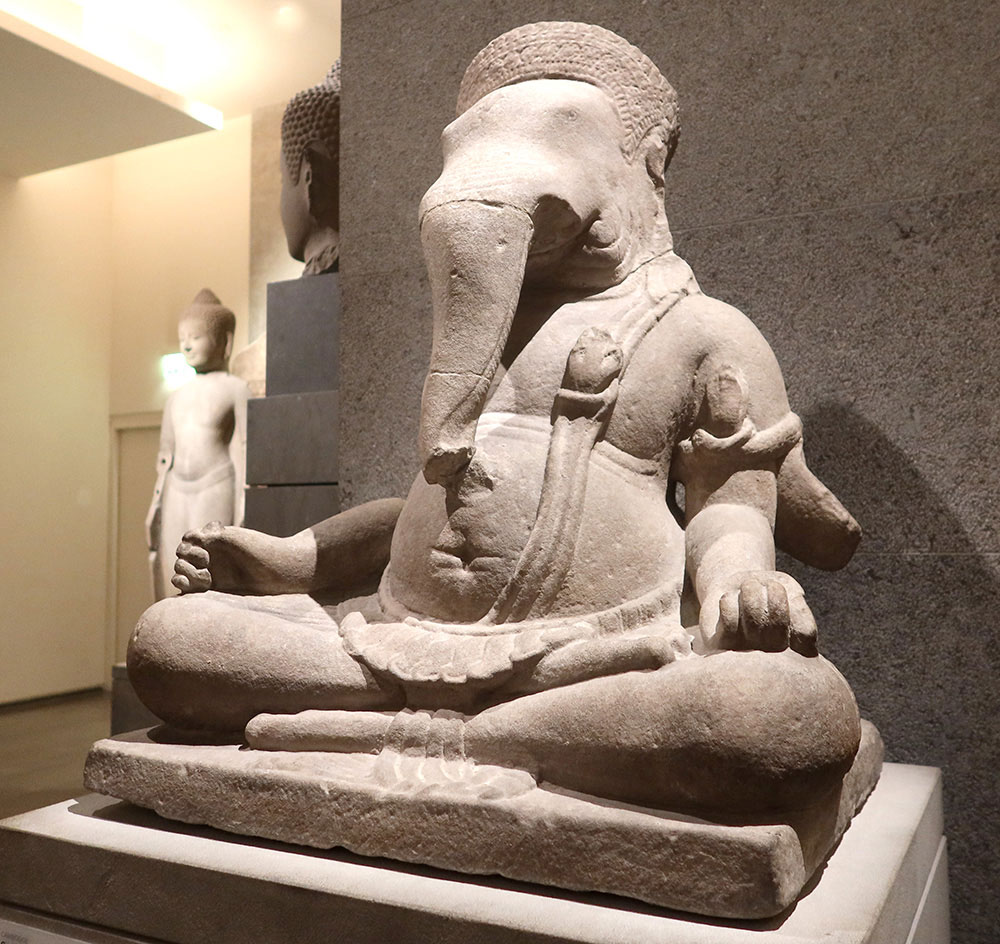
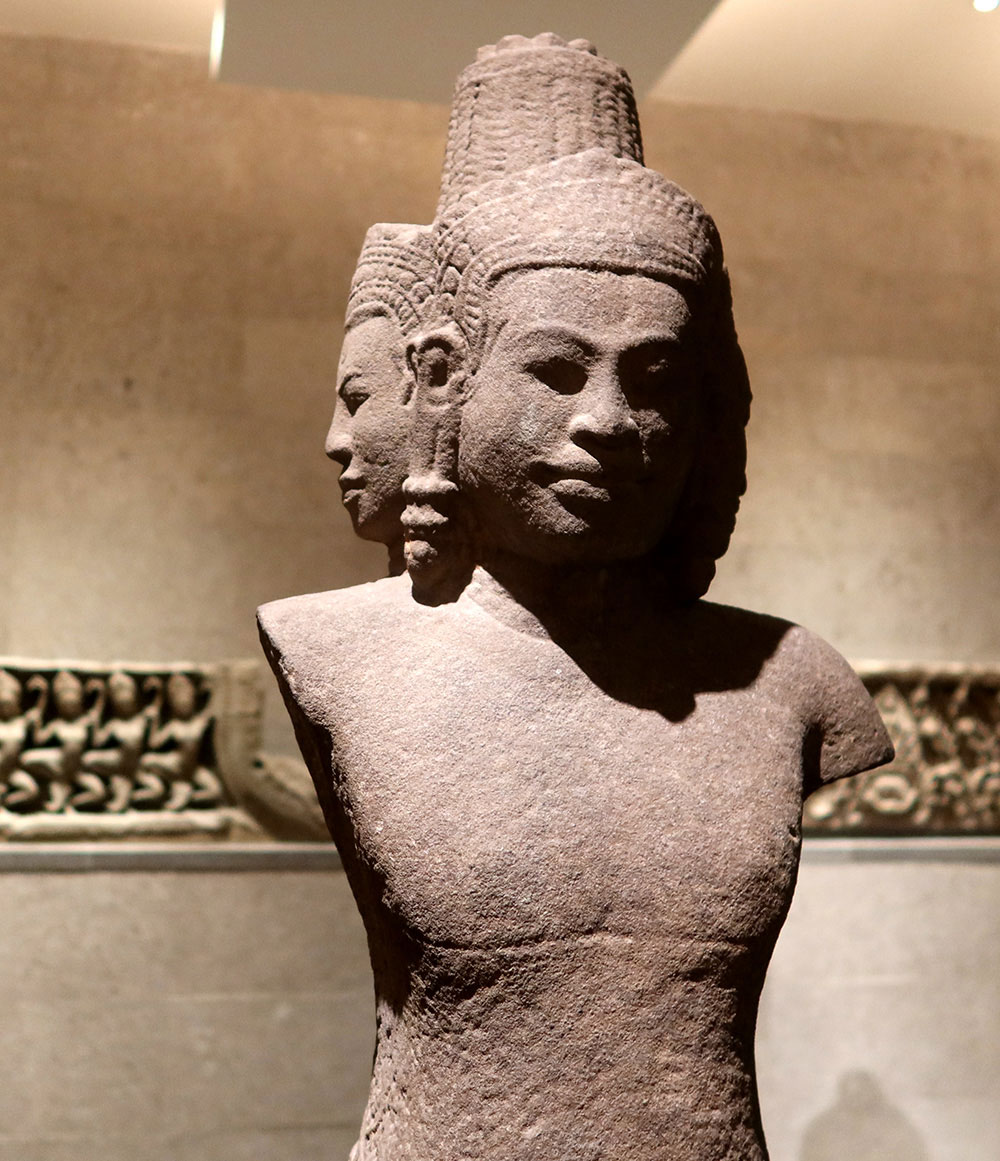
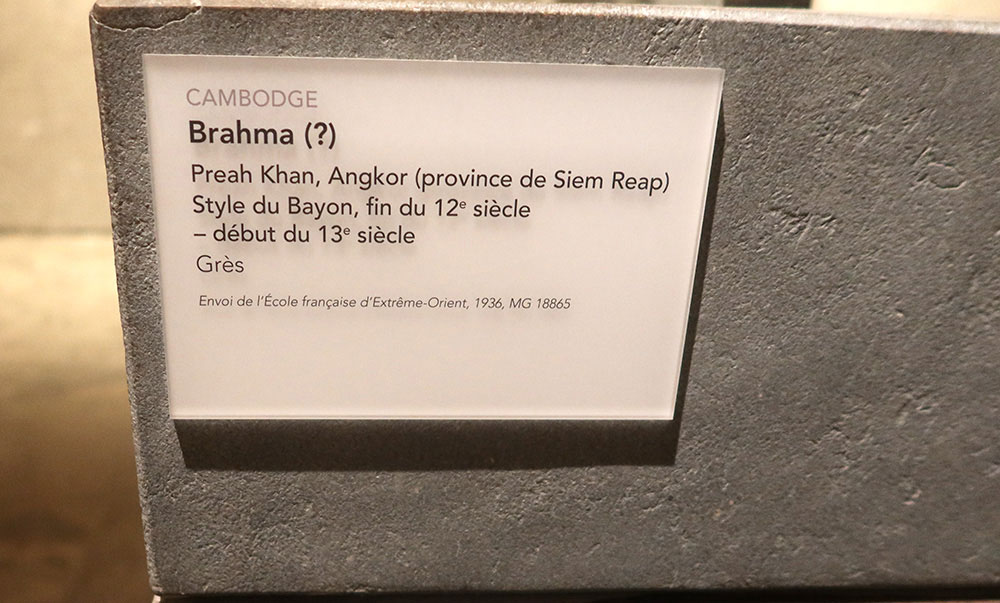
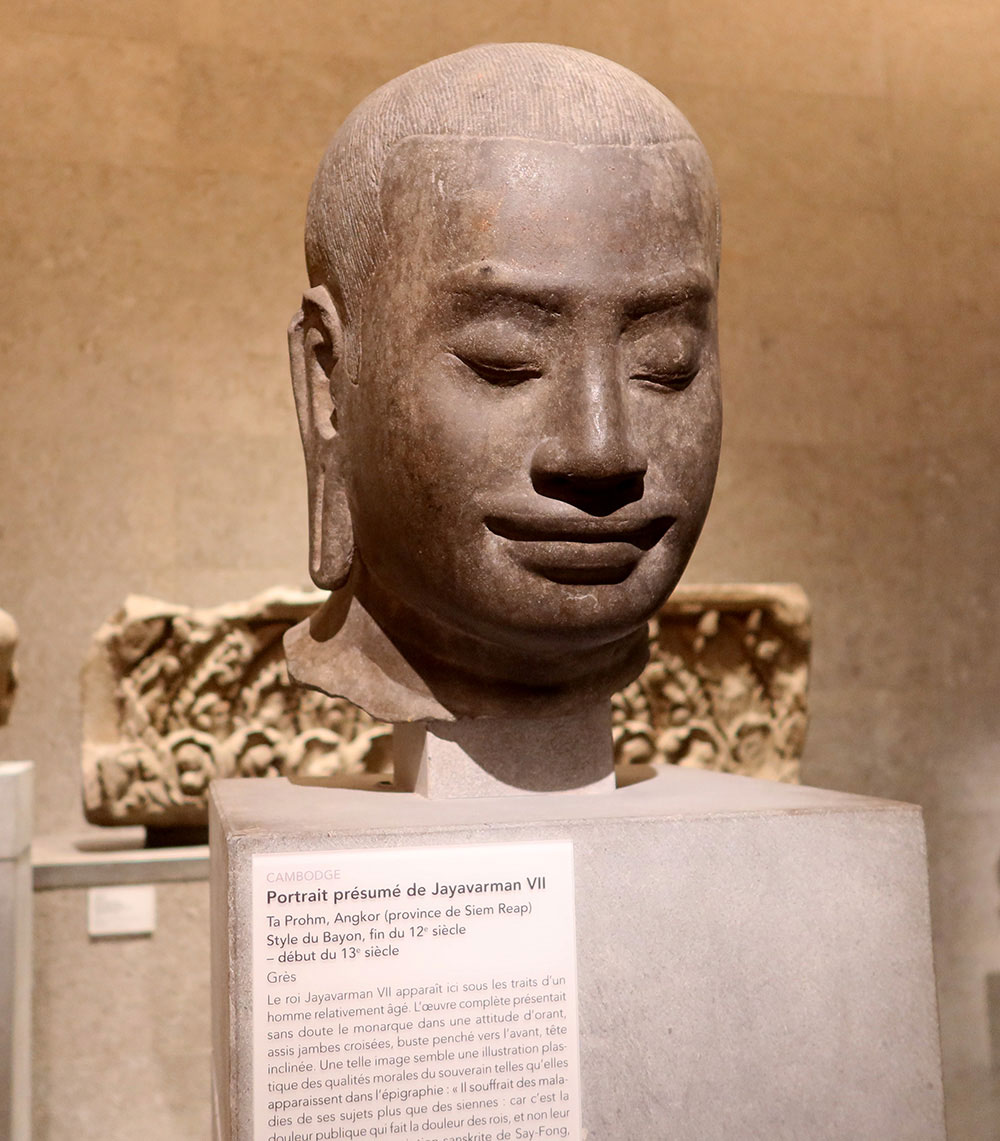
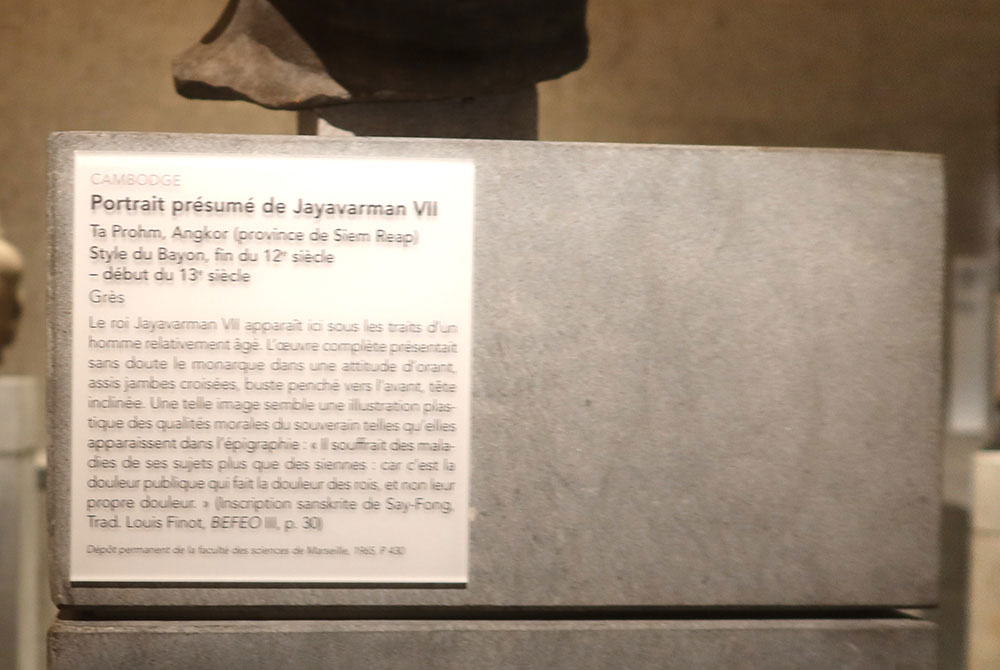
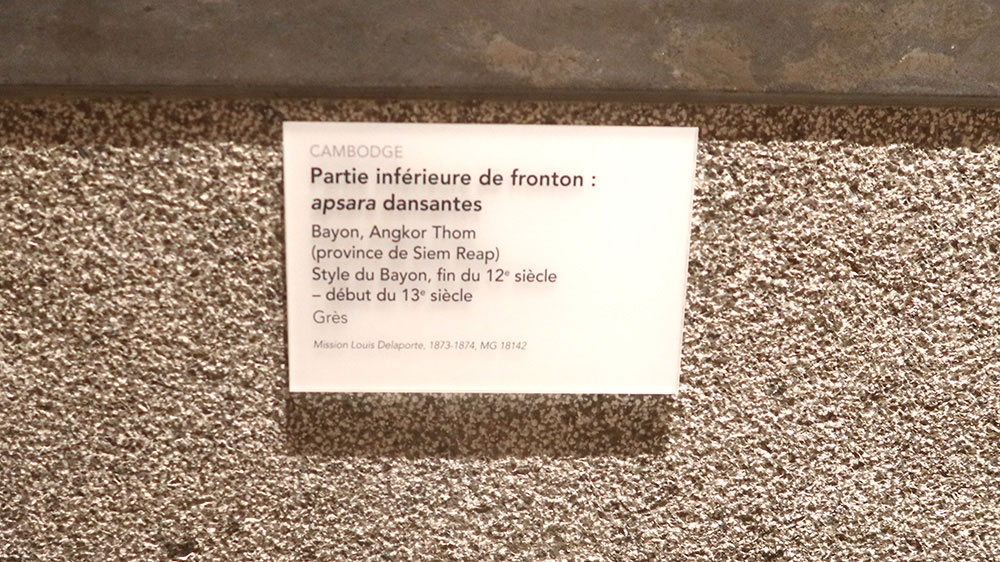
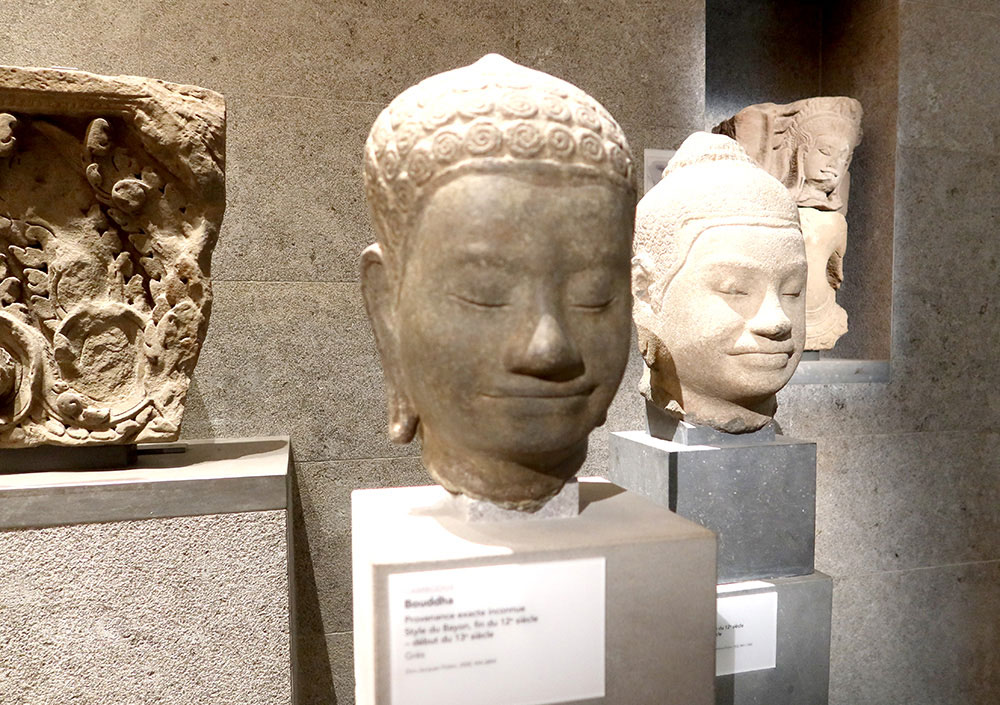
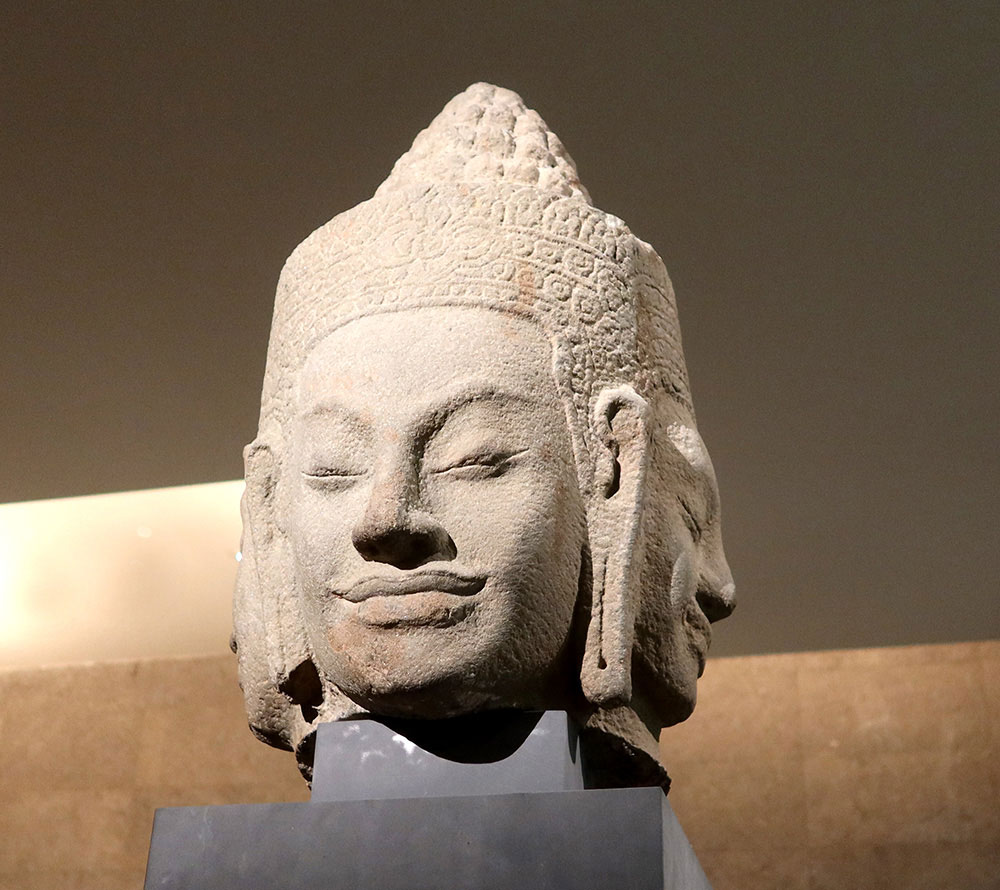
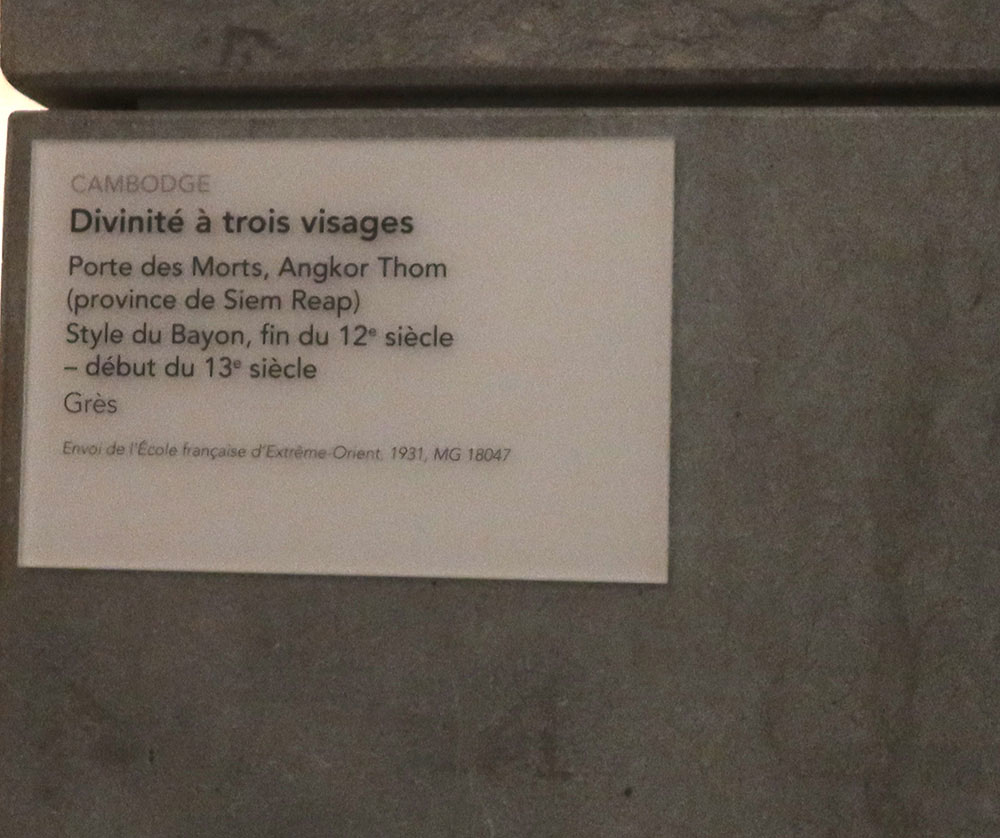
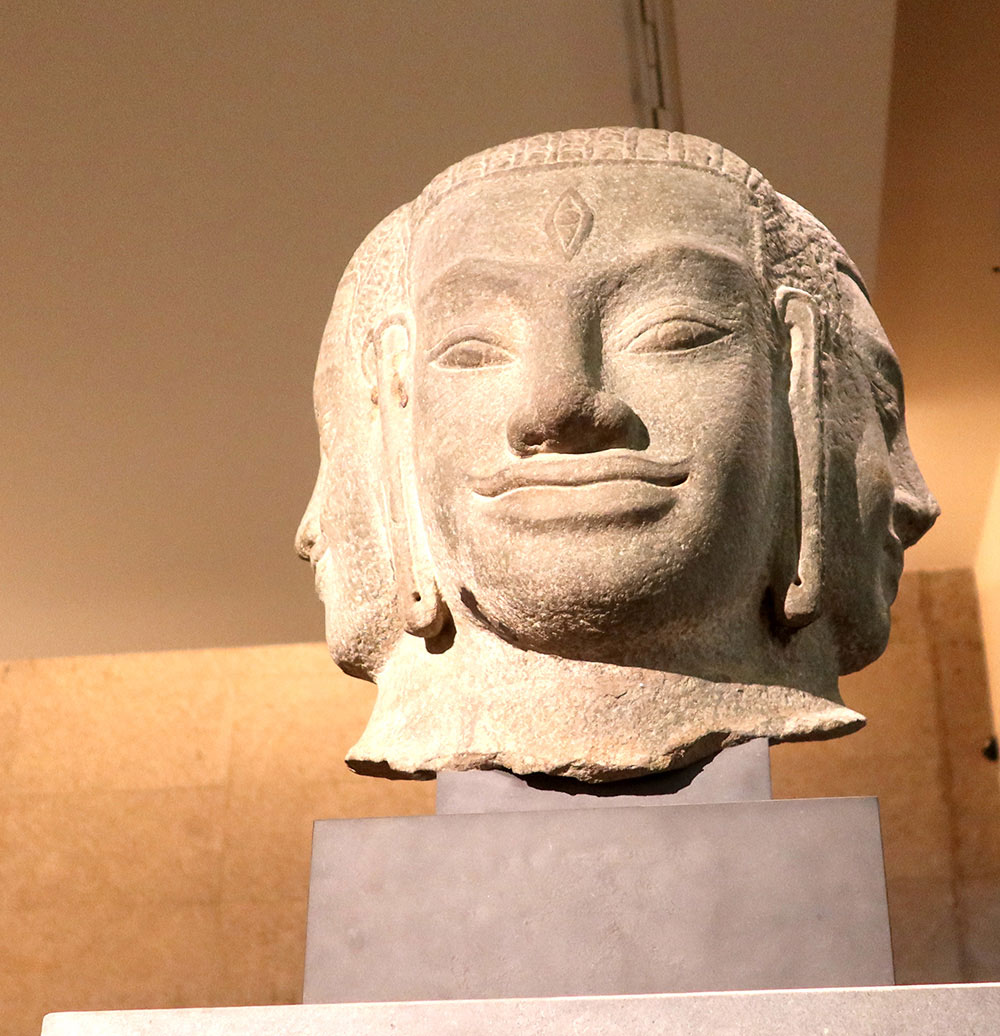
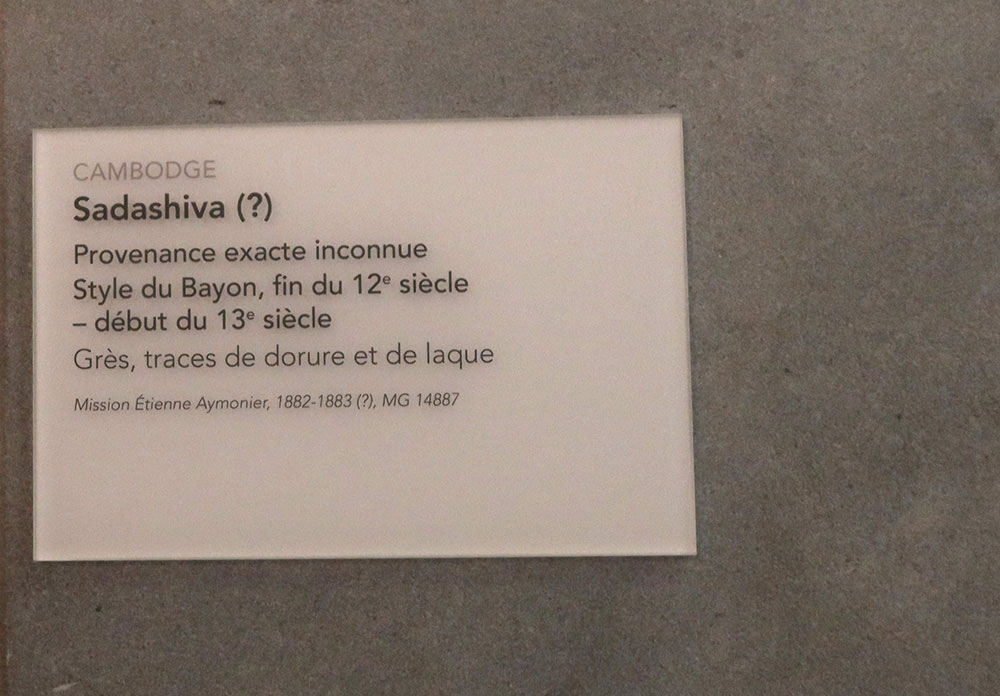
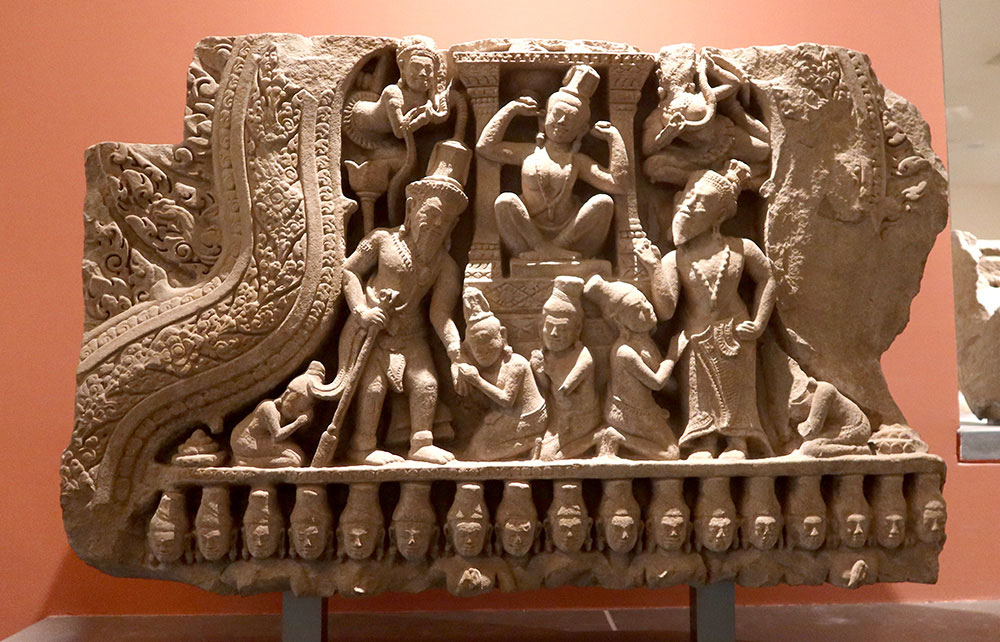
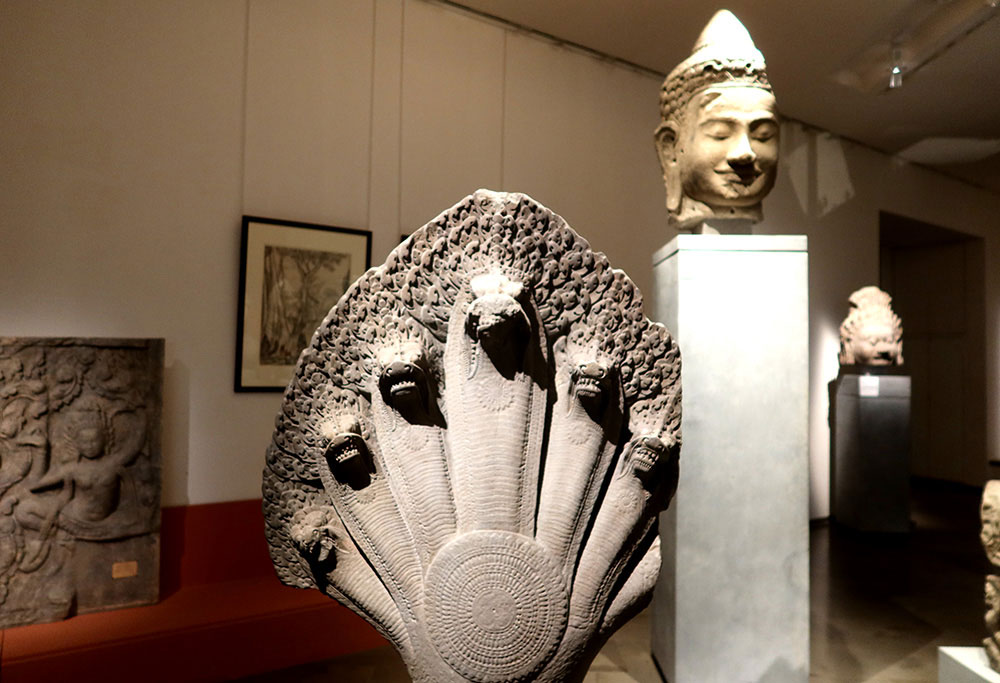
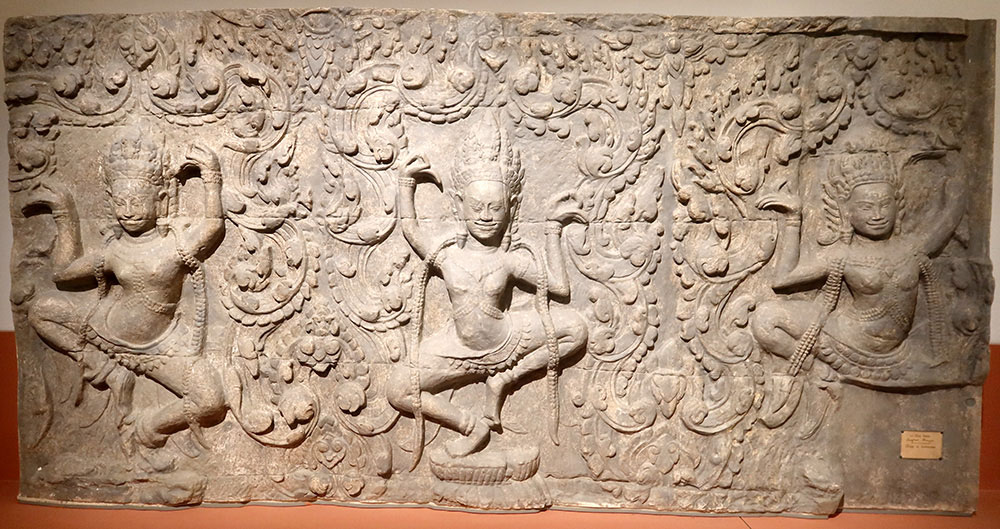
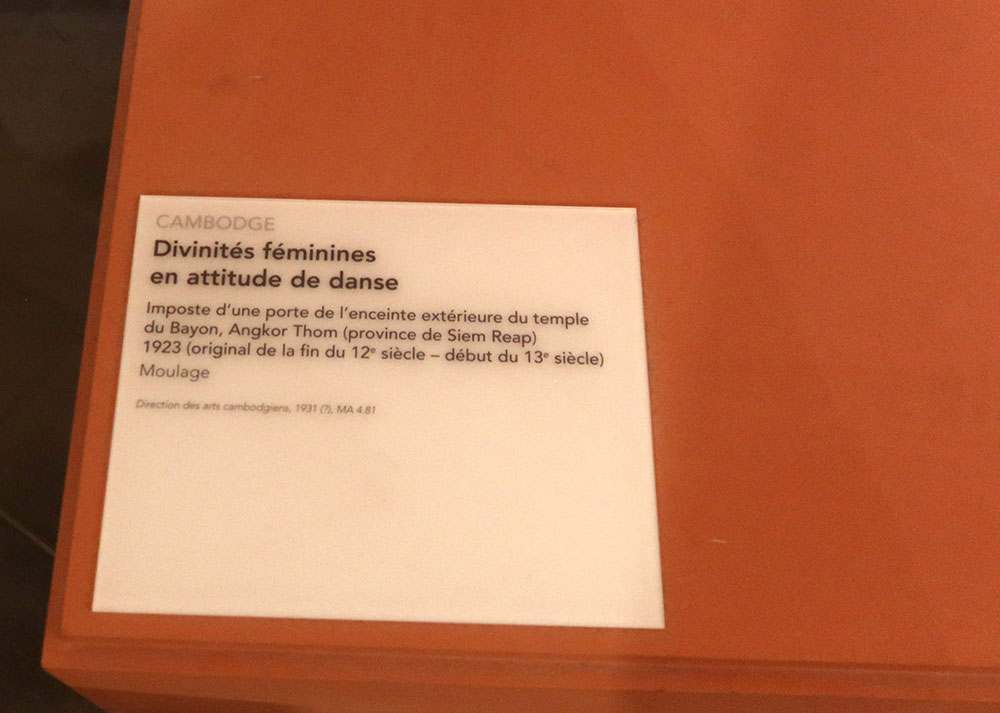
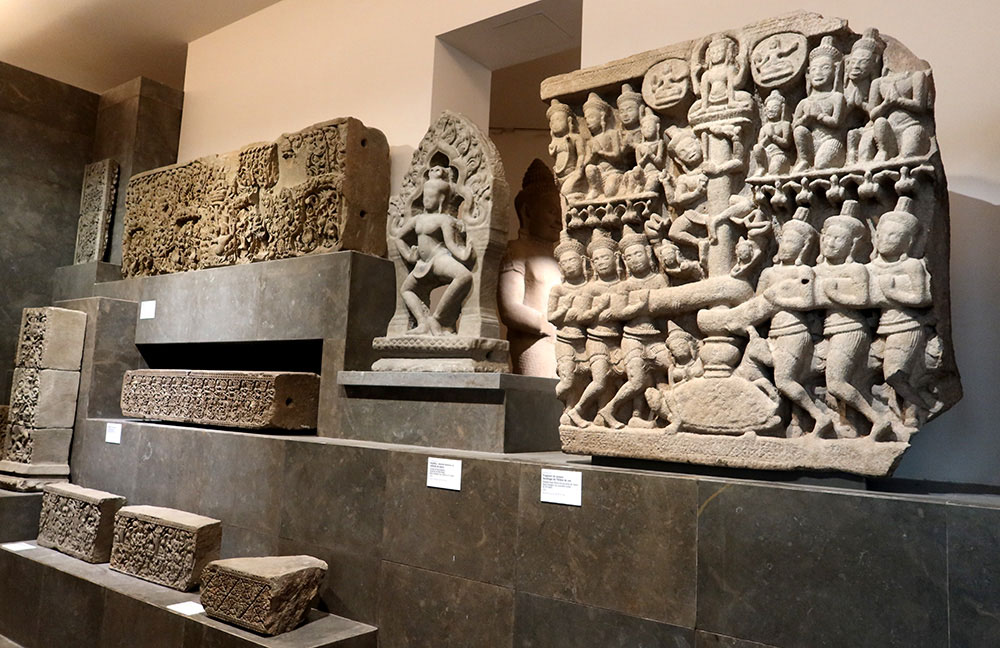
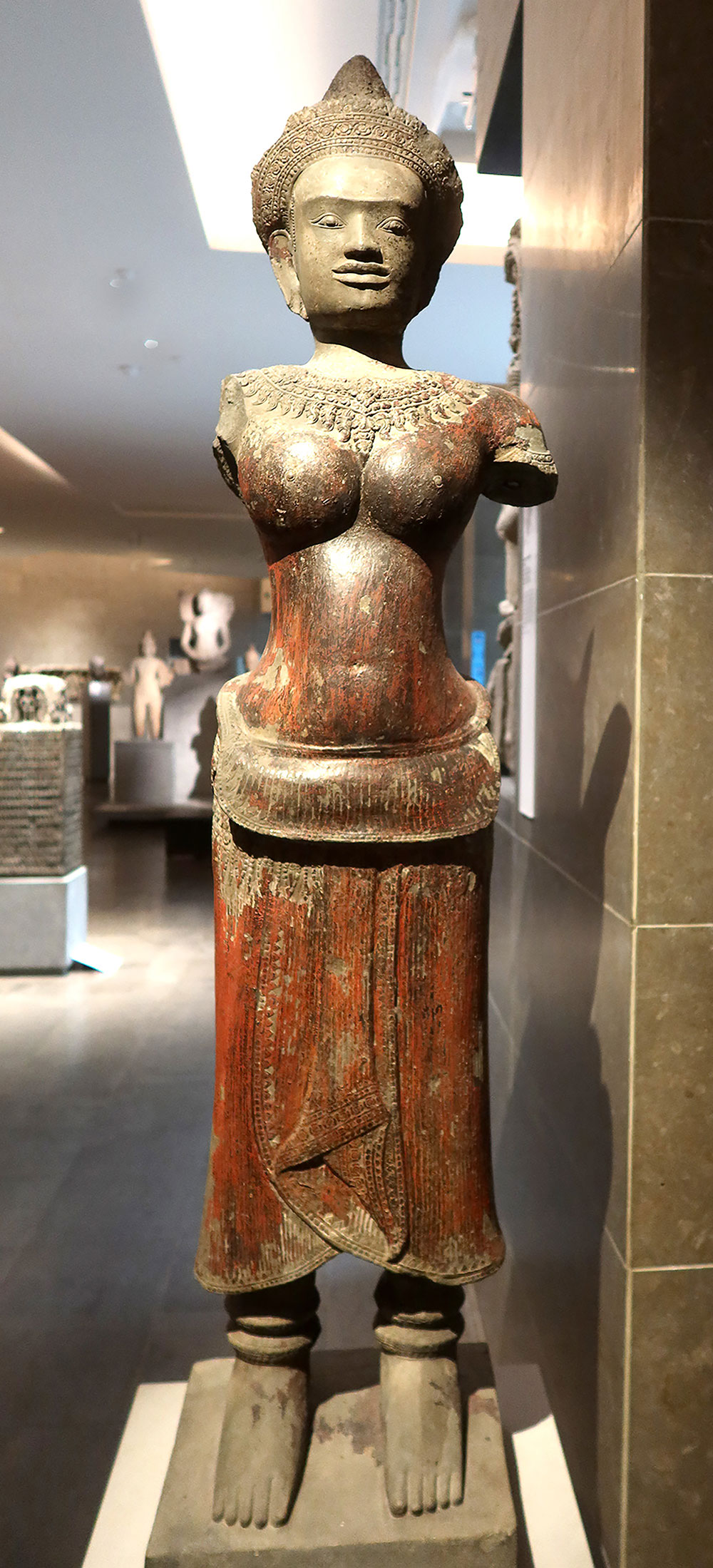
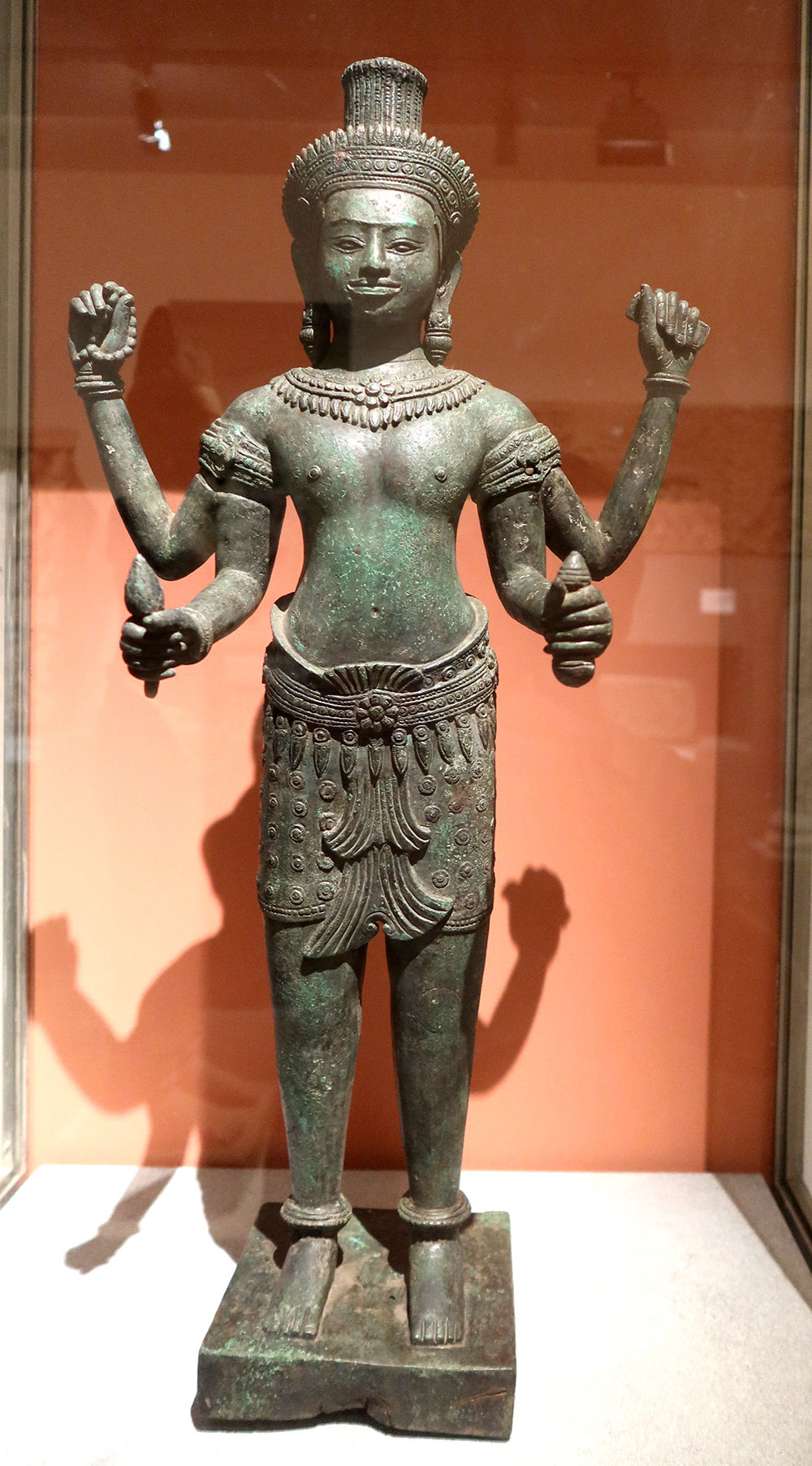
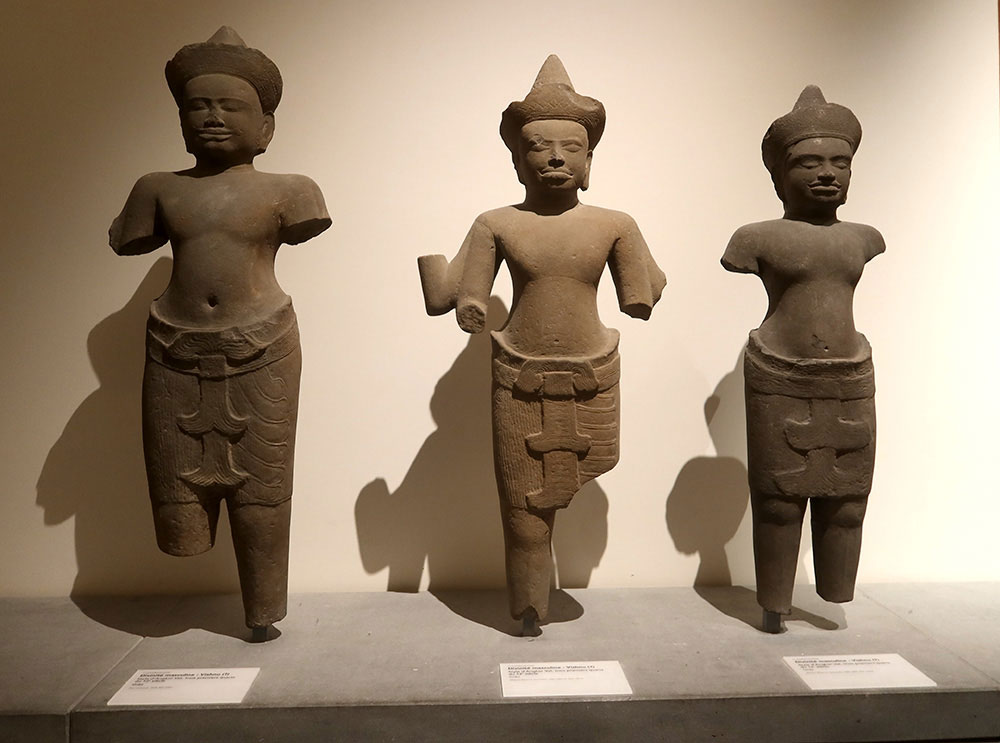
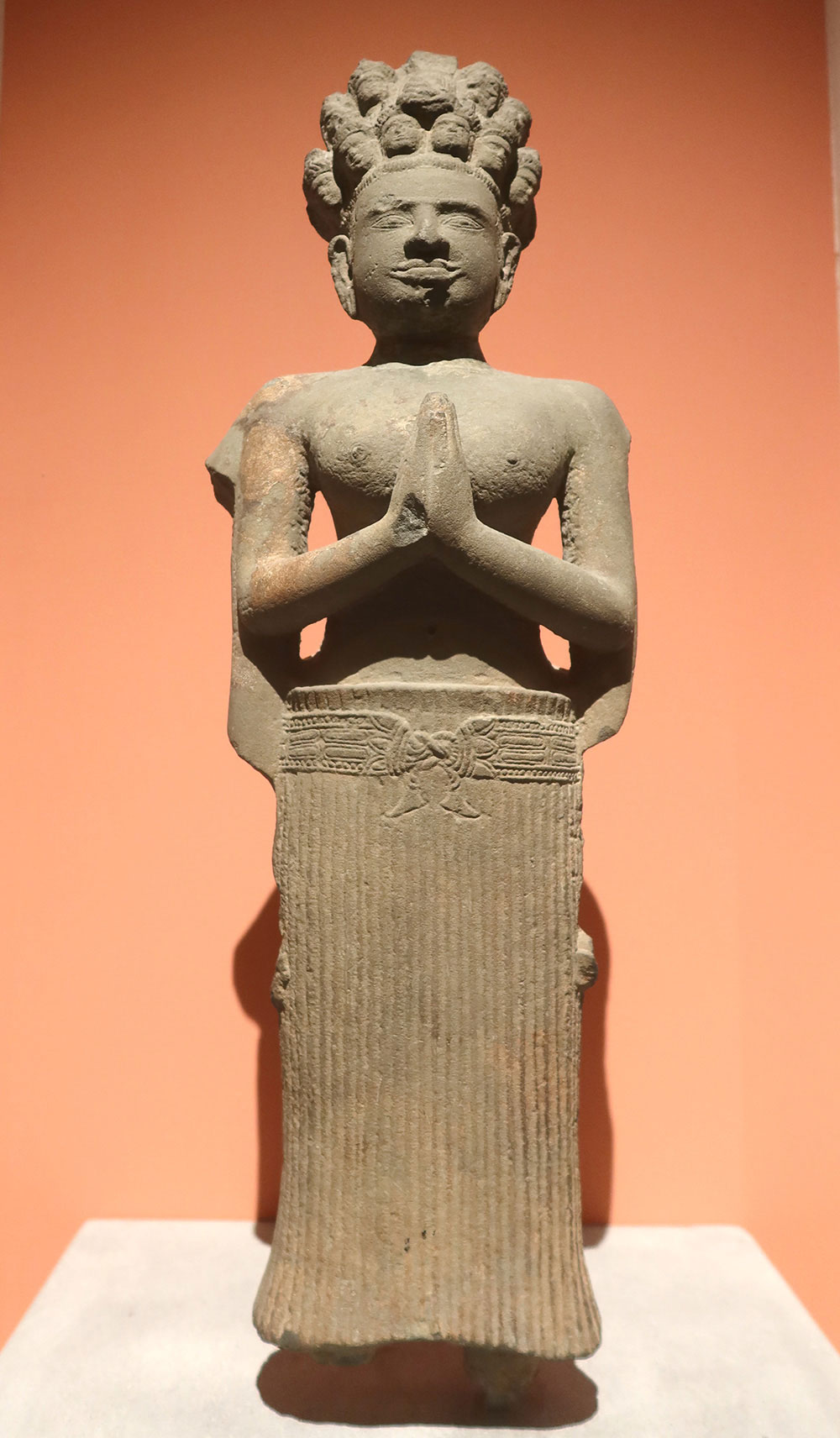
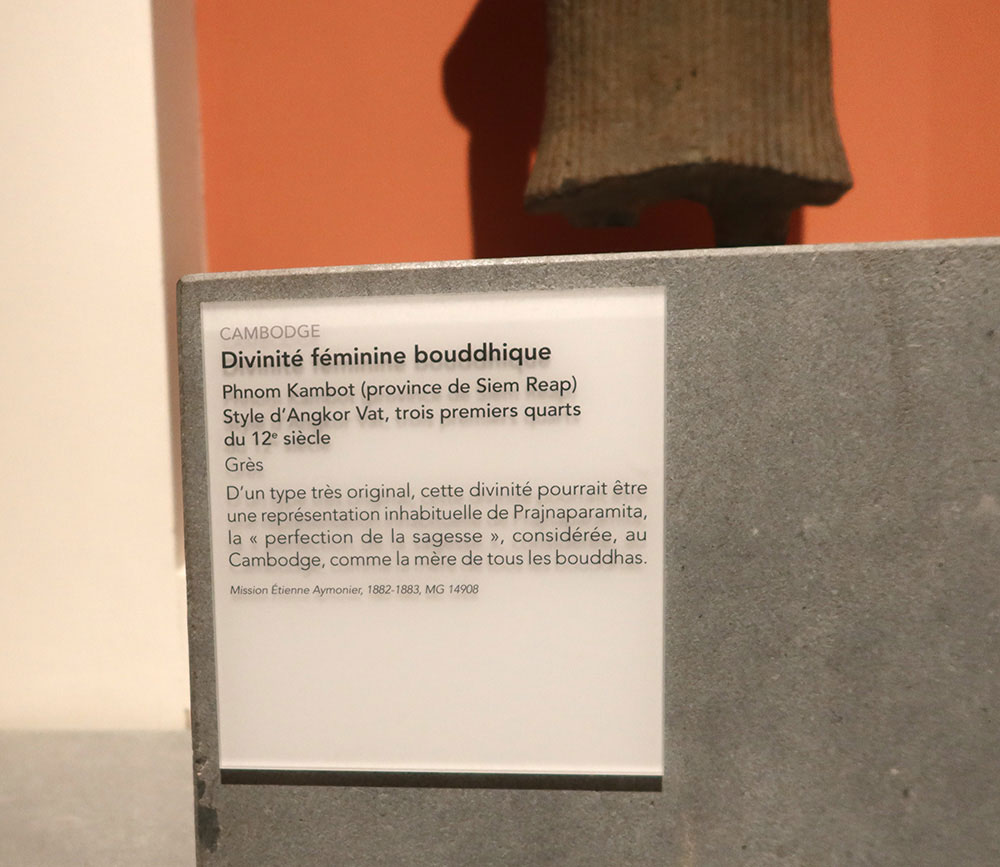
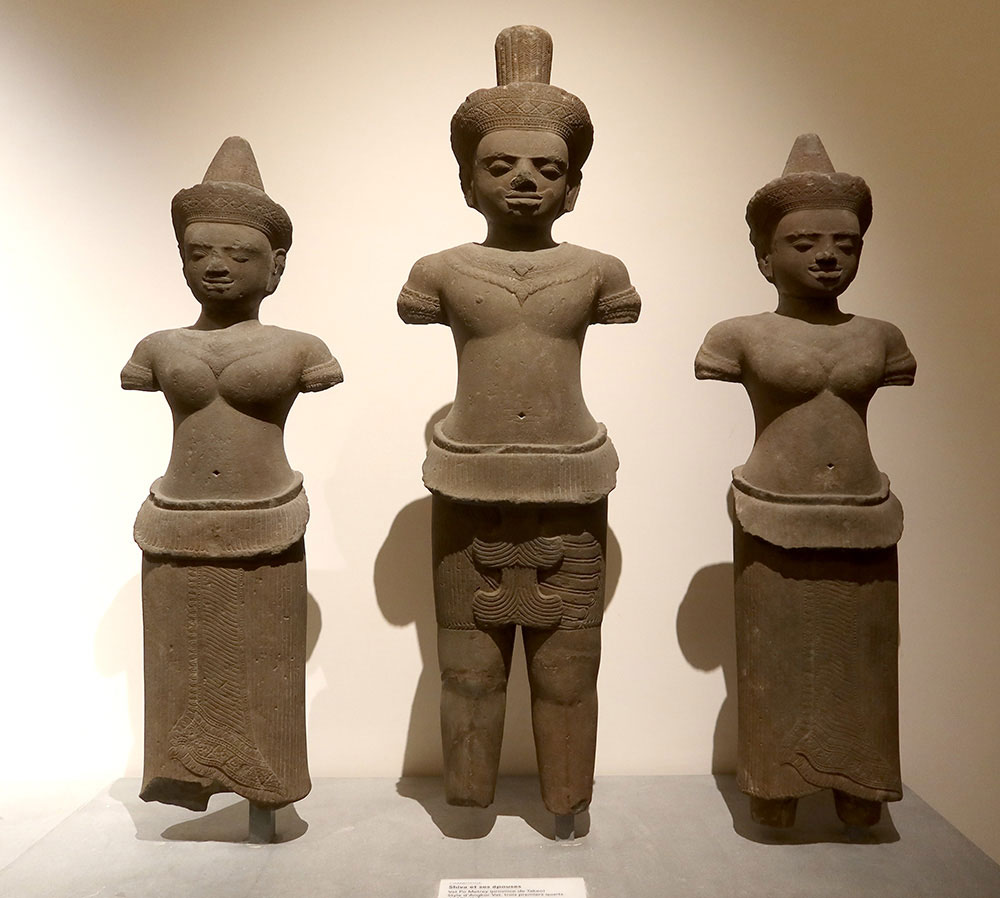
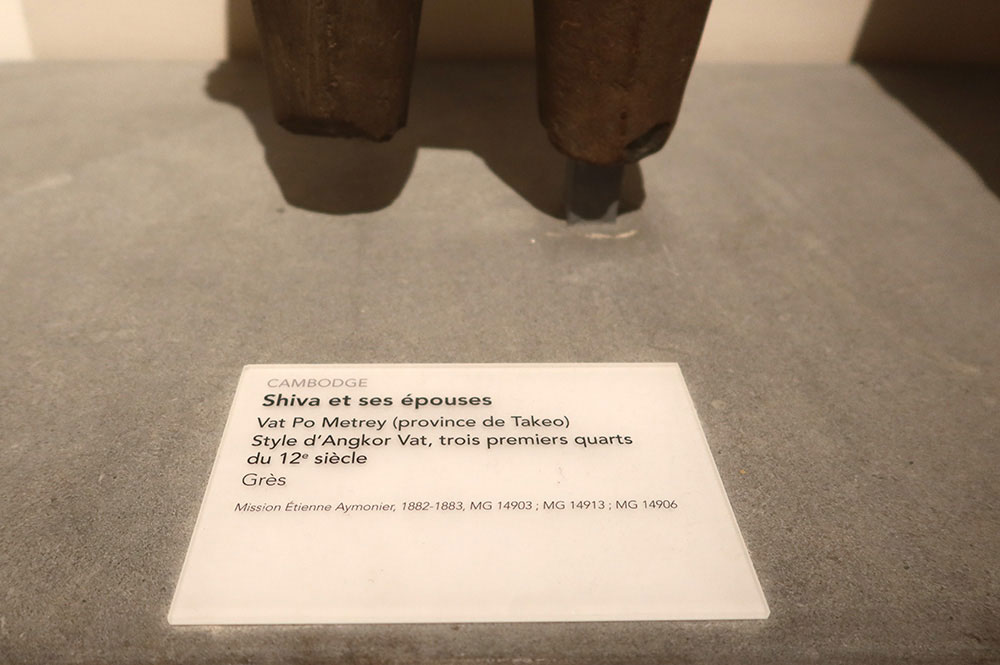
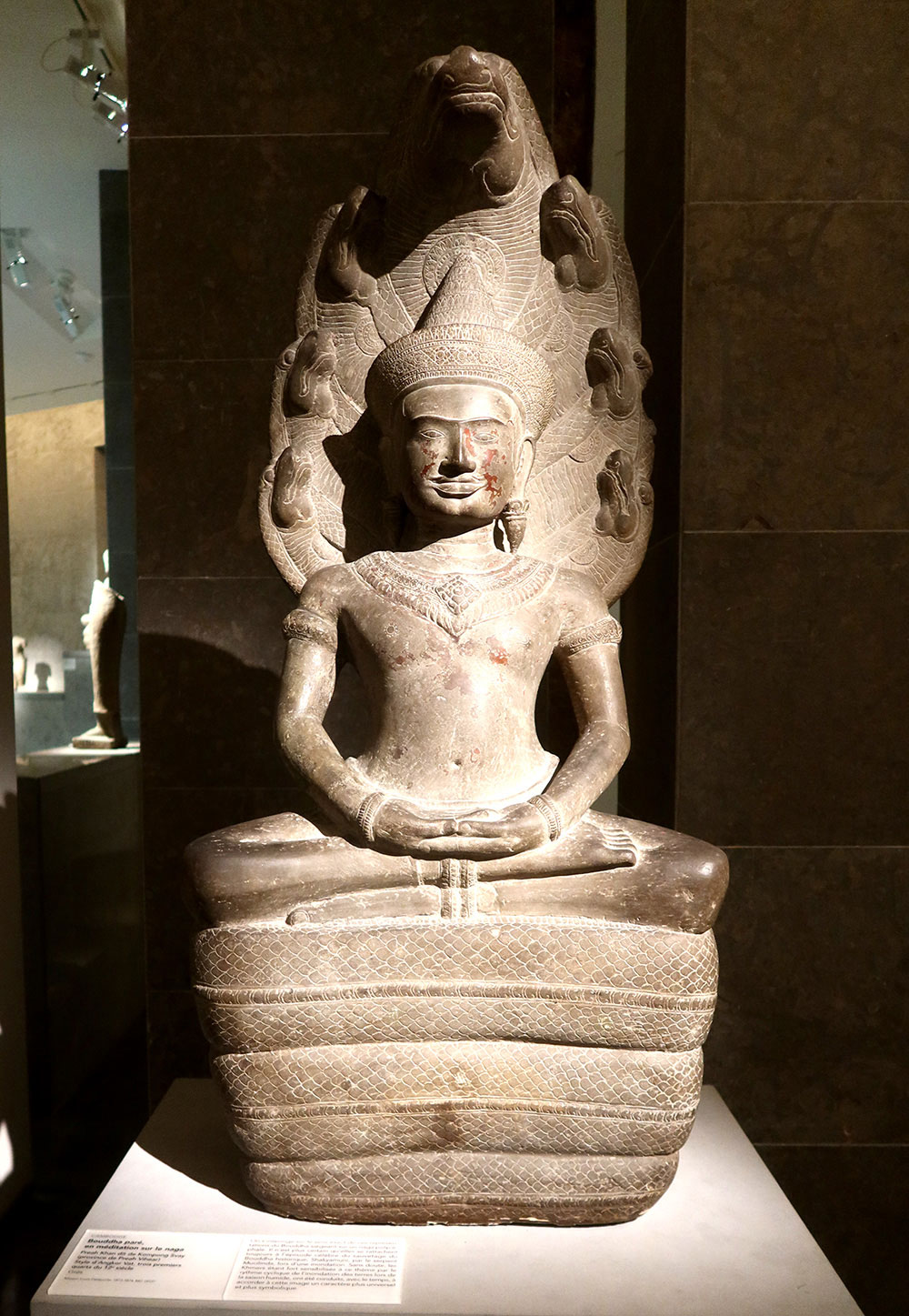
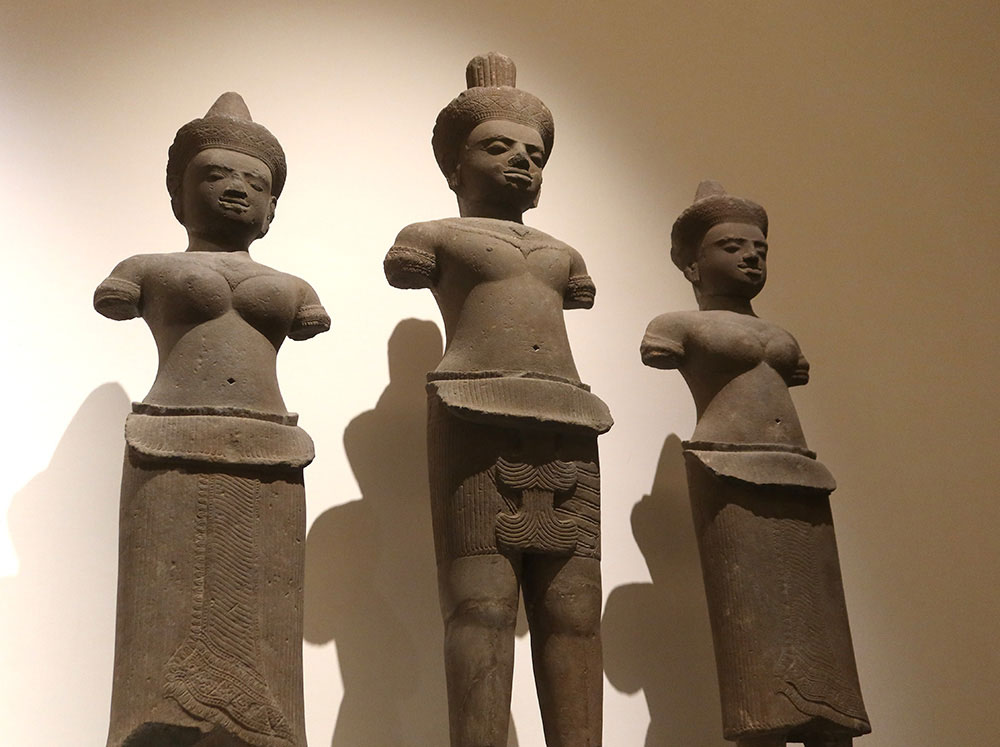
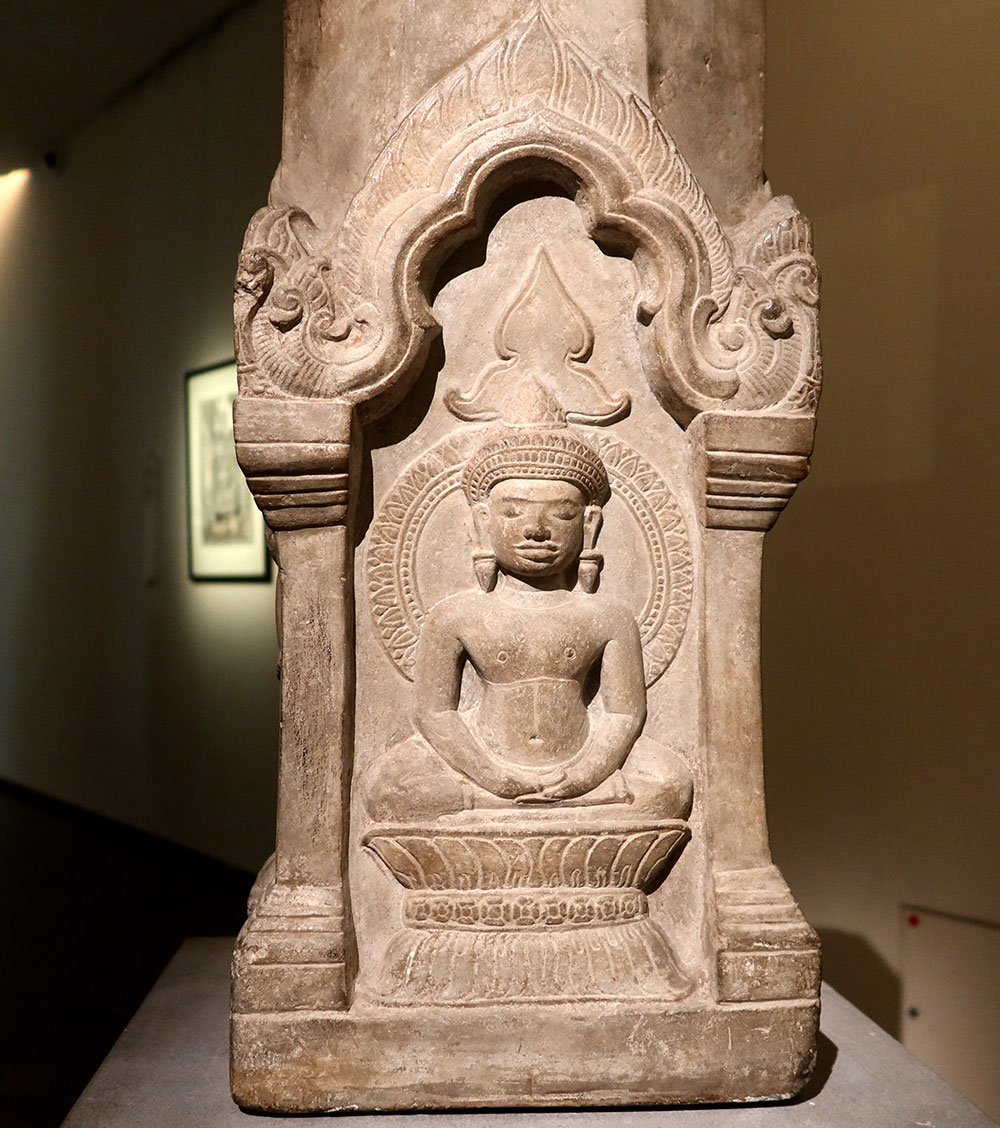
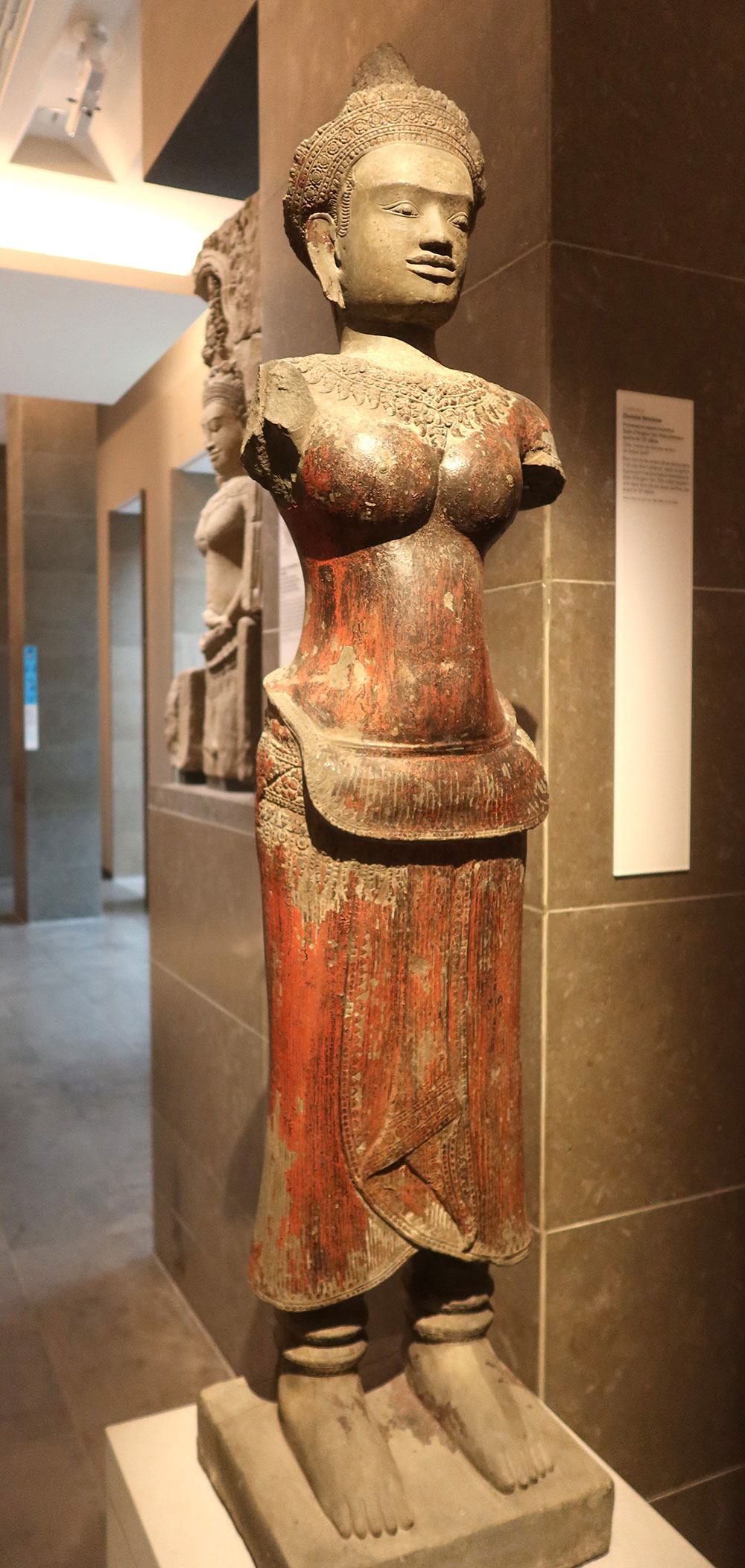
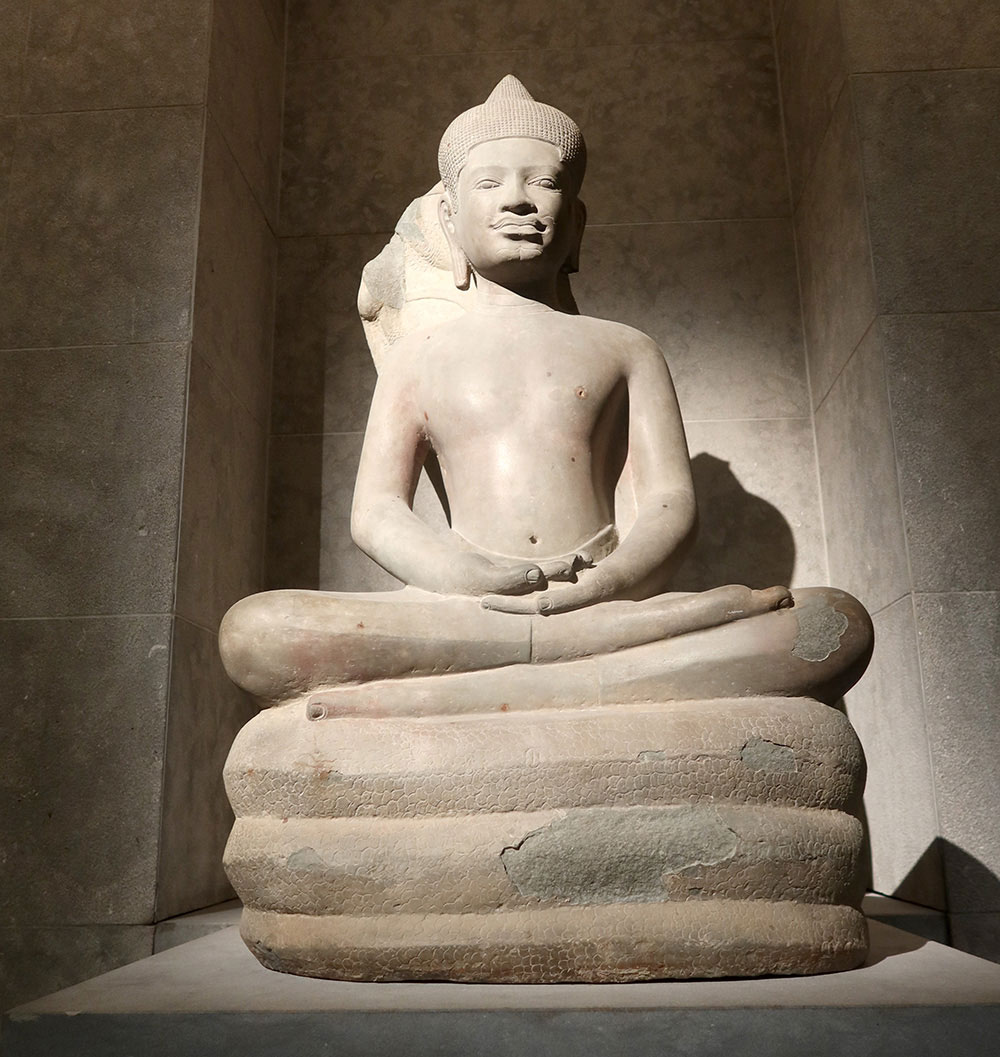
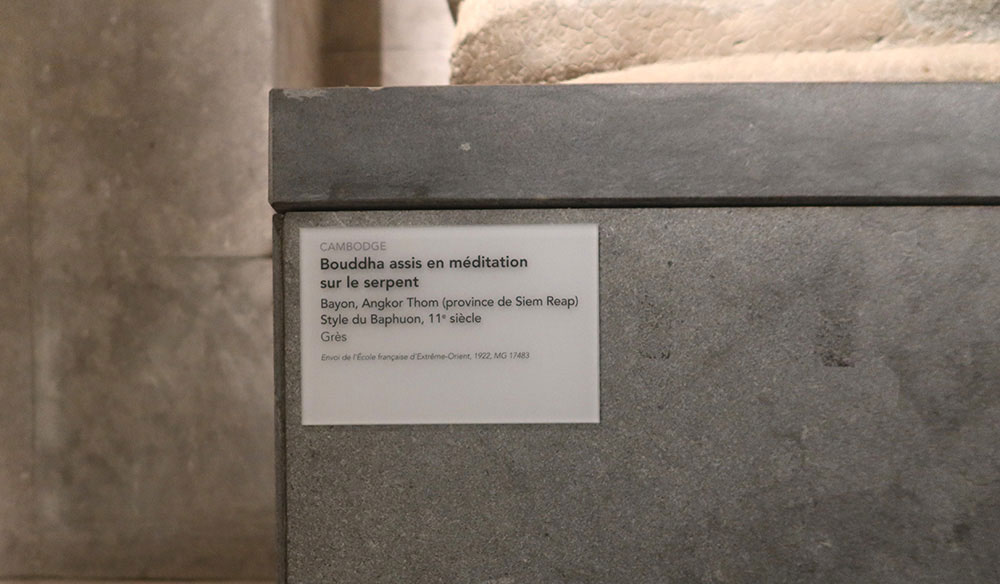
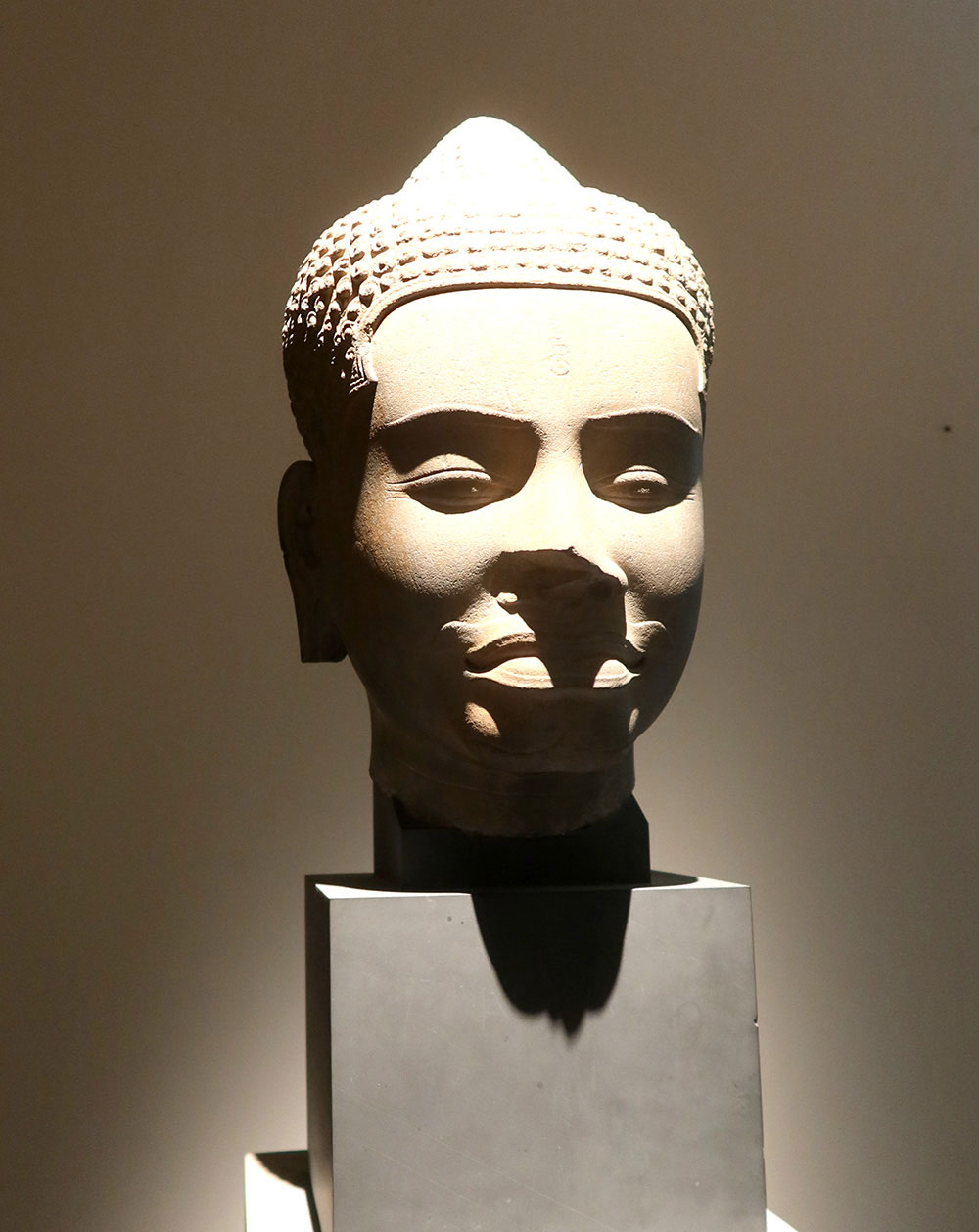
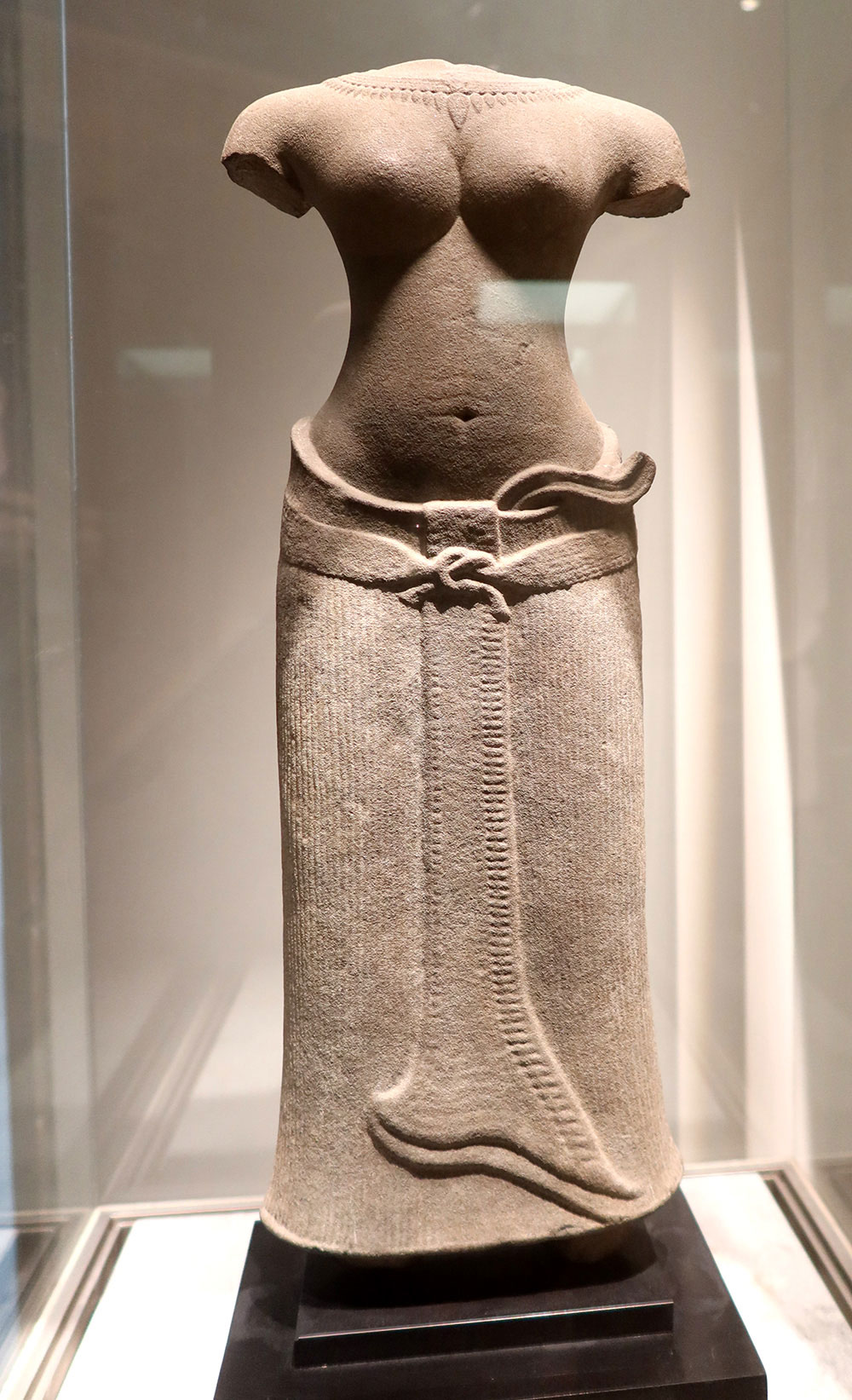
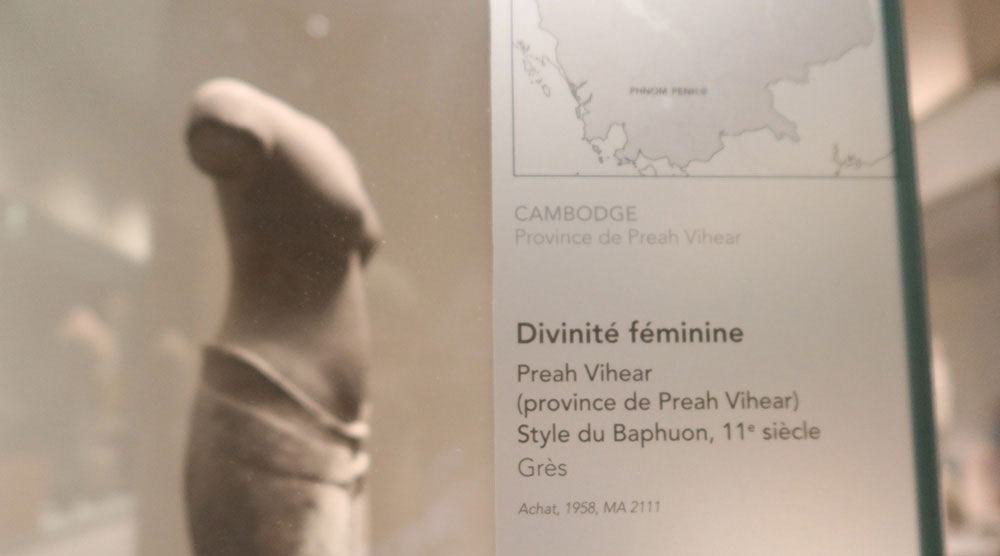
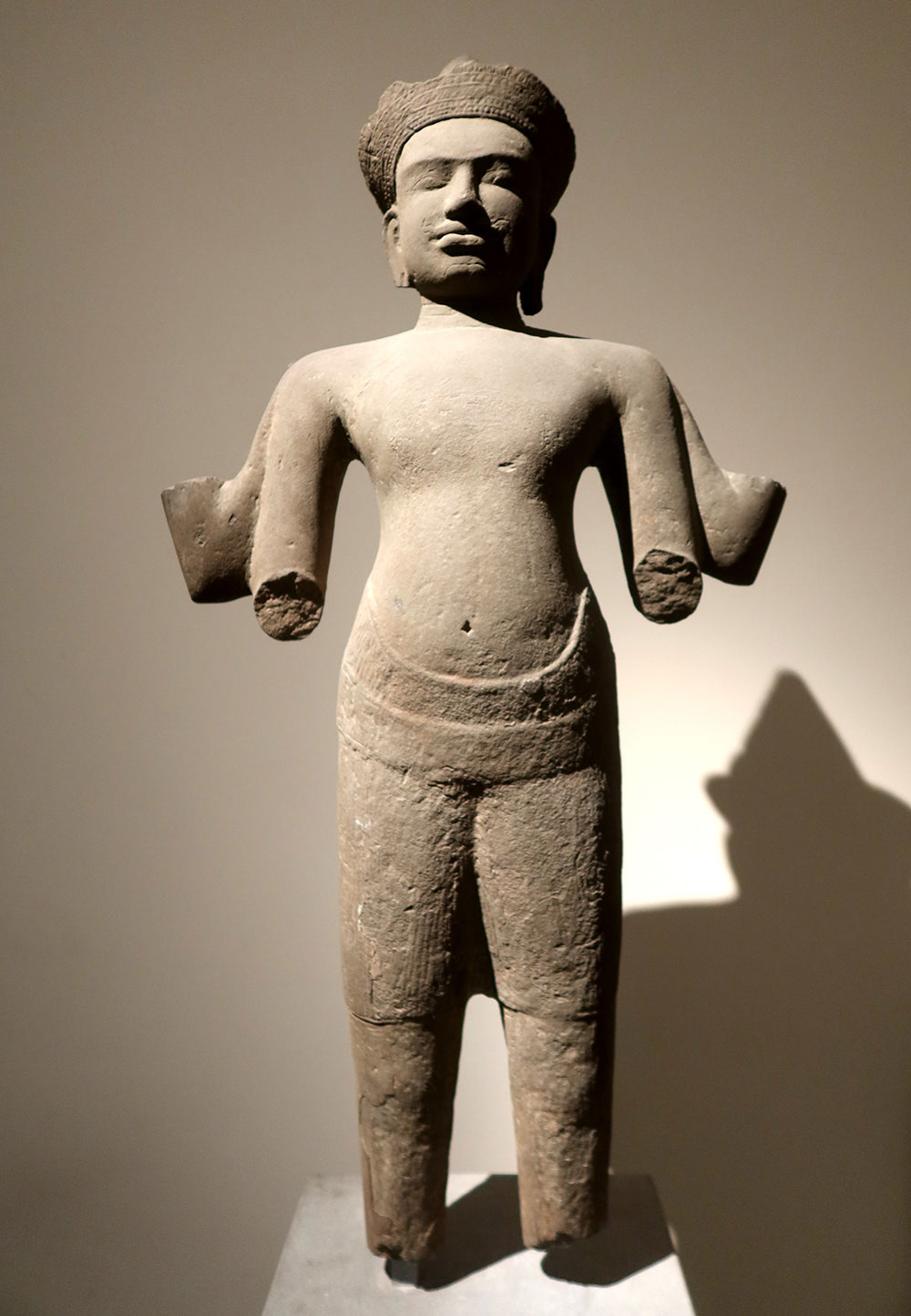
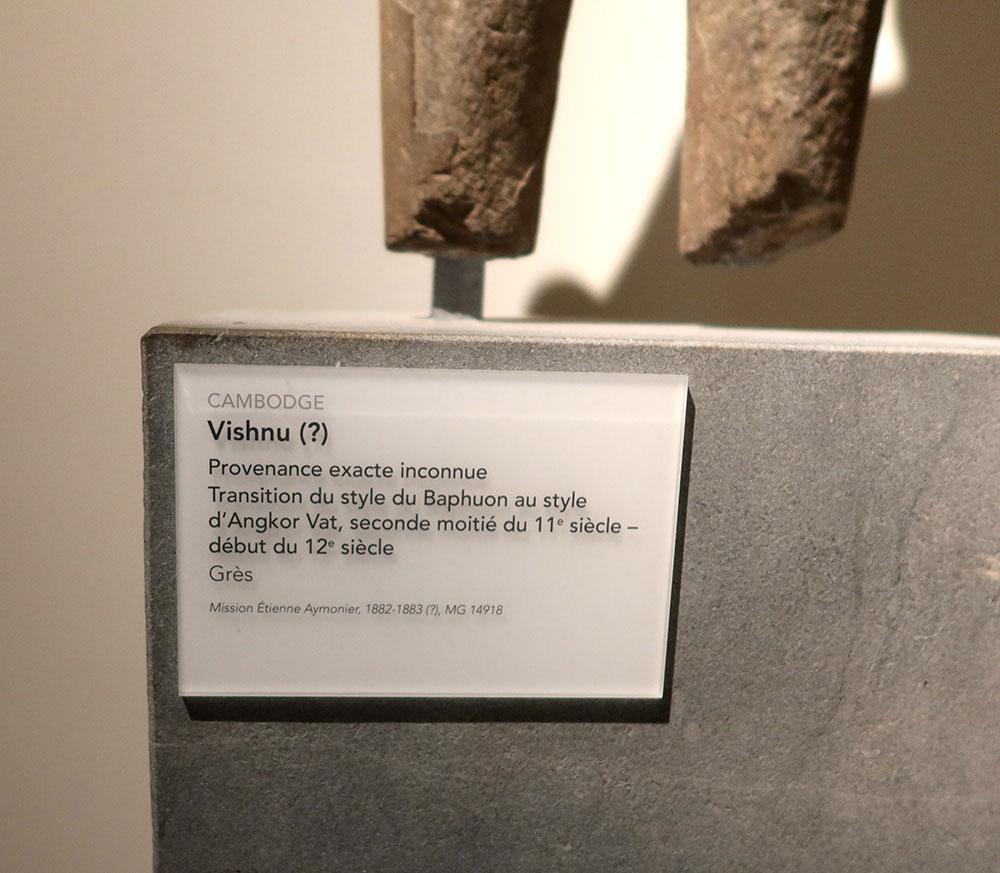
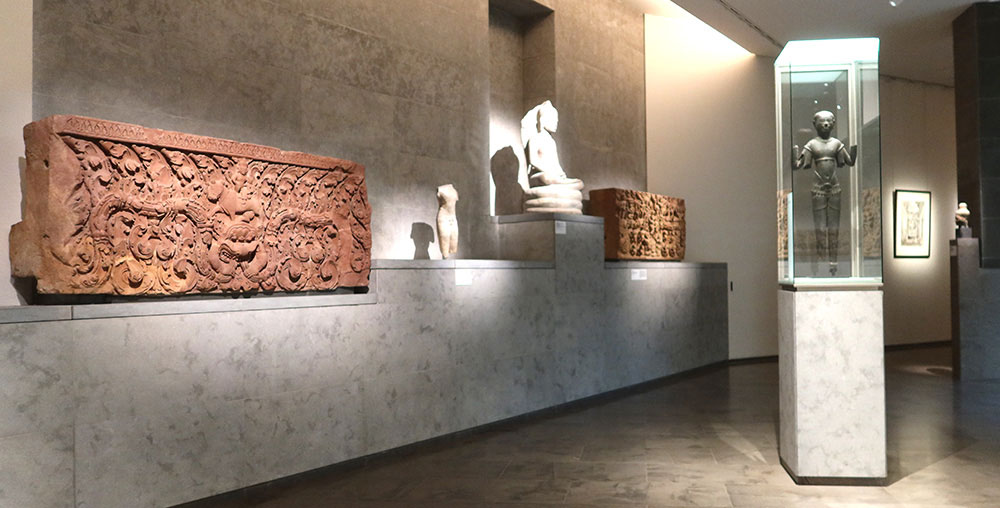
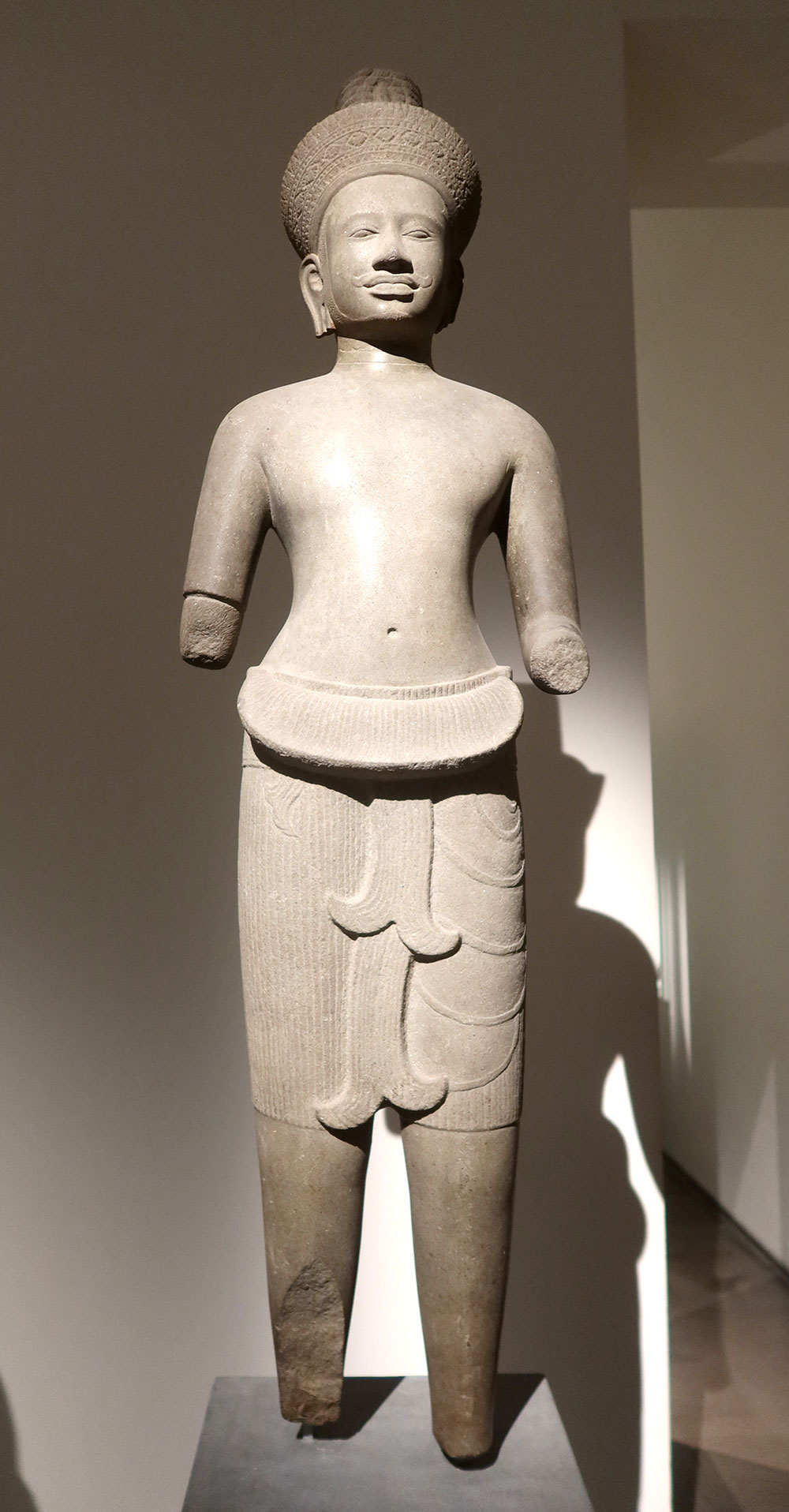
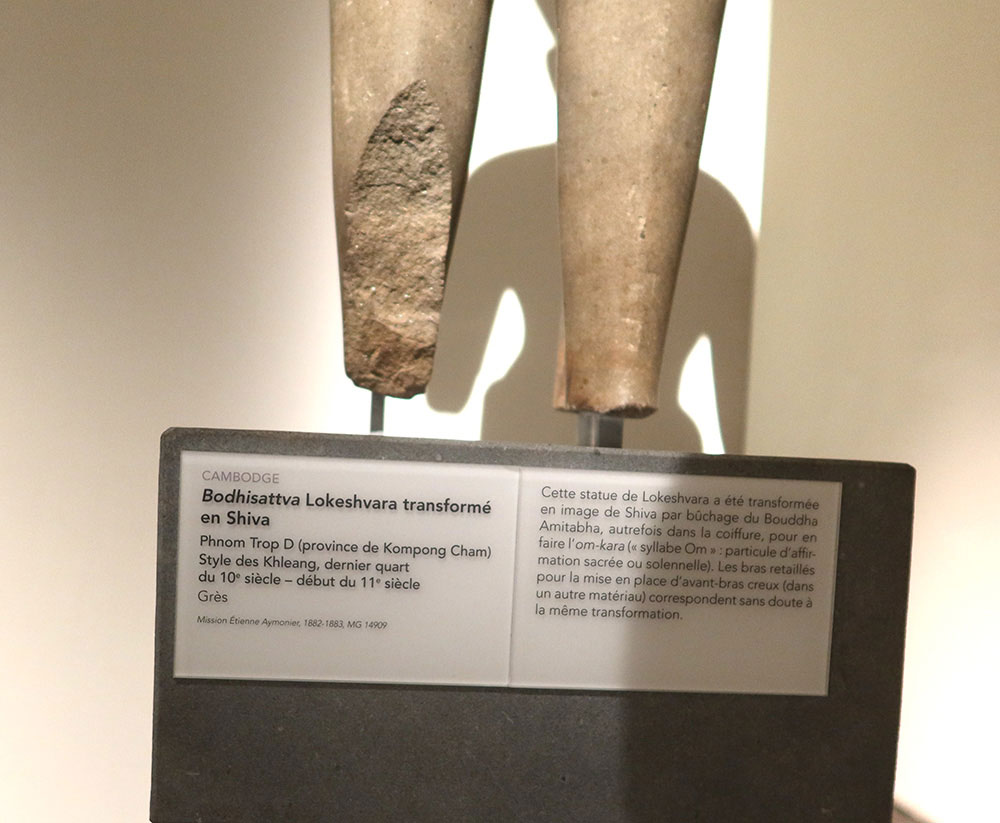
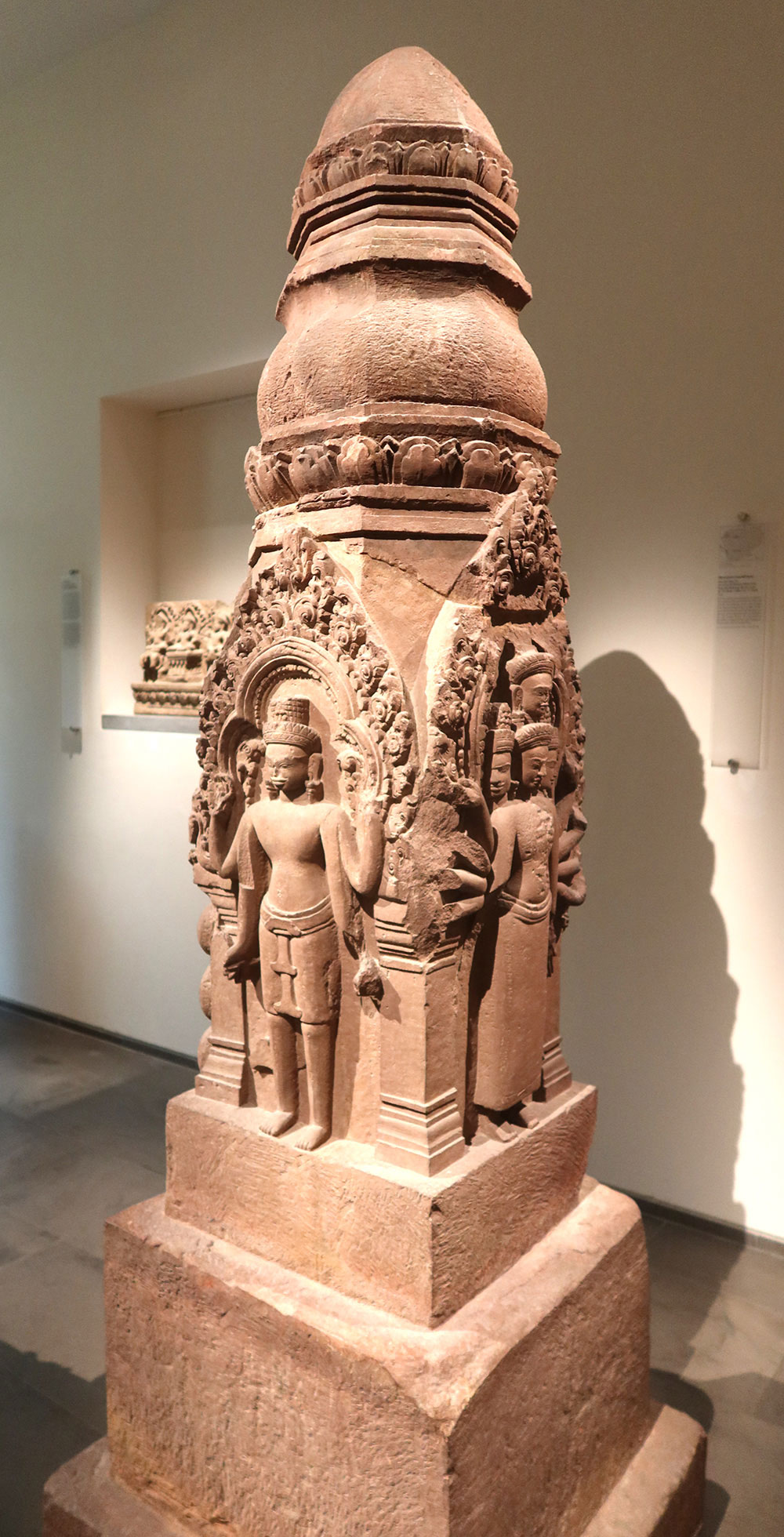
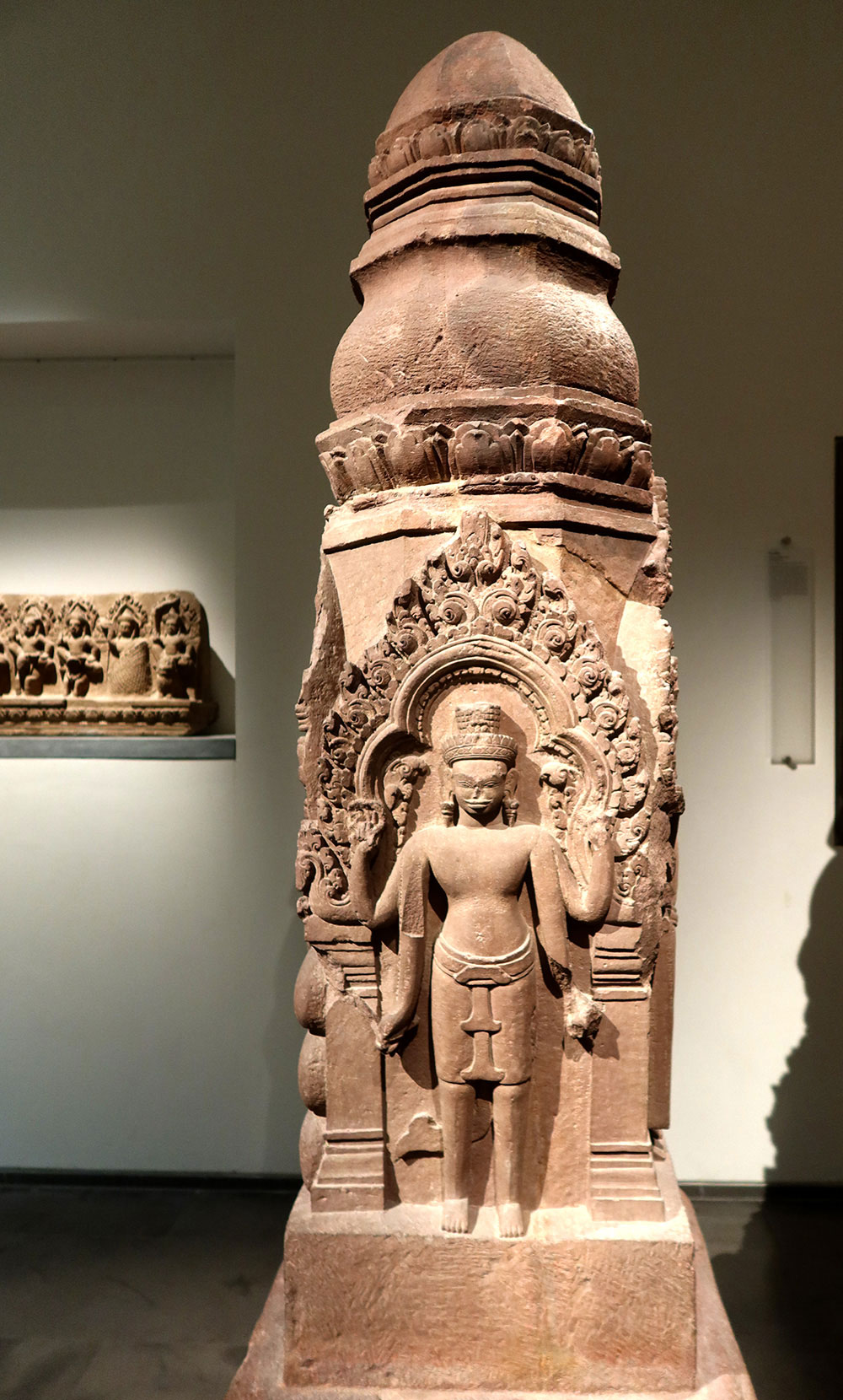
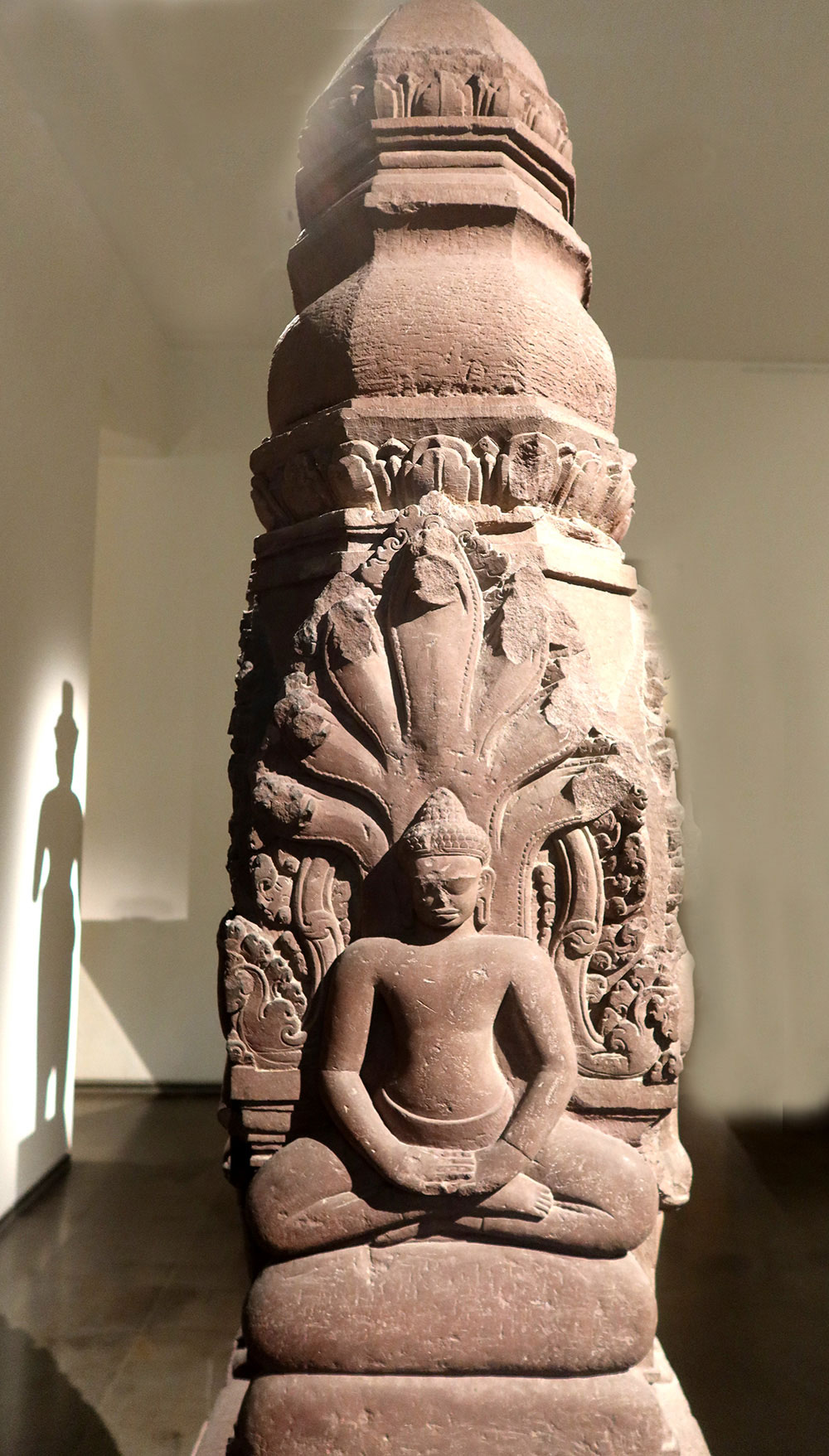
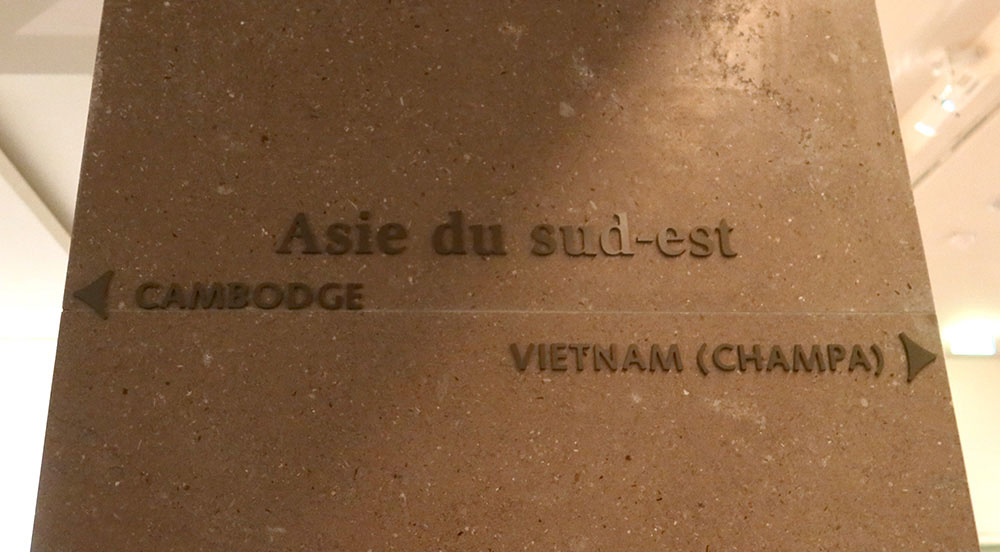
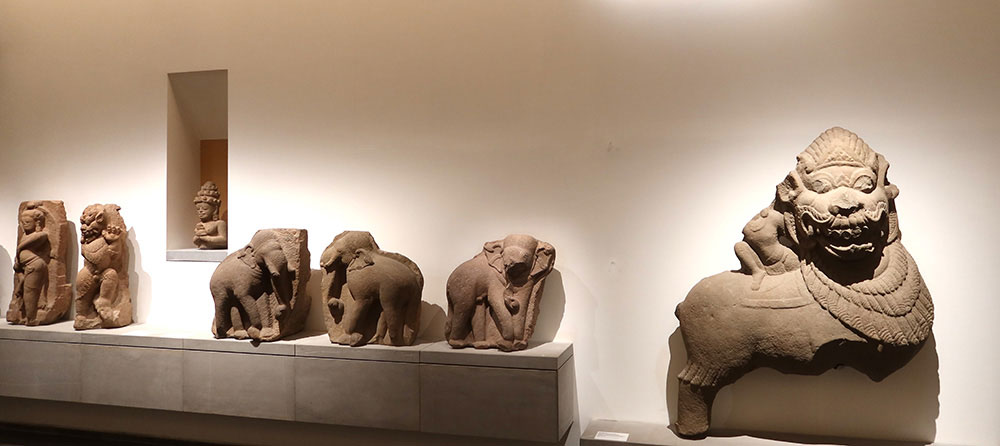
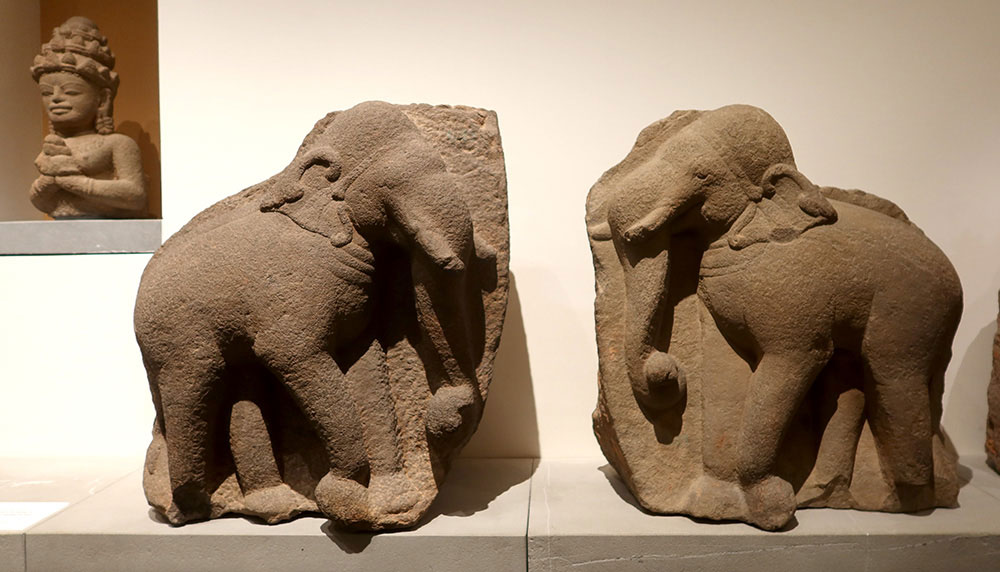
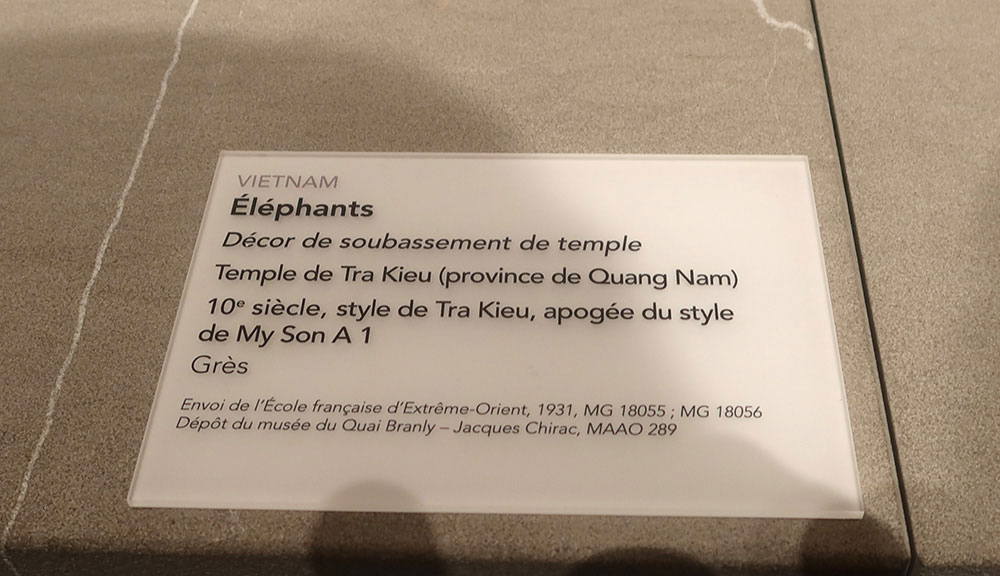
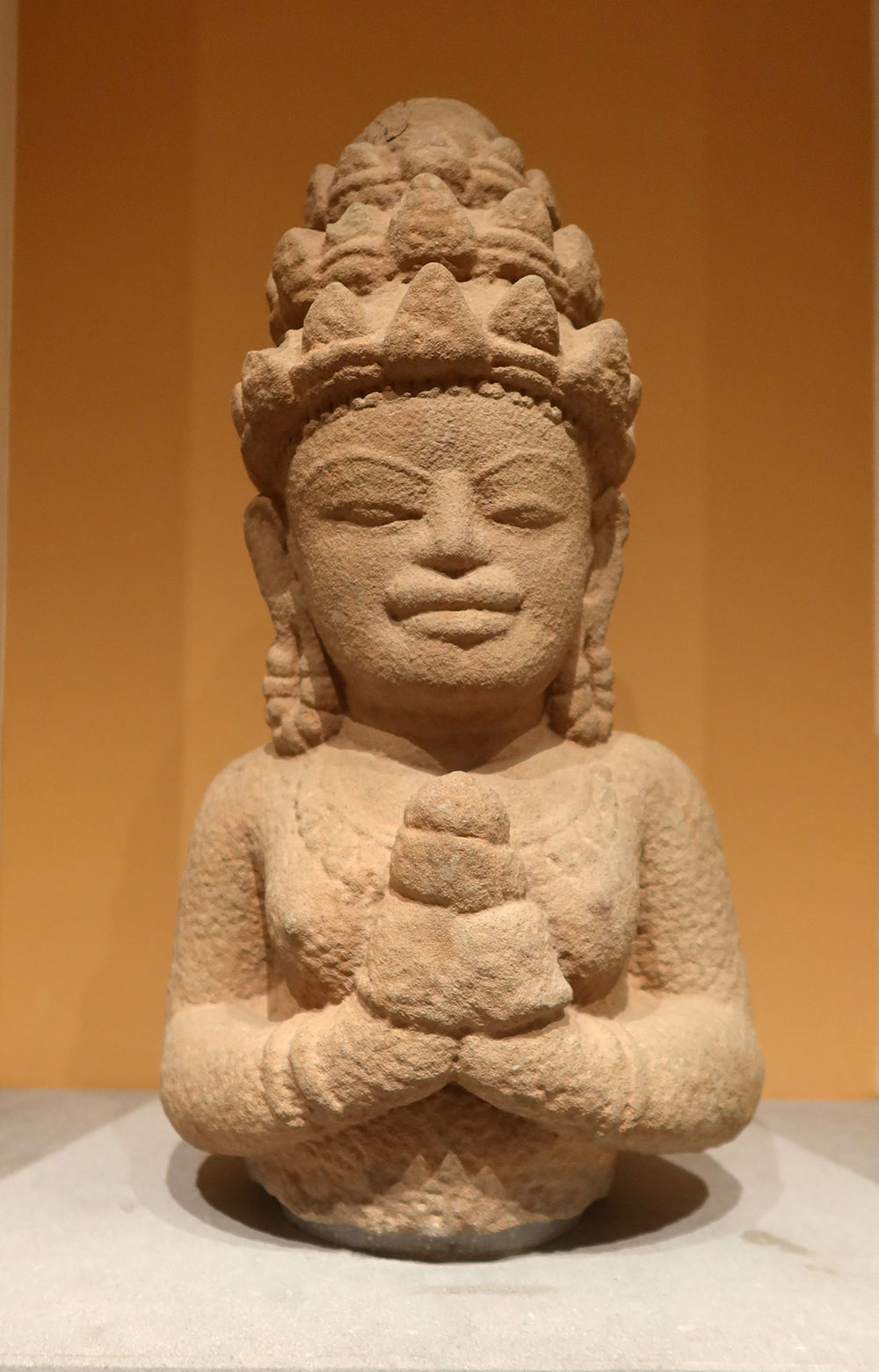
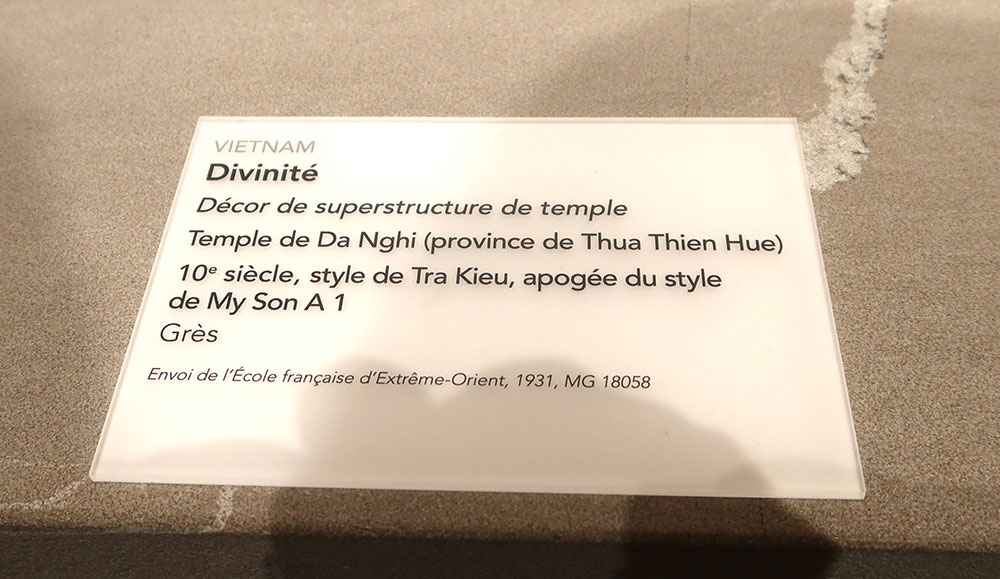
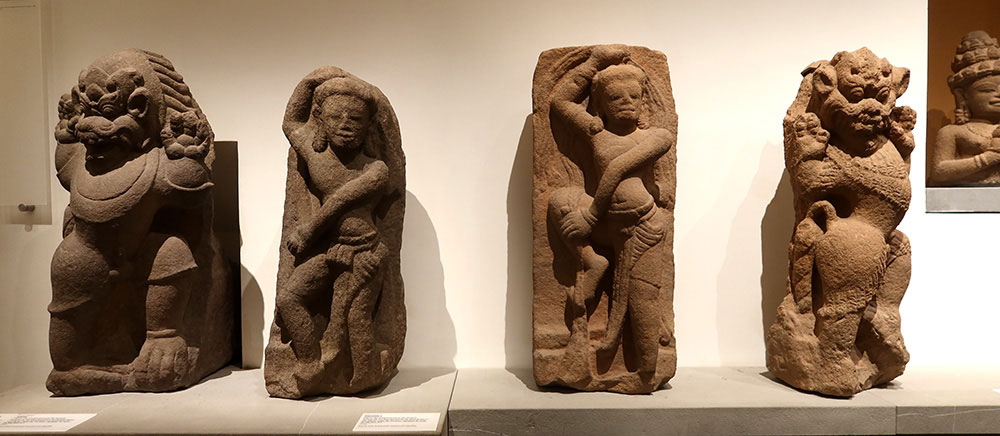
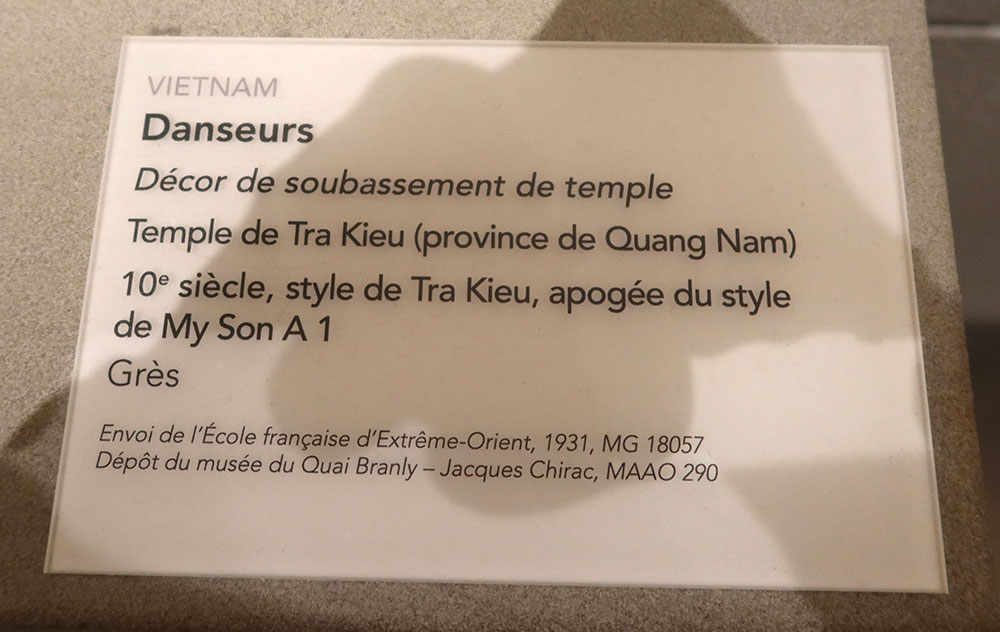
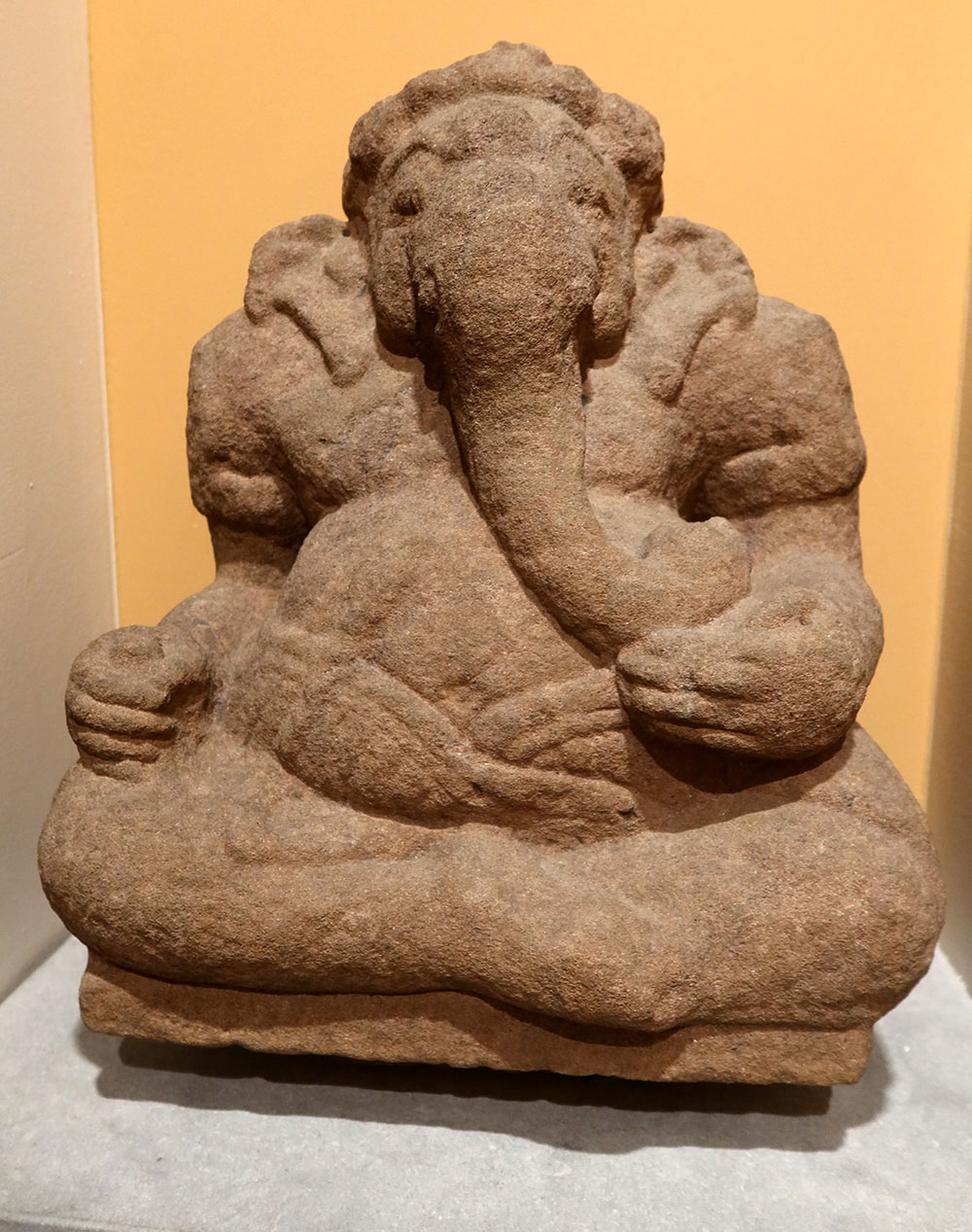
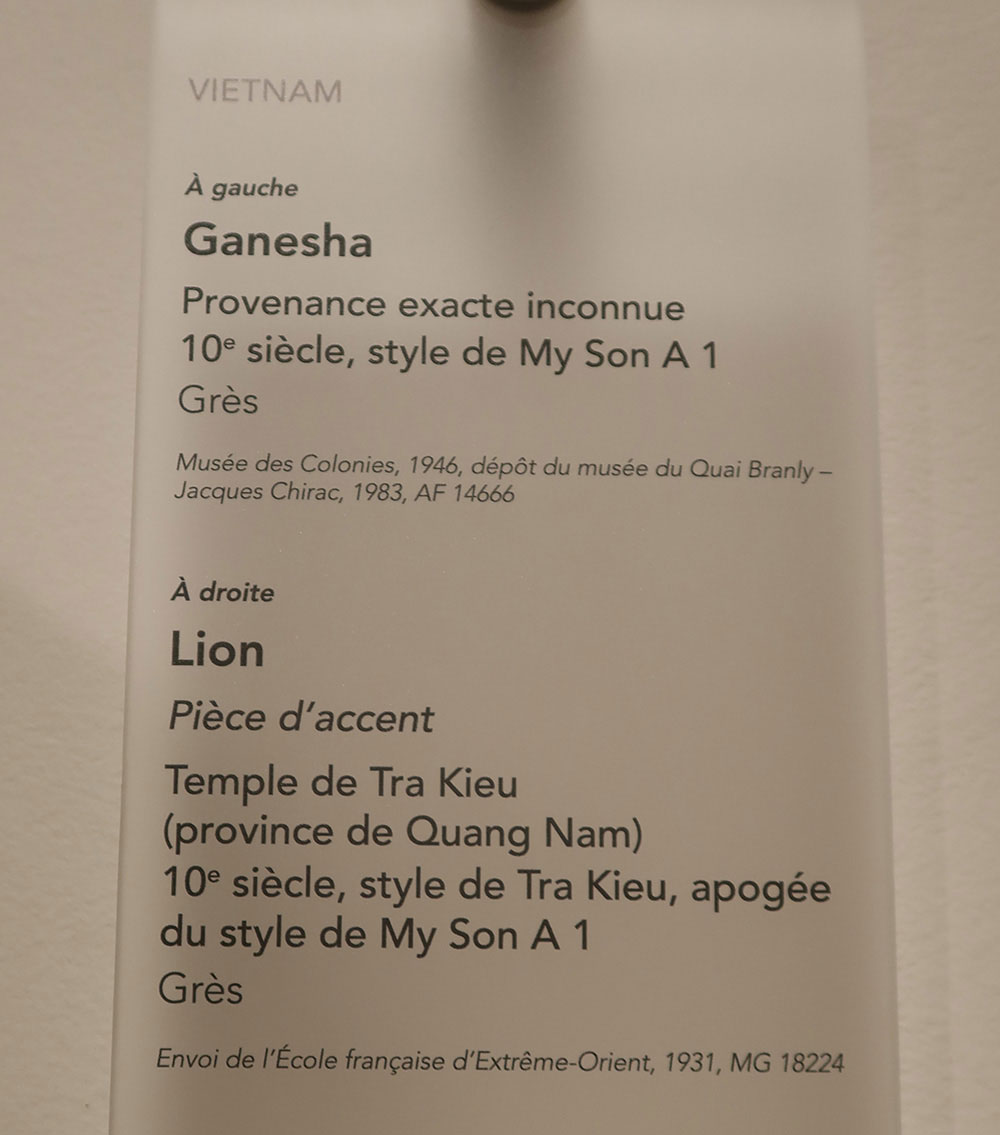
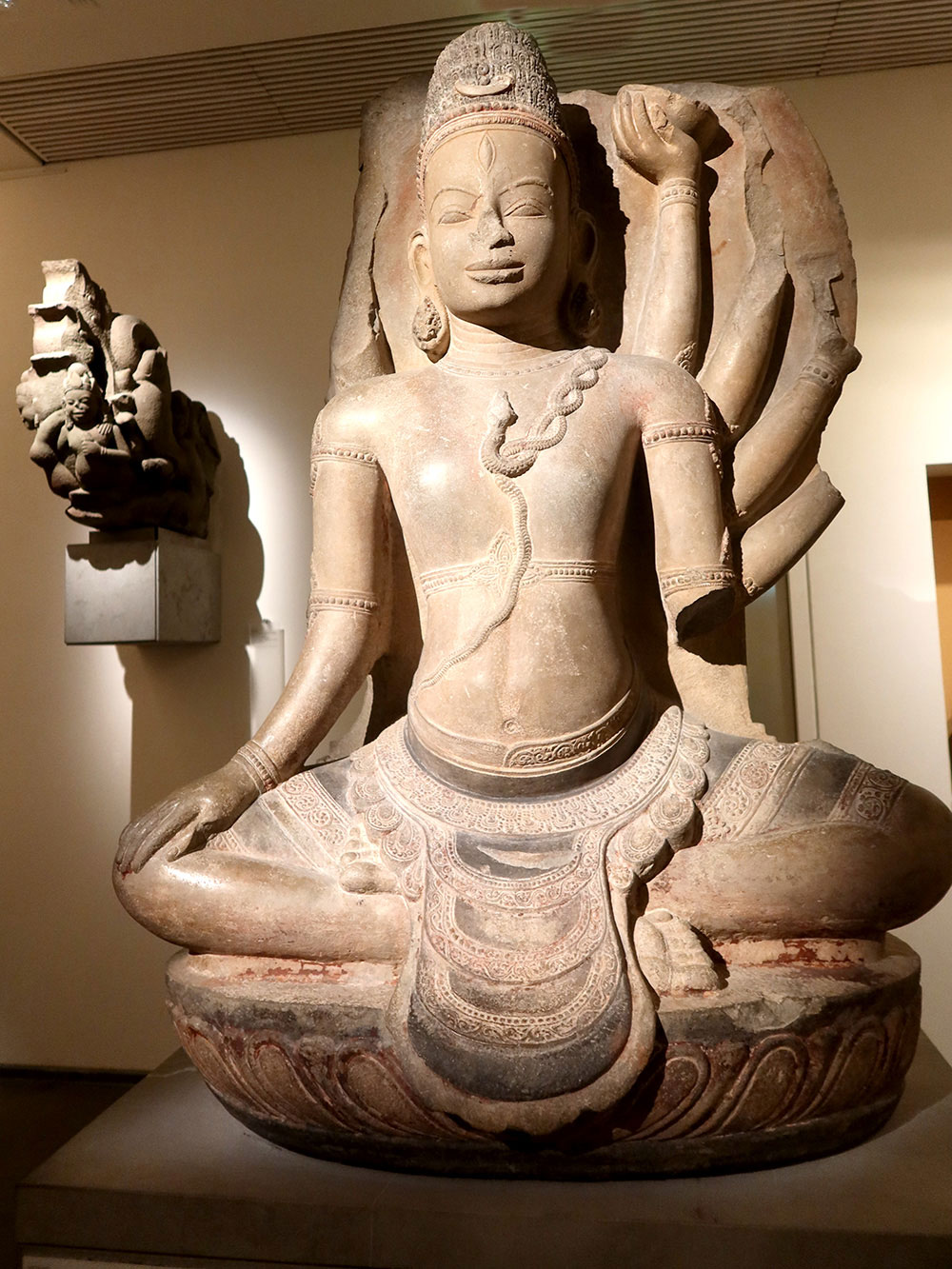
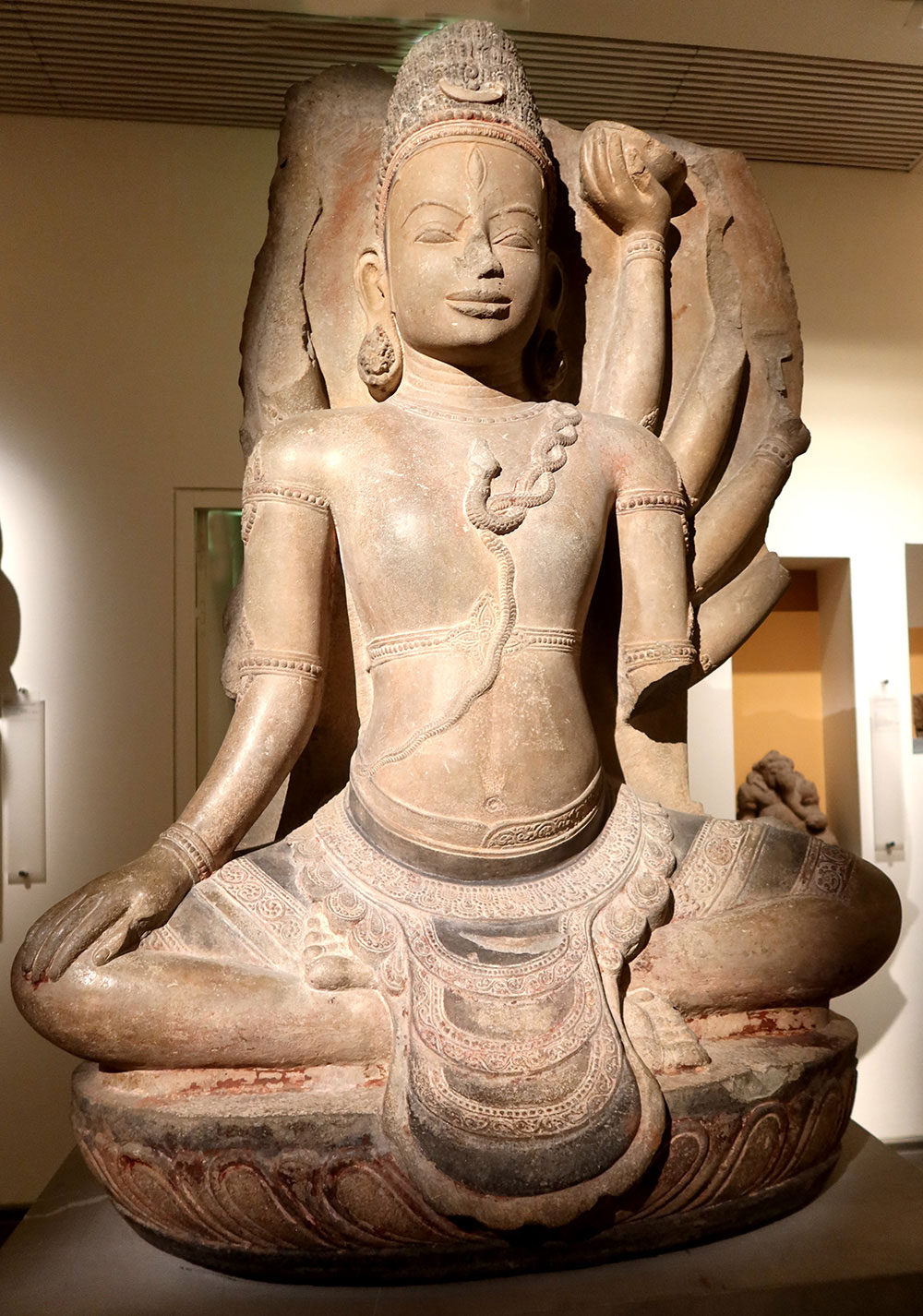
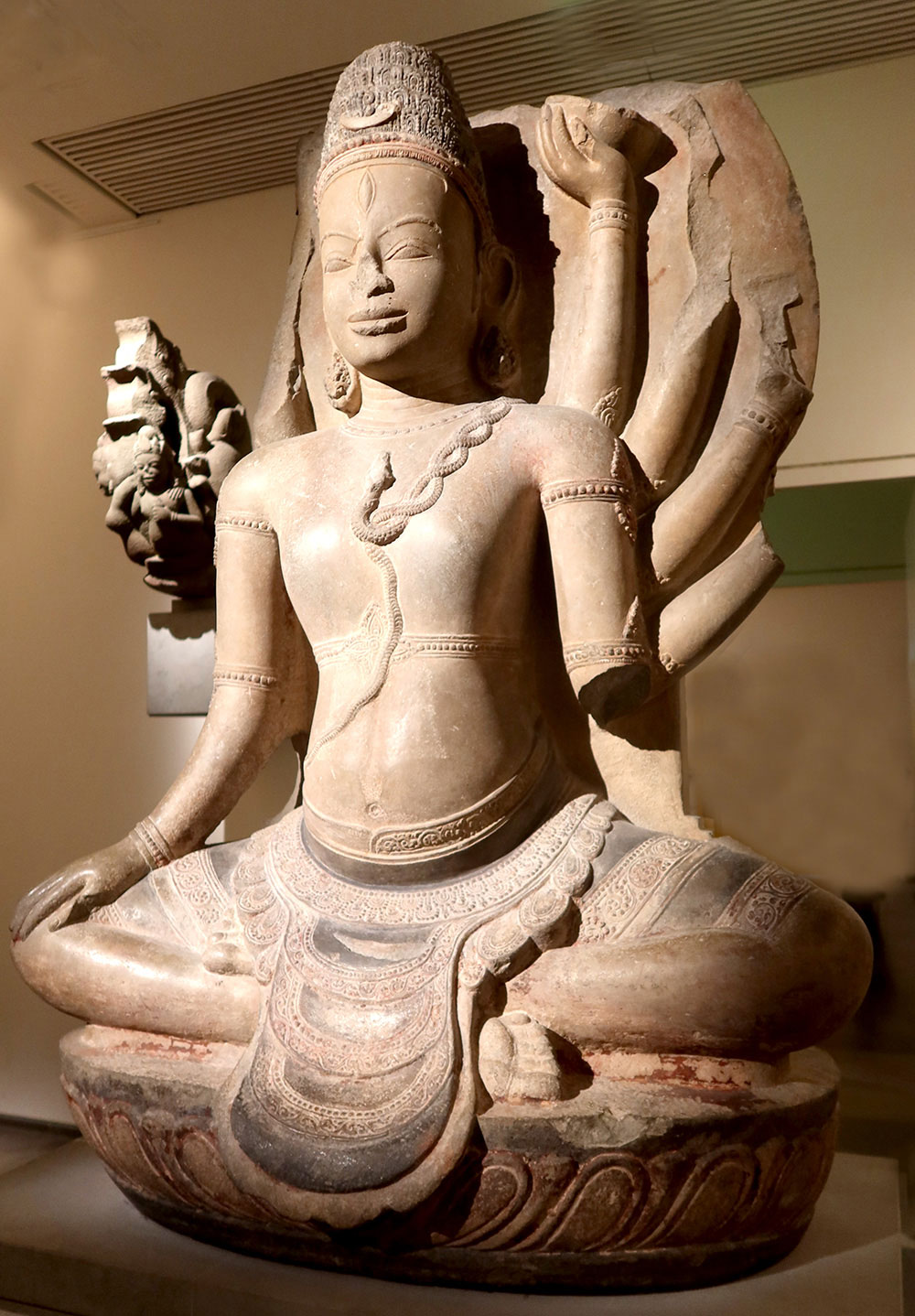
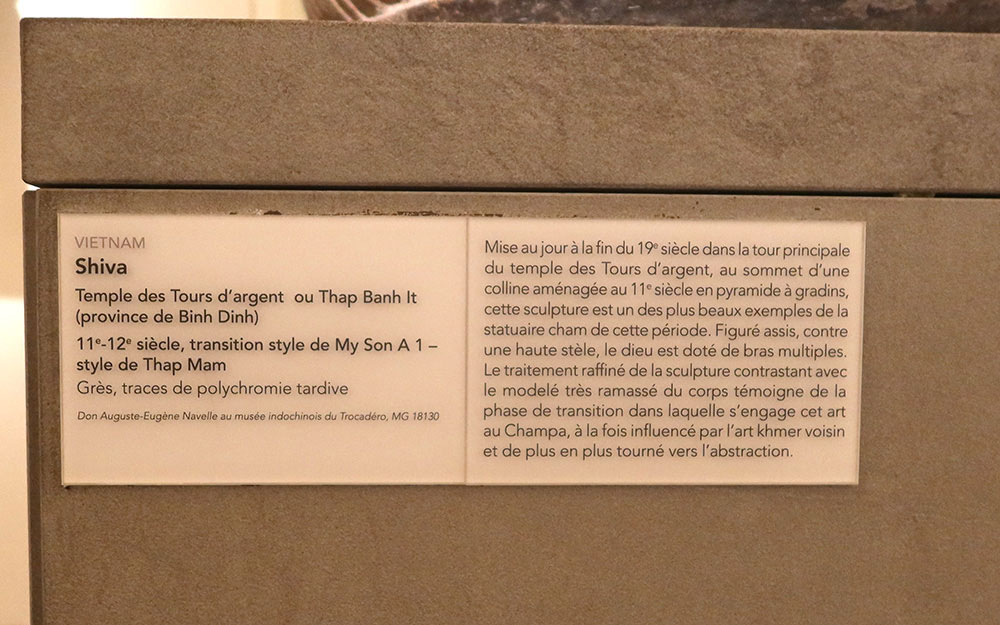
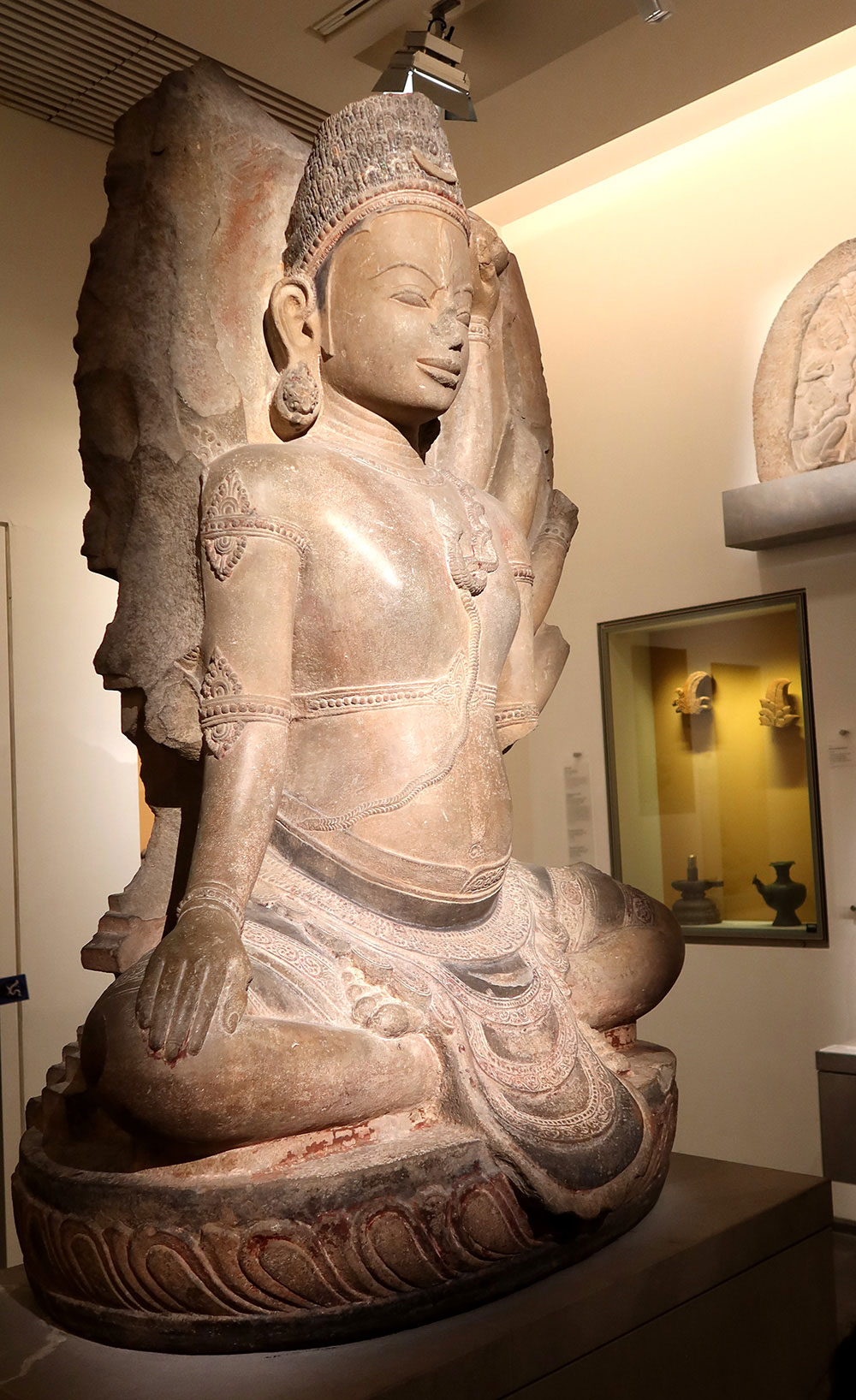
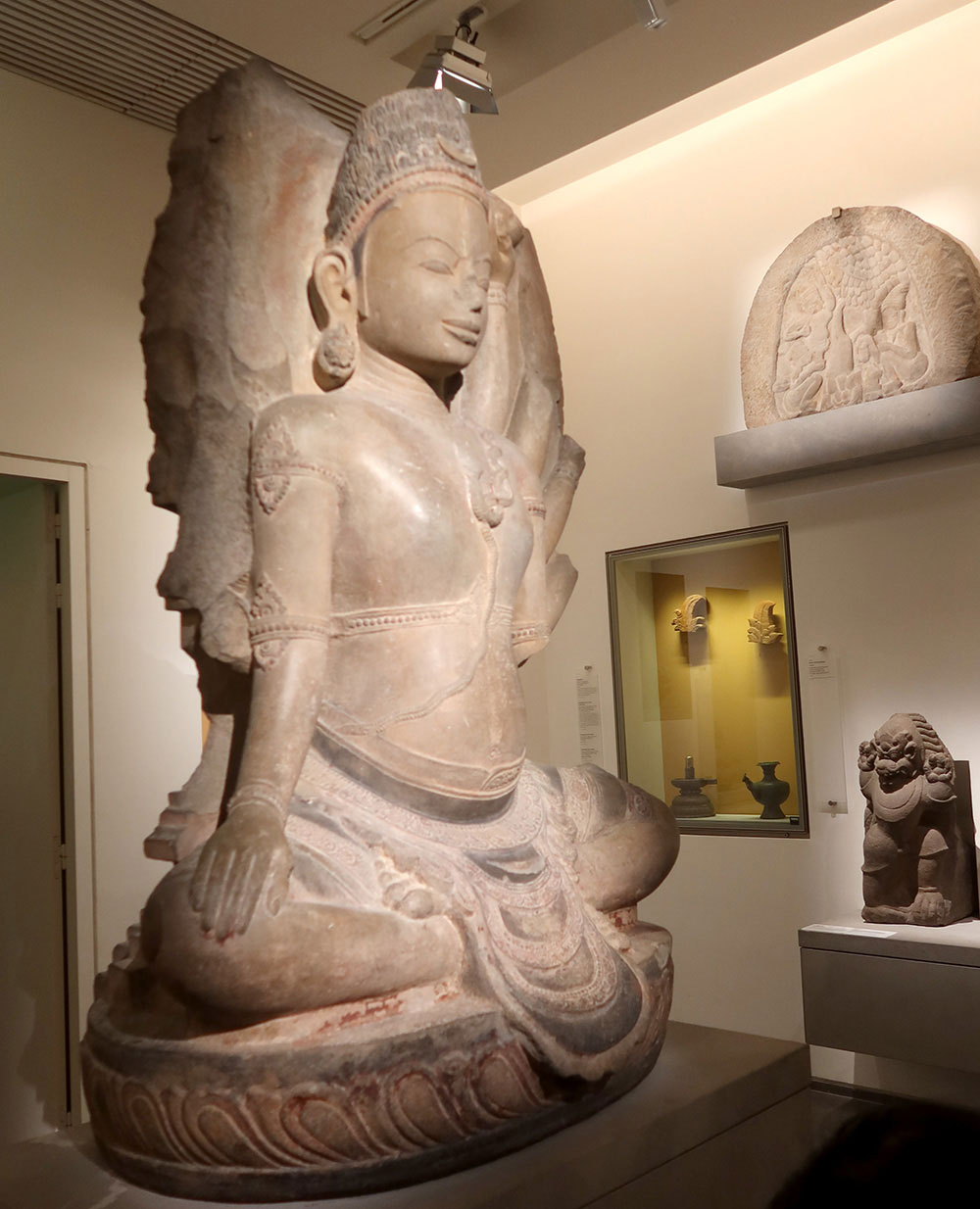
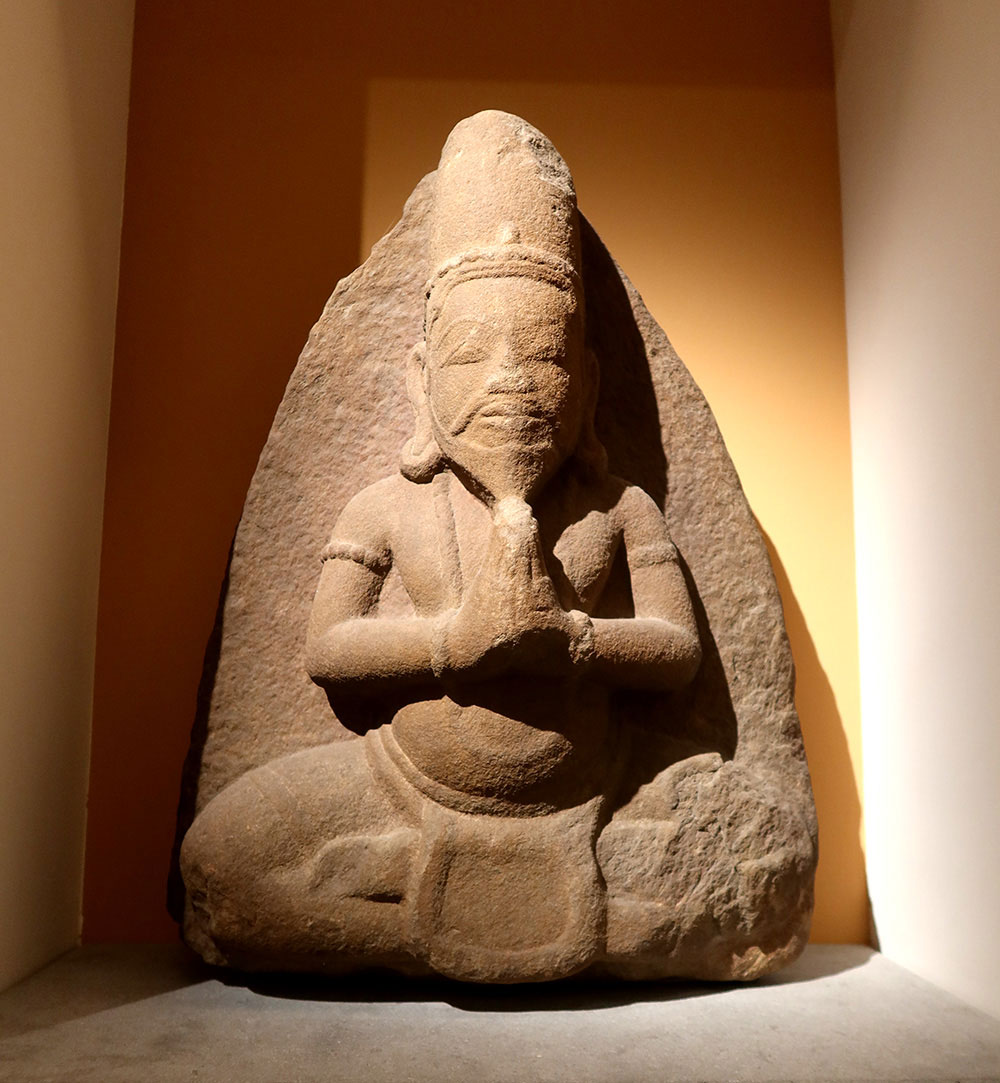
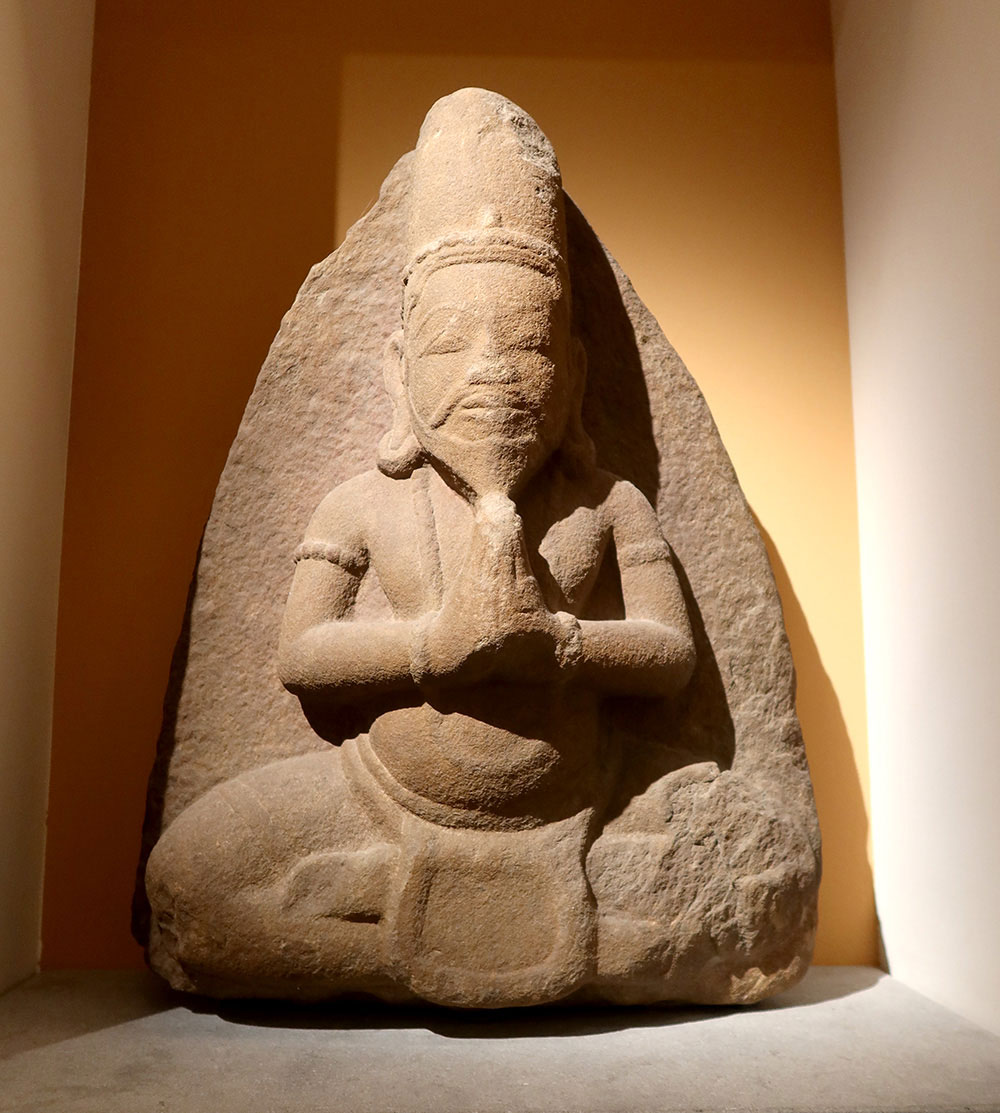
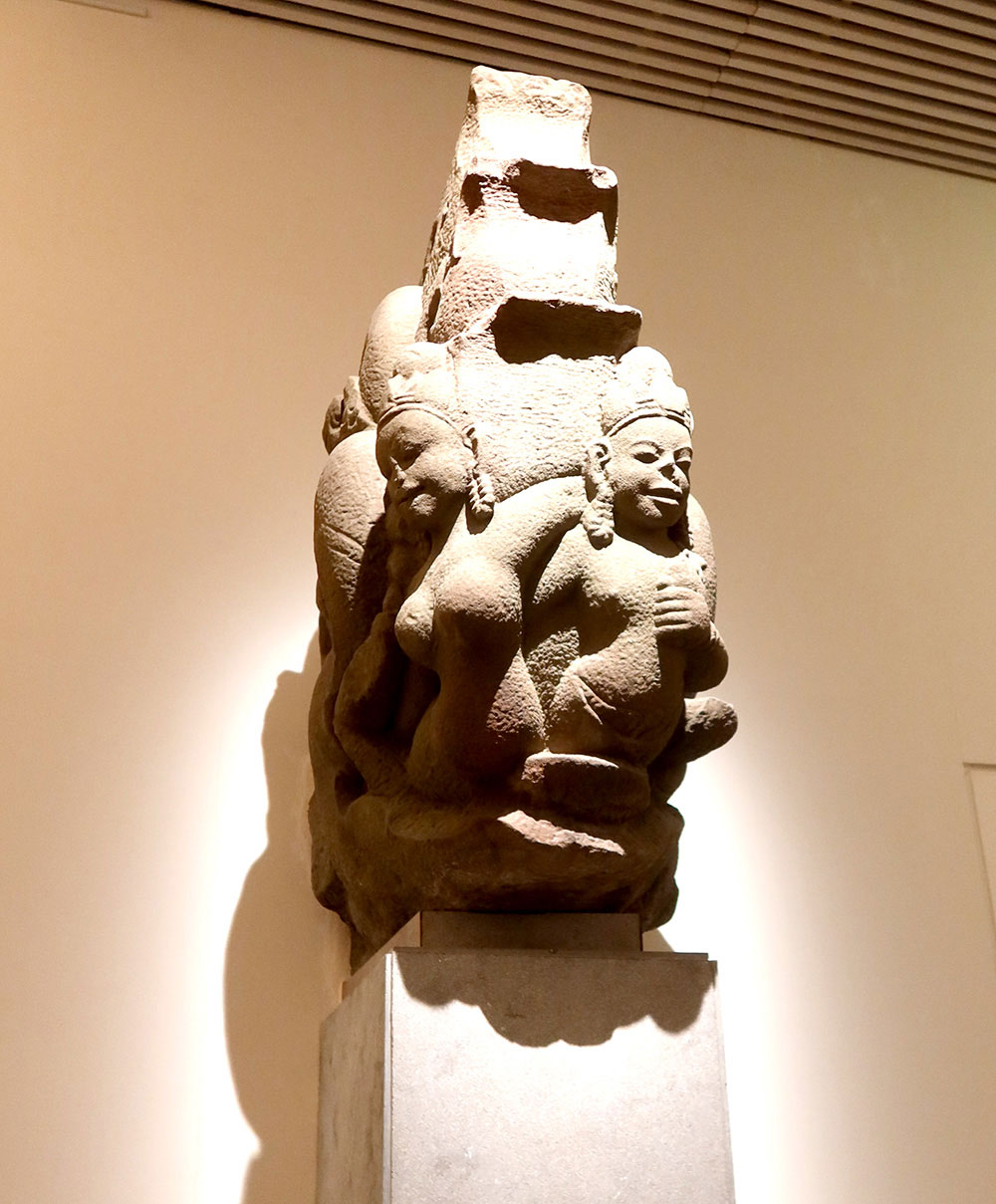
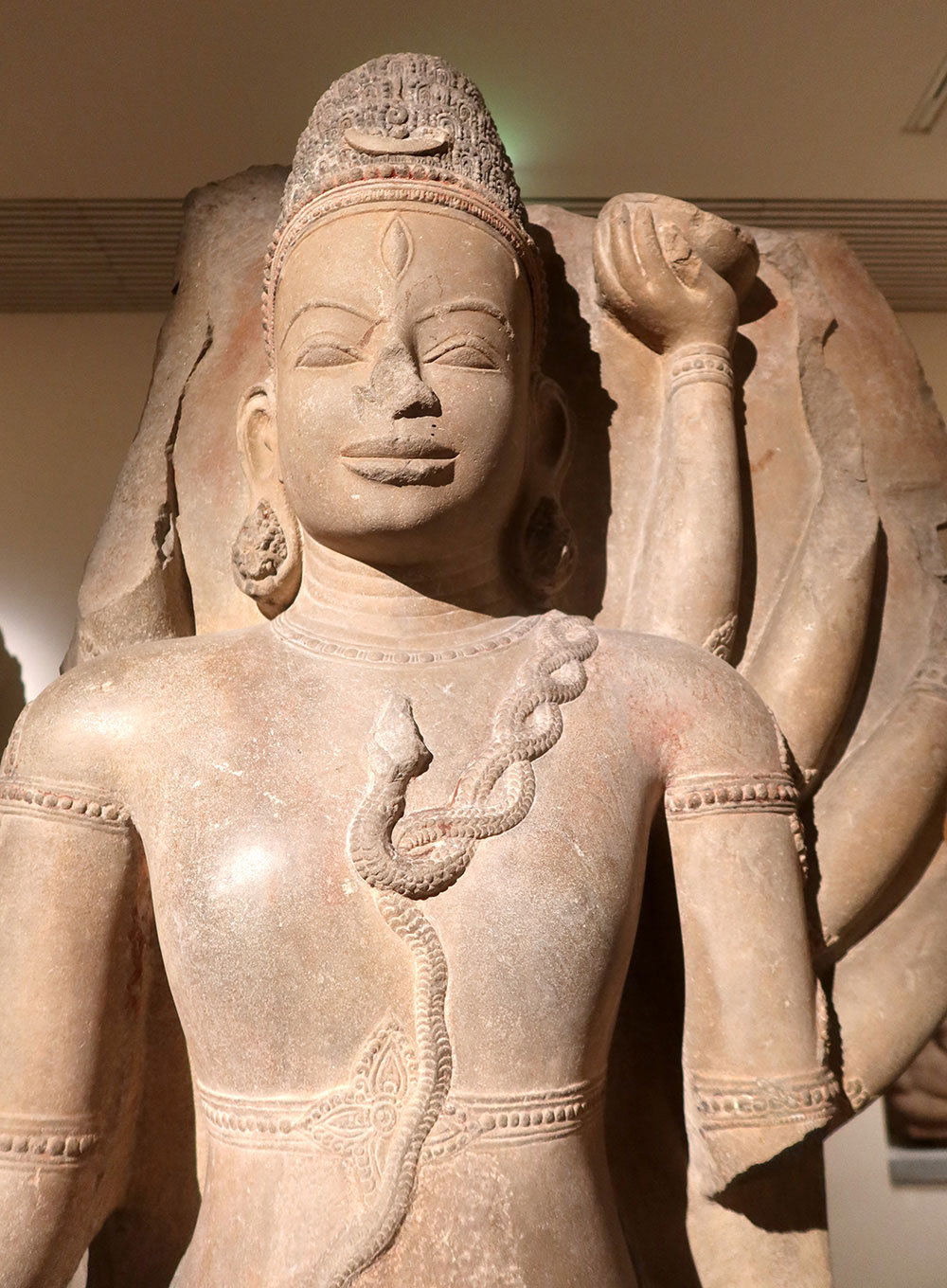
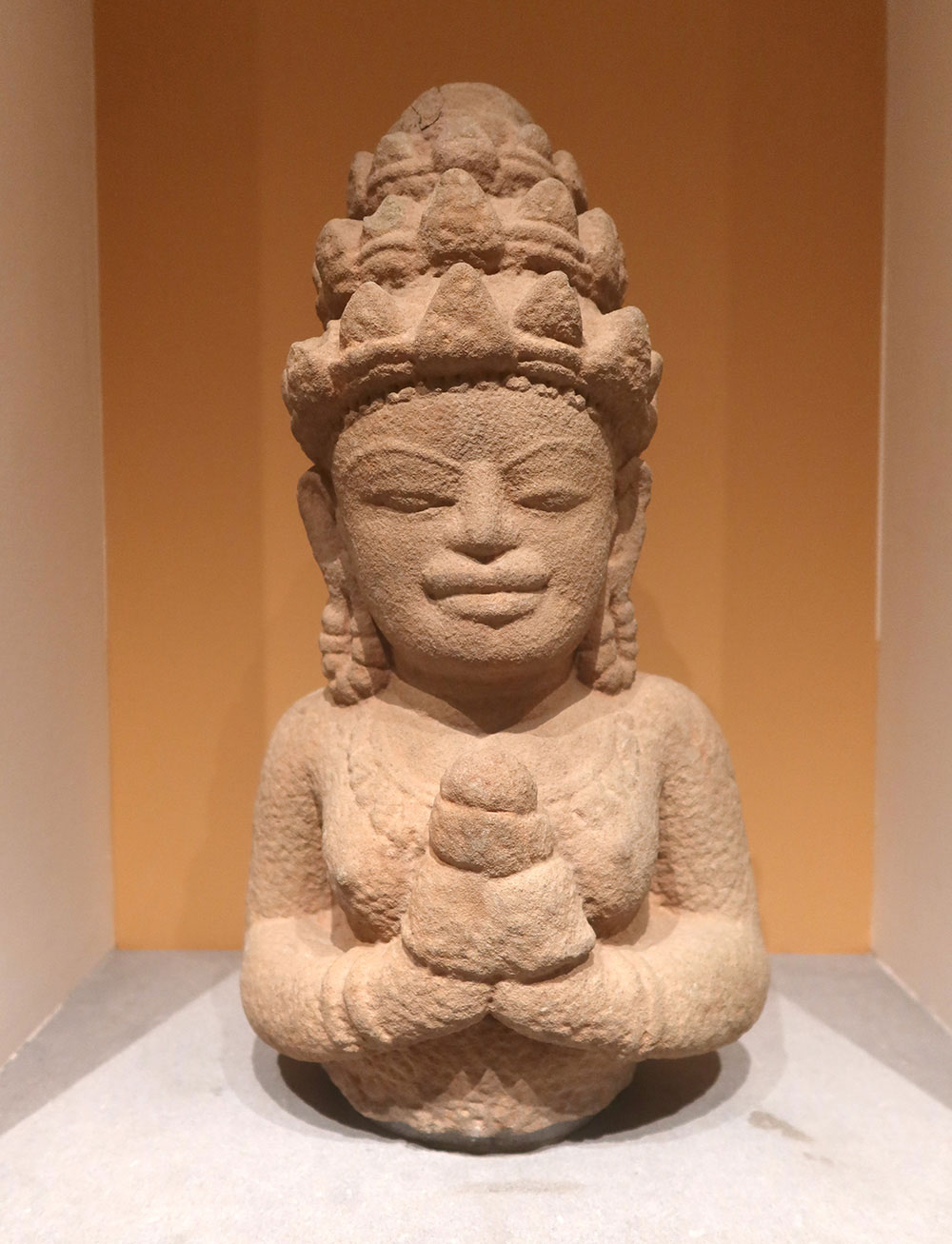
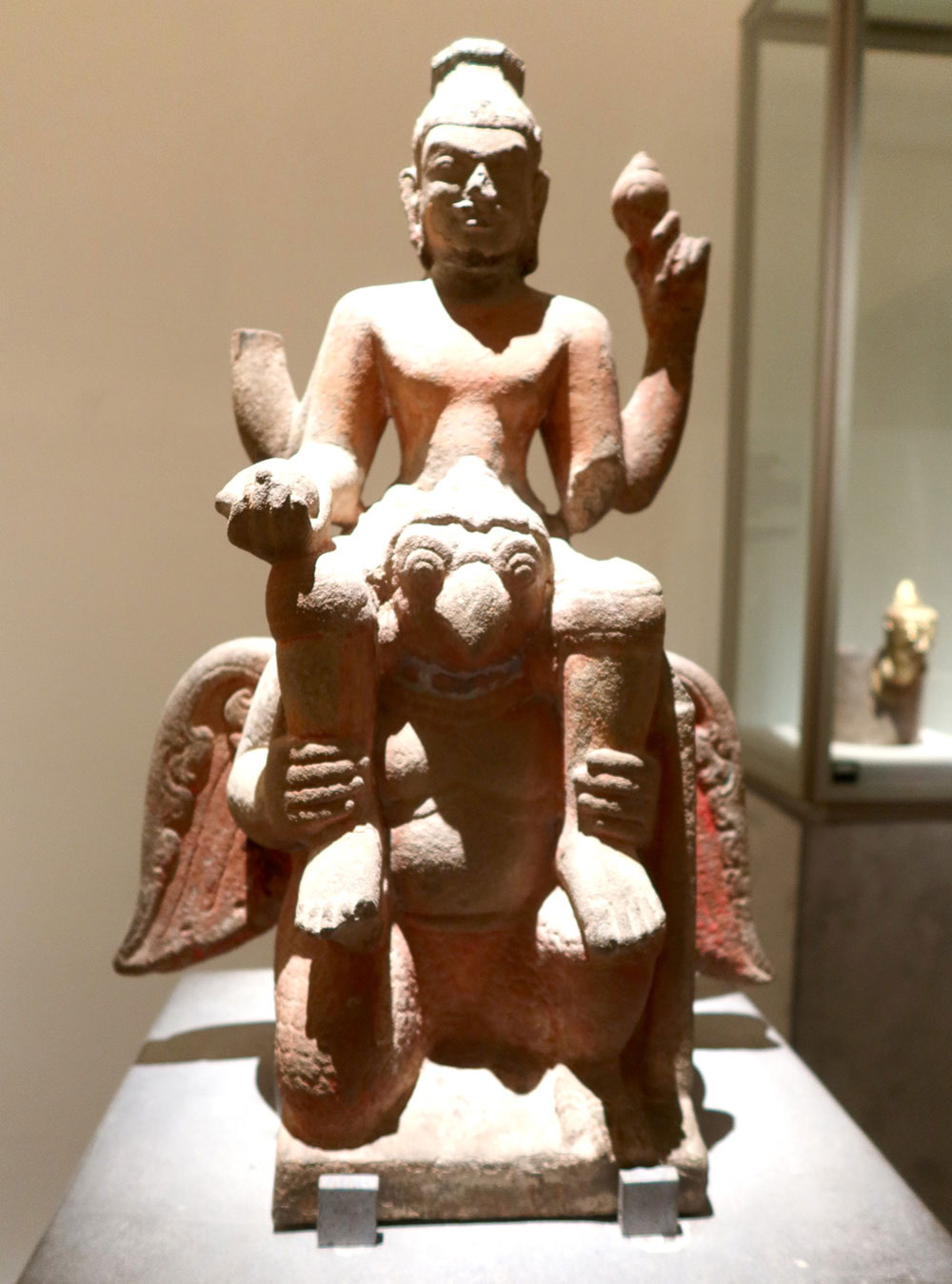
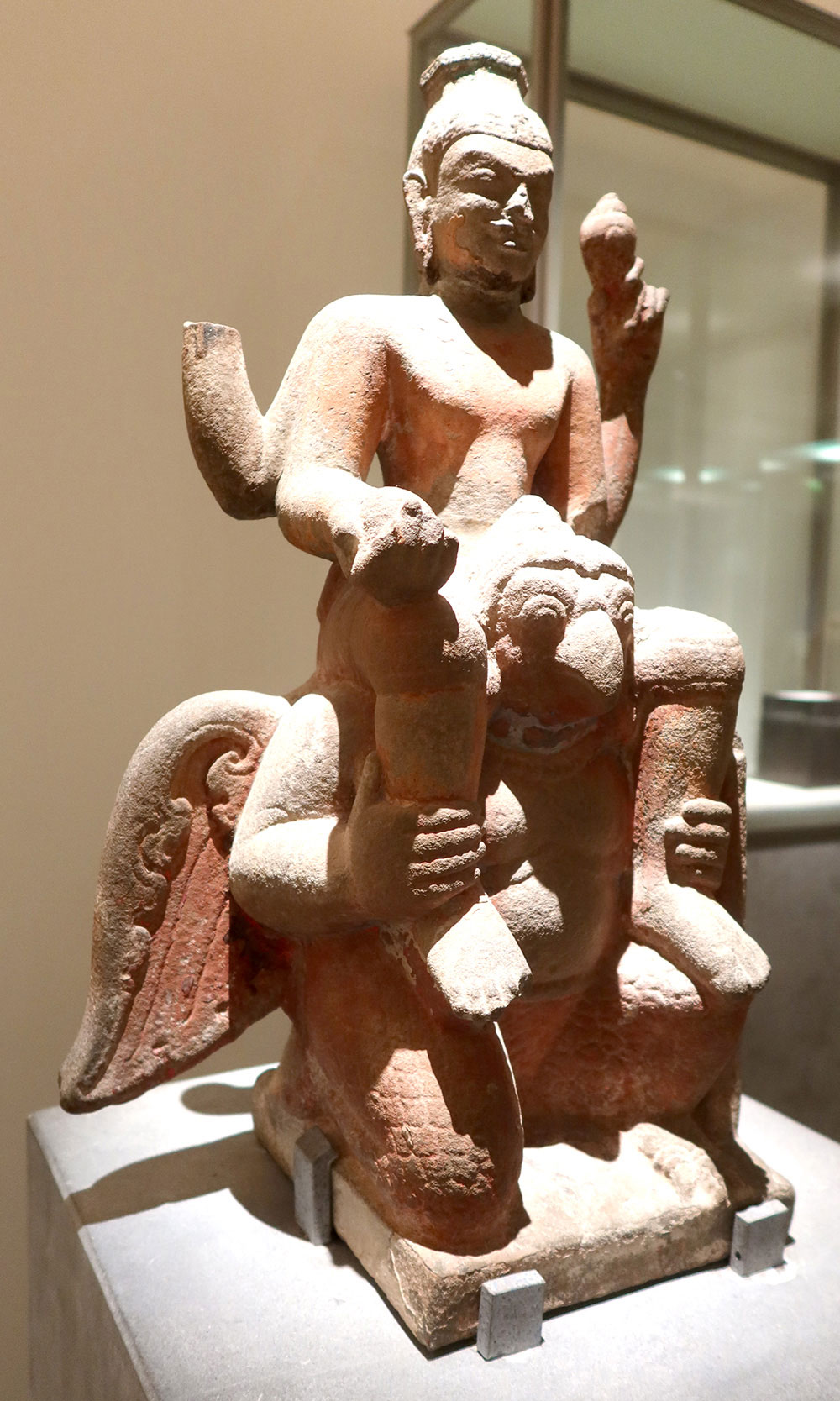
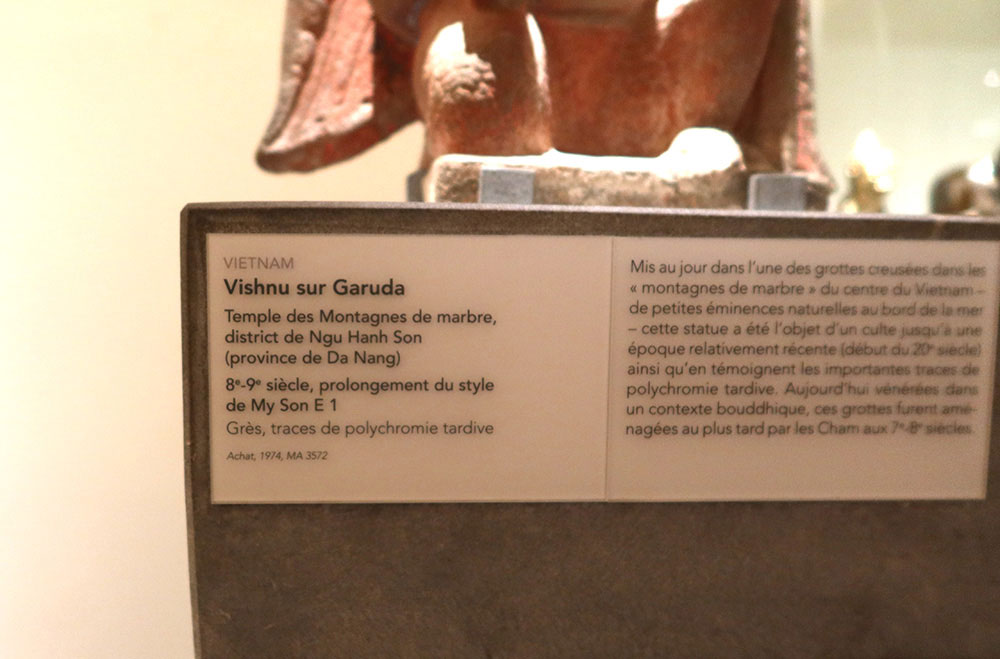
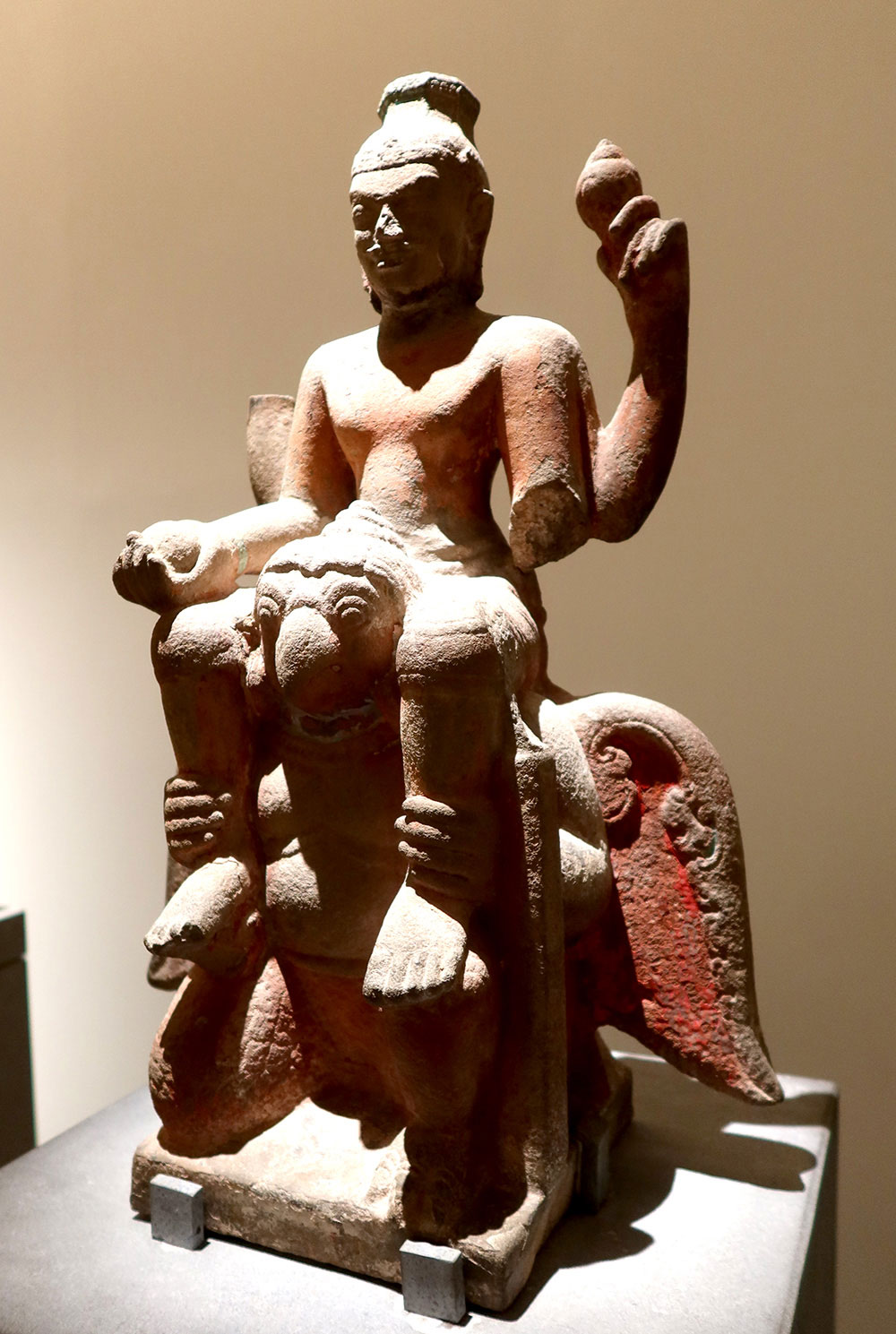
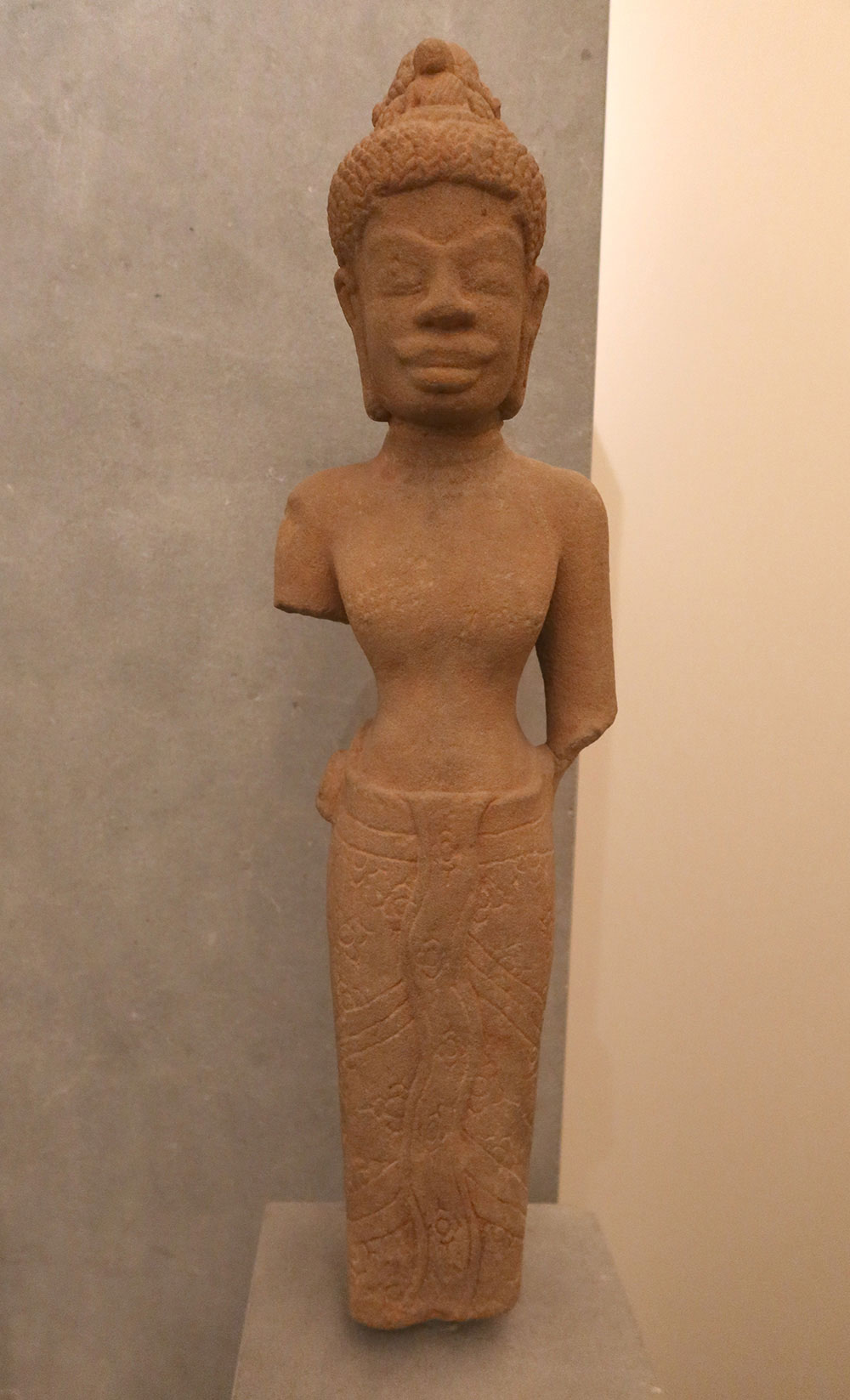
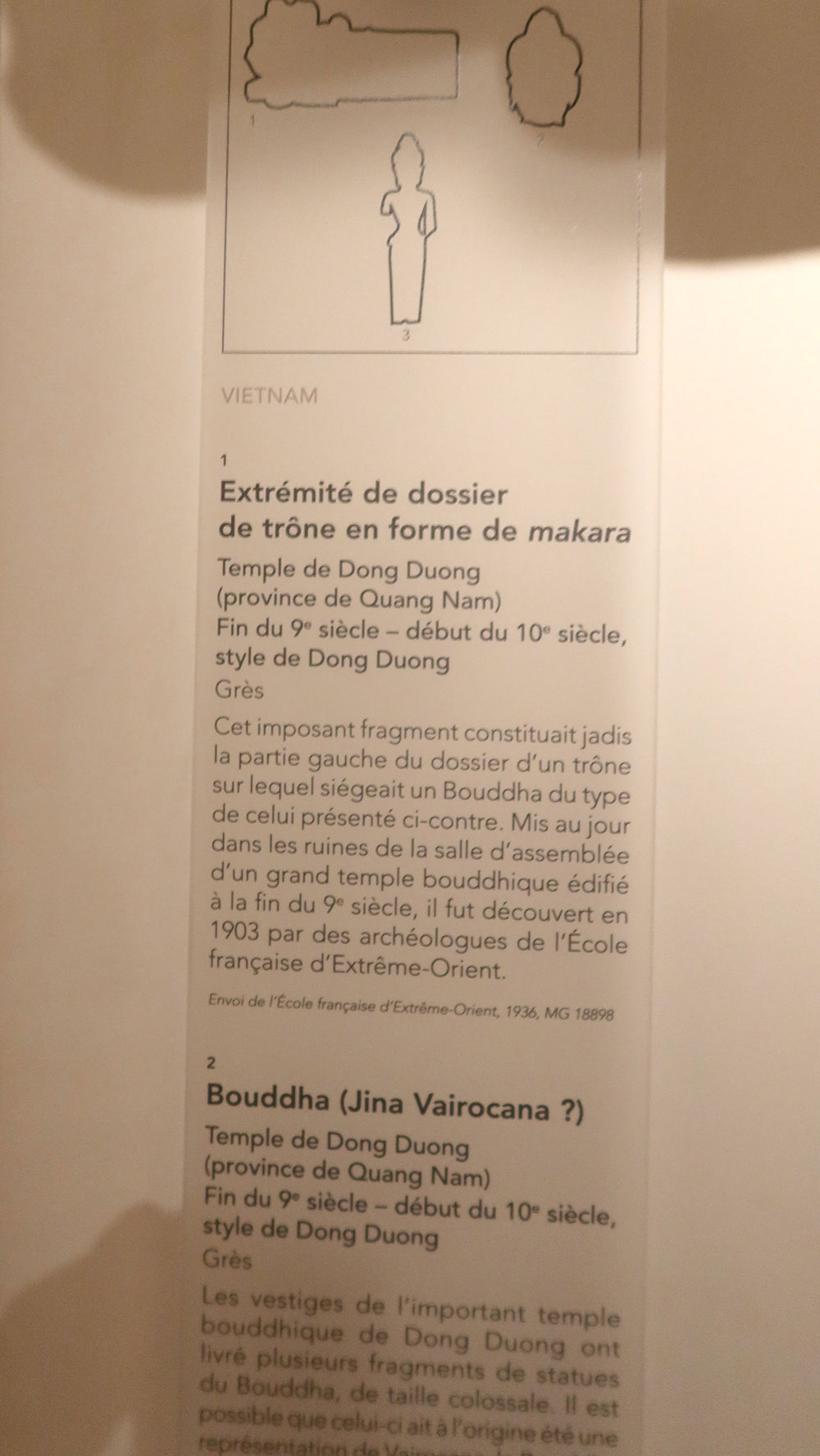
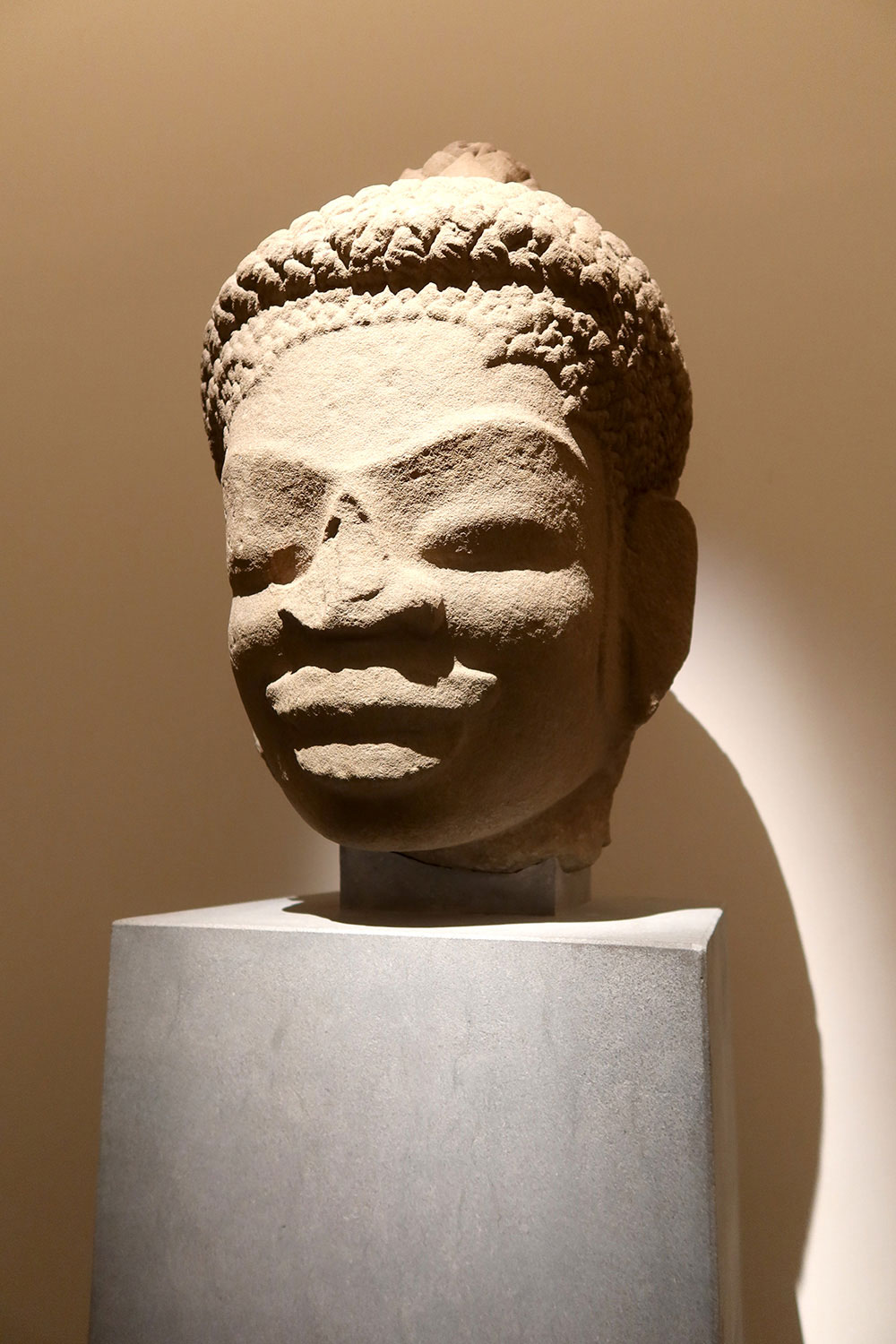
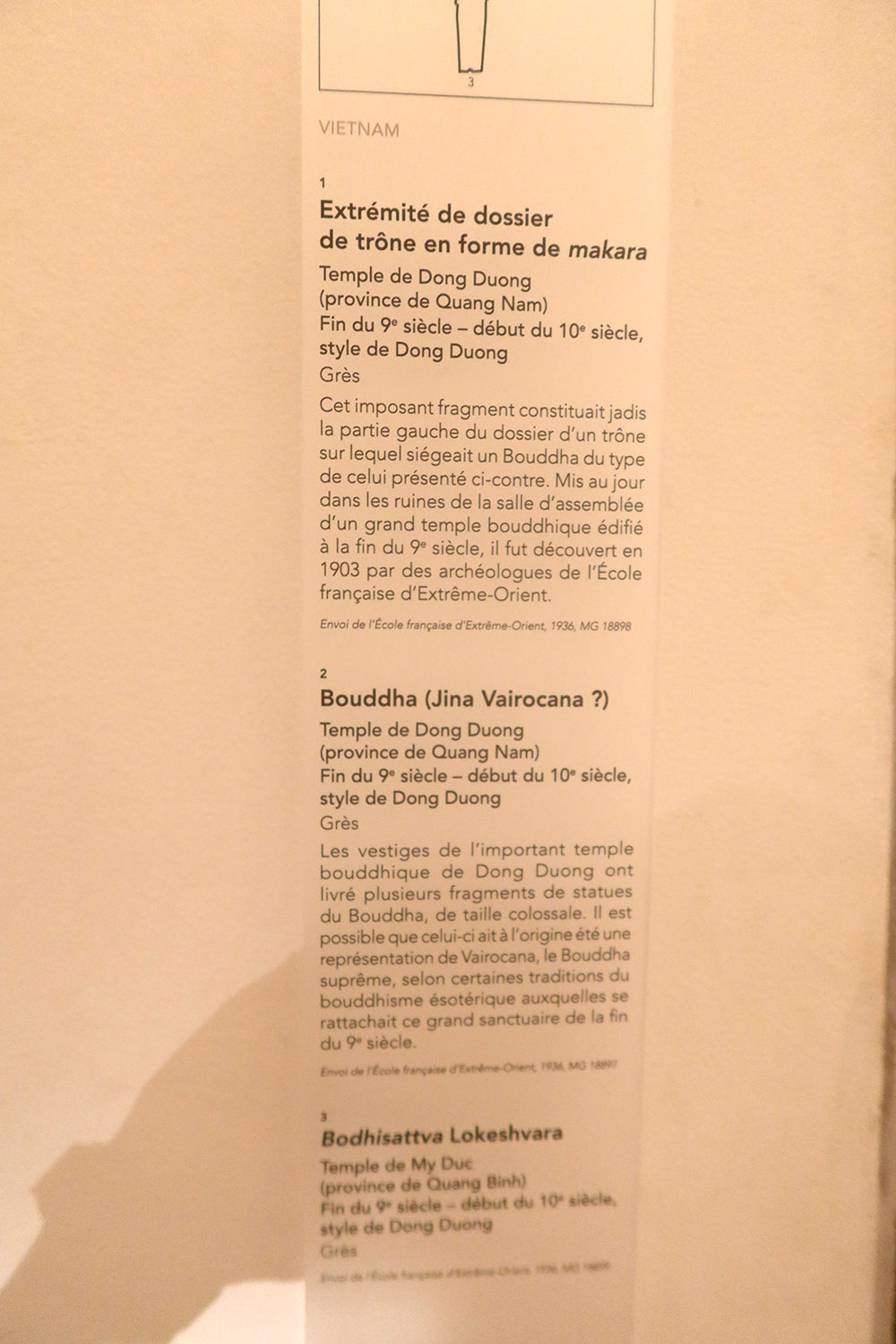
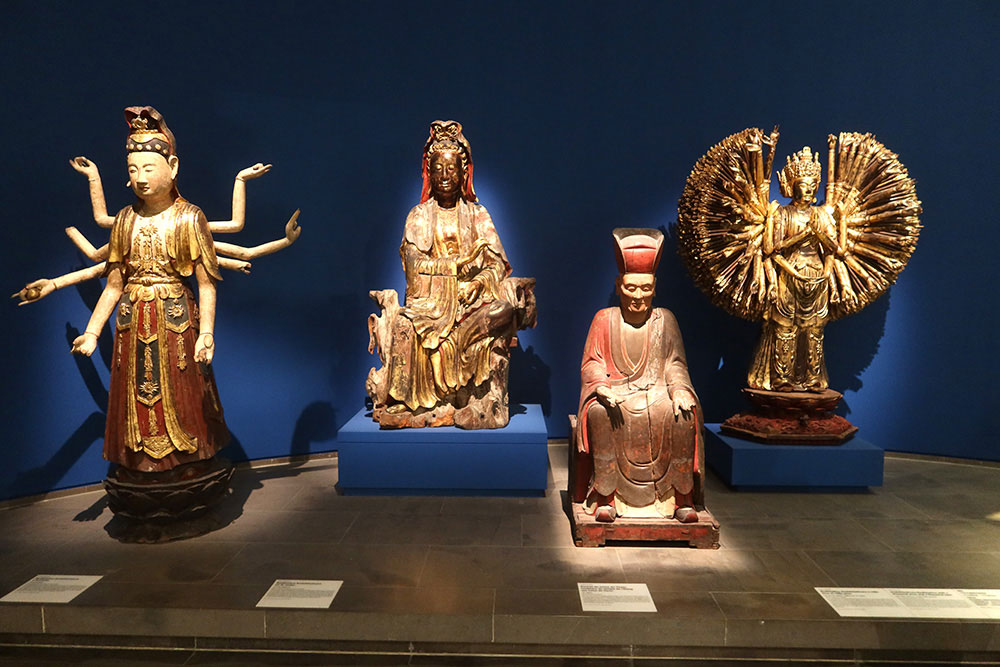
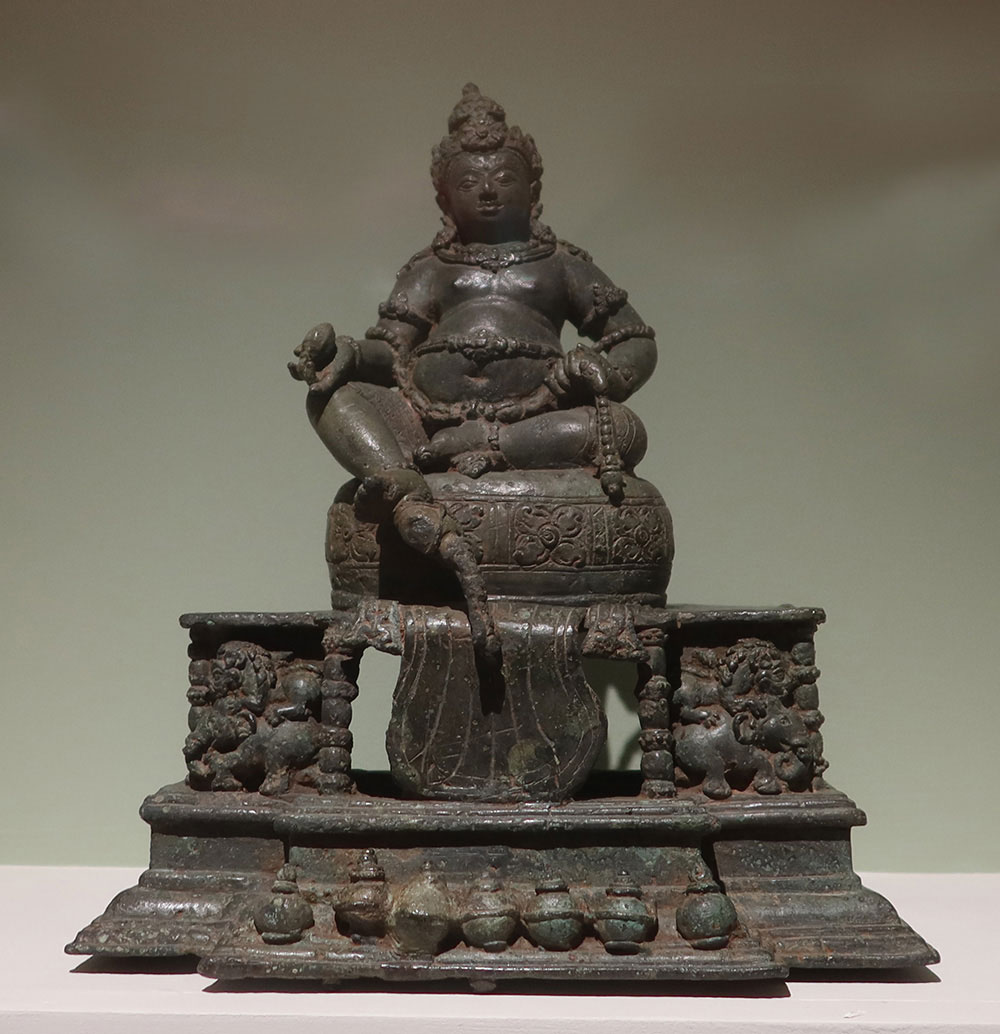
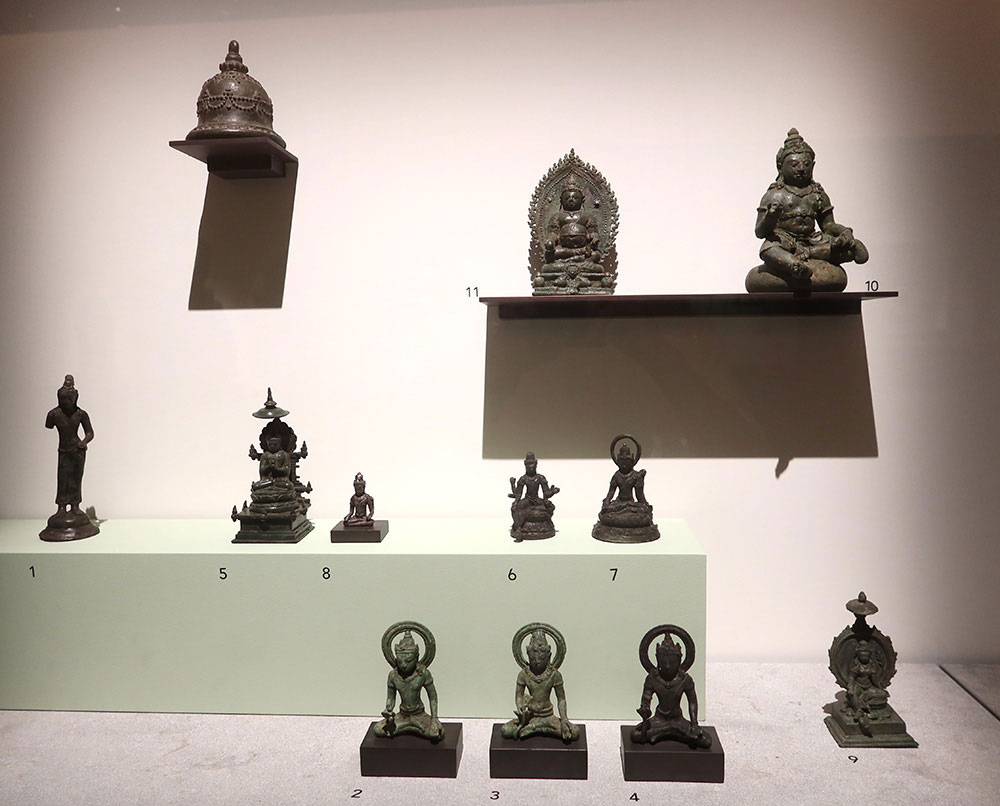
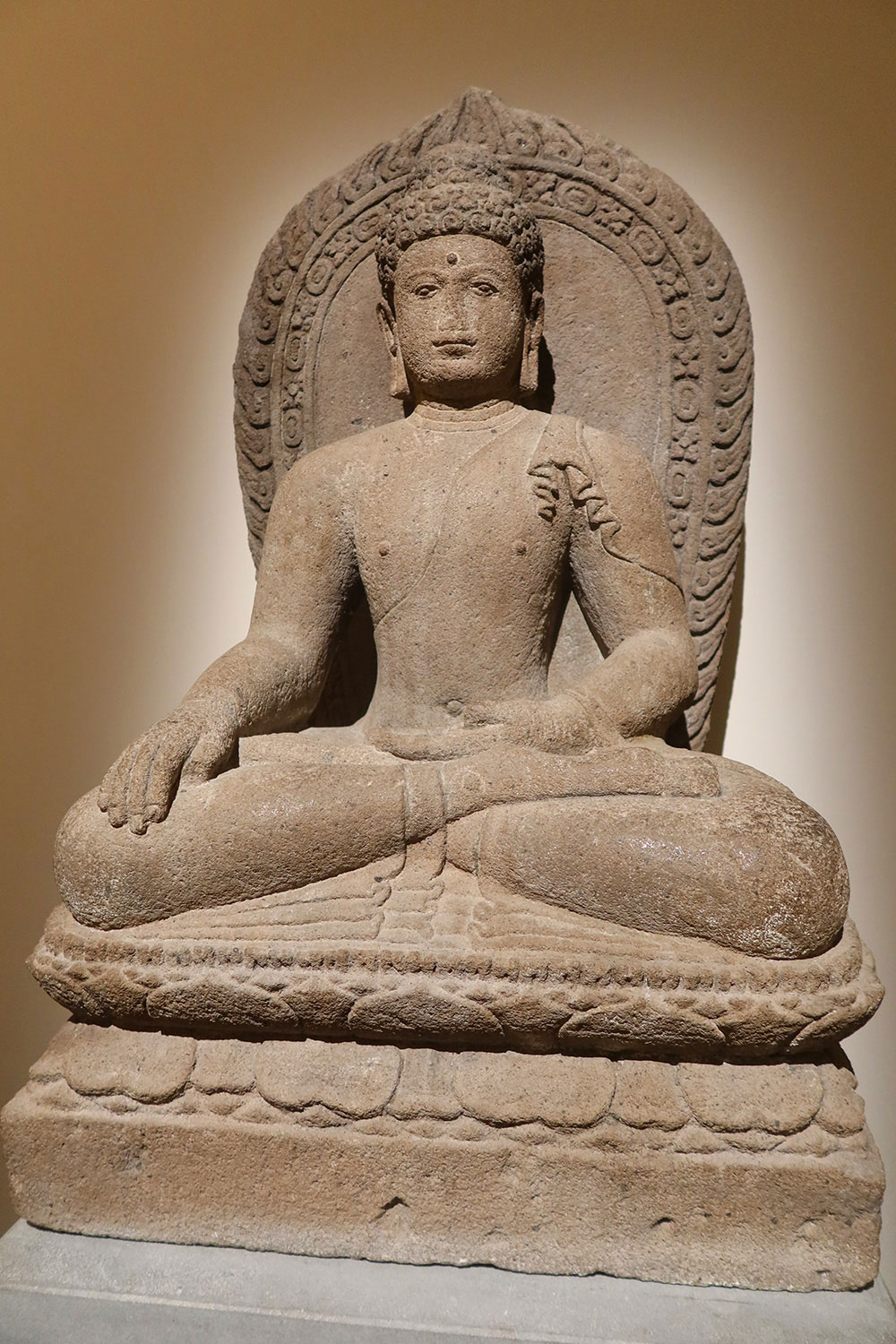
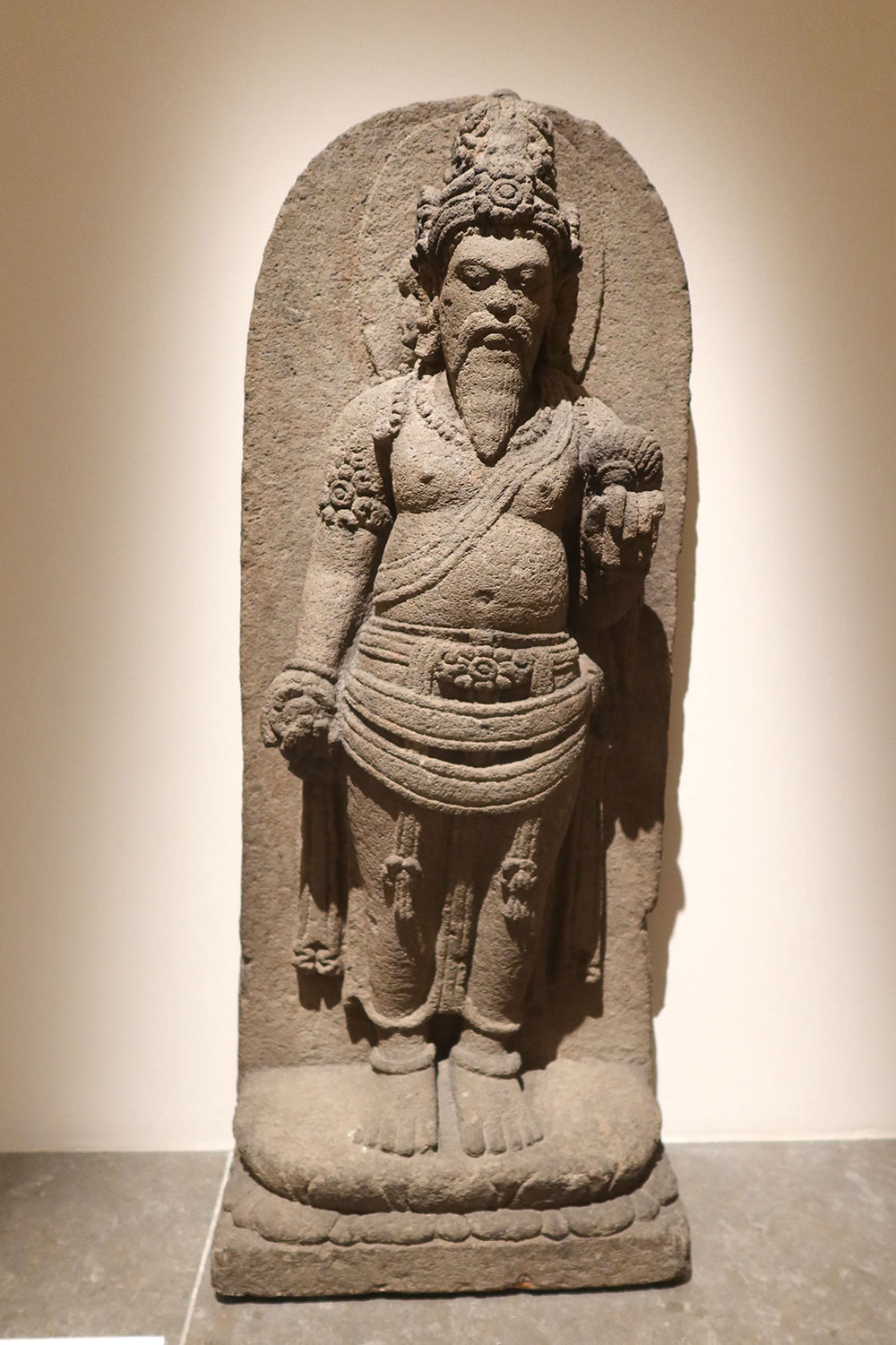
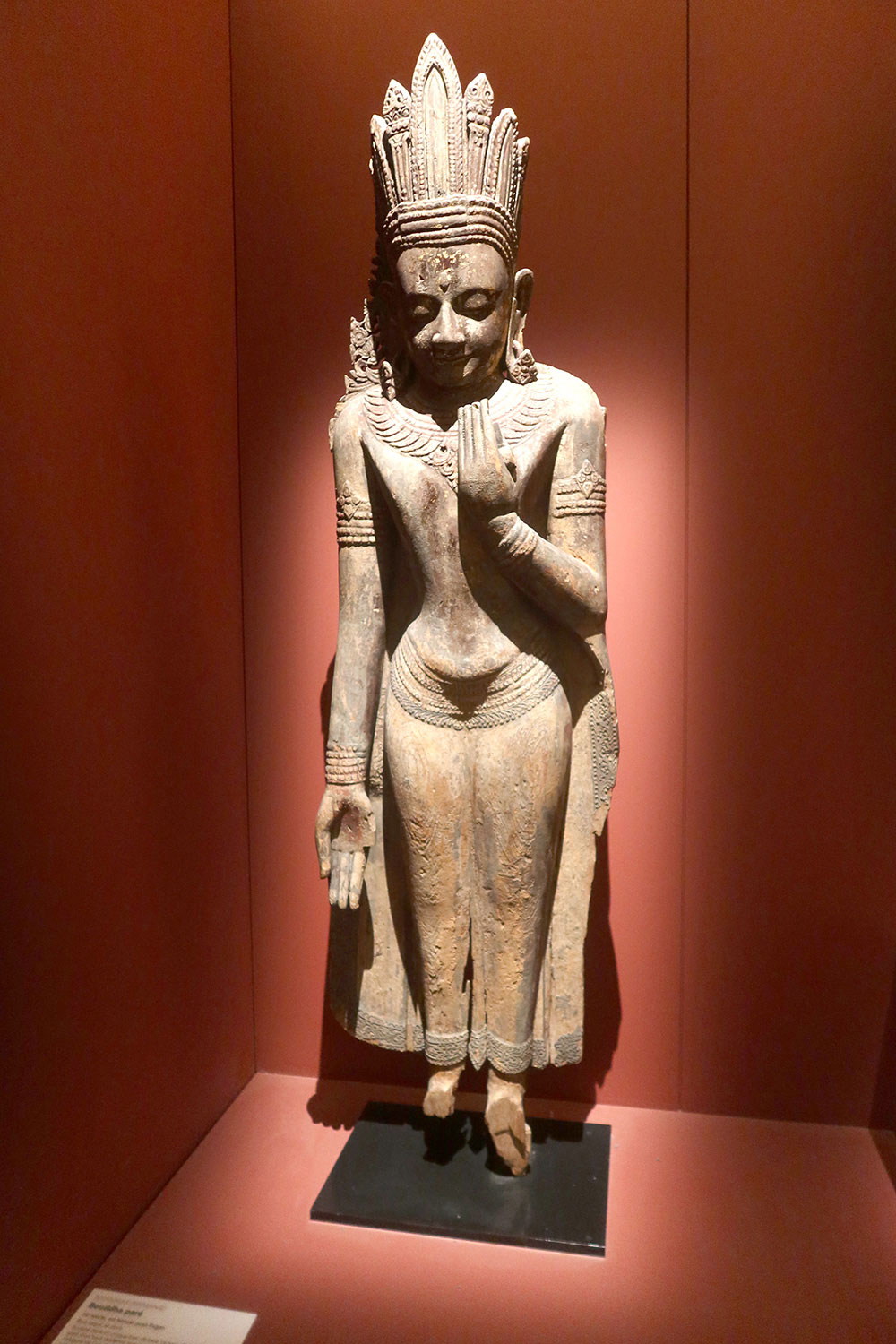
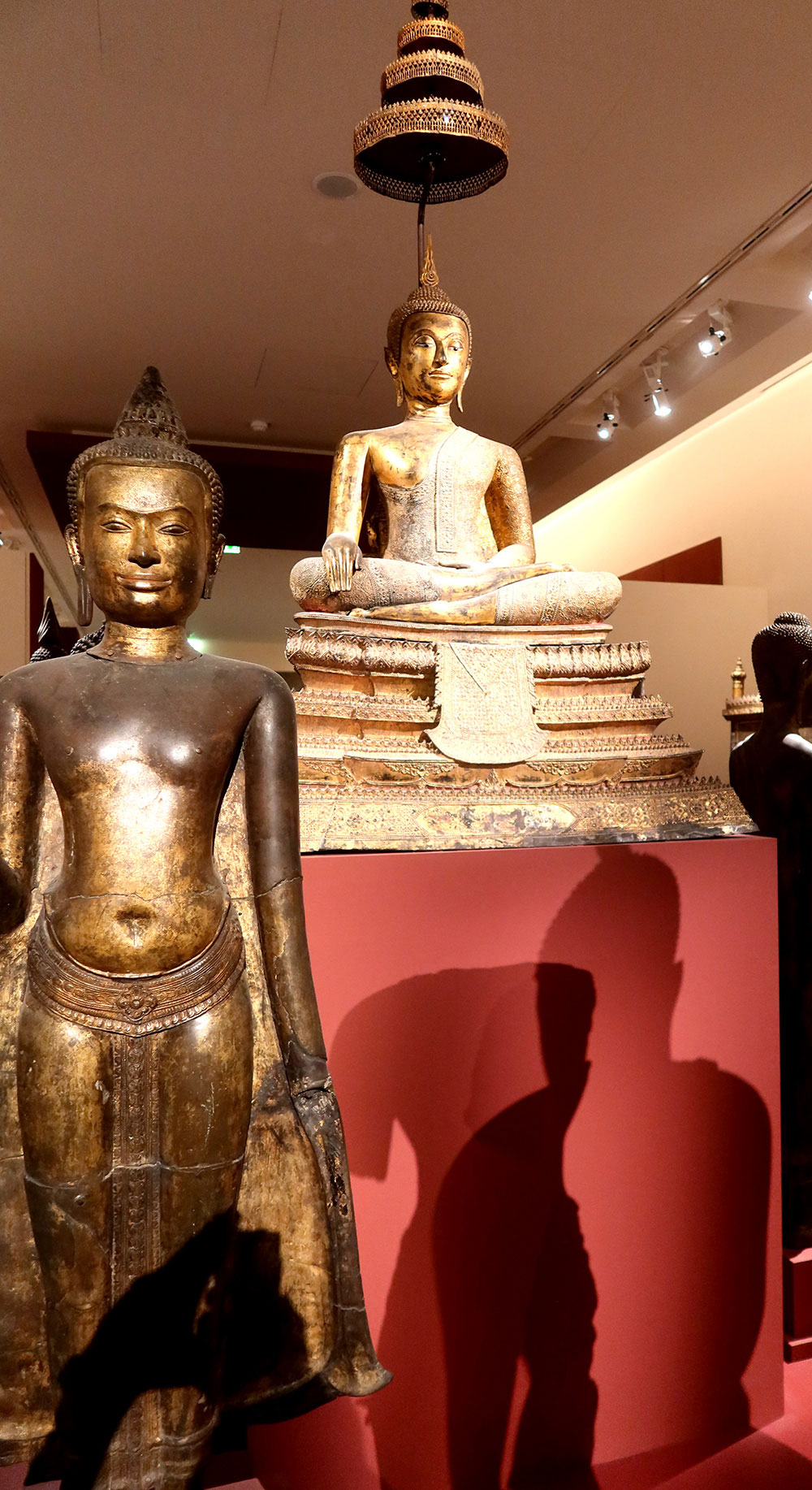
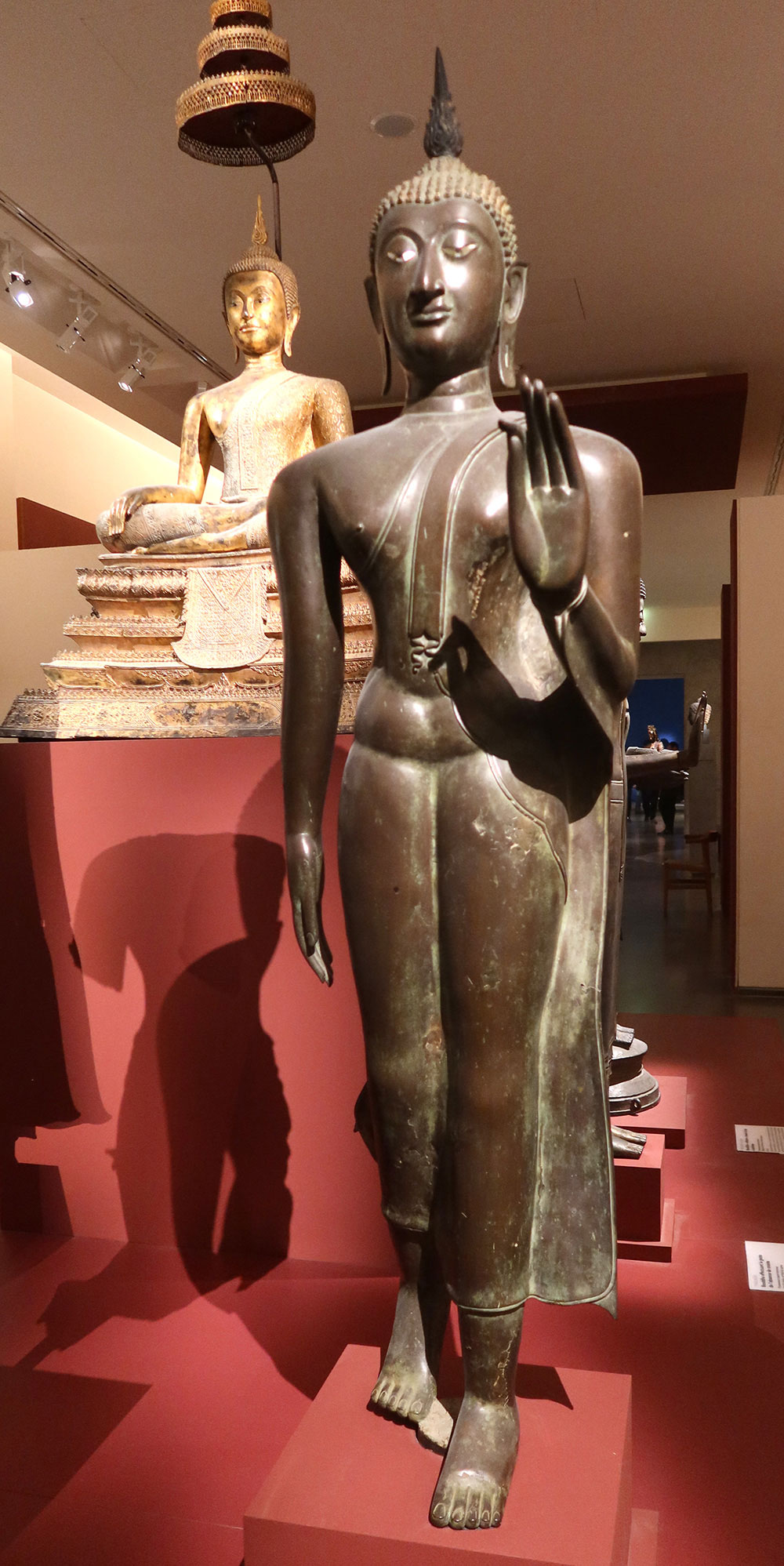
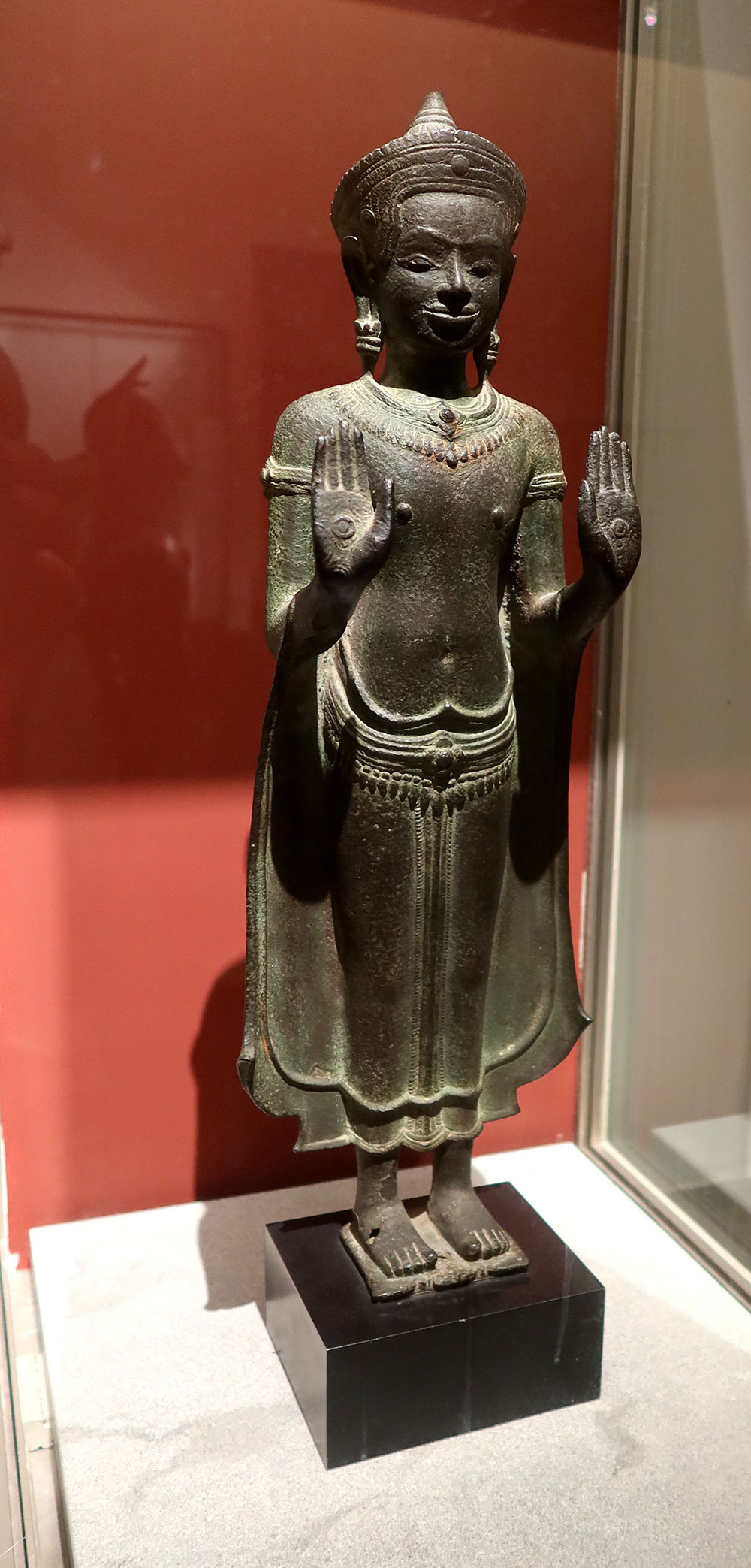
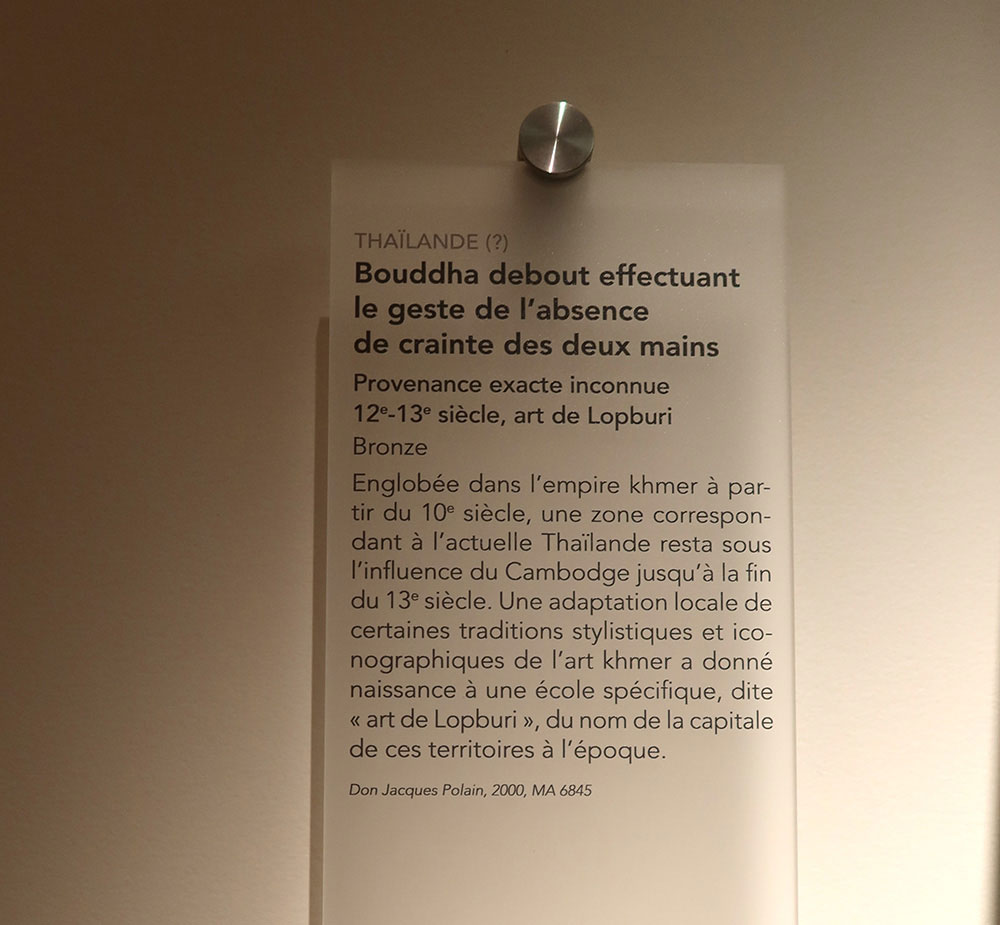
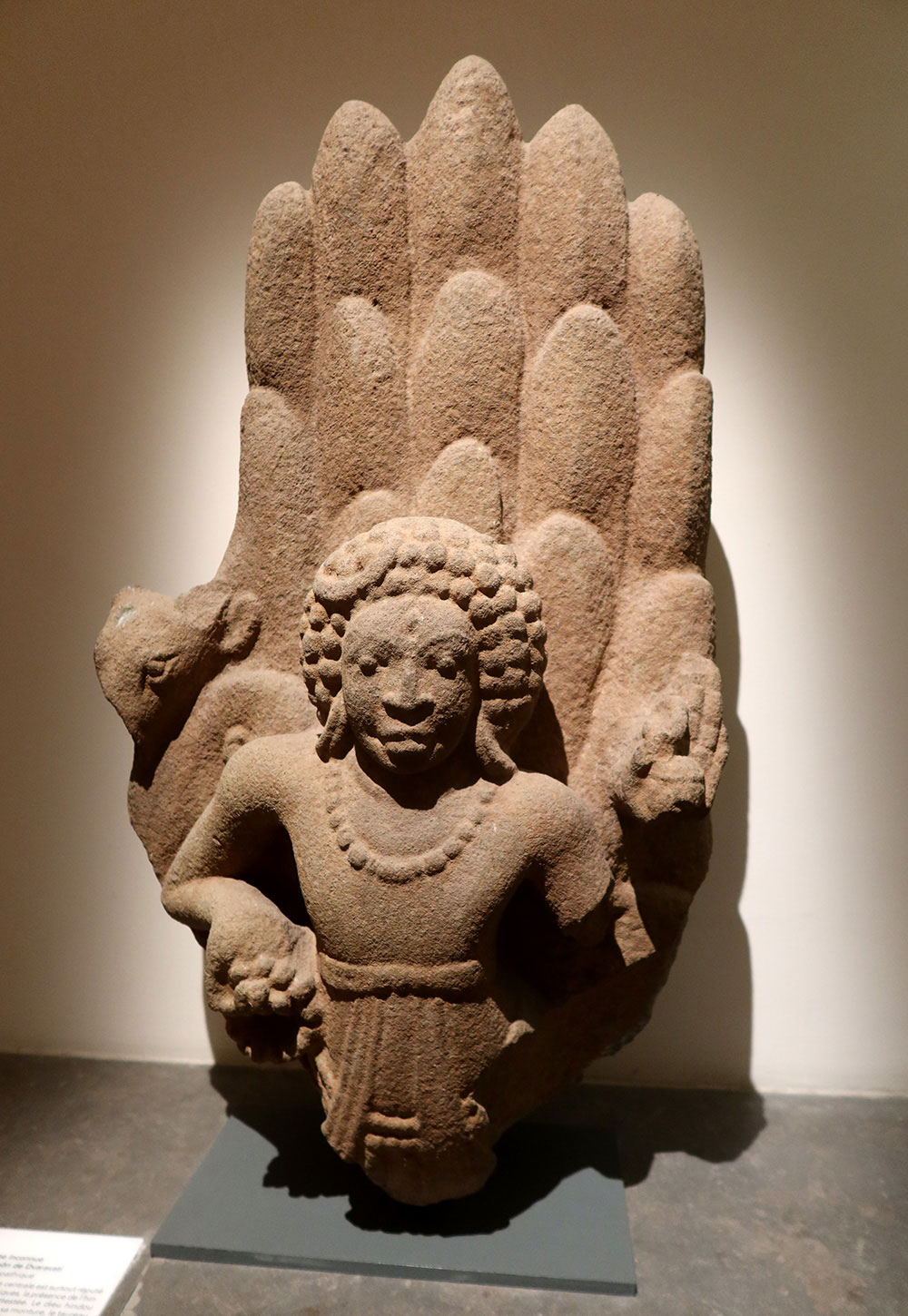
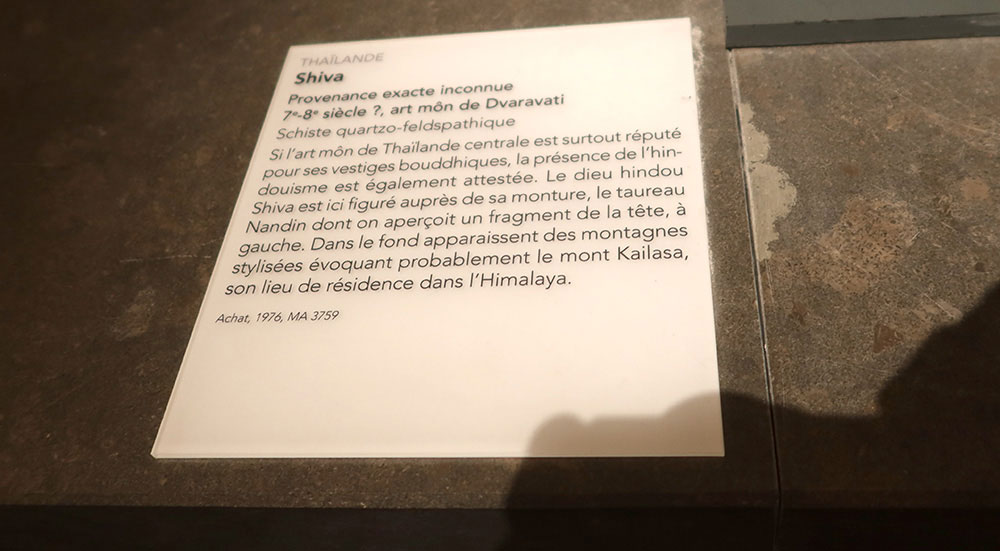
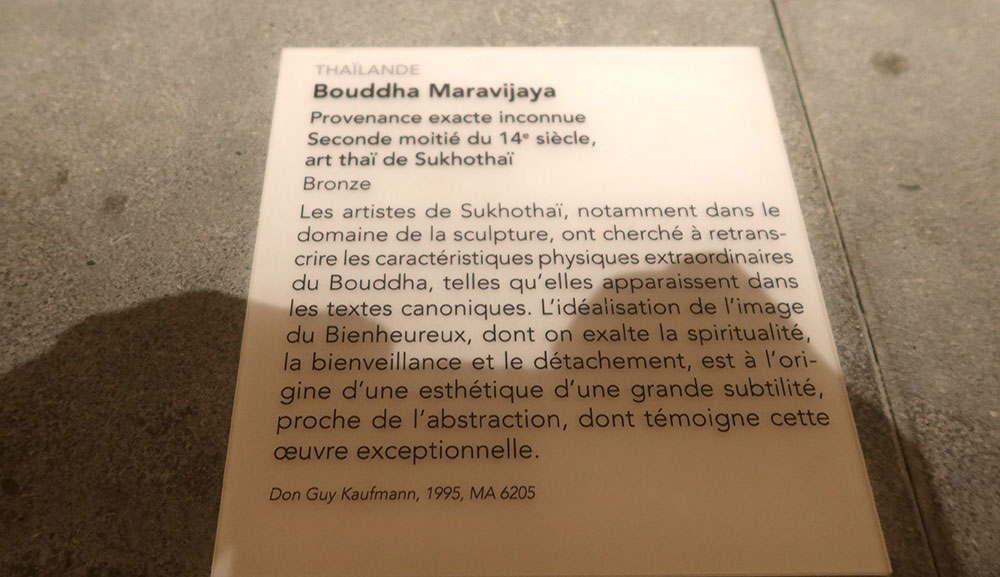
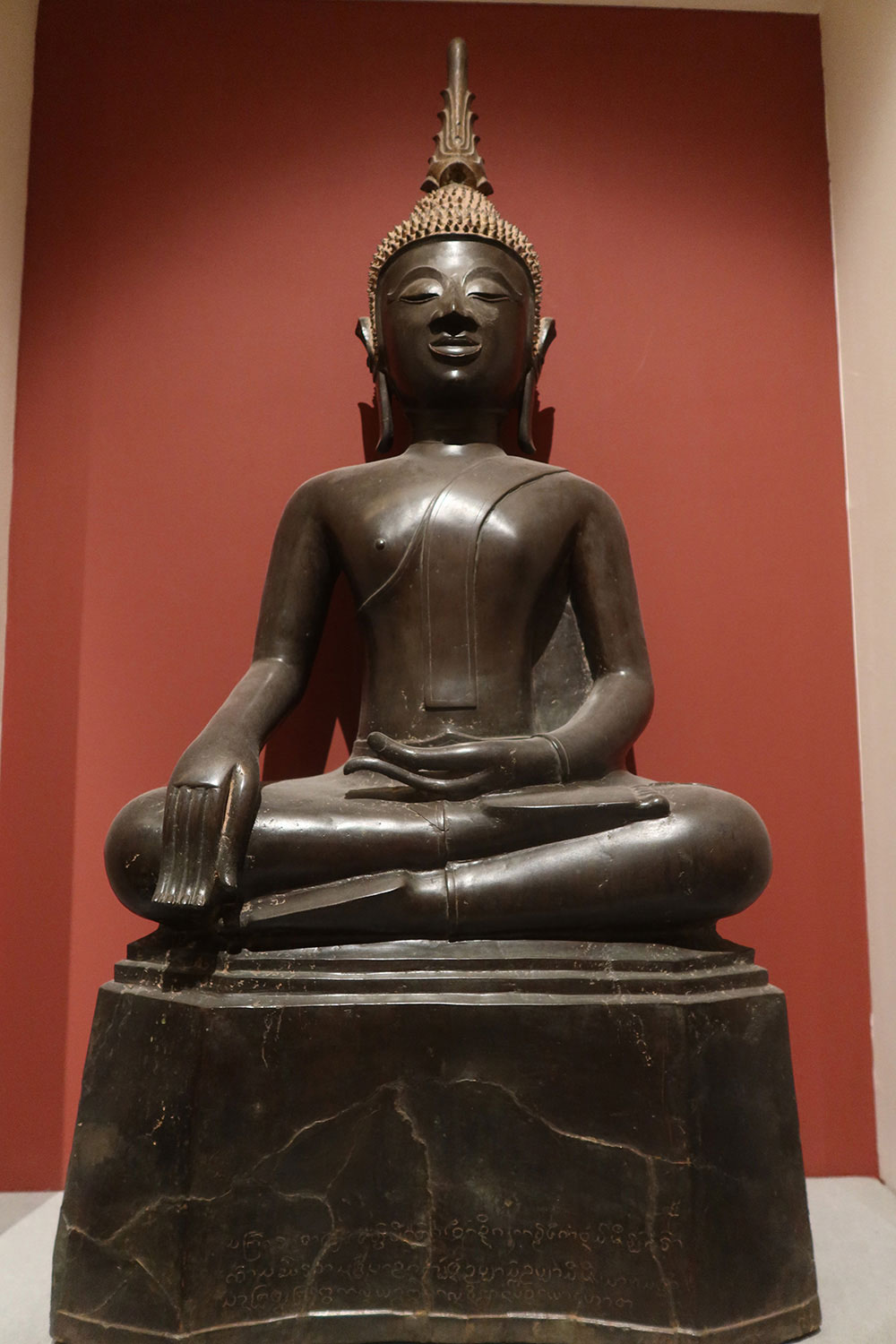
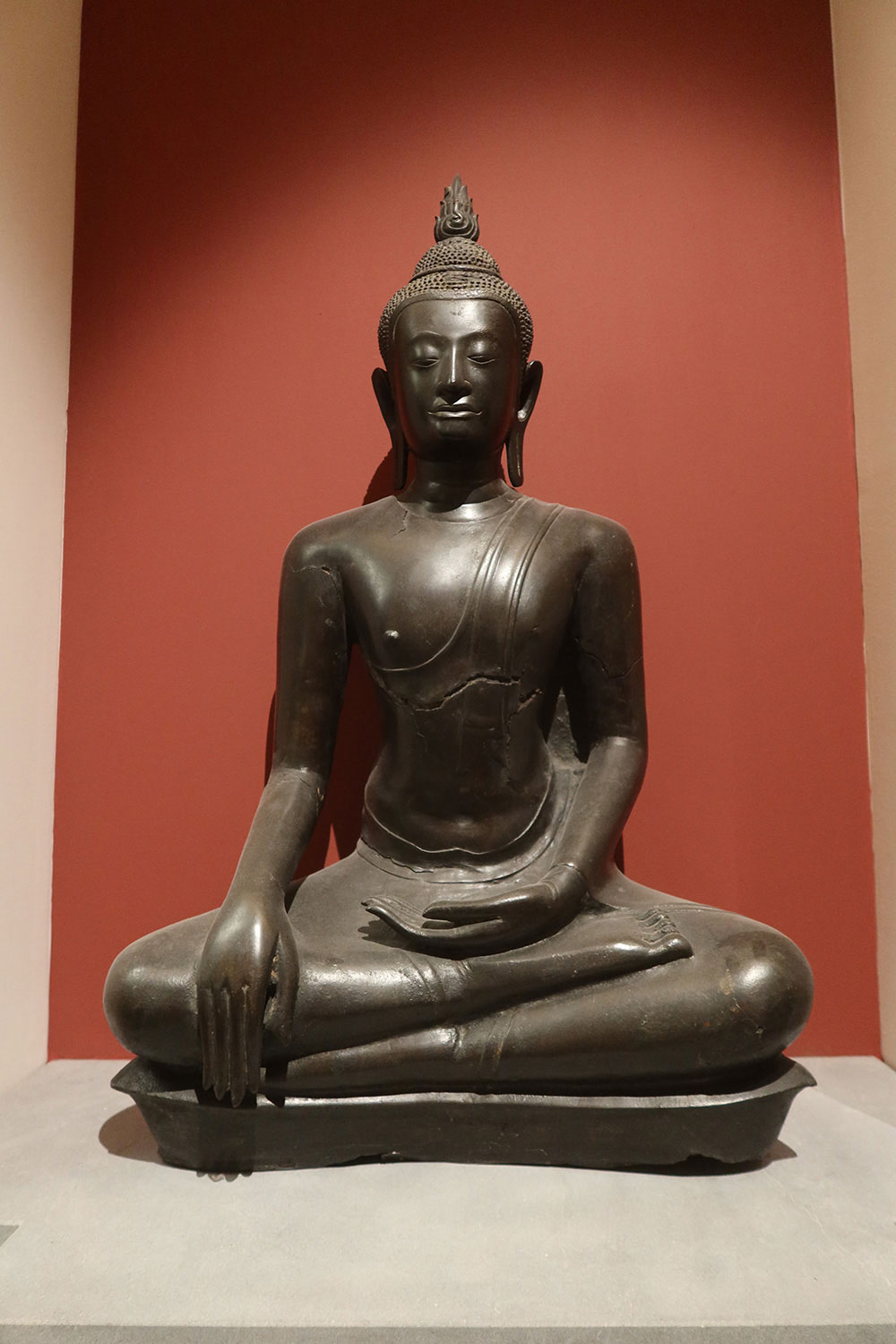
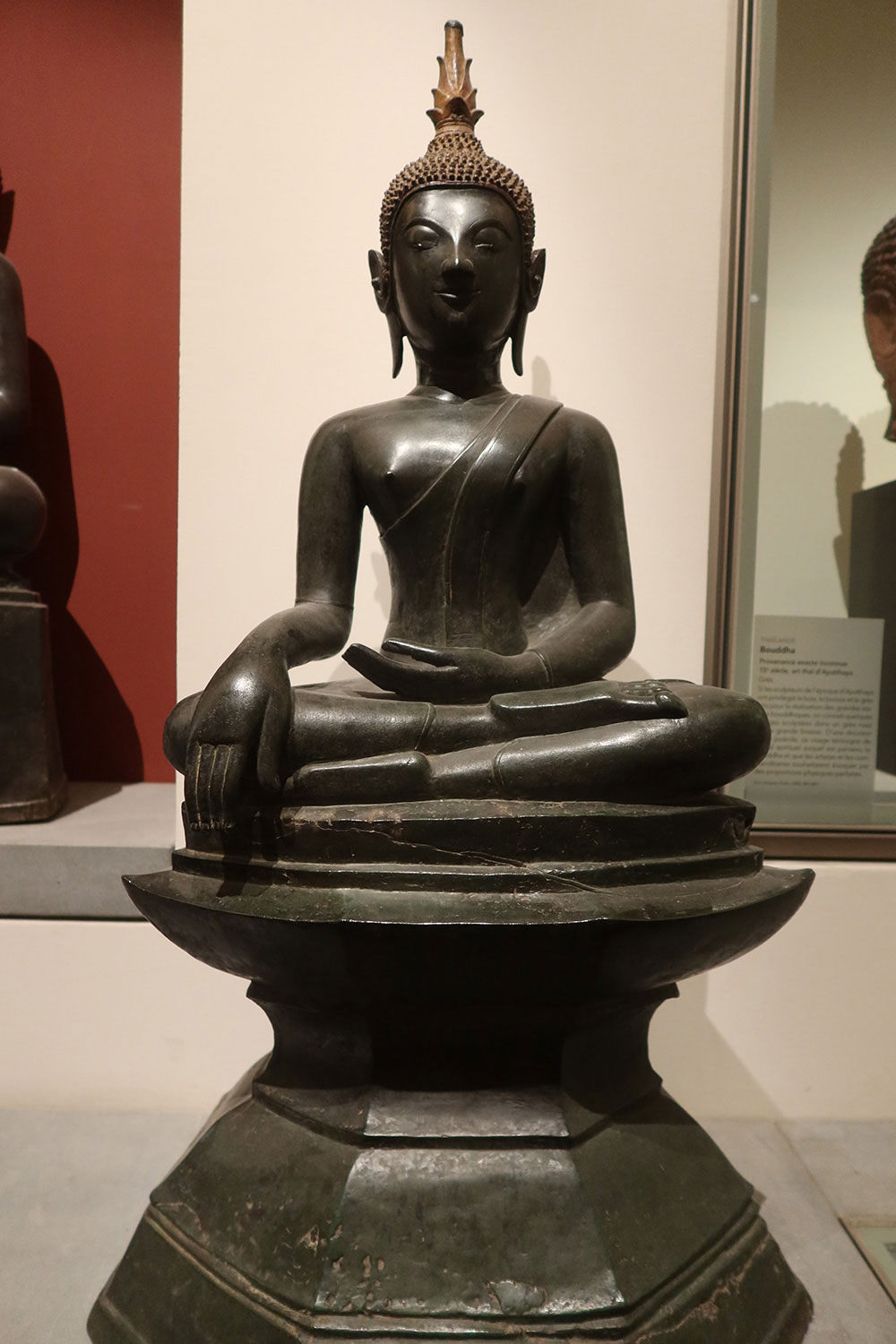
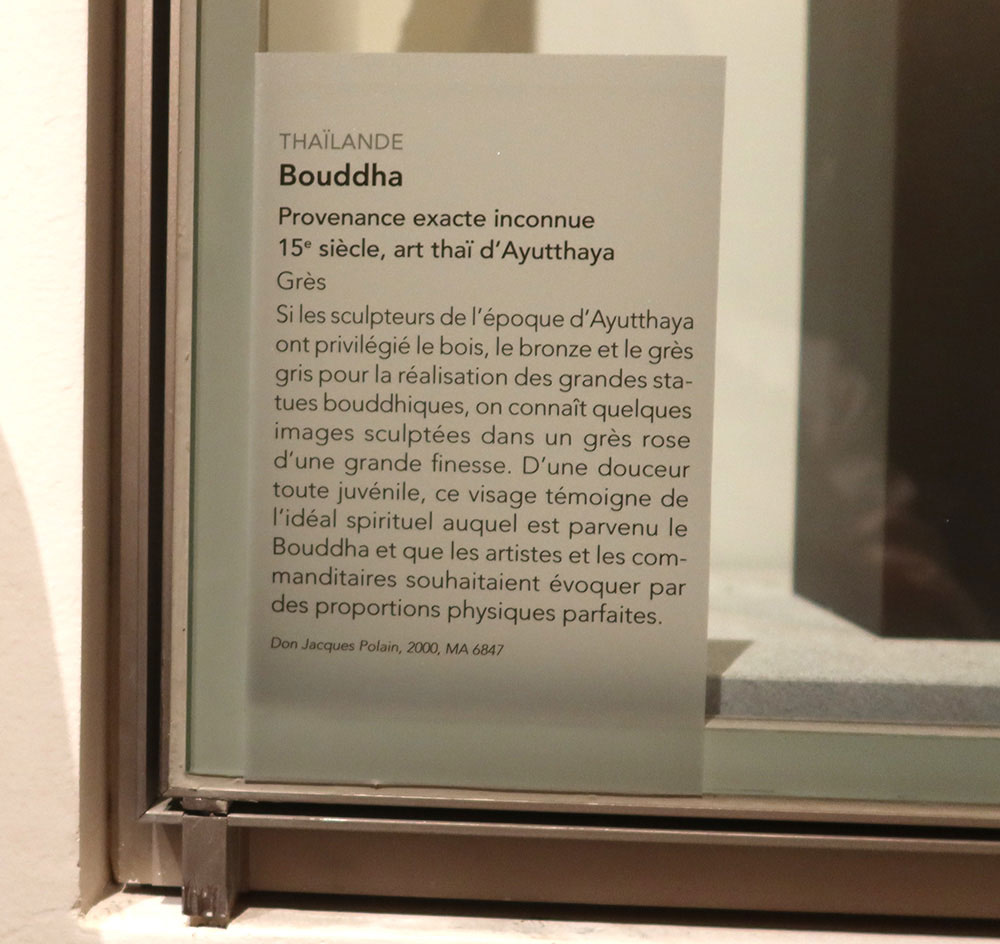
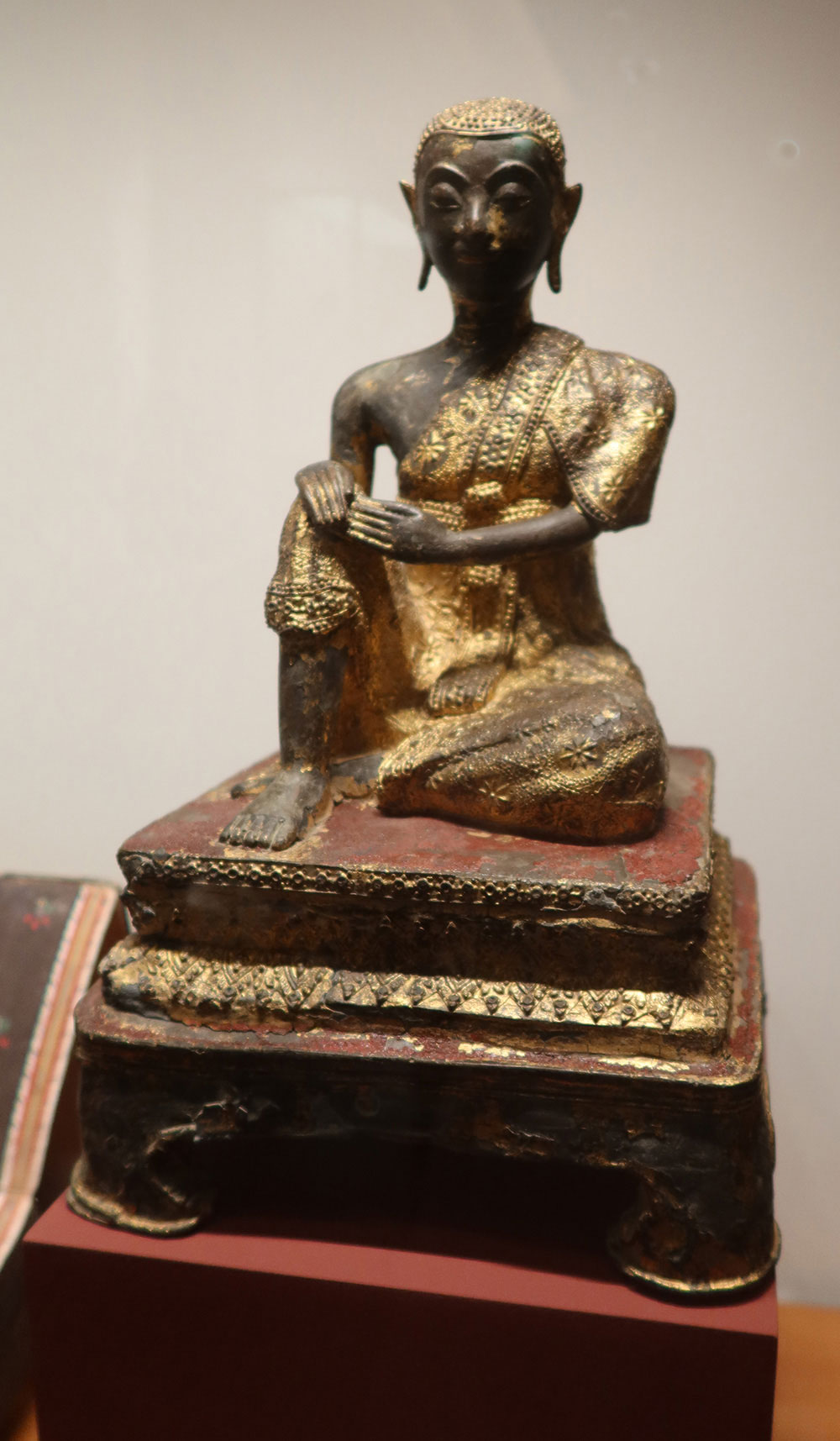
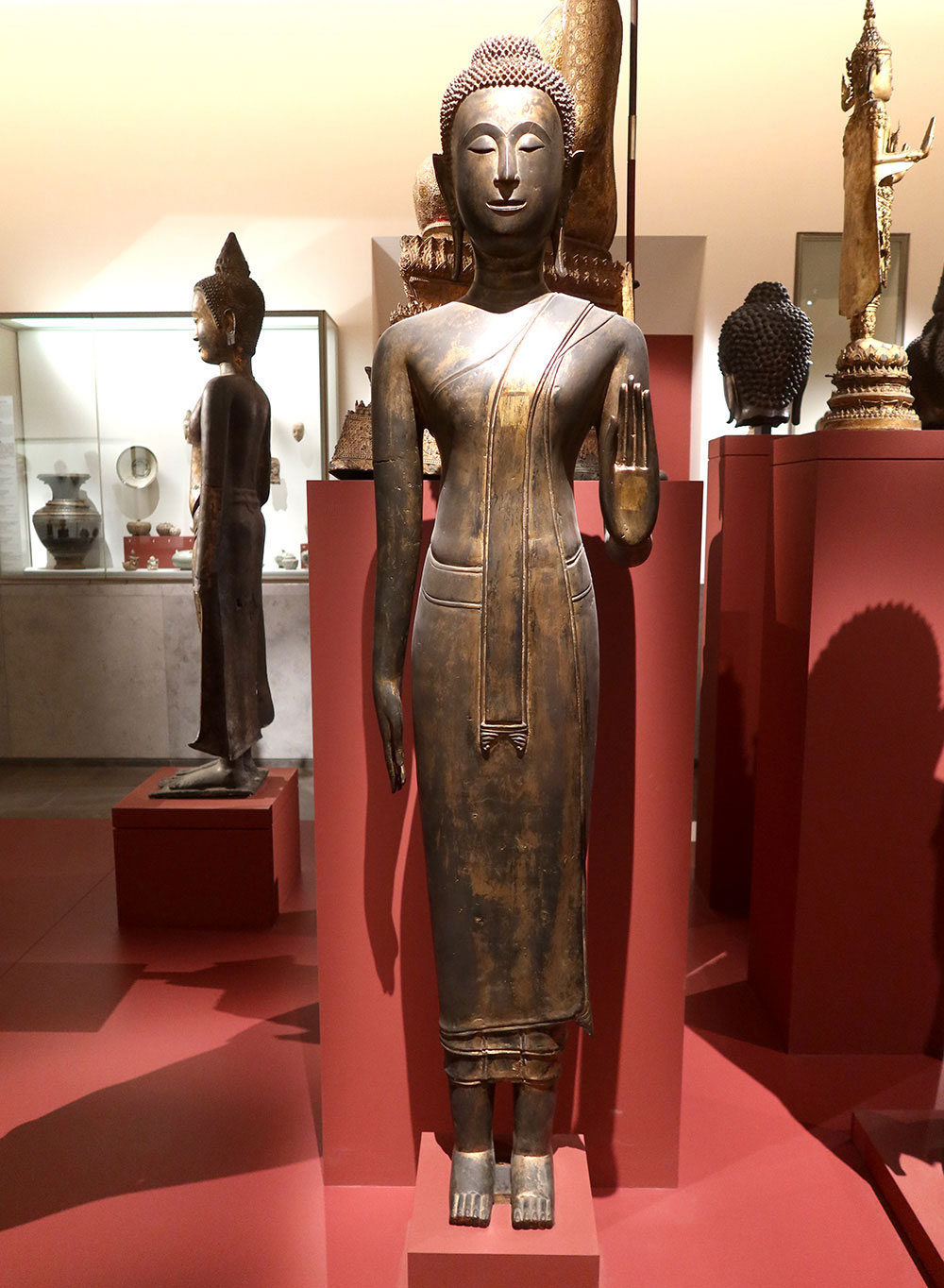
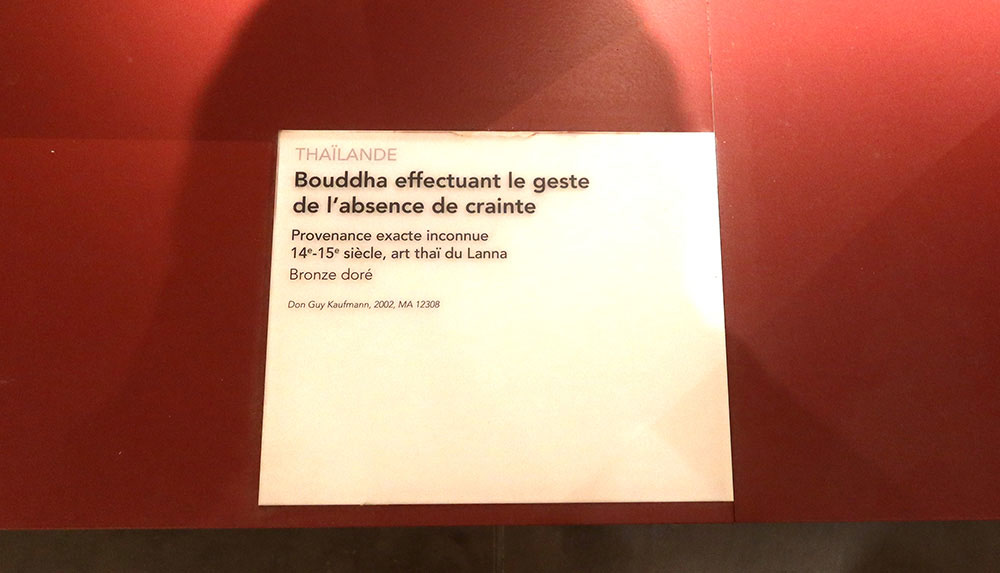
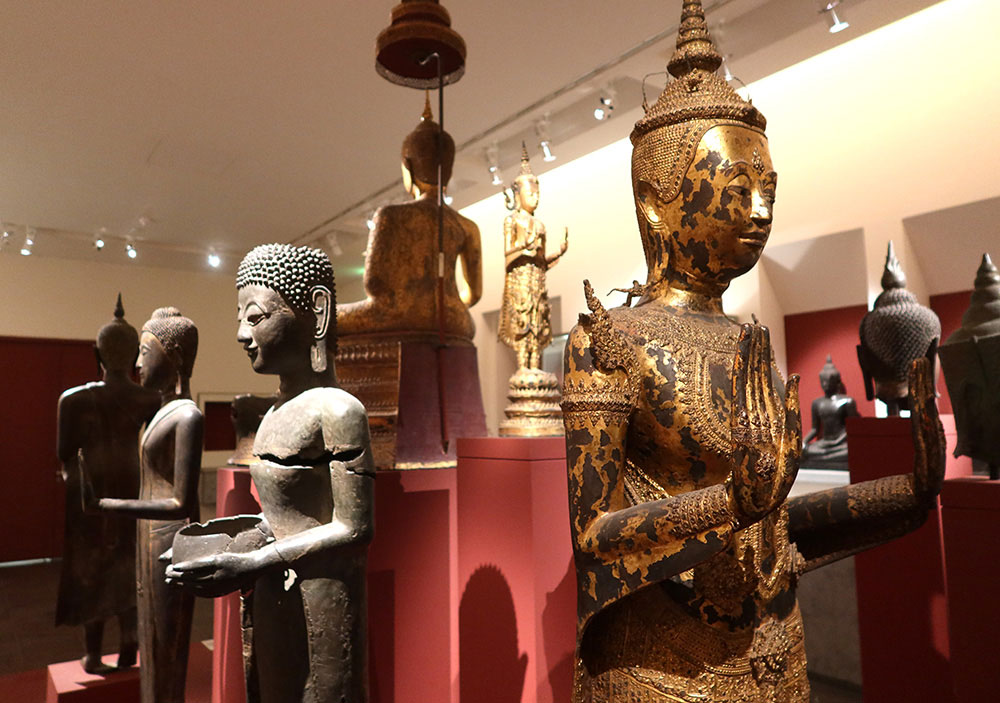
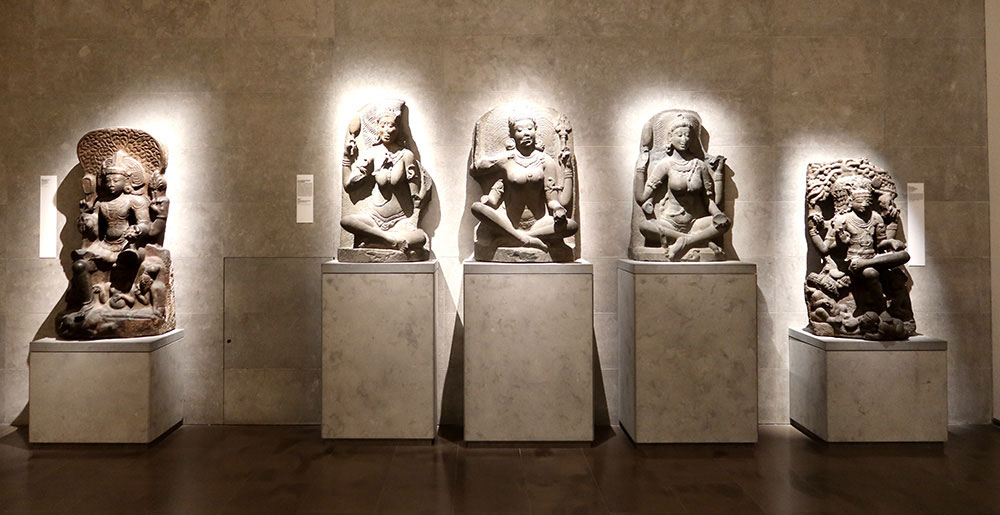
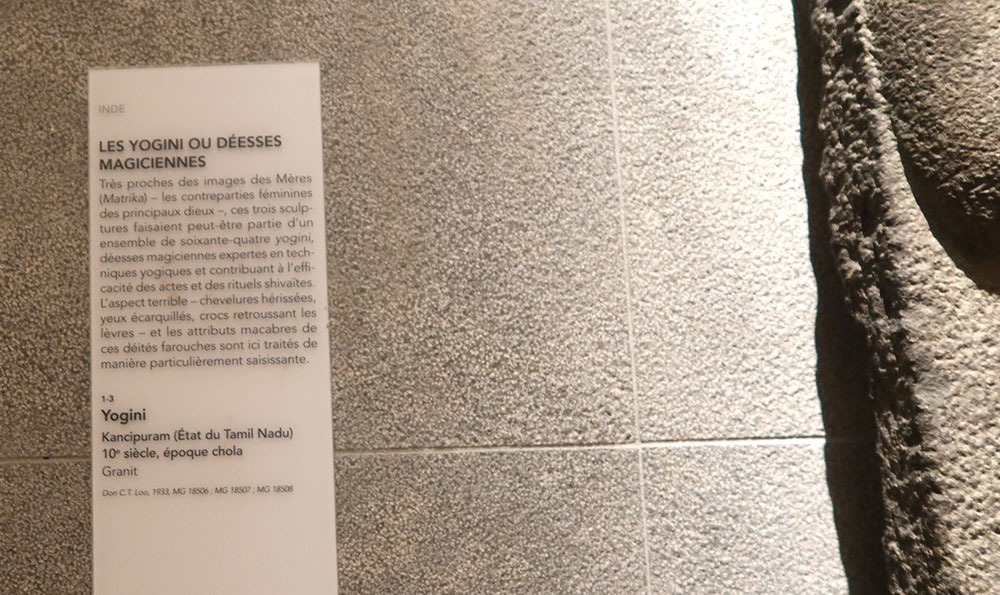
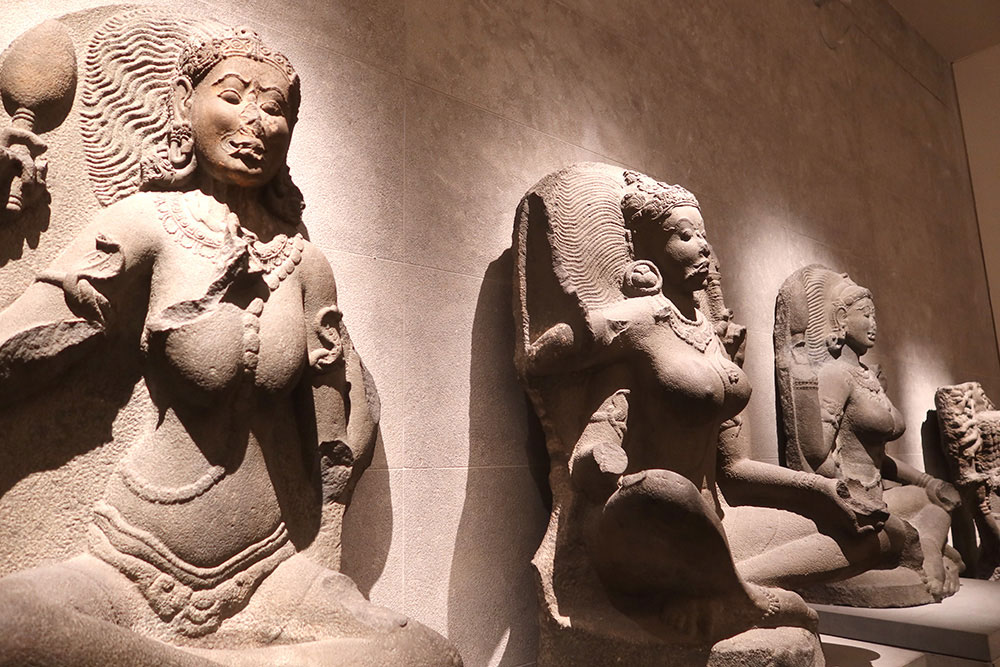
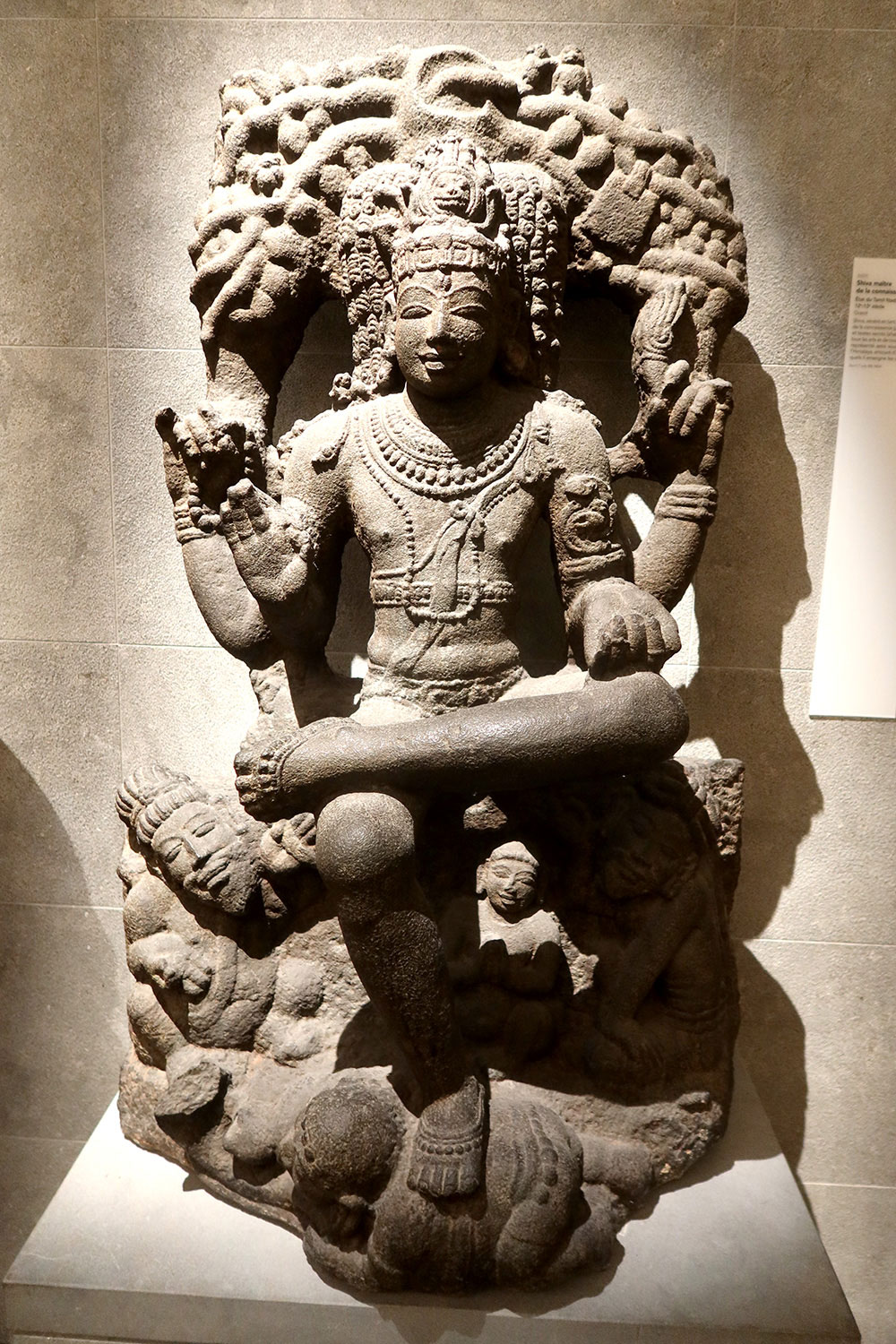
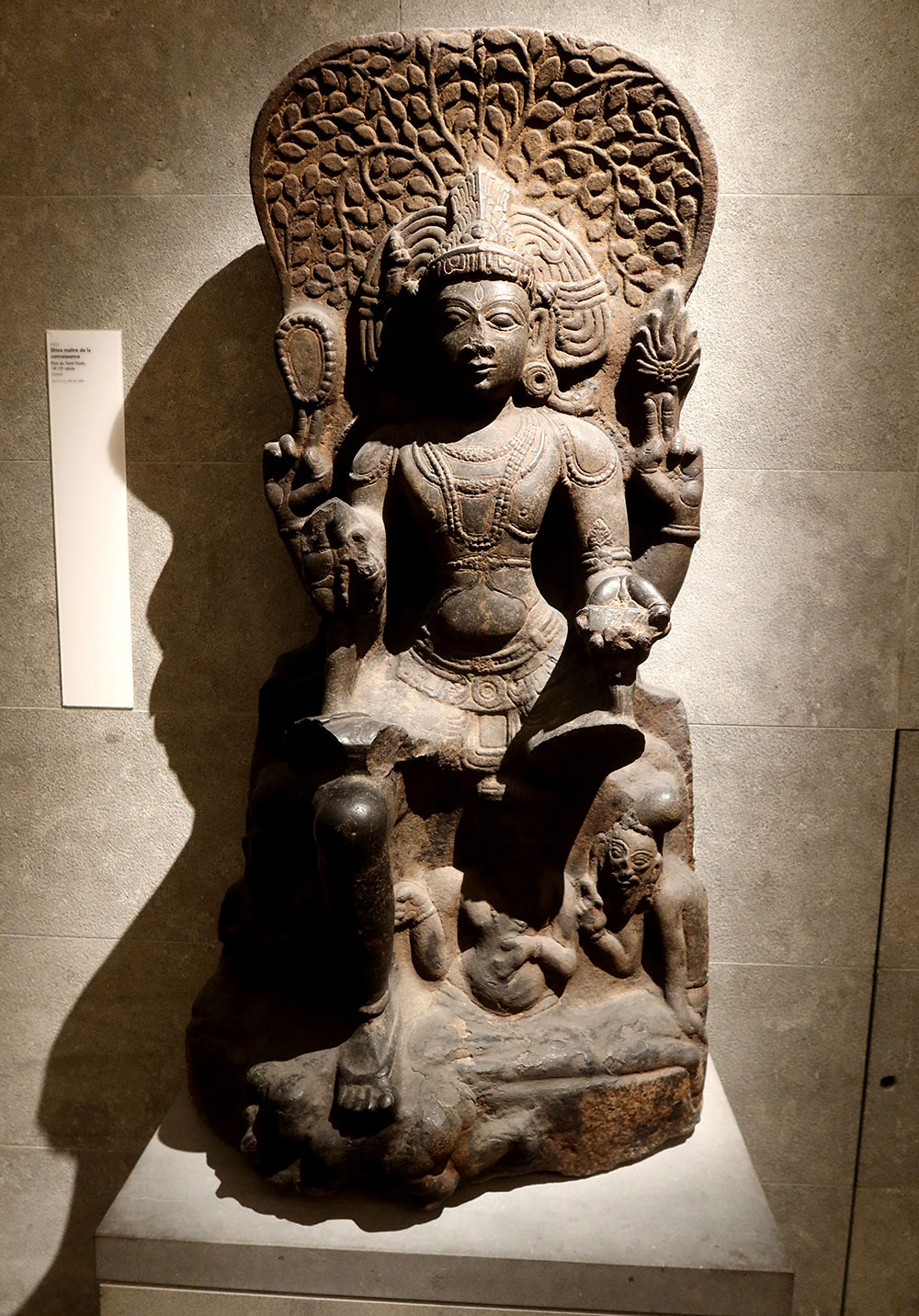
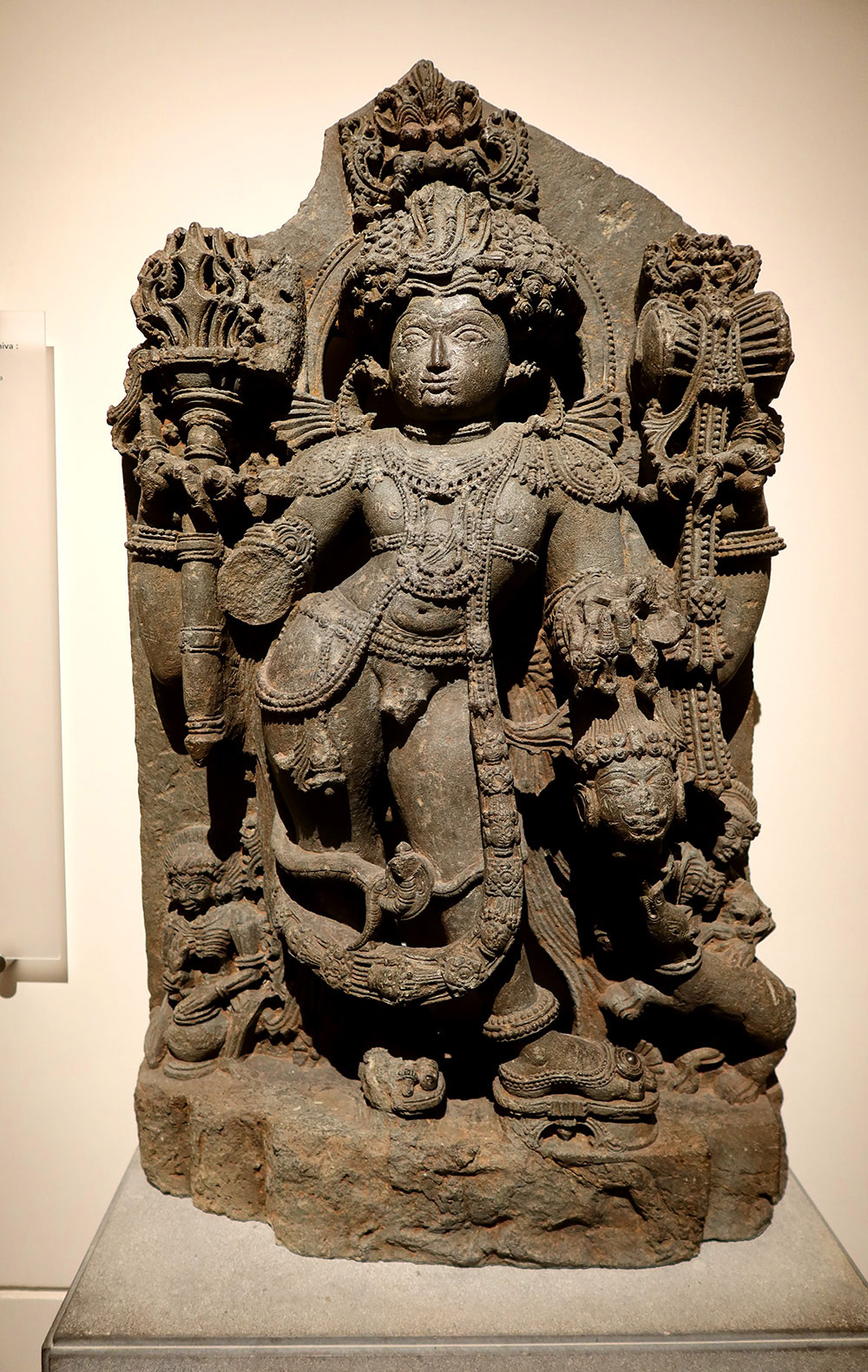
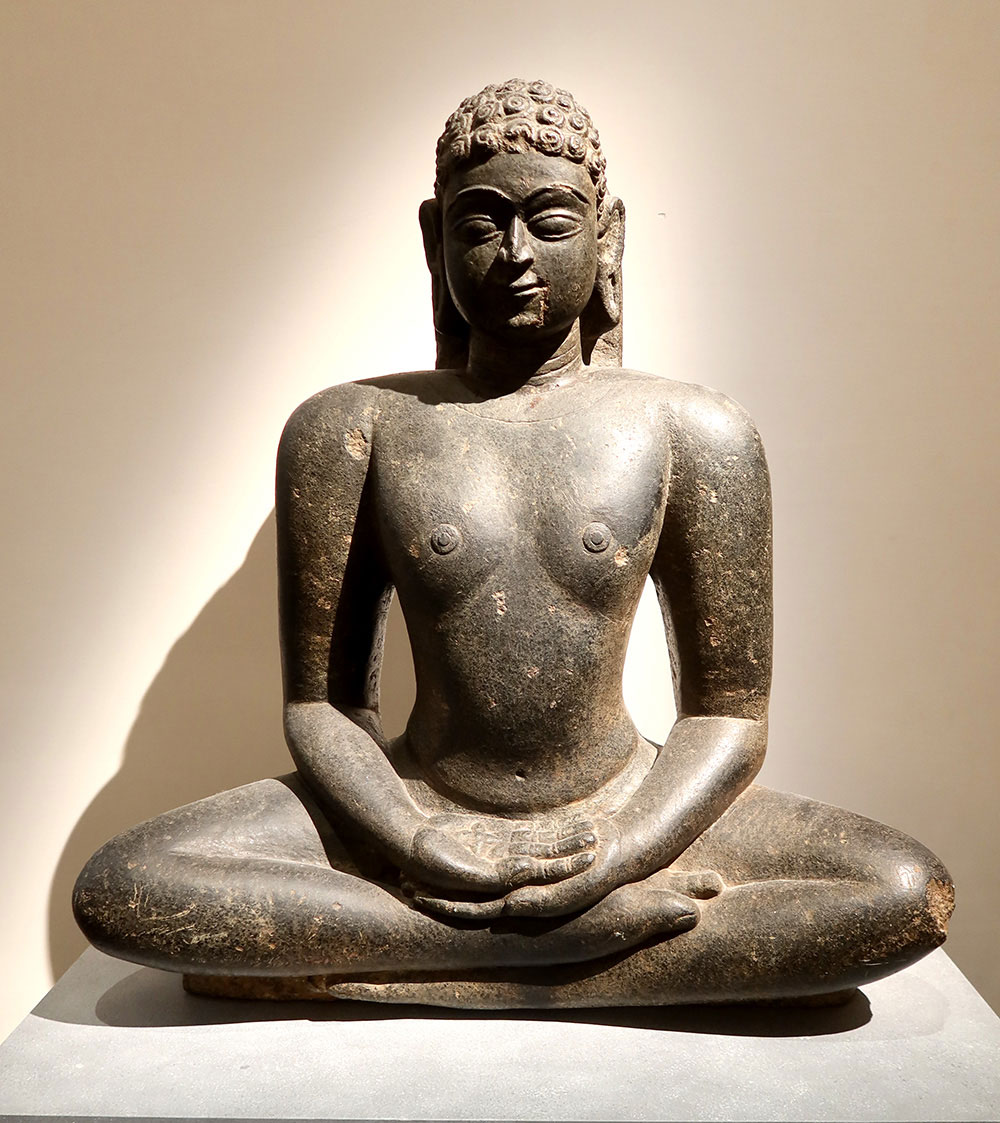
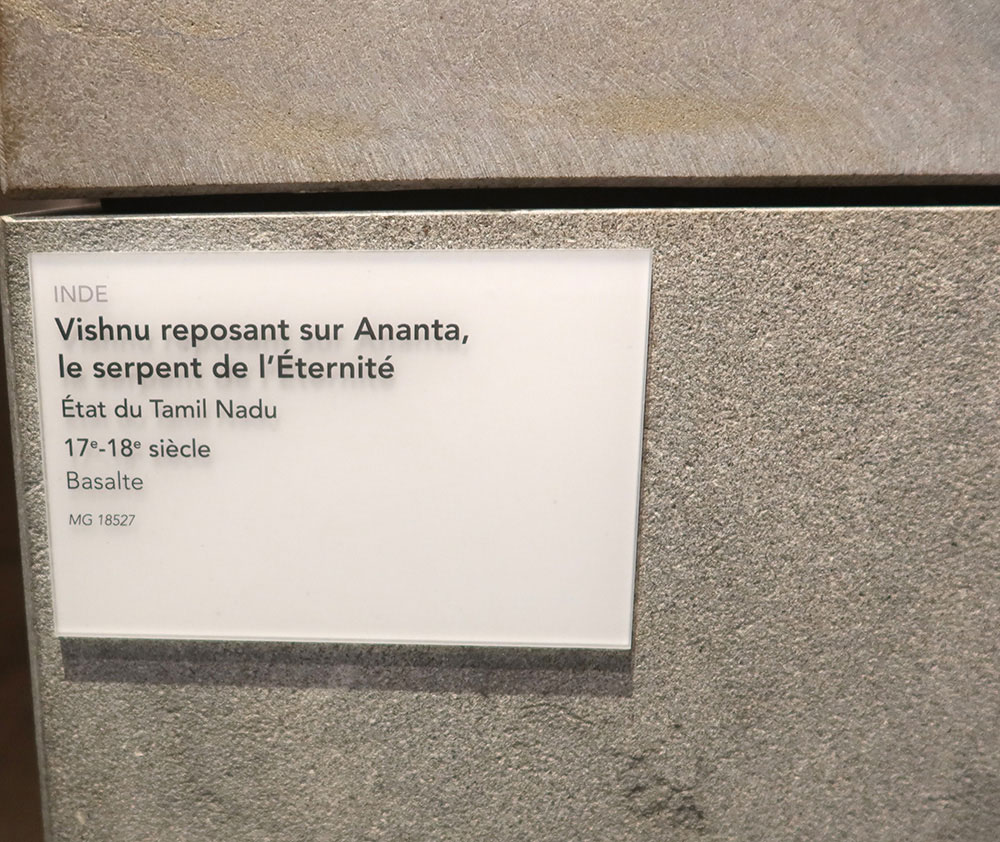
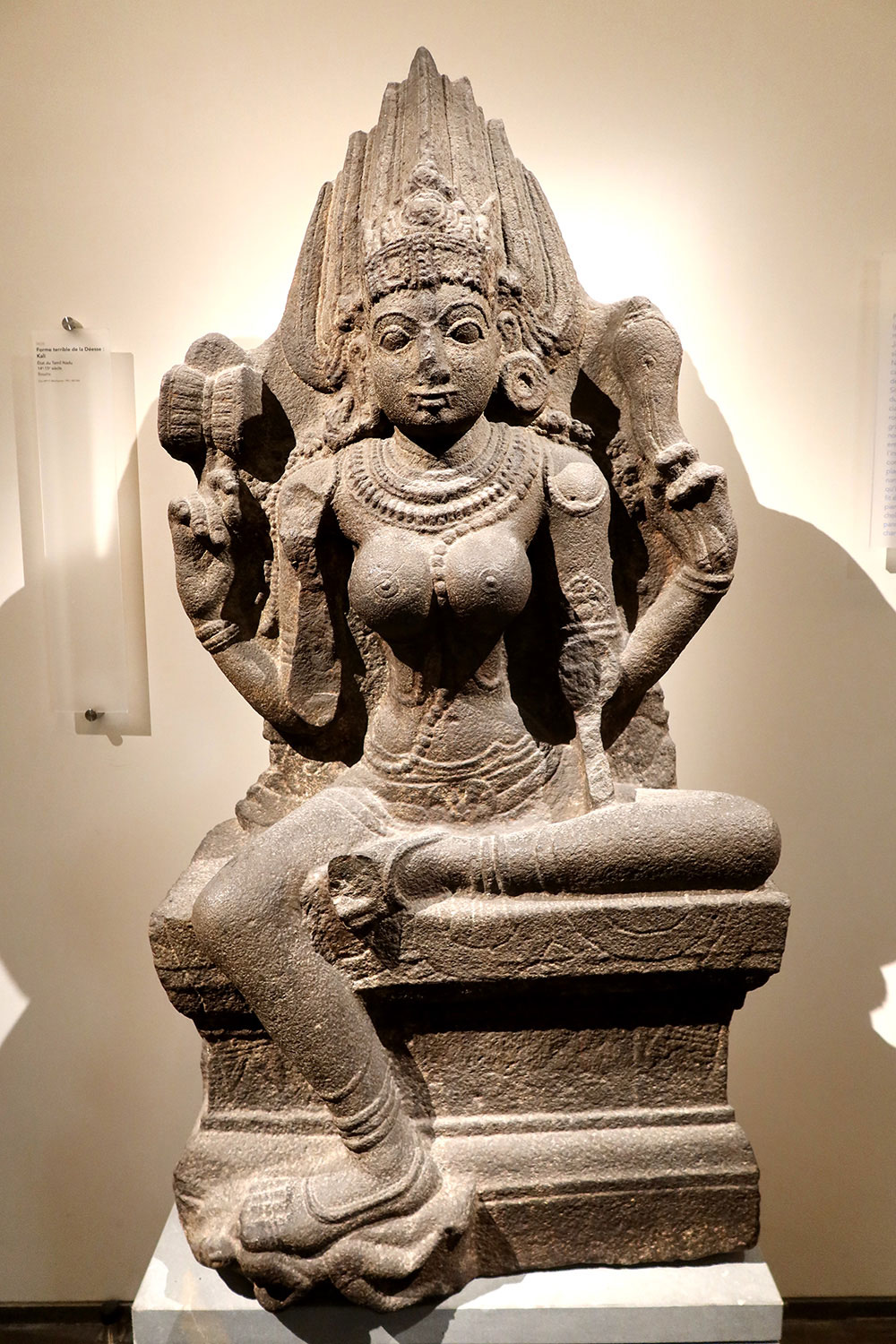
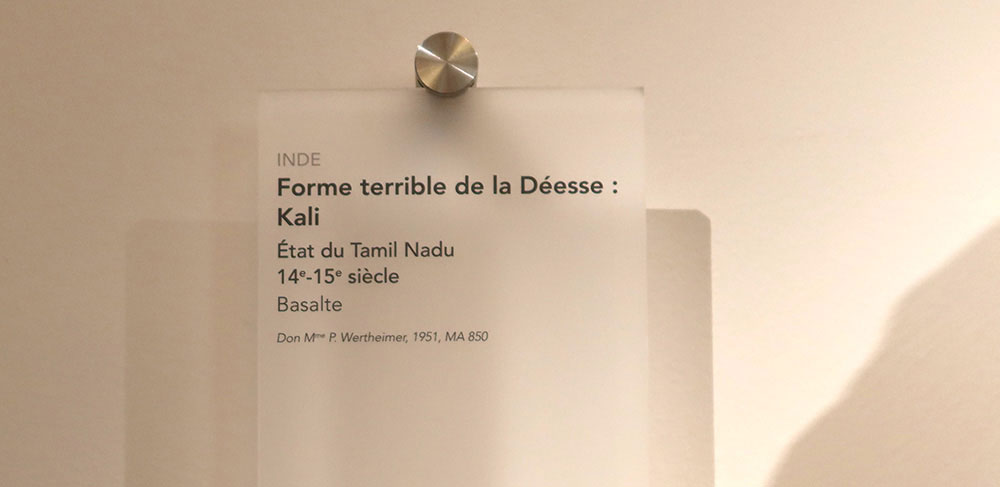
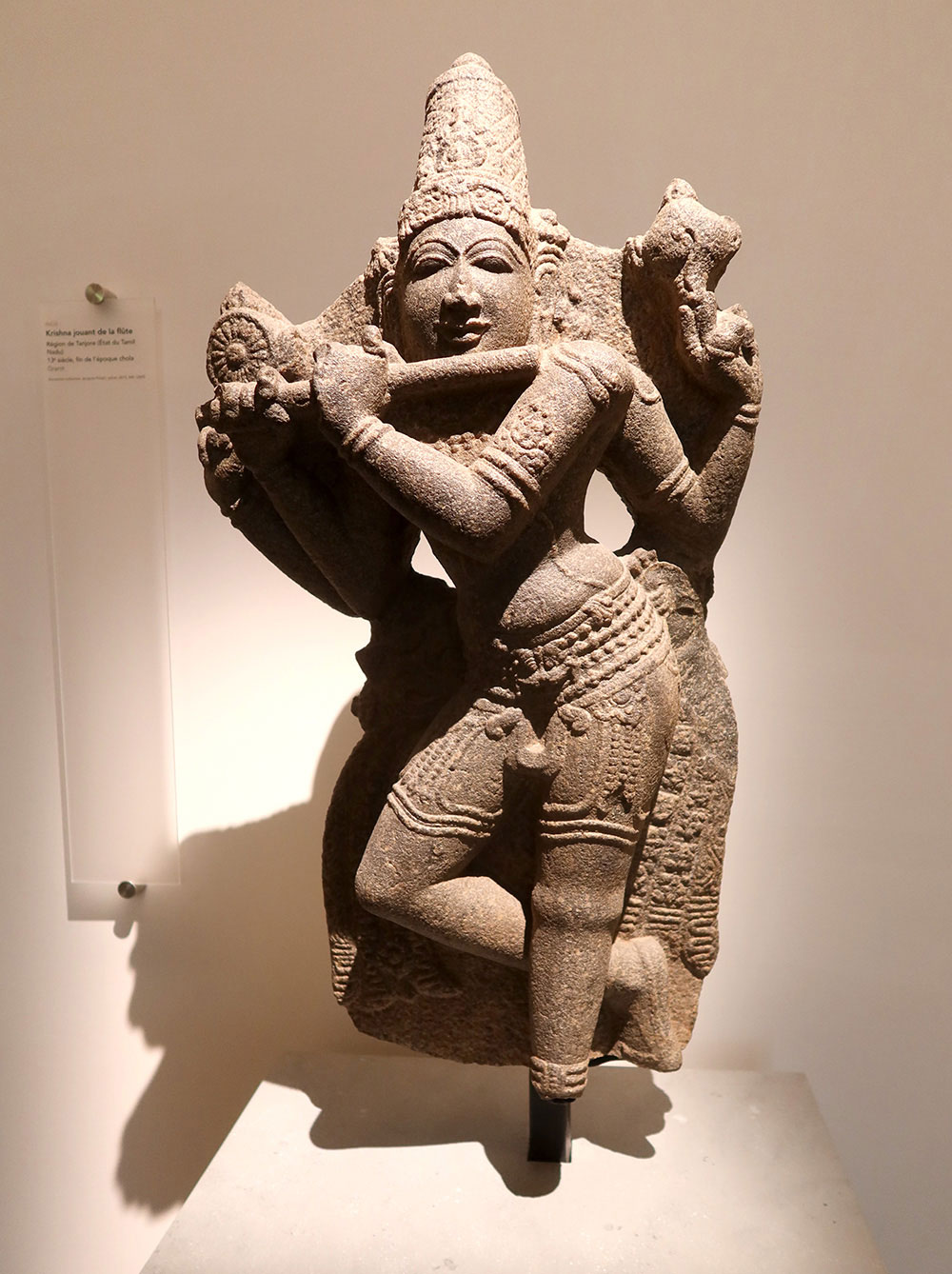
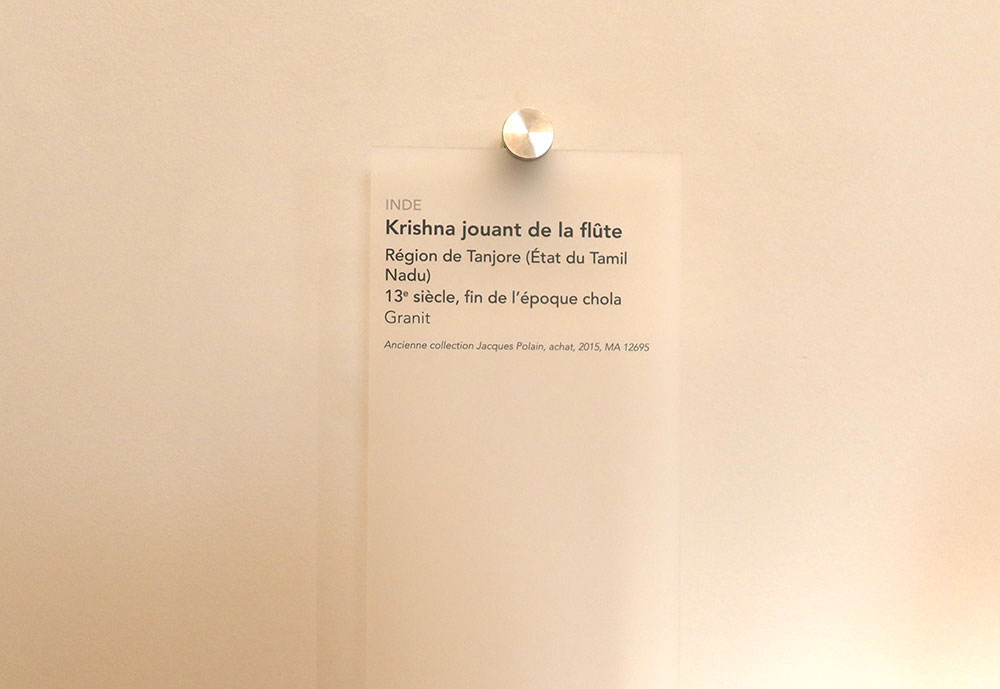
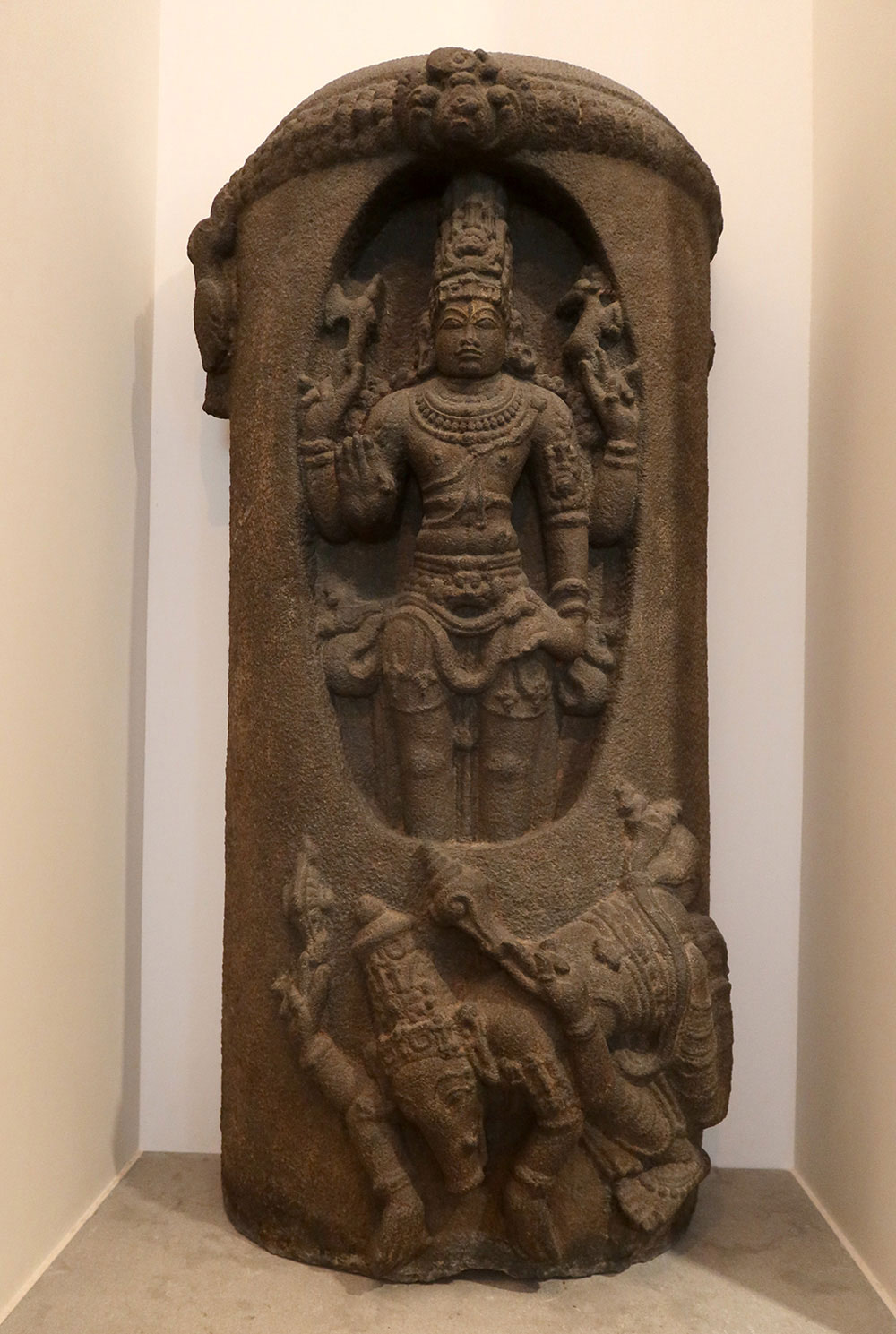
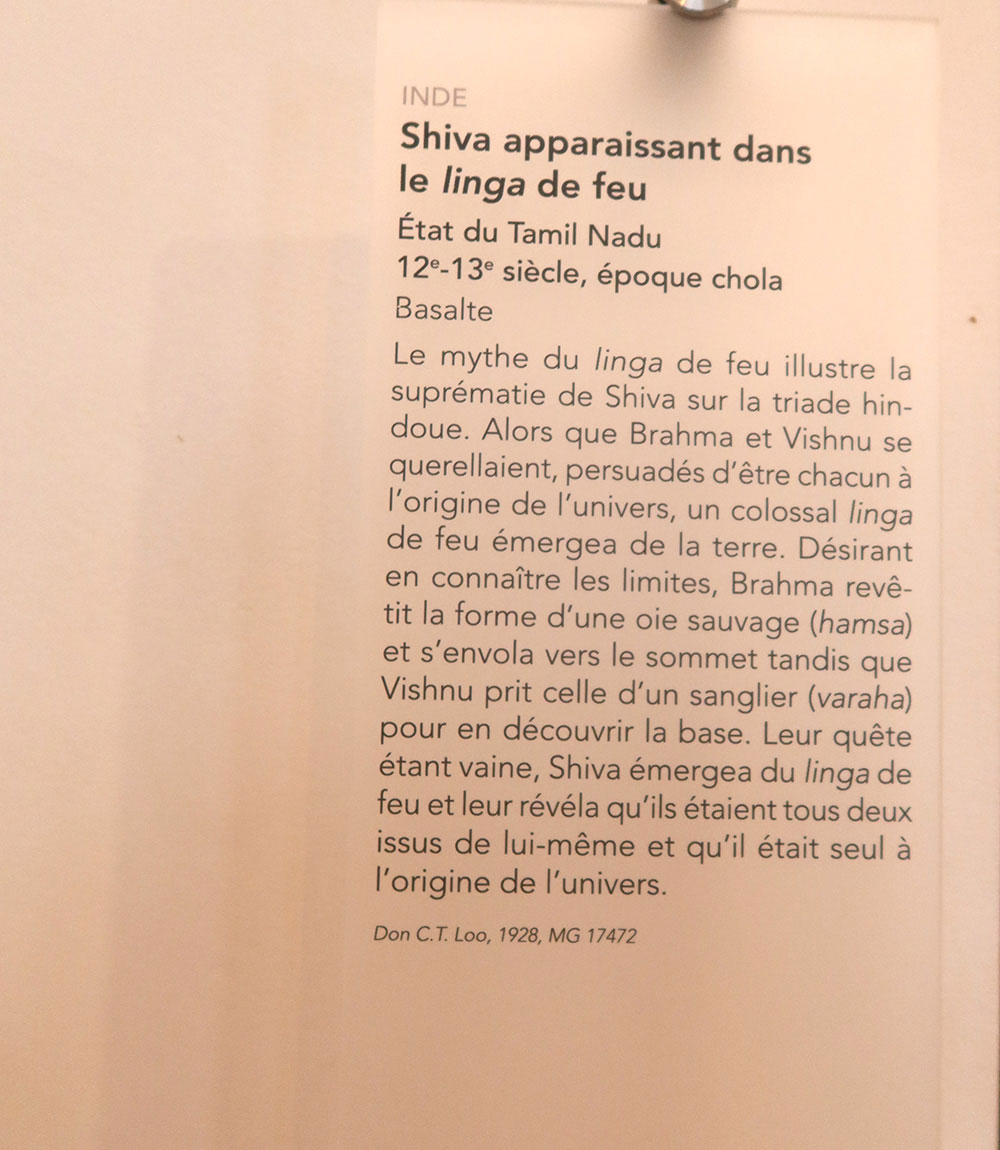
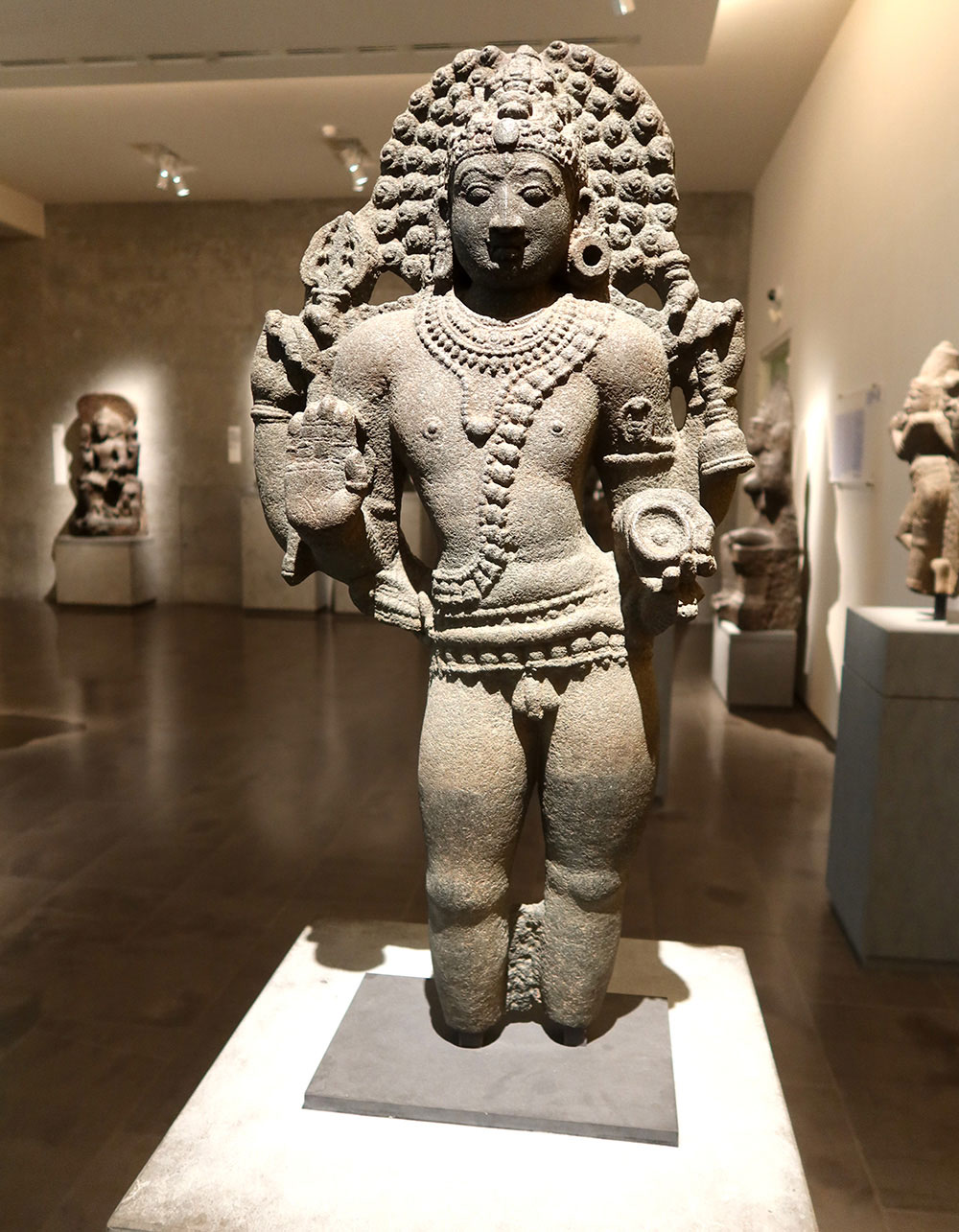
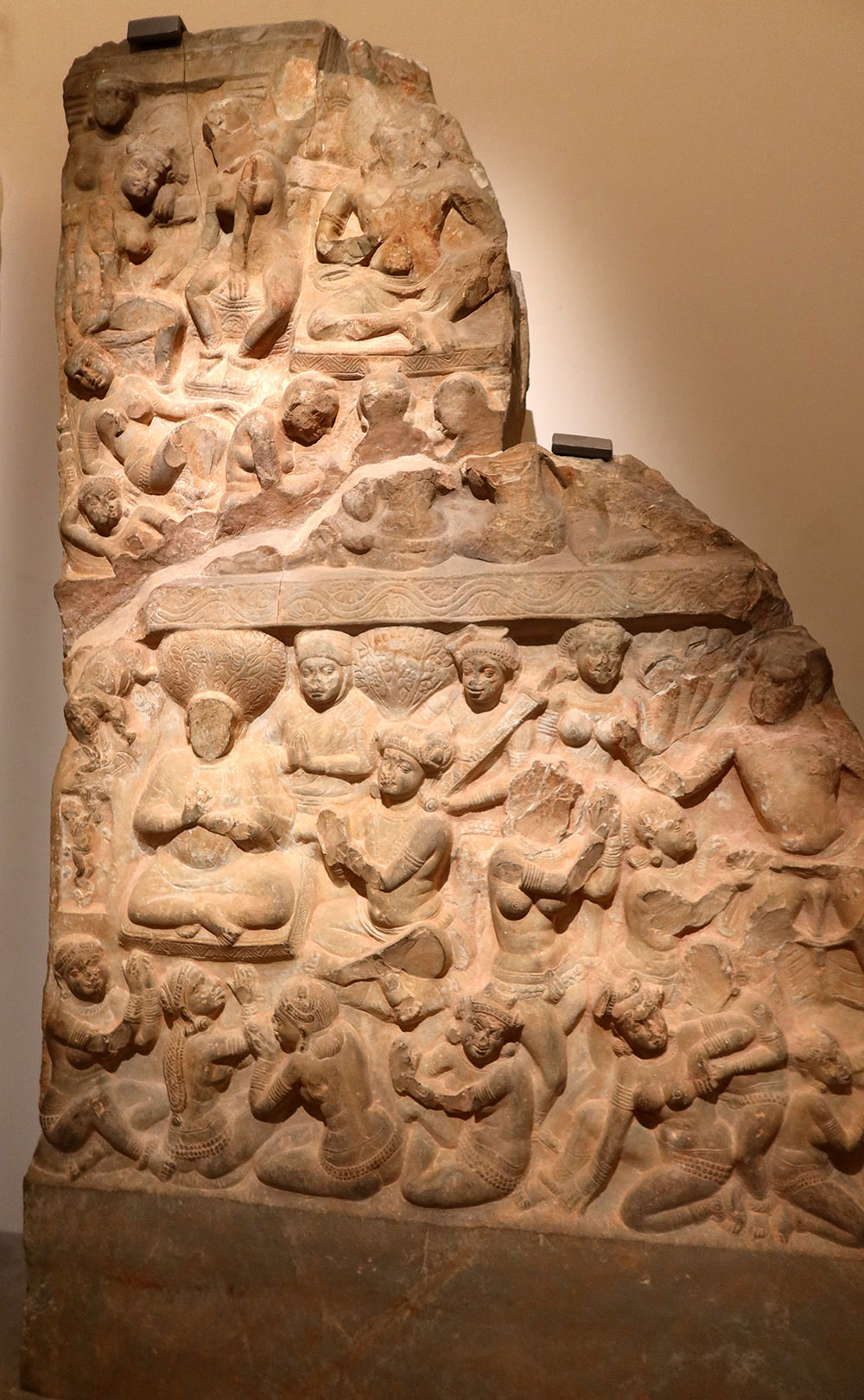
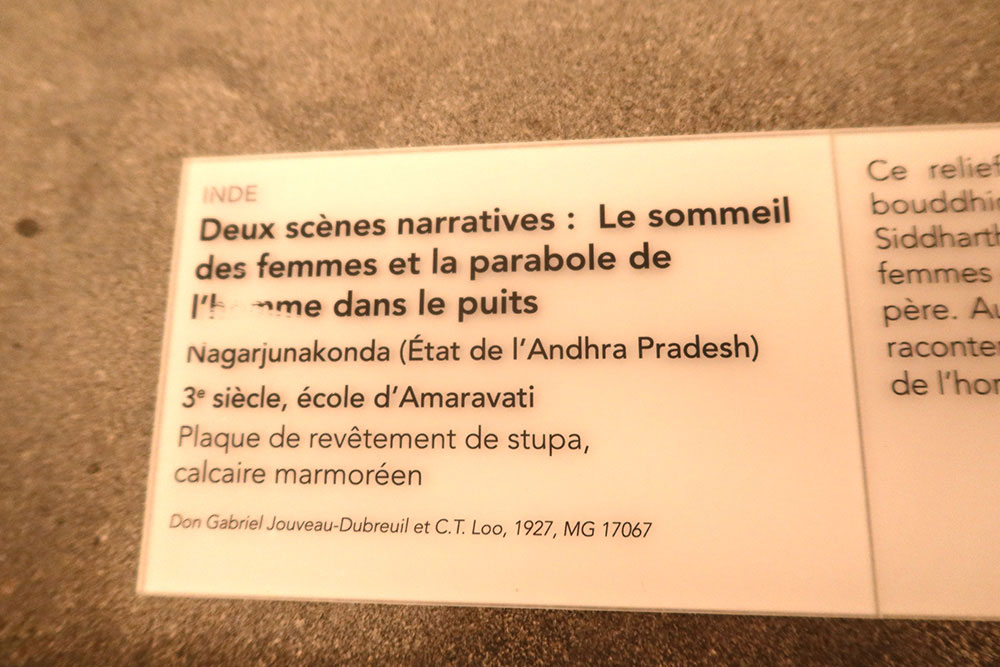
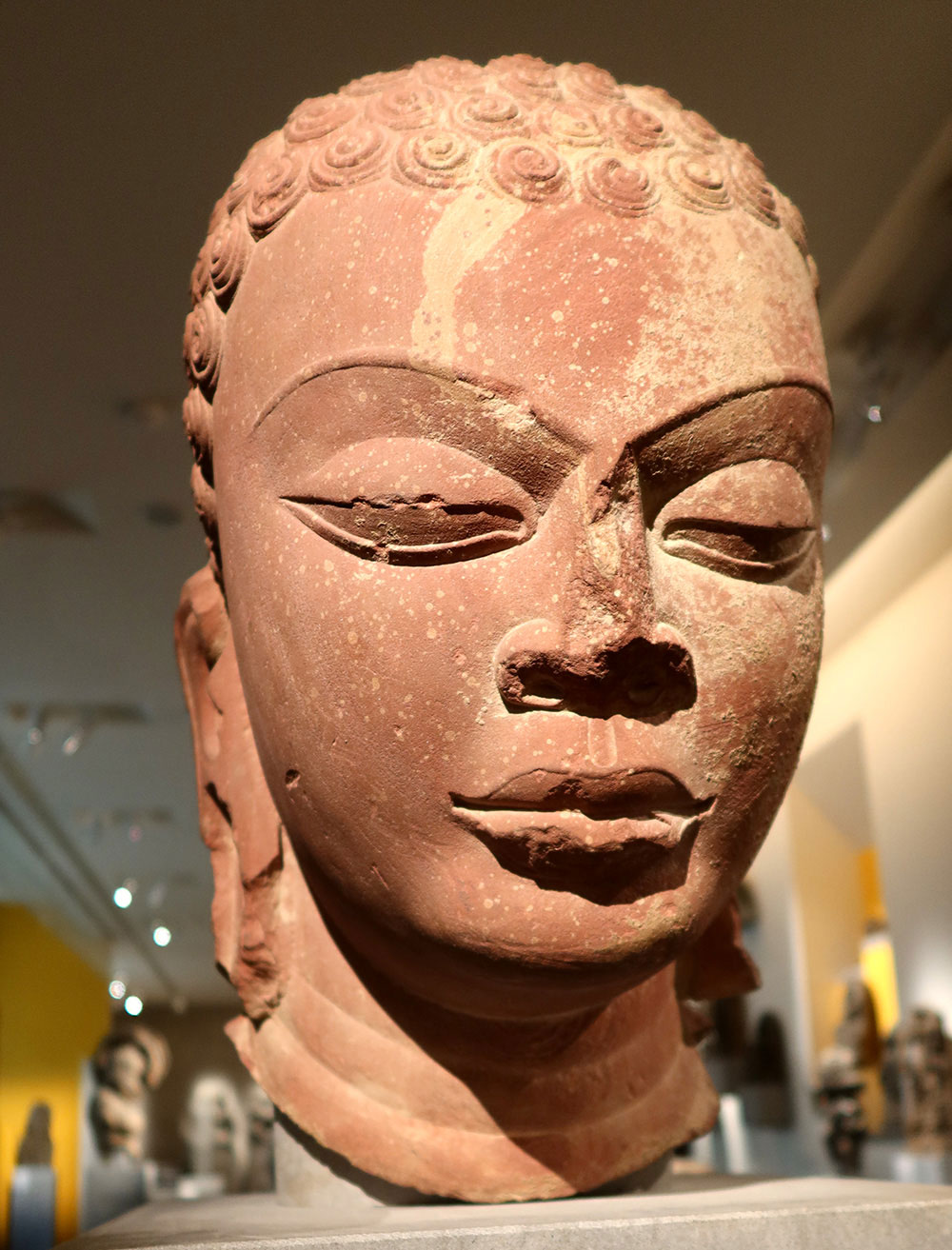
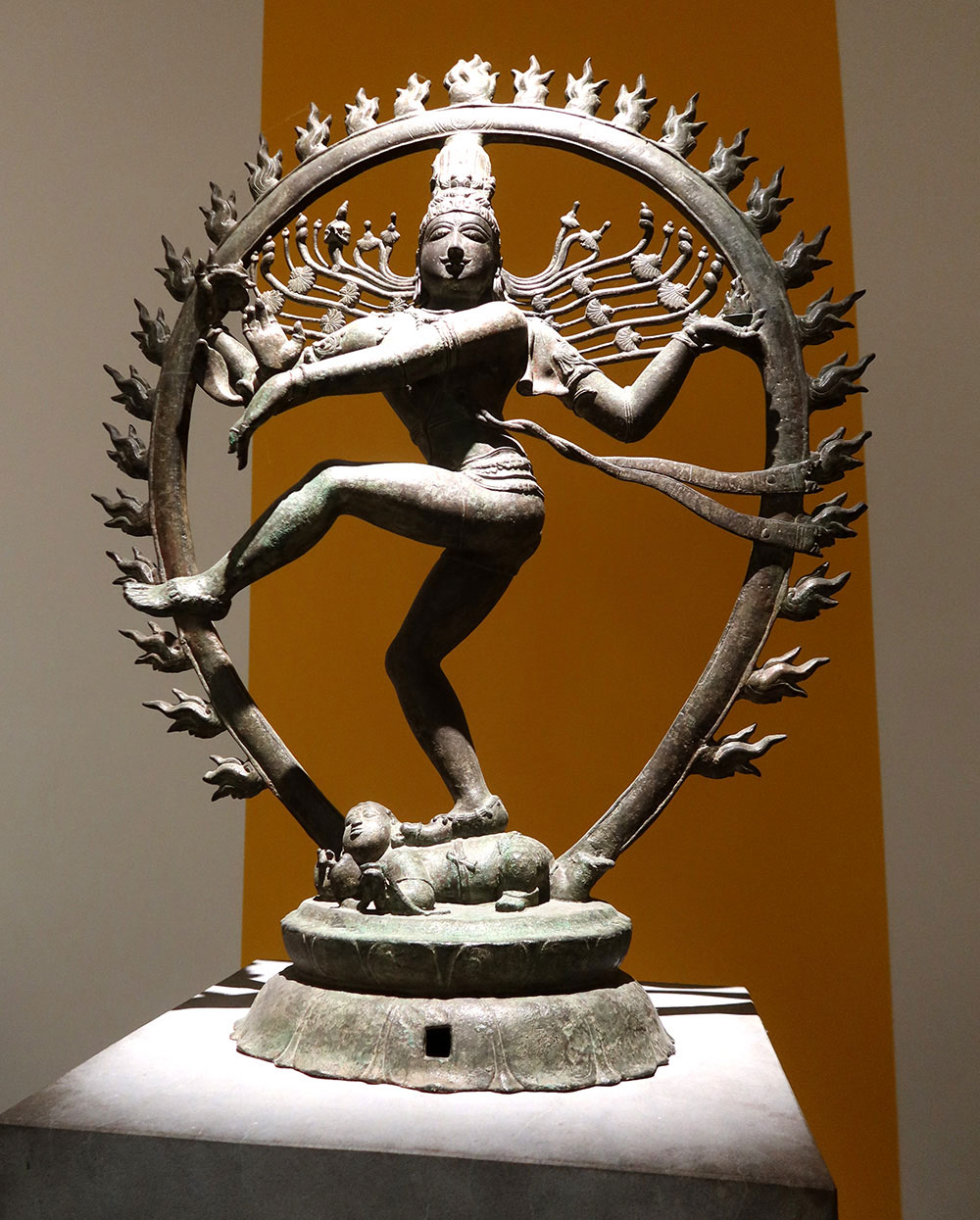
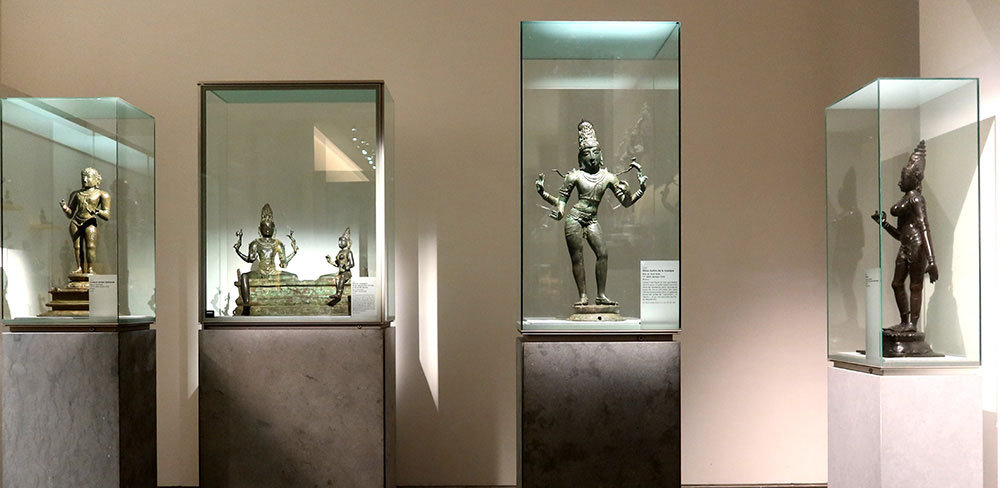
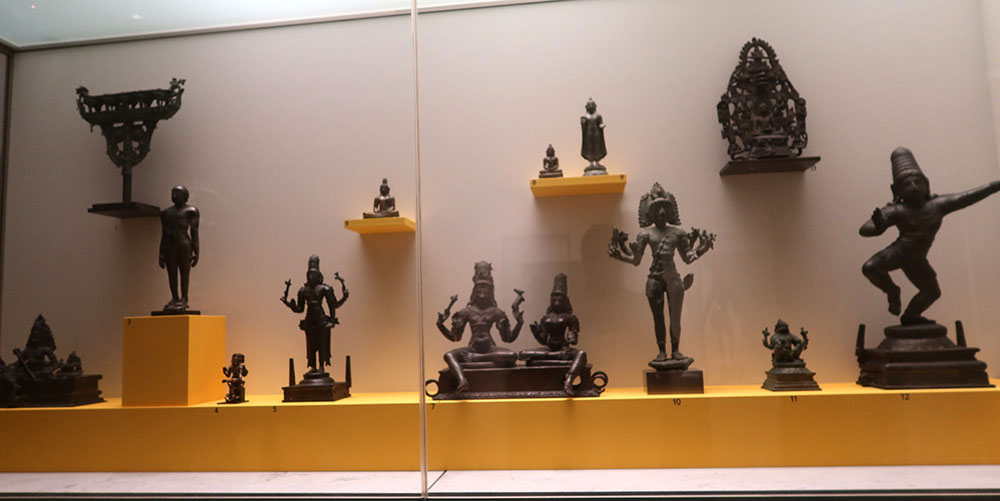
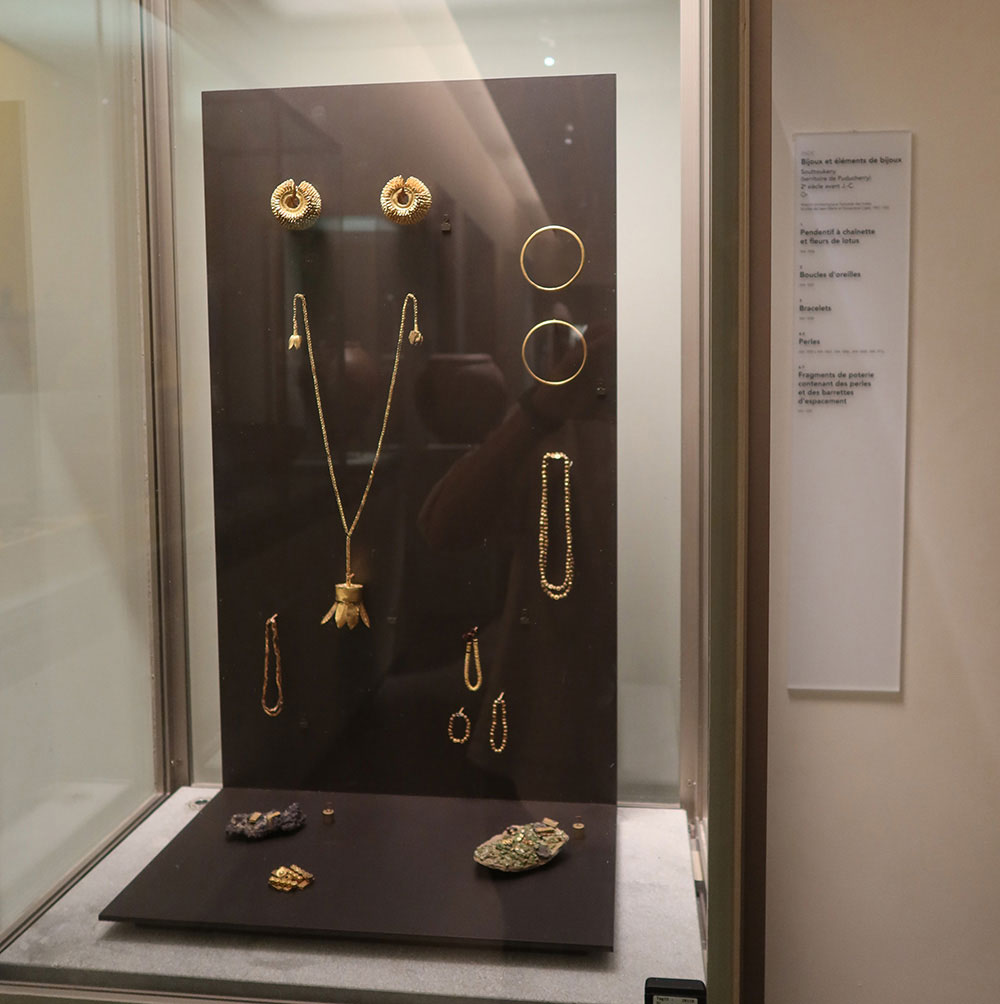
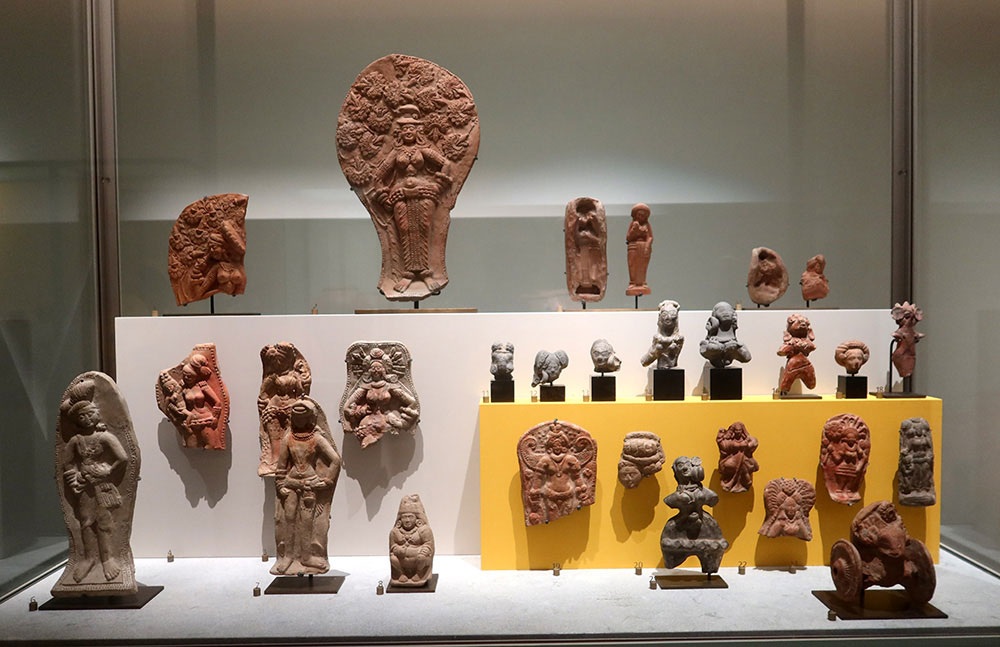
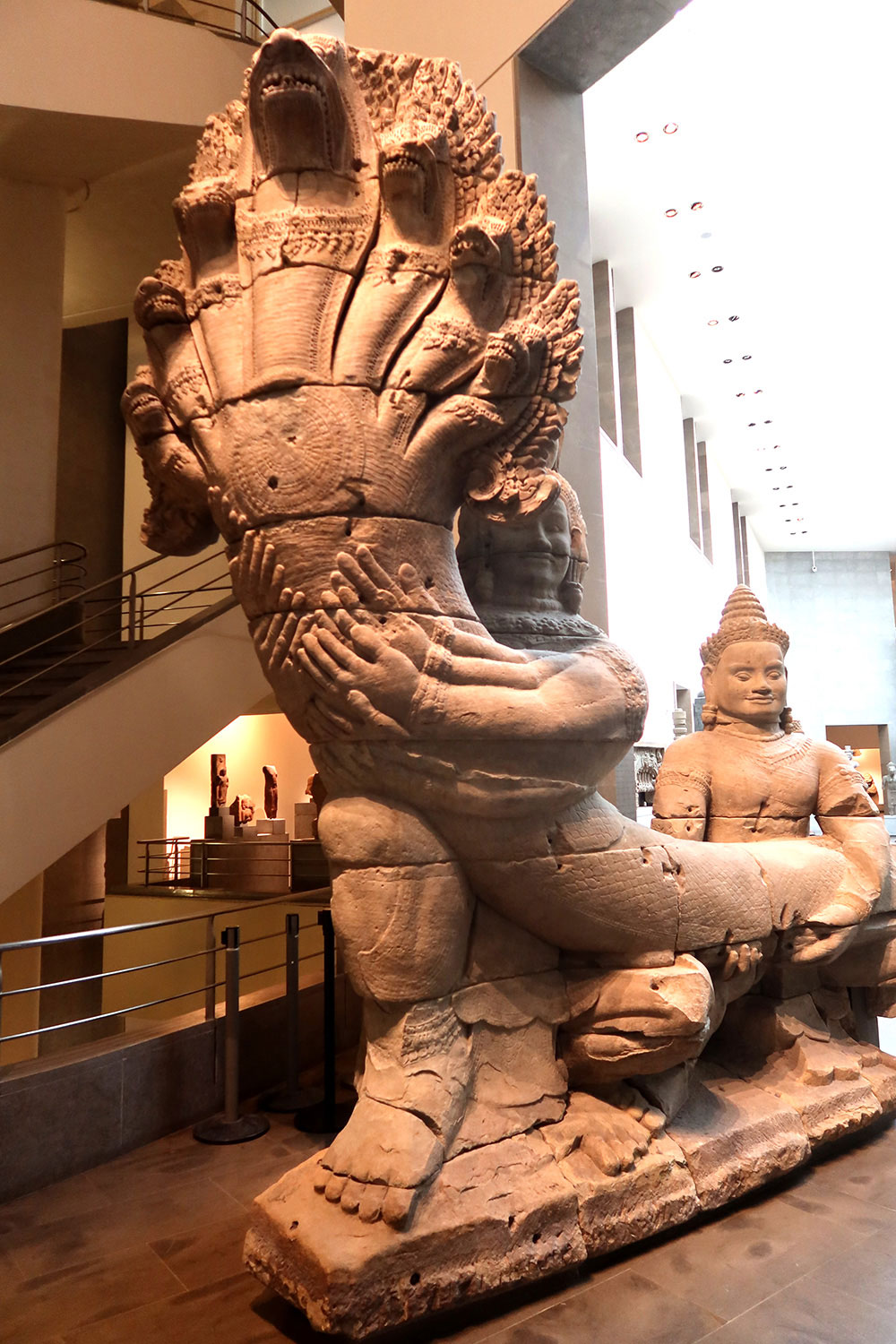
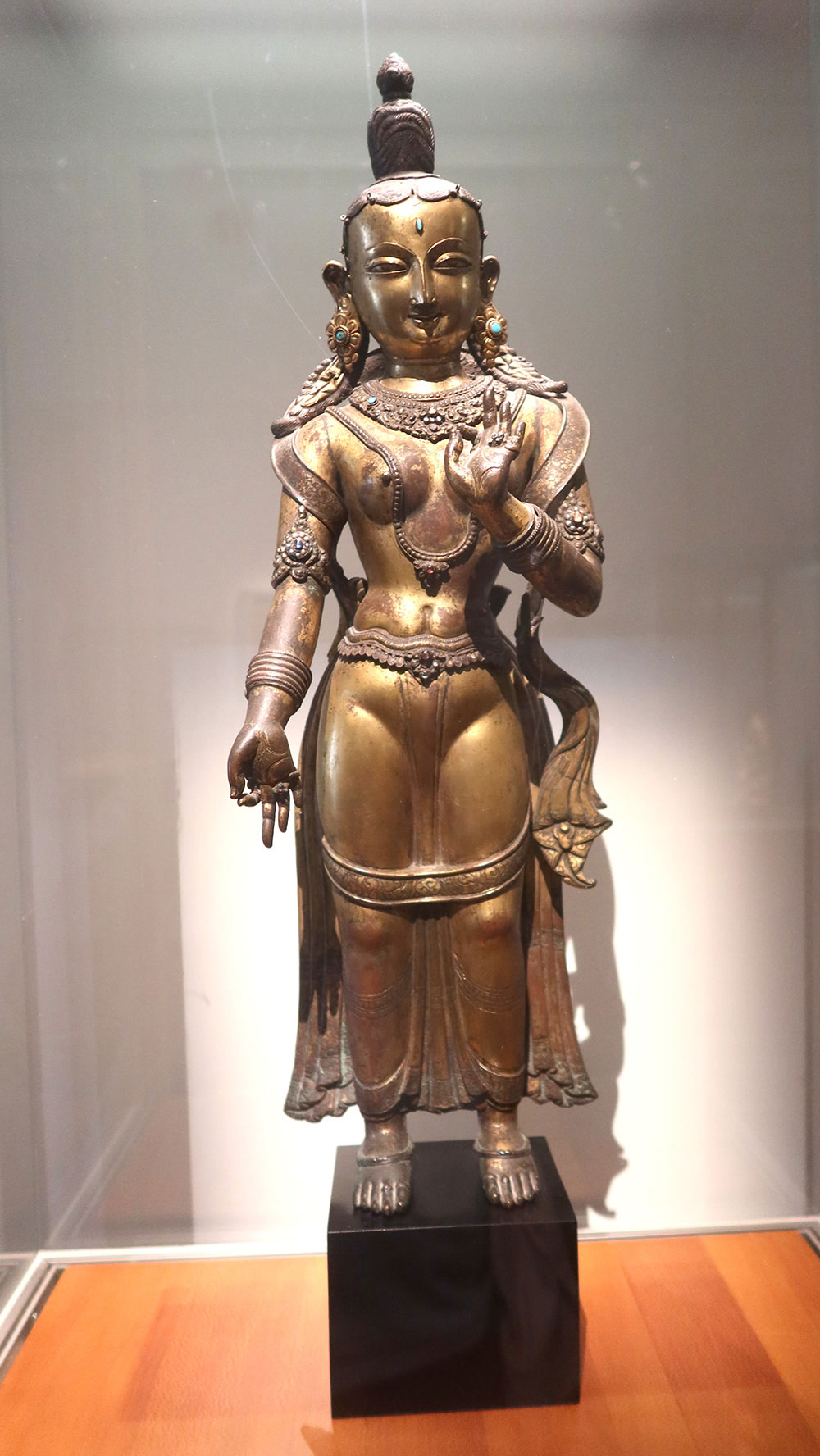
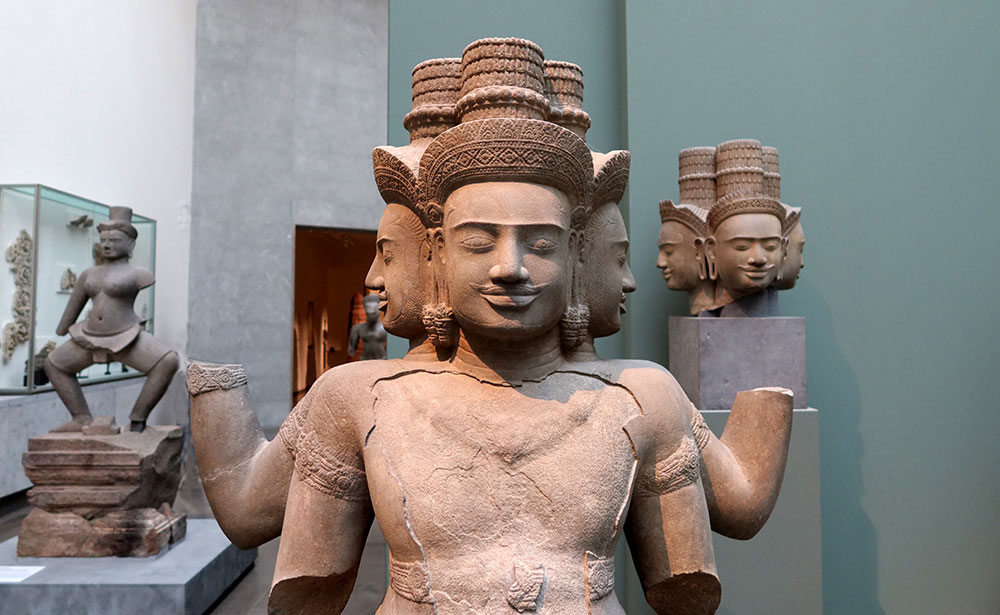
The ground floor is dominated by sculpture from India and Southeast Asia. The Khmer galleries are particularly substantial: the collection, rooted in the acquisitions of Louis Delaporte and the Cambodianist Étienne Aymonier, is recognised as one of the finest assemblages of Khmer sculpture outside Cambodia itself, spanning the arc of the Khmer Empire from the ninth to the thirteenth centuries. Among the works on display is a section of the Giants' Way from an Angkor temple complex, as well as pieces from the Champa civilisation of what is now central Vietnam — including a major Shiva figure of the eleventh or twelfth century. The Indian galleries hold sculptures in bronze, stone, wood, and terracotta dating as far back as the third millennium BC, with notable works tracing both the Buddhist and the Brahmanic traditions, and an outstanding group of Mughal-period miniature paintings from the Jean and Krishna Riboud collection.
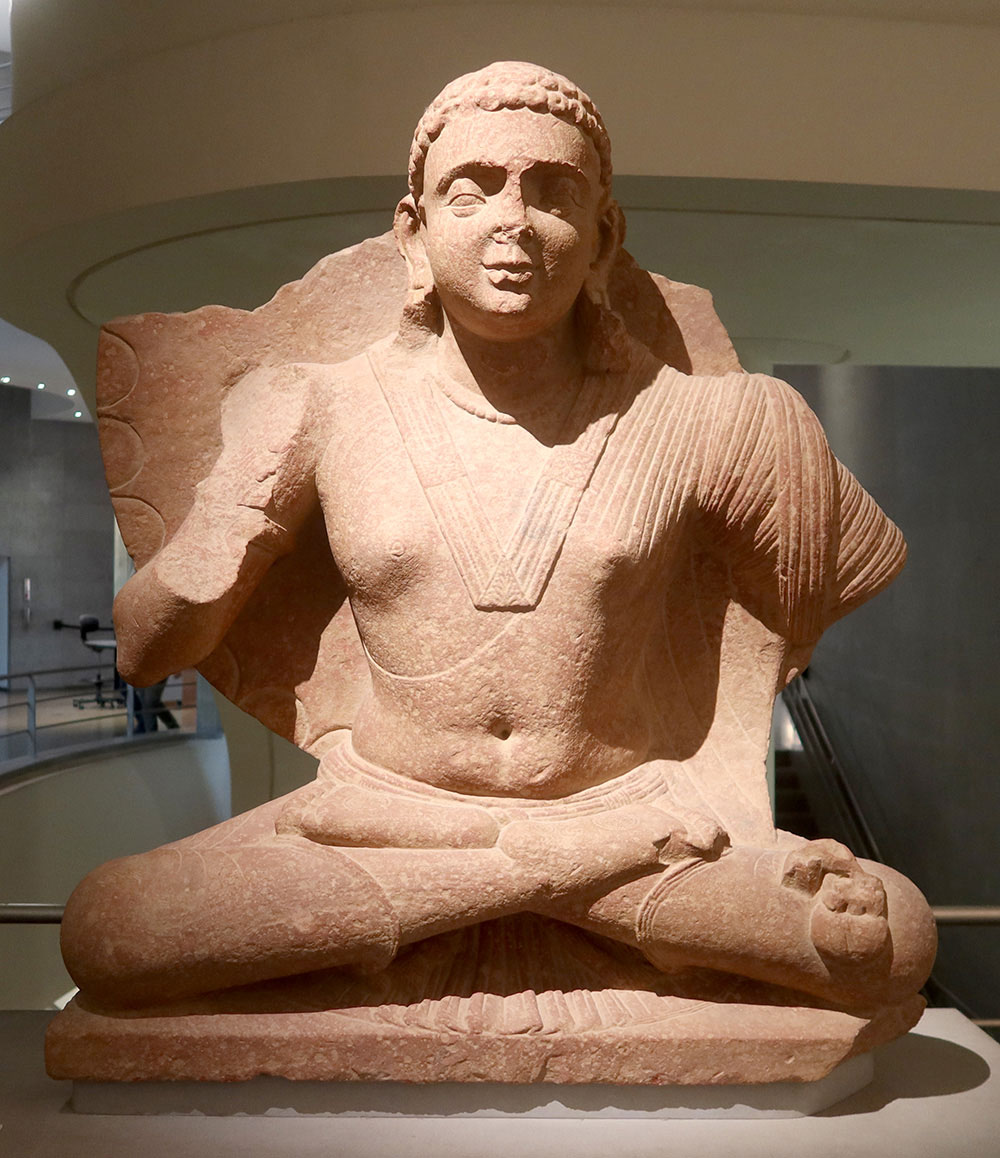
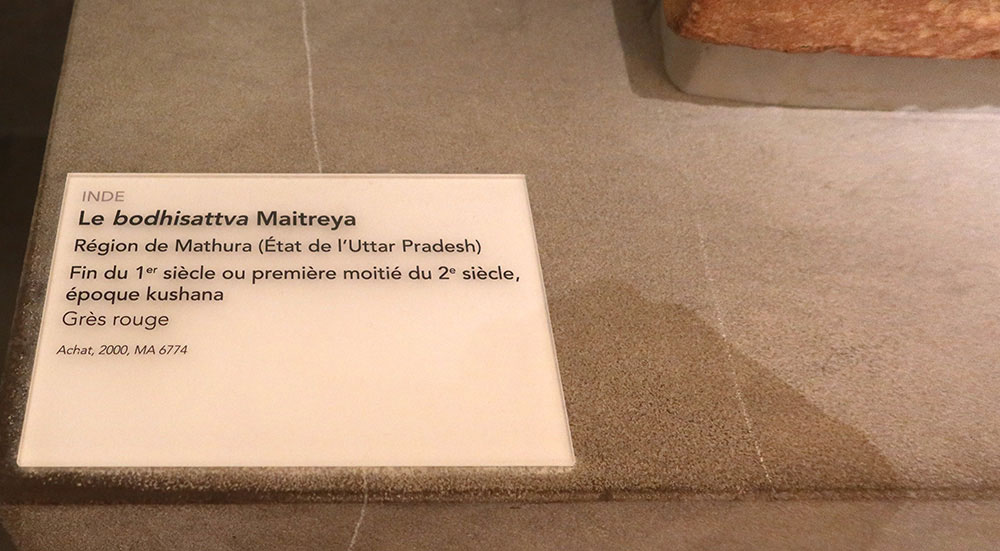
The Afghanistan and Pakistan galleries display Gandhara art from the Kushan period, among the most important groupings of this material outside South Asia. The Central Asia section presents paintings, manuscripts, and documents recovered from the Buddhist trading cities of the Silk Road, many attributable to Paul Pelliot's expeditions. The Korean collection, numbering around a thousand works, spans all major periods of Korean civilisation, from Silla gold and silverware of the first century BCE onwards, through Goryeo bronzes and Joseon funerary sculpture.
China is represented across multiple floors and media: ceramics from the Tang, Song, and Ming dynasties; Buddhist sculpture of substantial quality; lacquerwork and textiles; and an important body of material from the Grandidier Collection, which was formed primarily in the nineteenth century by the collector and Sinologist Albert Grandidier. The Japanese holdings, among the richest in the museum, encompass painting, ceramics, lacquer, armour, and devotional objects. The Panthéon Bouddhique at the Hôtel d'Heidelbach displays Buddhist sculpture in an environment conceived to evoke a temple setting, with a Japanese garden adjacent to it.
The museum also holds a textile department of considerable depth, assembled in substantial part through the legacy of Krishna Riboud, which covers weaving traditions across the Asian continent. The research library, situated beneath the historic dome — a structure designated as a Monument historique — holds a substantial collection of specialist publications, historical photographs, and archival material relating to Asian art, religion, and archaeology.
Scholarly Identity and Institutional Dialogue
The Guimet has historically been as much a centre of scholarship as a public-facing museum. The succession of its directors has included specialists in Indian, Cambodian, Chinese, and Central Asian art, and the institution has maintained long-standing ties with the École française d'Extrême-Orient and other research bodies focused on Asian studies. Its library and photographic archives continue to serve as a resource for researchers internationally.
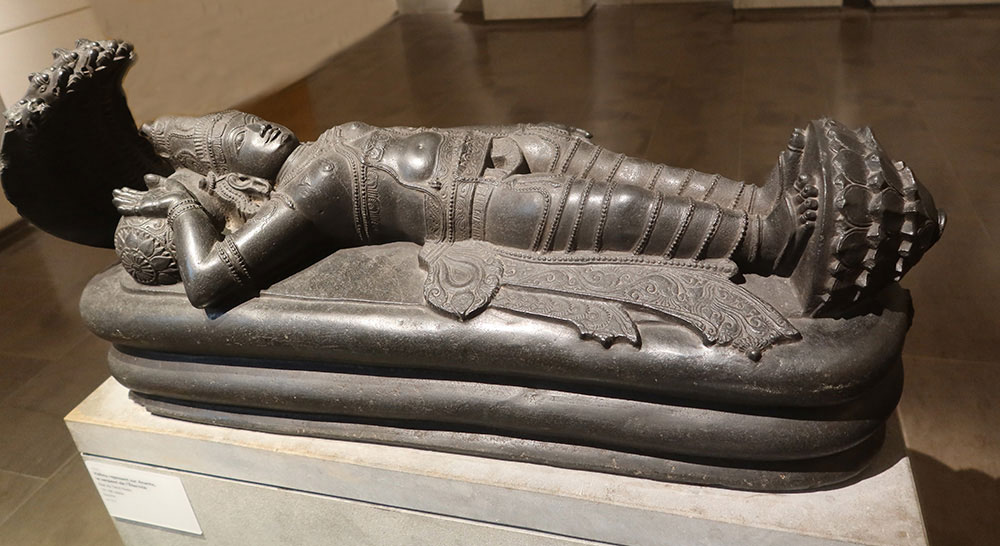
In recent years the museum has placed an increasing emphasis on partnerships with Asian institutions. A notable current project involves collaboration with the National Museum of Cambodia, supported by the Aliph Foundation for Heritage Protection, which will see the eleventh-century West Mebon Reclining Vishnu — the largest bronze sculpture recovered from Angkor — sent to Paris for restoration before serving as the centrepiece of a dedicated exhibition, which is then scheduled to tour to the United States.
The museum has also been candid about the implications of its own history of collection. Its director and curatorial staff have acknowledged in recent publications that the Guimet's holdings inevitably reflect the perspectives, methods, and power relations of the French scholarly and colonial enterprises of the nineteenth and early twentieth centuries, and that the institution presents a vision of Asia as much as Asia itself. This critical self-awareness, now shared by many institutions with comparable origins, has shaped how the museum contextualises its collection in gallery texts and catalogues.
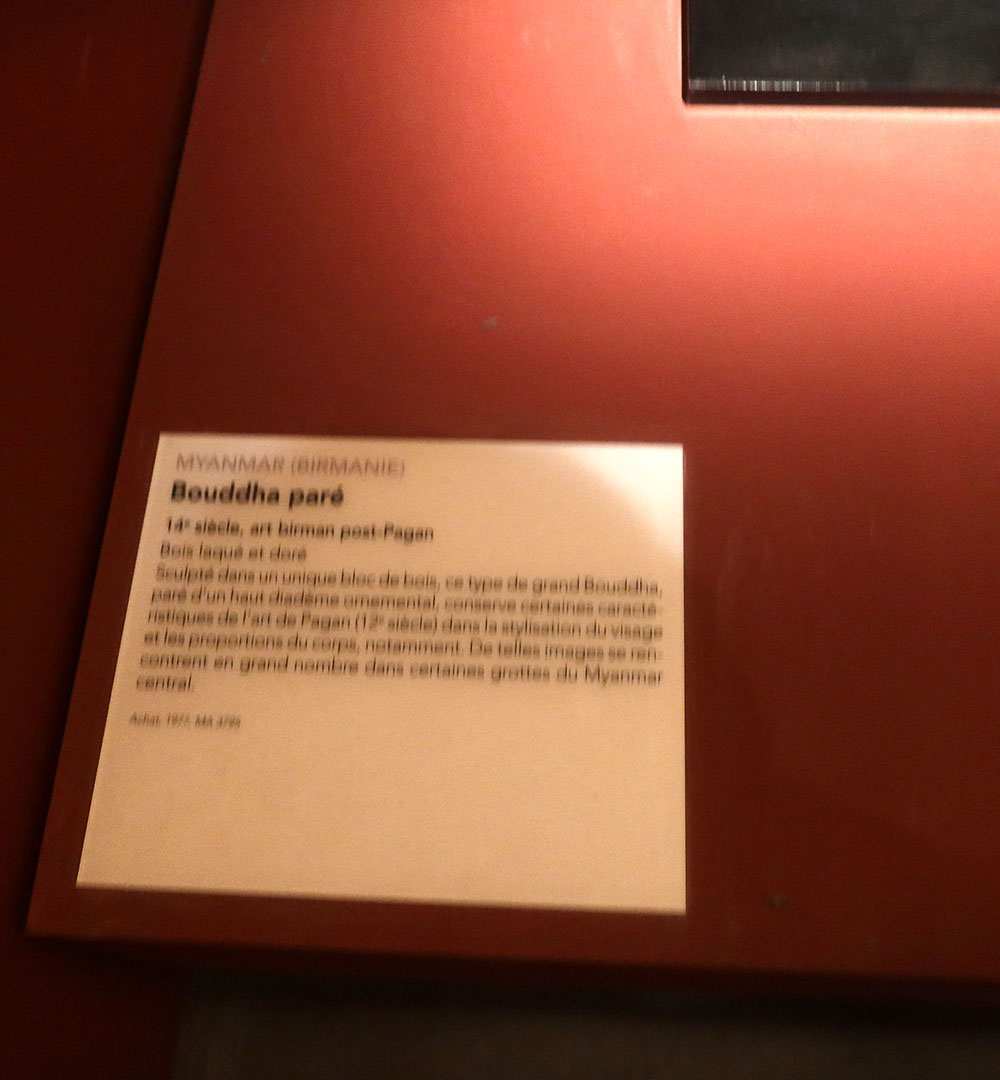
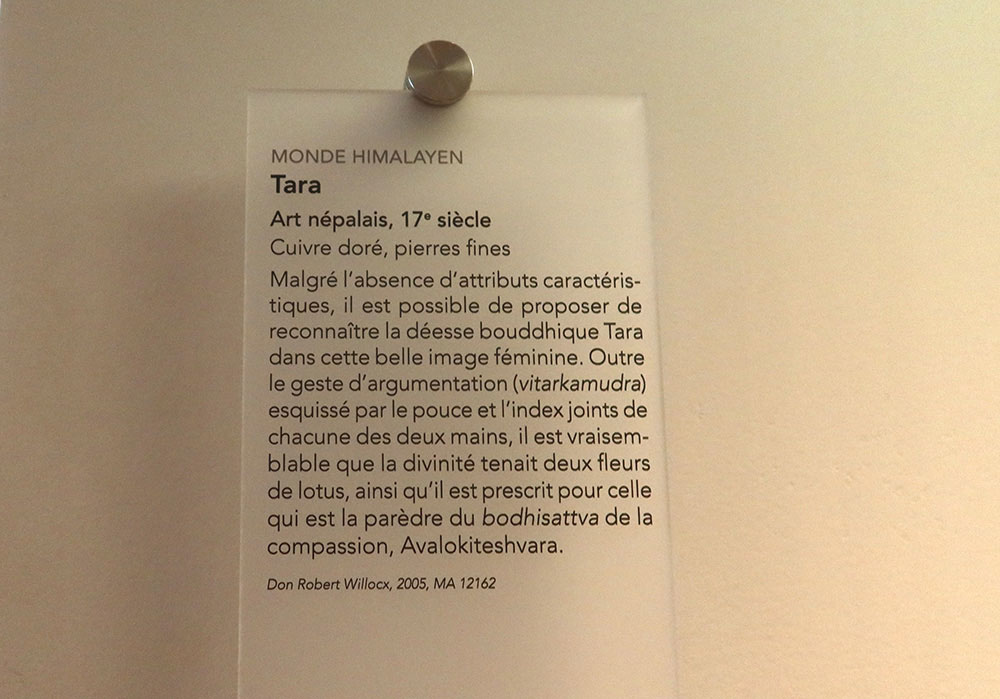
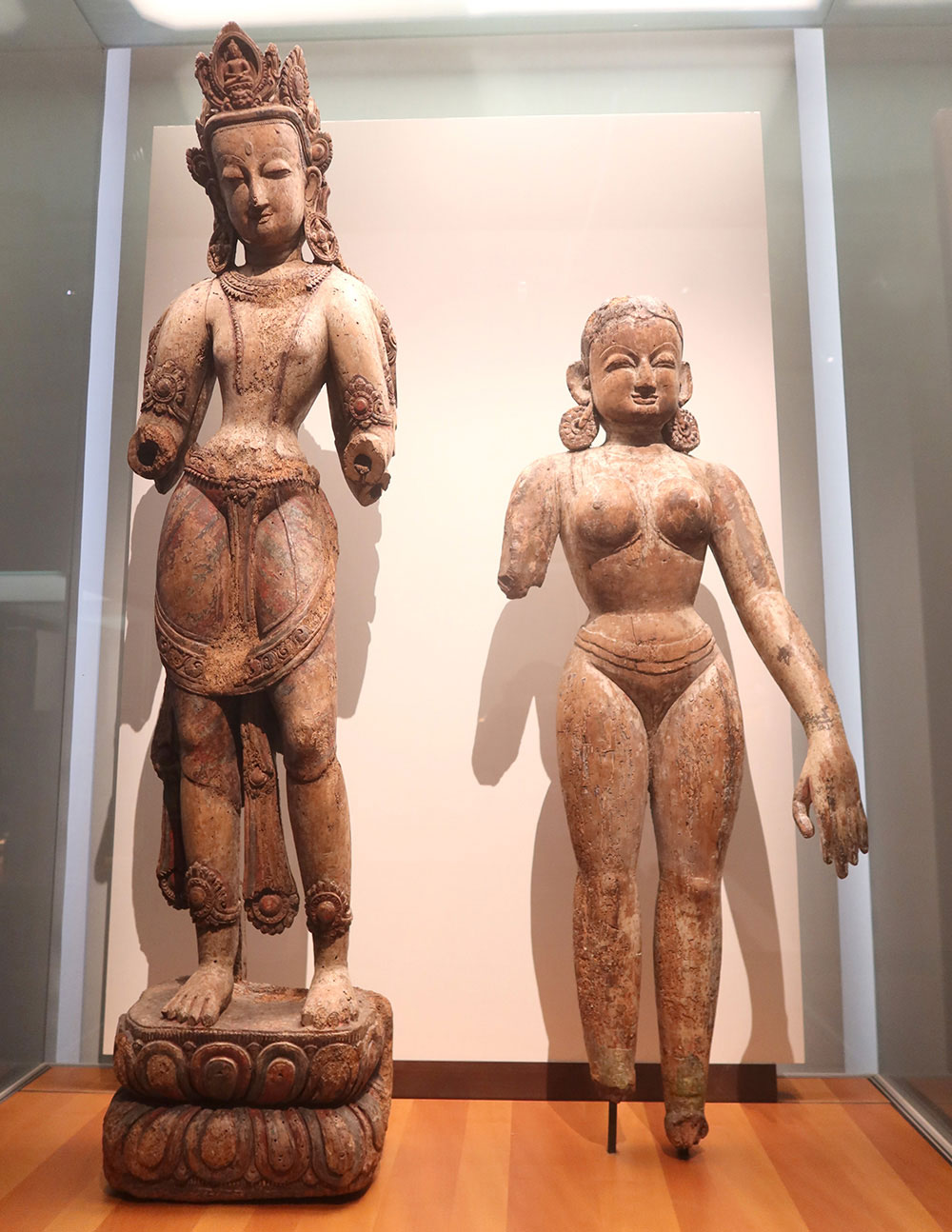
The museum has not been without controversy in its recent history. In 2024, the Parliament of the Central Tibetan Administration and a group of Asian scholars published criticism of the museum's decision to replace the designation "Tibet" with "Himalayan World" in its catalogue and exhibition labels, and to refer to the region by the Chinese name "Tubo". These concerns were supported by the French Senate's Tibet Support Group, and in 2025 four associations filed proceedings with the administrative court seeking a reversion to established nomenclature. The museum has defended its position, and the French Minister of Culture has noted that comparable terminological choices have been made by other major institutions, including the Metropolitan Museum of Art. The dispute illustrates the extent to which decisions about naming and framing in Asian art collections now engage complex questions of geopolitics and institutional responsibility.
Relevance for Art Professionals
The Guimet provides an unusually comprehensive point of reference. Its collection spans the full geographic and chronological range of Asian artistic production from the Neolithic period to the early modern era, and the depth of individual holdings — particularly in Khmer sculpture, Gandhara art, Chinese ceramics, and Japanese decorative arts — makes direct comparison with works on the market or in private collections genuinely informative.
The museum's approach to display — prioritising natural light, spatial openness, and cross-cultural juxtaposition — offers a considered model for how a major encyclopaedic collection can be organised to serve both specialist and general audiences. Its renovation by the Gaudin firm, completed in 2001, is now sufficiently distant to be assessed with some perspective, and continues to be referenced in discussions of museum architecture and the presentation of non-Western art in European contexts.
The temporary exhibition programme has maintained a reliable standard, with recent presentations addressing Japanese imperial court culture, Asian medical traditions, and the archaeological heritage of Afghanistan. The institution has indicated that its 2025 programme is substantially oriented towards China, and that the Cambodian partnership surrounding the West Mebon Vishnu will produce one of the more significant loan exhibitions in the Asian art field in recent years.
Musée national des arts asiatiques-Guimet 6 Place d'Iéna, 75116 Paris www.guimet.fr
Open Wednesday to Monday, 10:00–18:00. Closed Tuesdays and on 1 January, 1 May, and 25 December.