
Architecture, Collection and the Programme Ahead
When Tate Modern opened its doors on 11 May 2000, it did so inside a building that had been derelict for nearly two decades. Sir Giles Gilbert Scott’s Bankside Power Station — constructed in two phases between 1947 and 1963, directly across the Thames from St Paul’s Cathedral — had ceased generating electricity in 1981. Its conversion into a public gallery for international modern and contemporary art was, by any reasonable institutional measure, a considerable risk. Twenty-five years on, with over 4.6 million visitors recorded in 2024 alone, it stands as the most attended art gallery in the United Kingdom and one of the most significant sites of modern and contemporary art anywhere in the world.
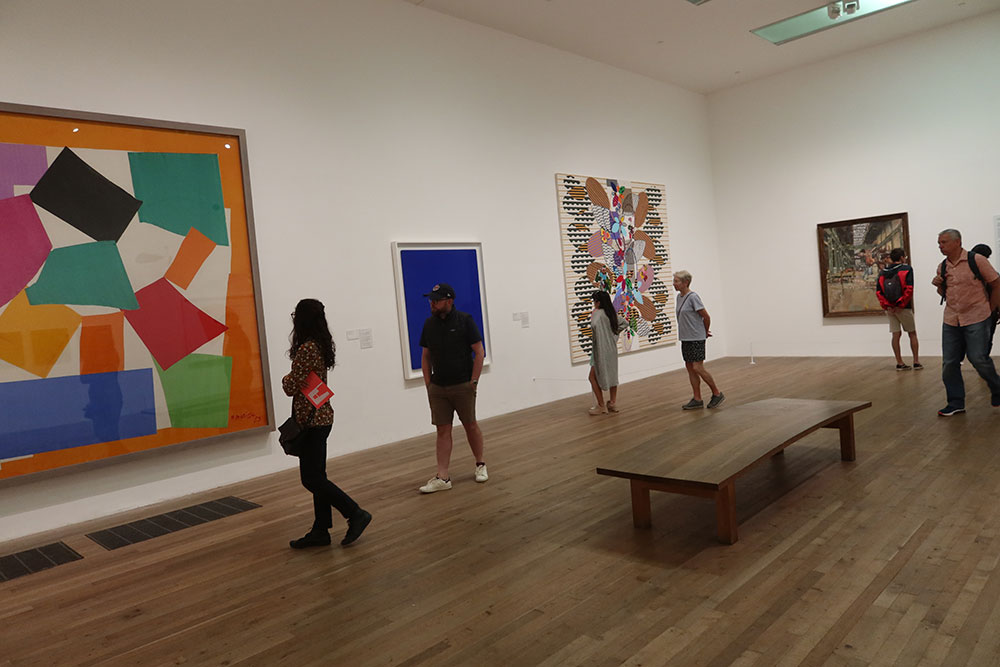
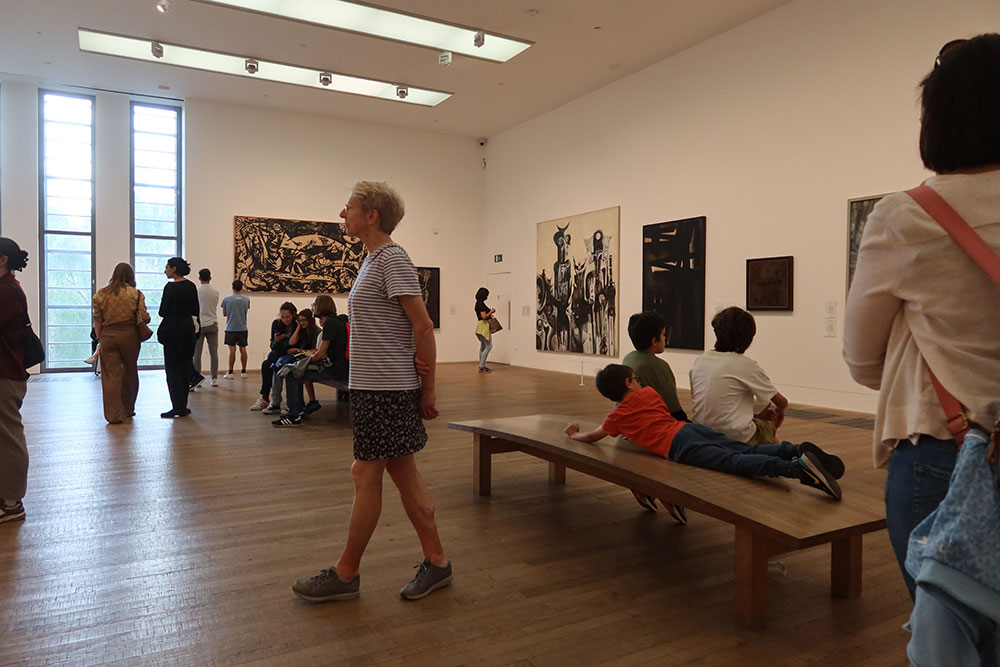
The decision to commission the Swiss architectural firm Herzog & de Meuron, announced in January 1995 following an international competition that attracted 148 entries, proved formative. The architects declined to impose a wholesale reimagining on the structure, choosing instead to retain the cavernous turbine hall, the monumental brick façade, and the building’s industrial proportions. The most visible external alteration was a two-storey glass addition to half of the roof. Within, gallery spaces were designed to range in height between five and twelve metres, served by a combination of natural and carefully filtered artificial light. That measured restraint — preserving industrial scale while creating conditions appropriate to art — gave Tate Modern a spatial character no purpose-built institution could have replicated.
The Turbine Hall and the Logic of Commission
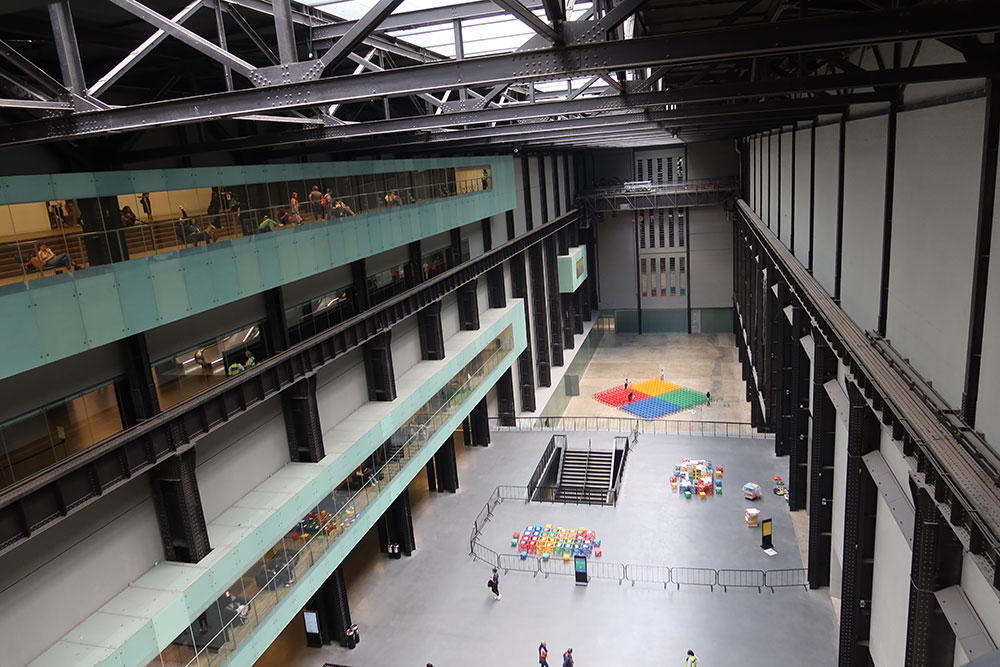
The turbine hall — 155 metres long, 35 metres high, and retained in something close to its original condition — became Tate Modern’s most distinctive curatorial space from the outset. Louise Bourgeois inaugurated the annual Turbine Hall commission with ‘I Do, I Undo, I Redo’ in 2000, establishing a model of site-responsive work that the institution has continued to nurture. The commission series has since provided an unusually demanding creative context: one in which scale, the movement of the public, and the particularities of the space itself are integral to whatever any artist proposes. Works by Olafur Eliasson, Doris Salcedo, Carsten Höller, and many others have tested that context with varying degrees of formal ambition, and the programme remains one of the more serious sustained relationships between an institution and large-scale, spatially conceived art anywhere in operation today.
The Blavatnik Building, the extension designed once again by Herzog & de Meuron and opened in June 2016, added a further dimension to this spatial logic. Built above the former circular oil tanks, which had been converted into performance and film spaces when they first opened to the public in 2012, the building increased the gallery’s display capacity by sixty per cent. The Tanks — as they are known — remain the most architecturally unusual spaces in the institution: circular, concrete-walled, and acoustically particular in ways that have shaped how the gallery programmes performance, moving image, and installation work within them.
A Collection Redrawn
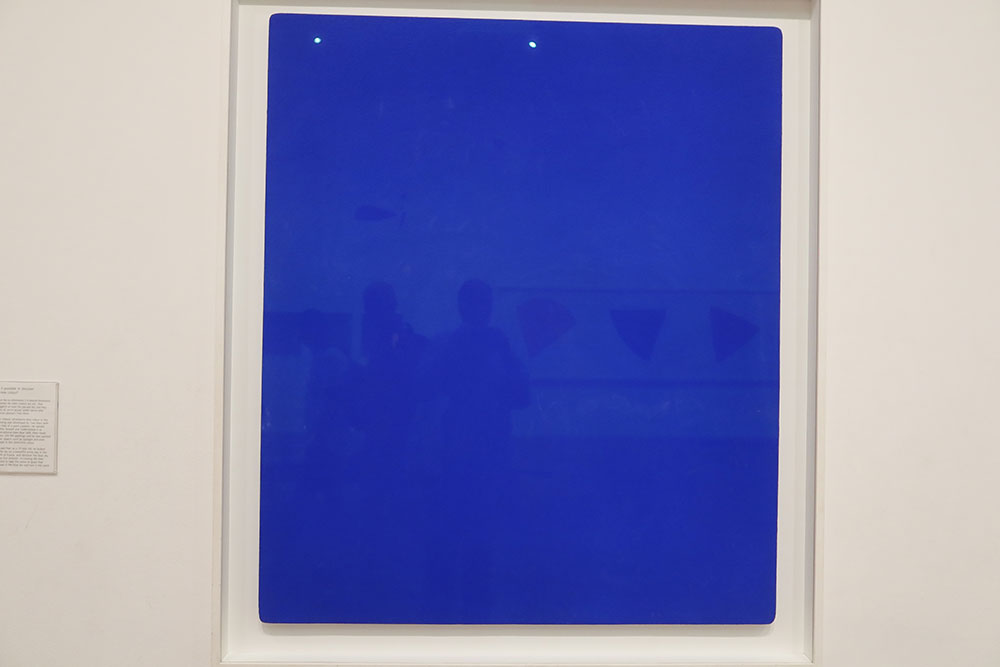
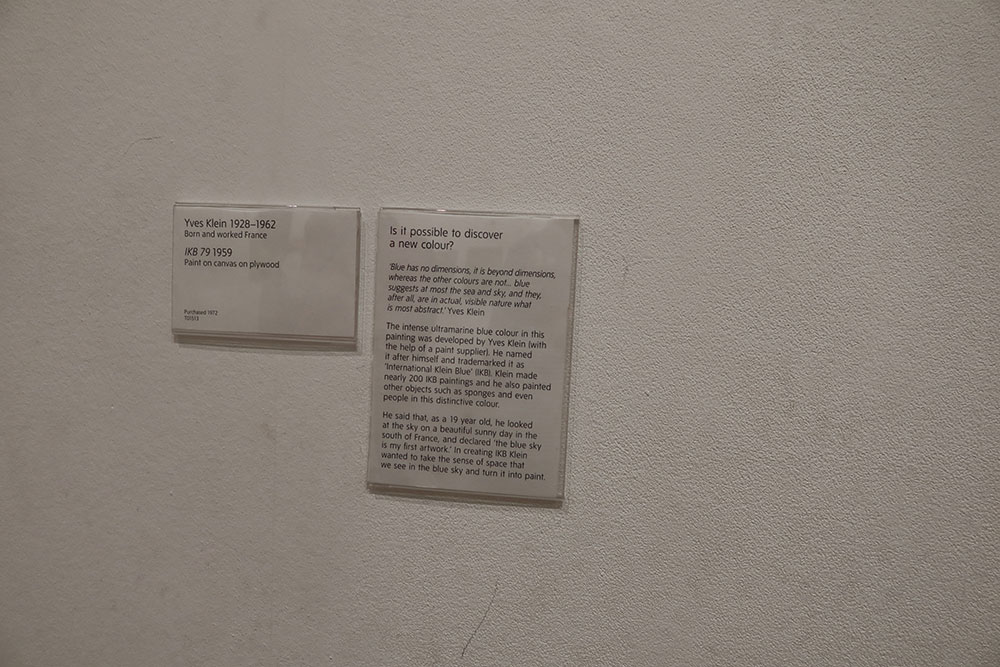
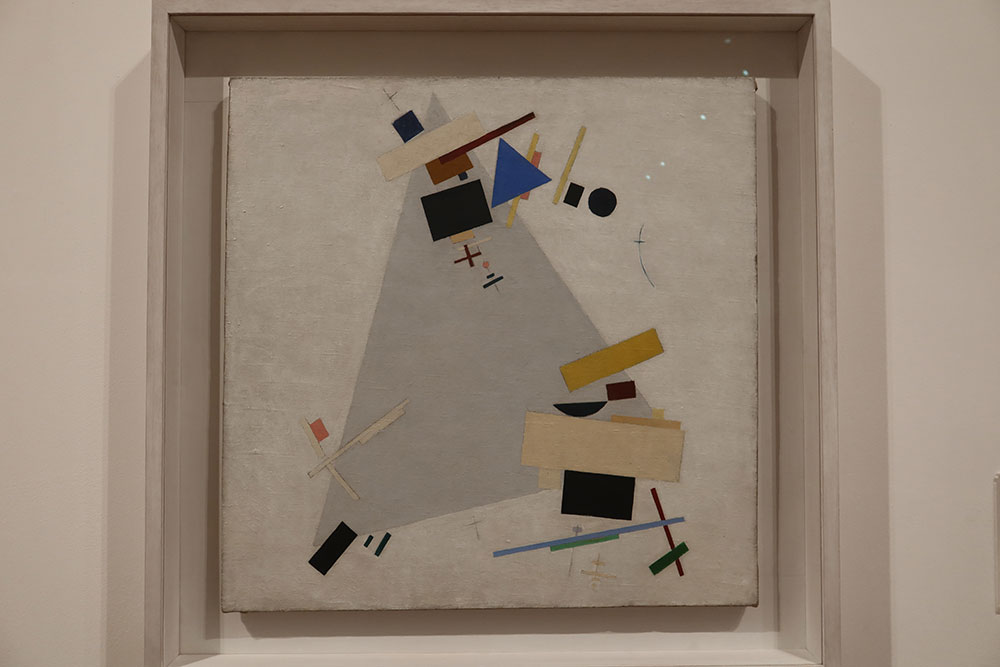
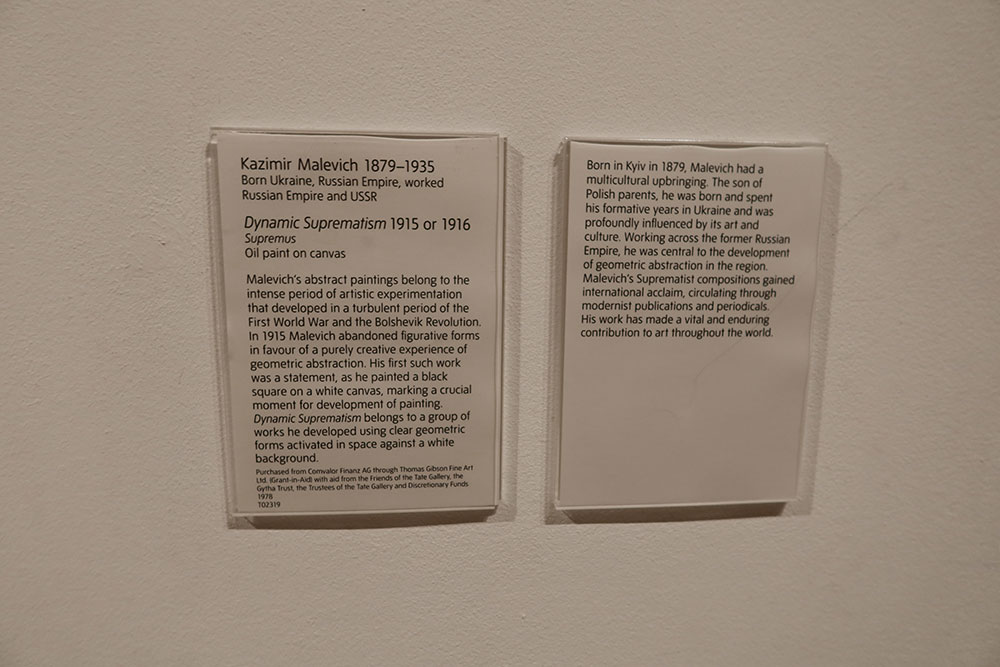
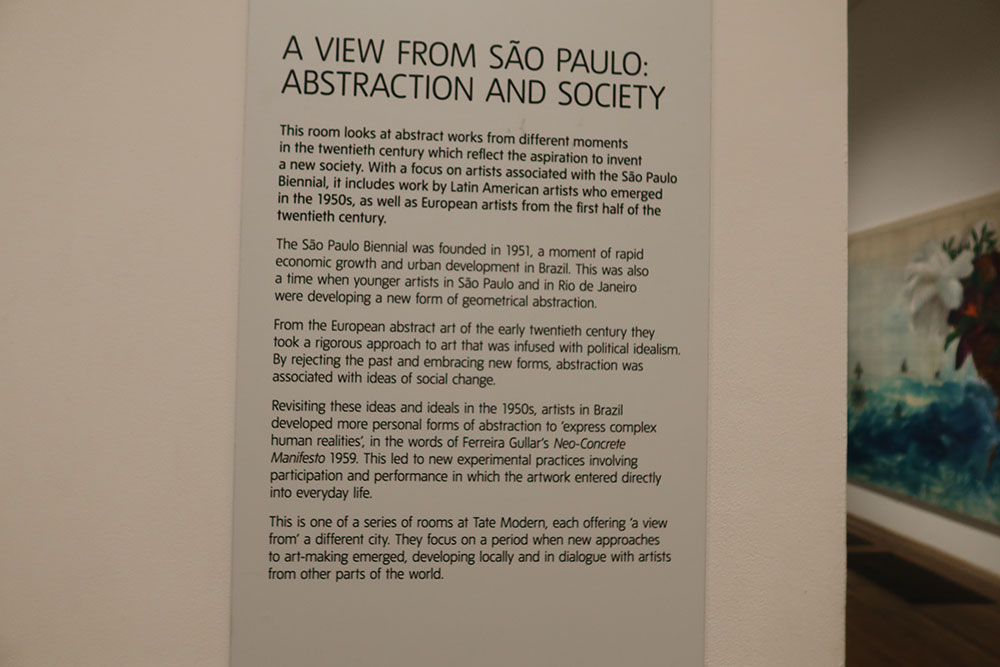
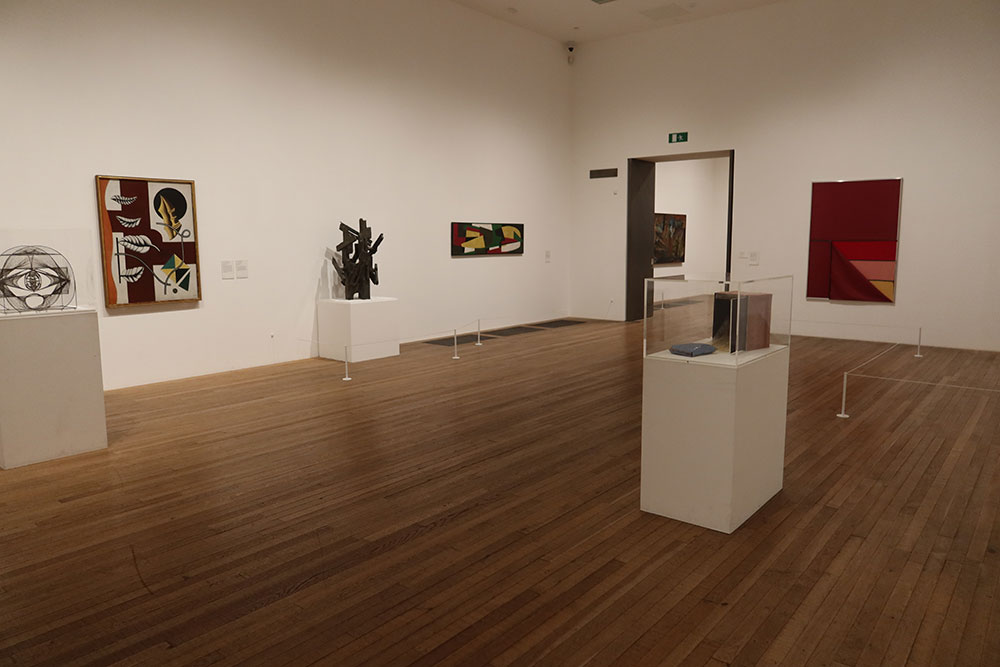
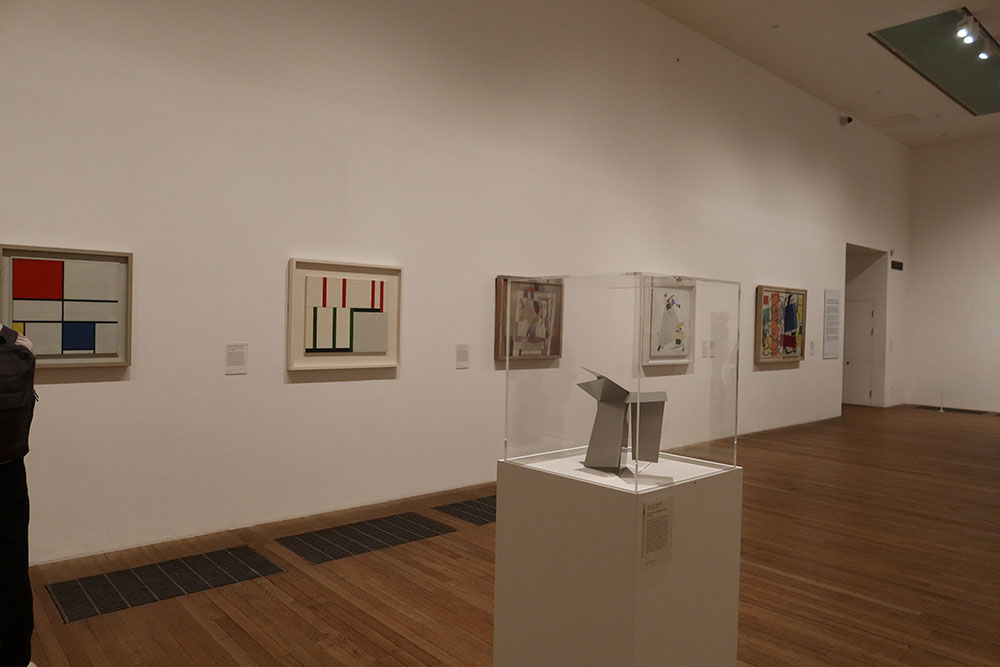
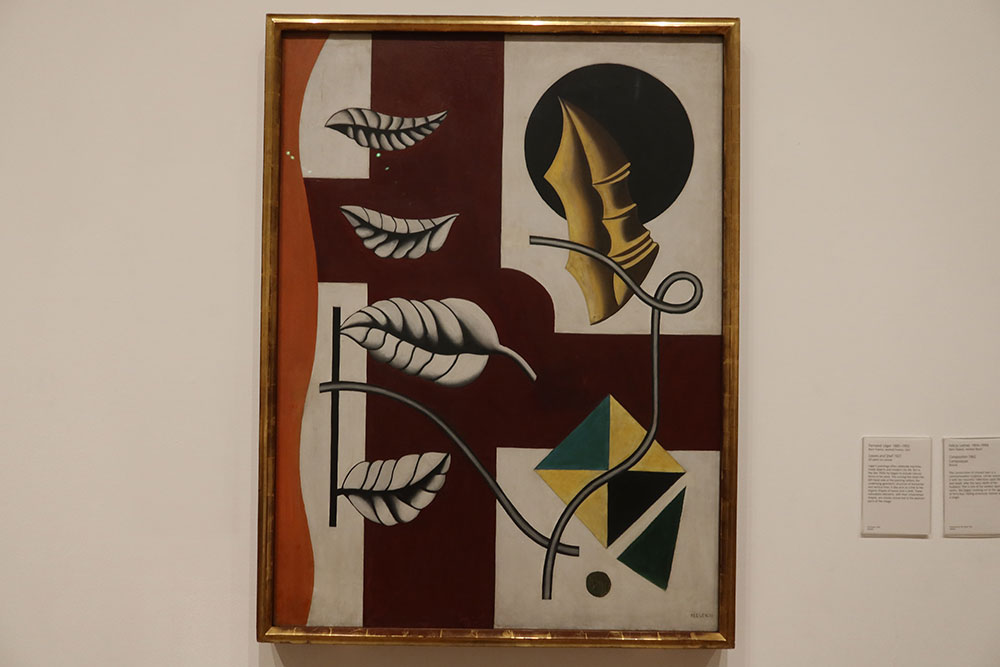
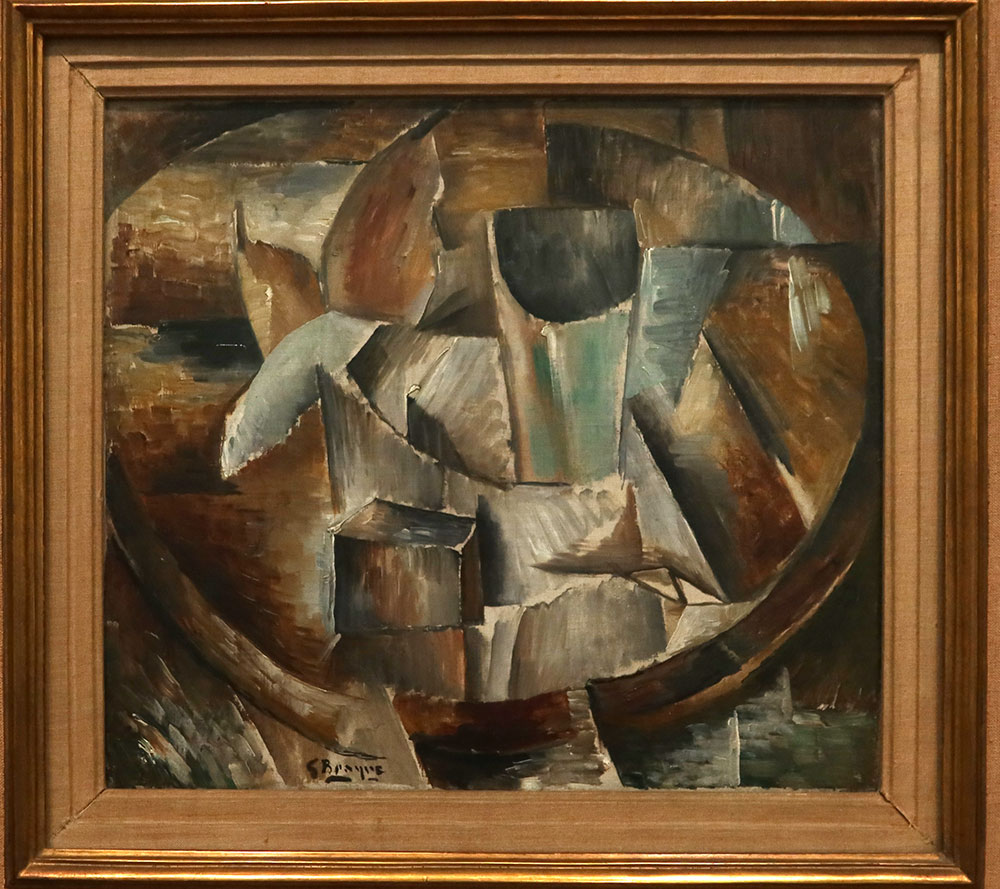
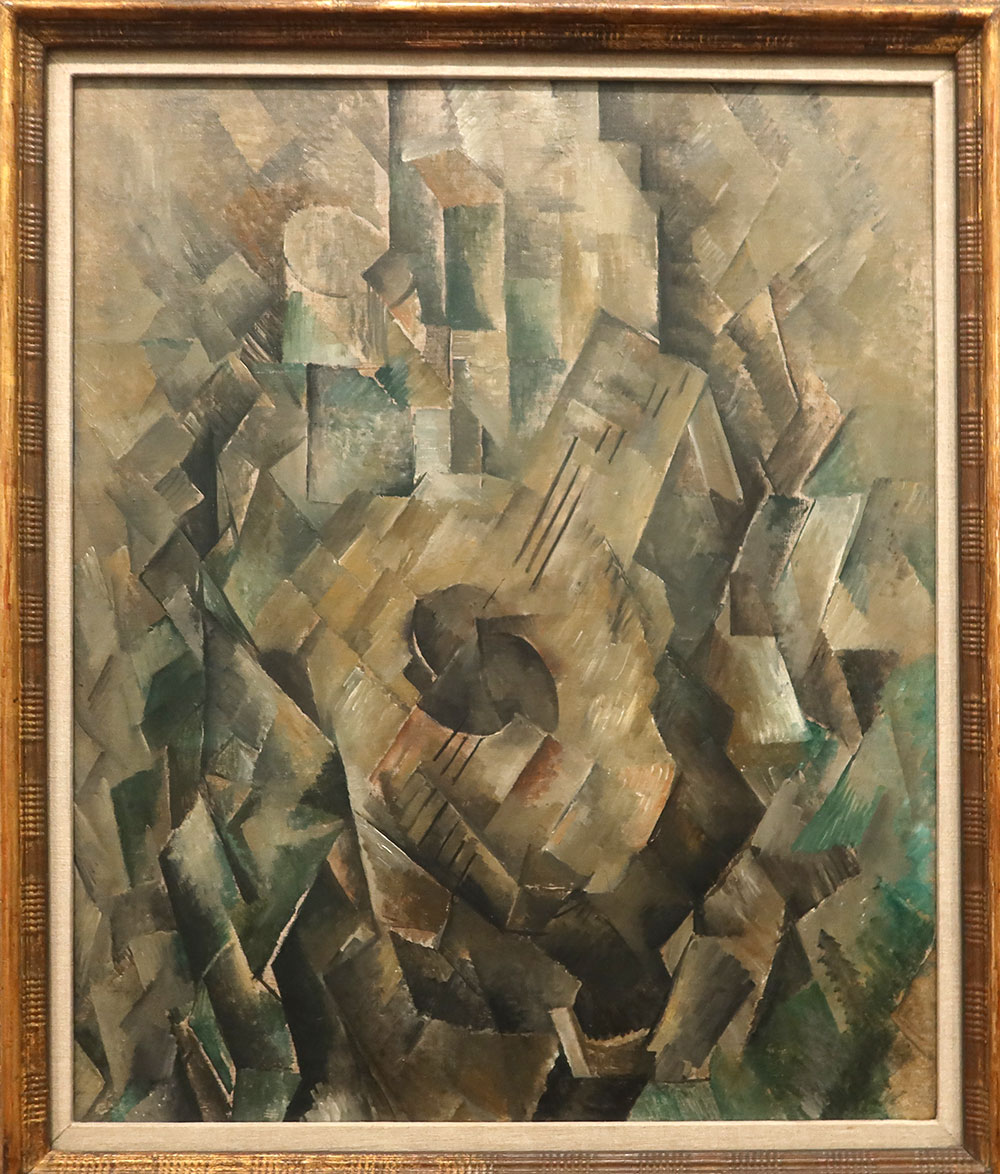
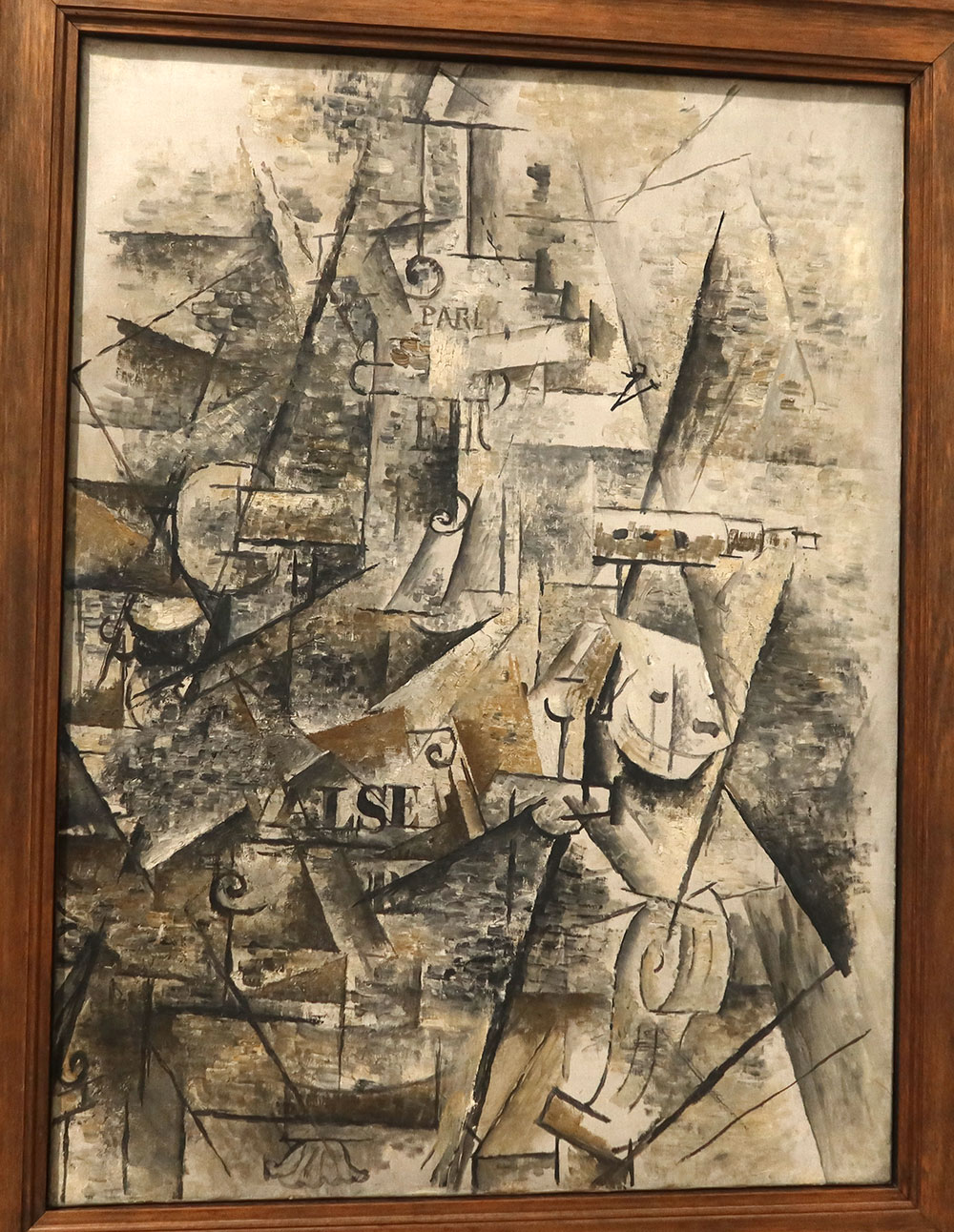
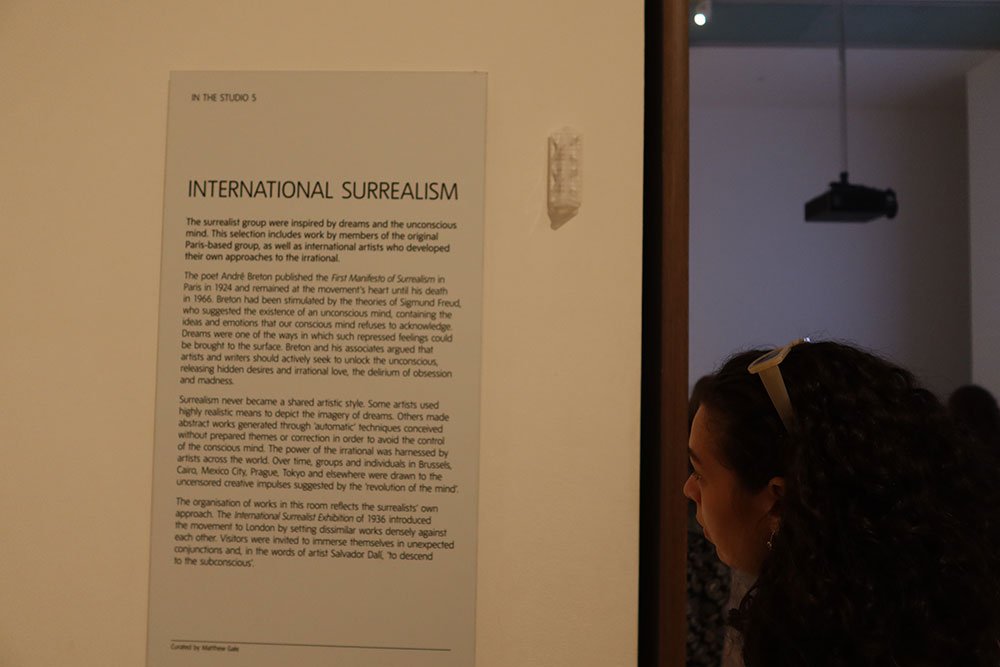
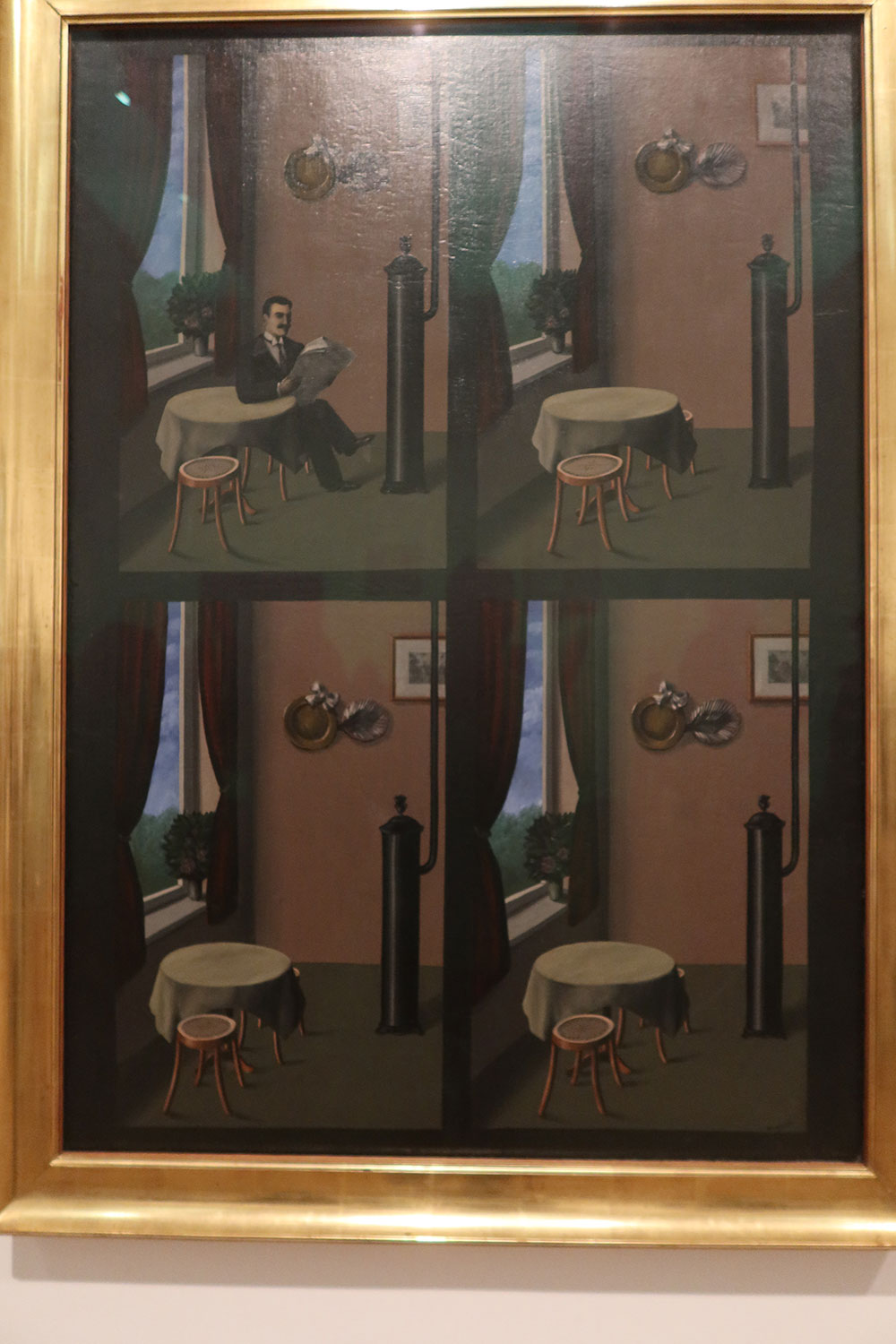
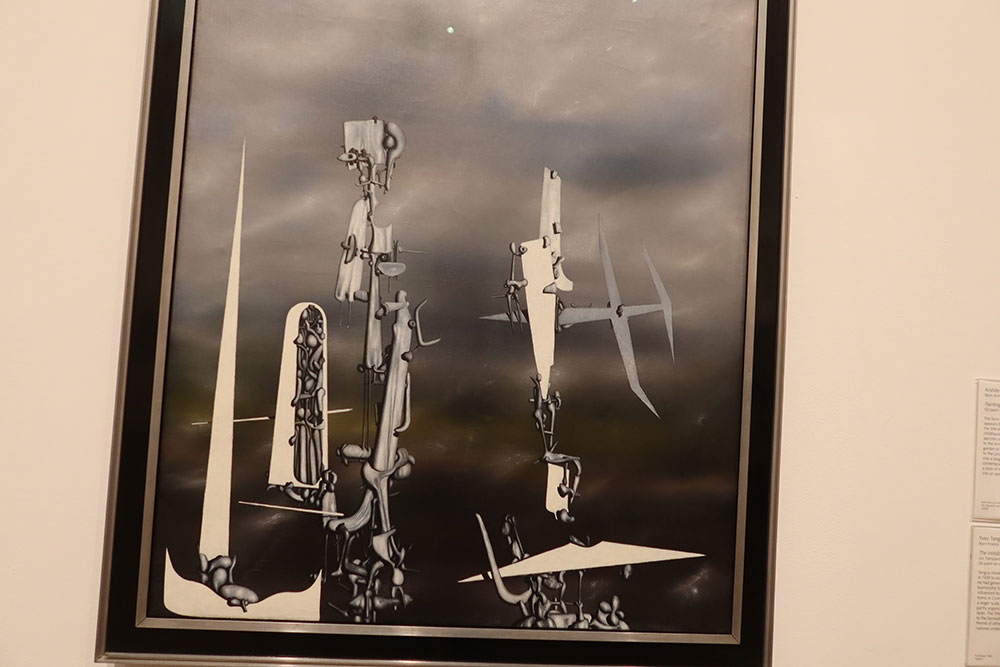
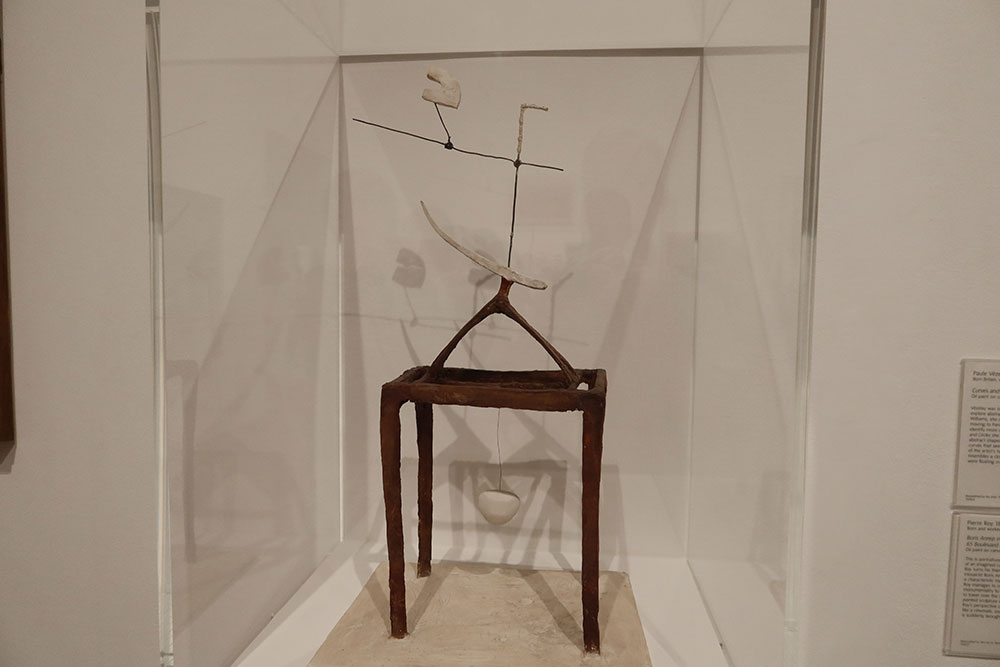
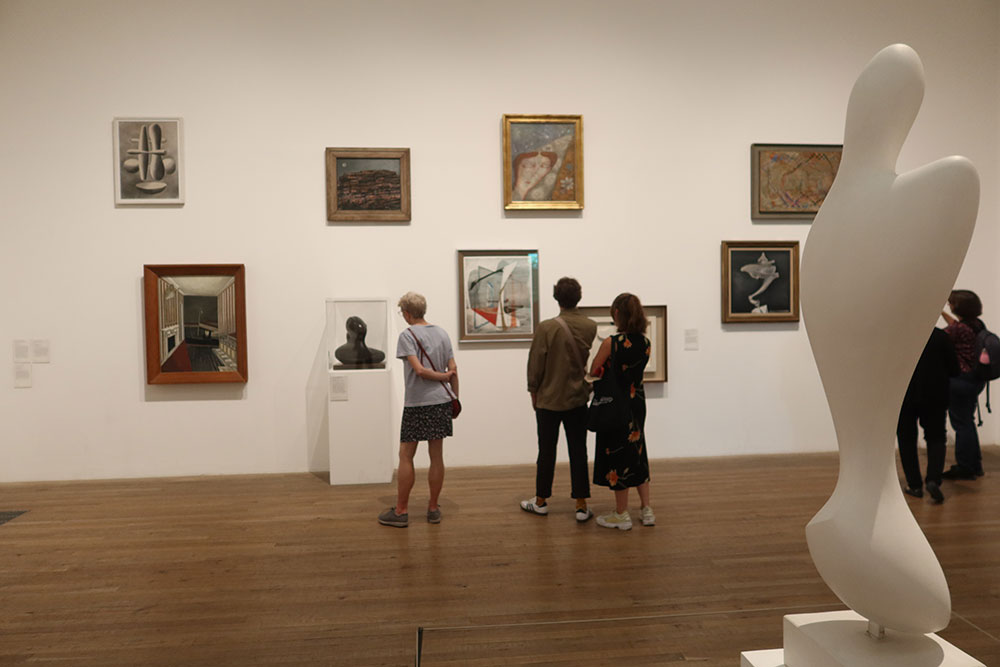
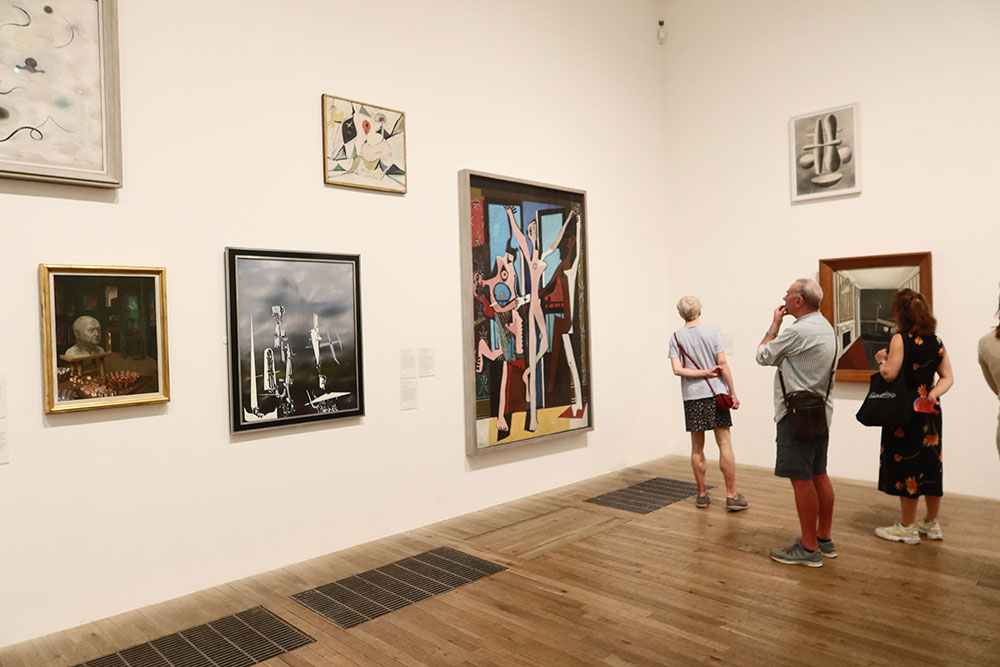
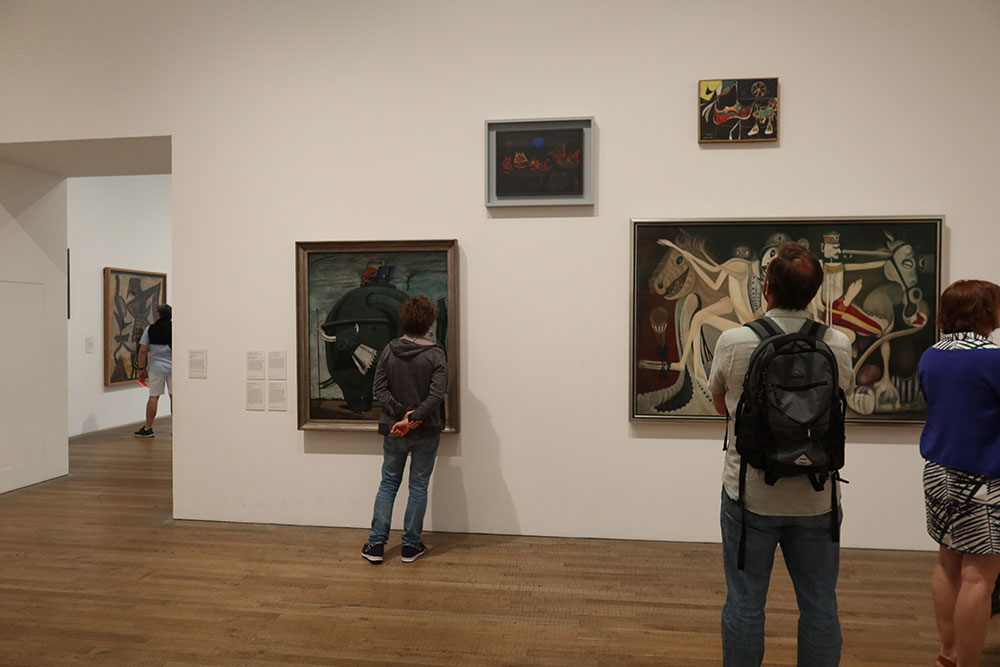
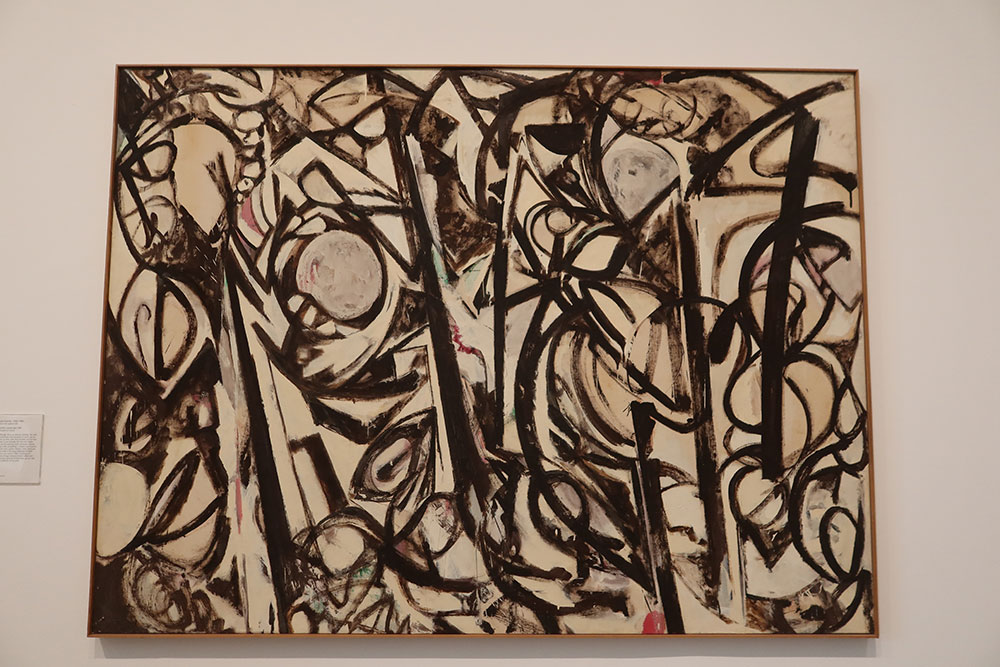
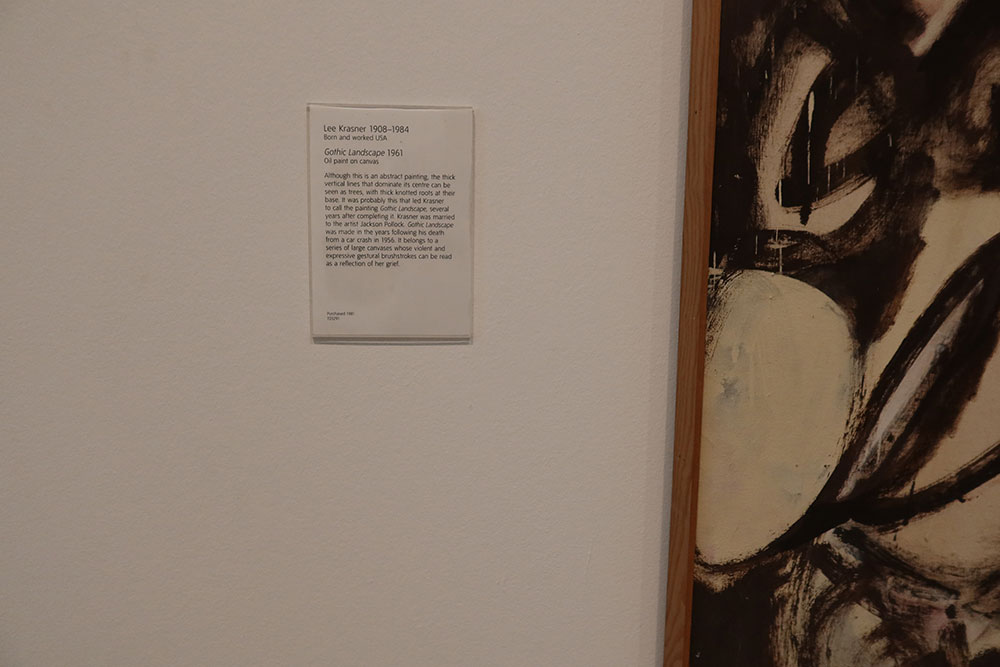
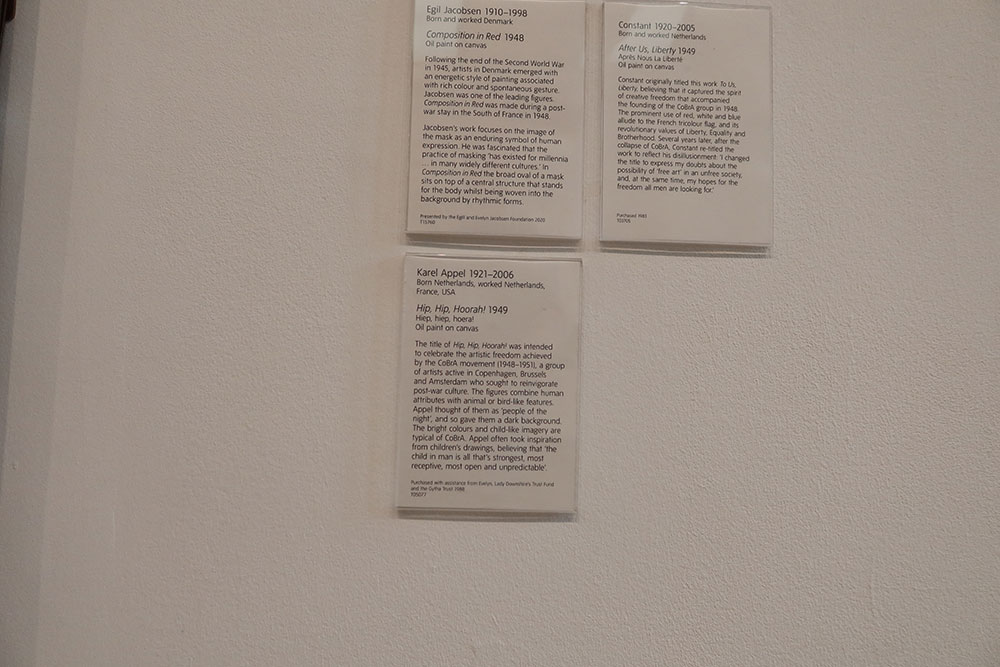
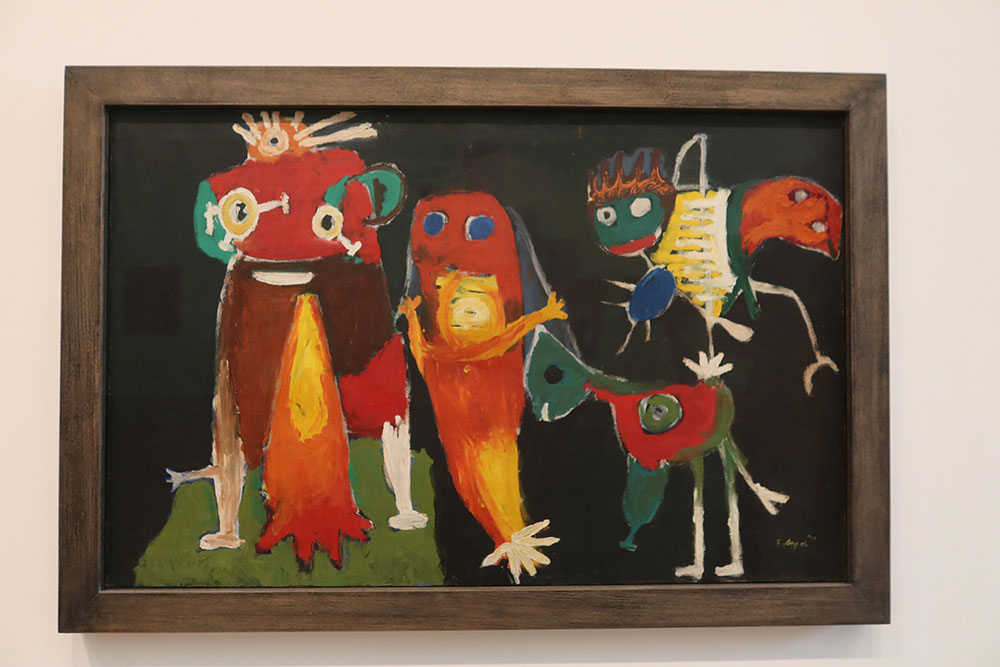
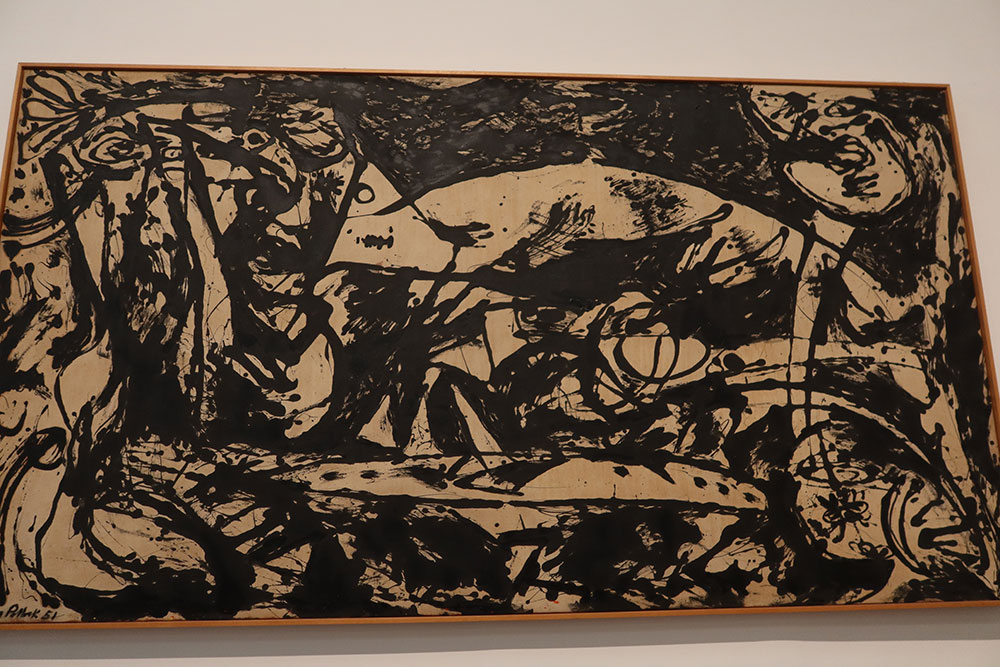
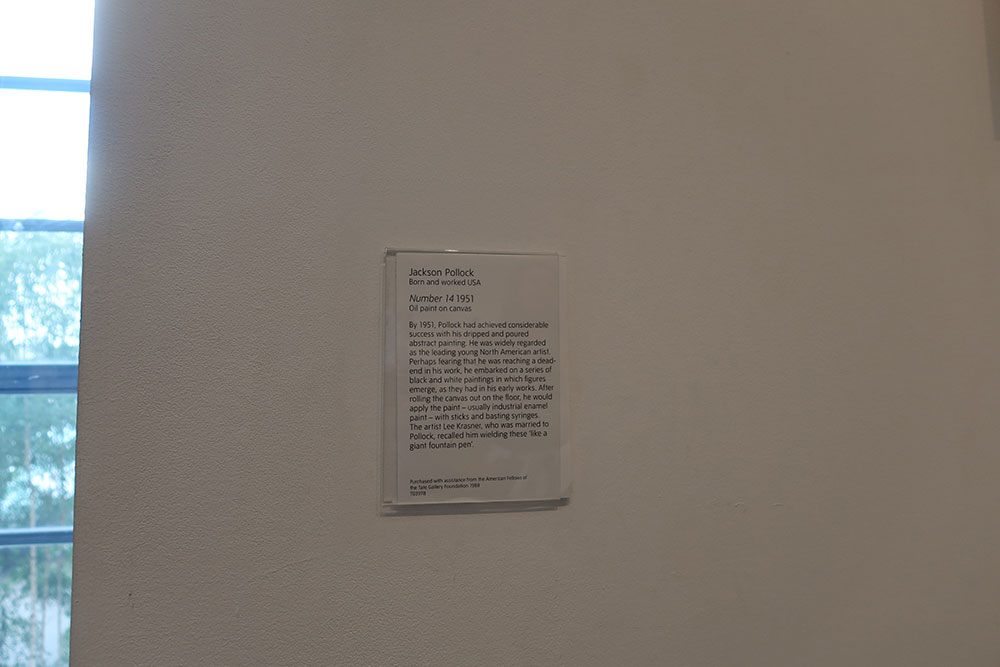
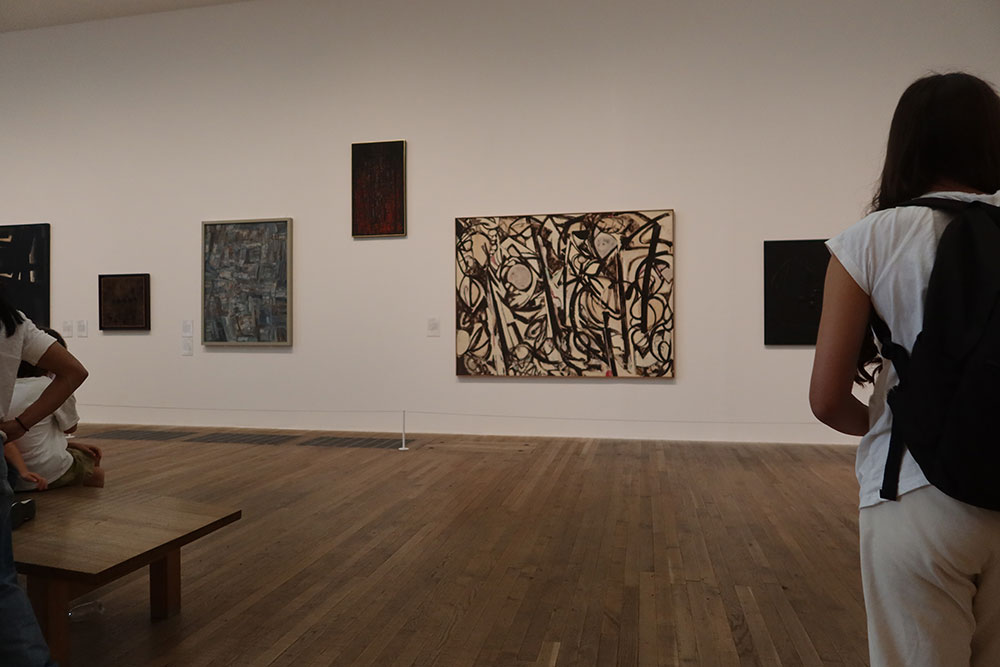
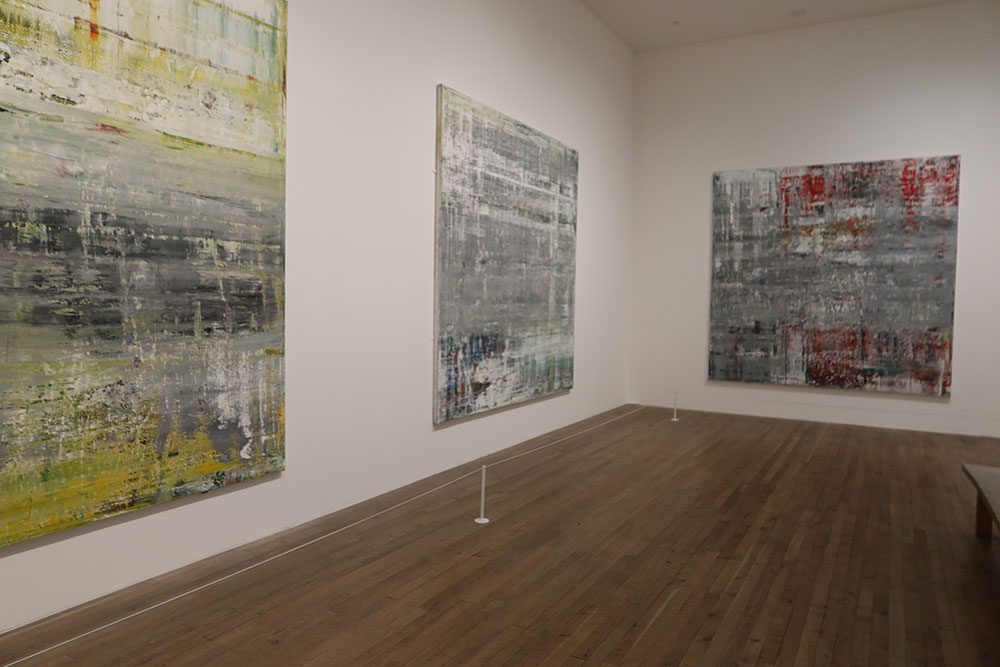
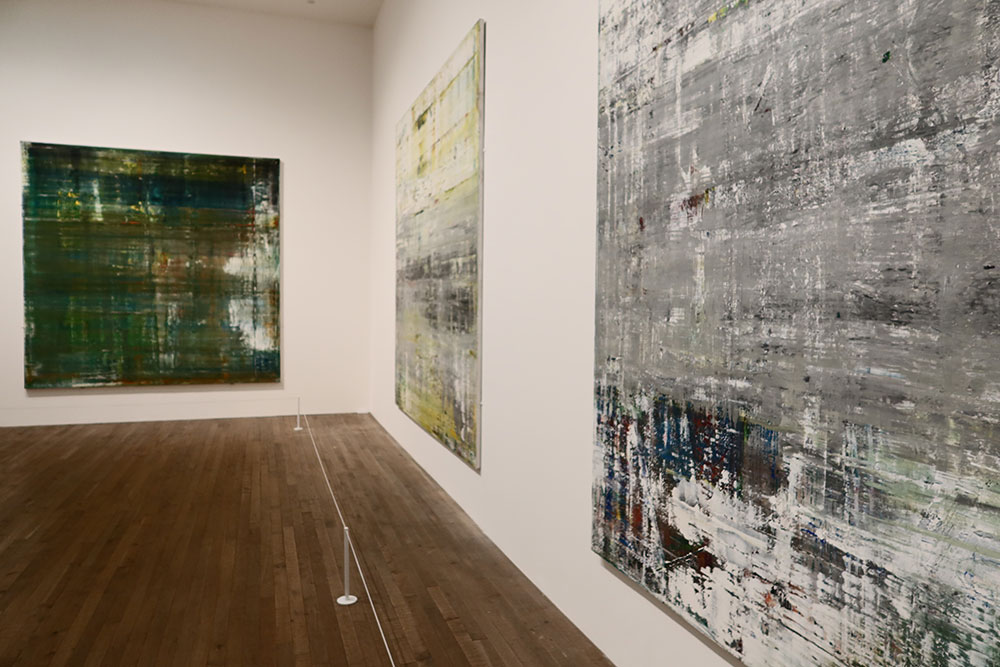
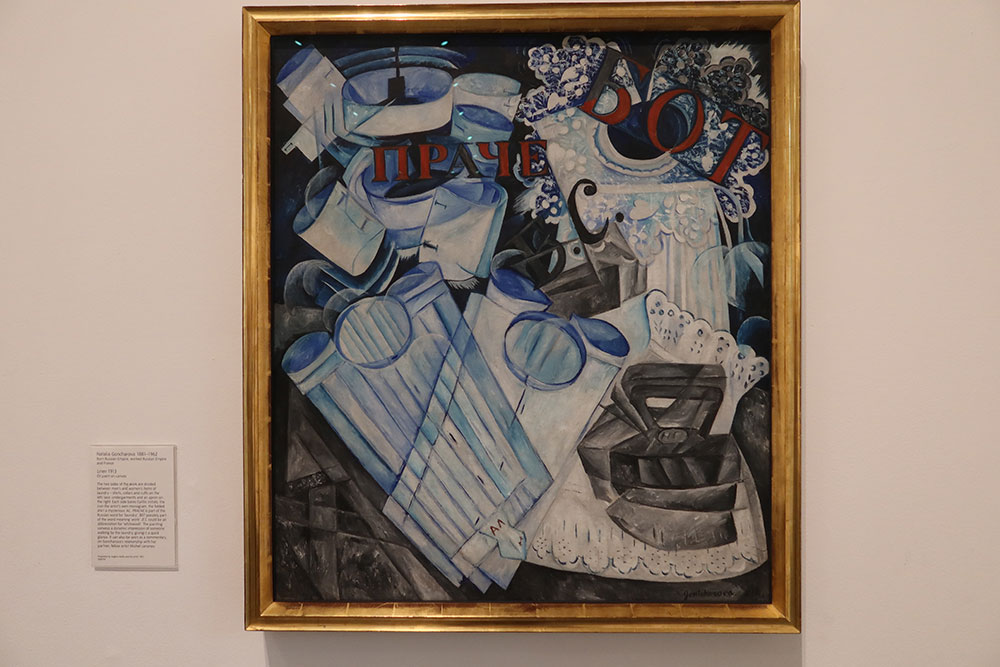
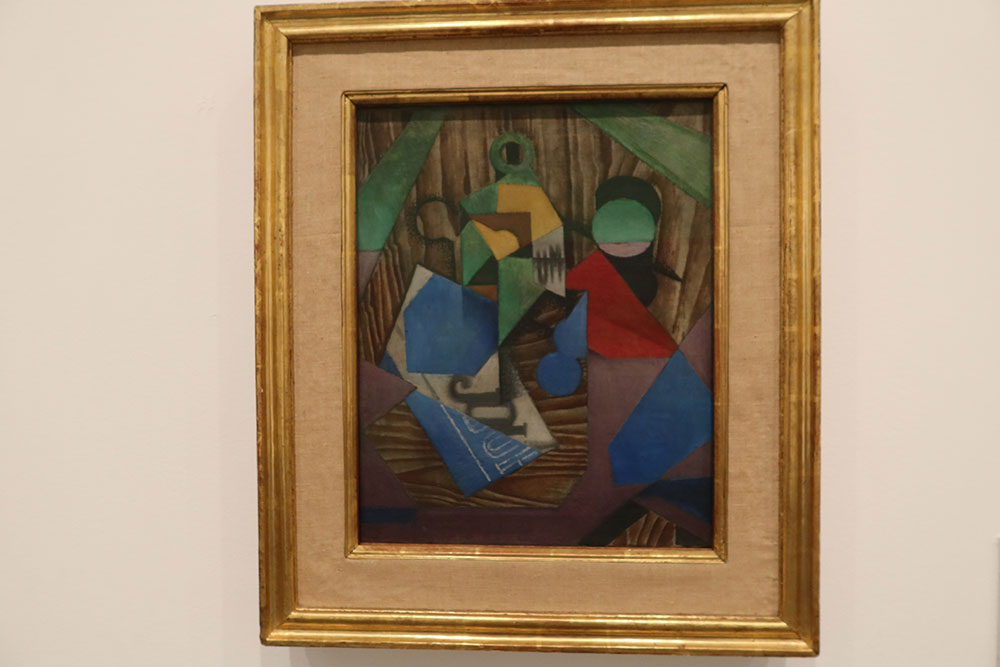
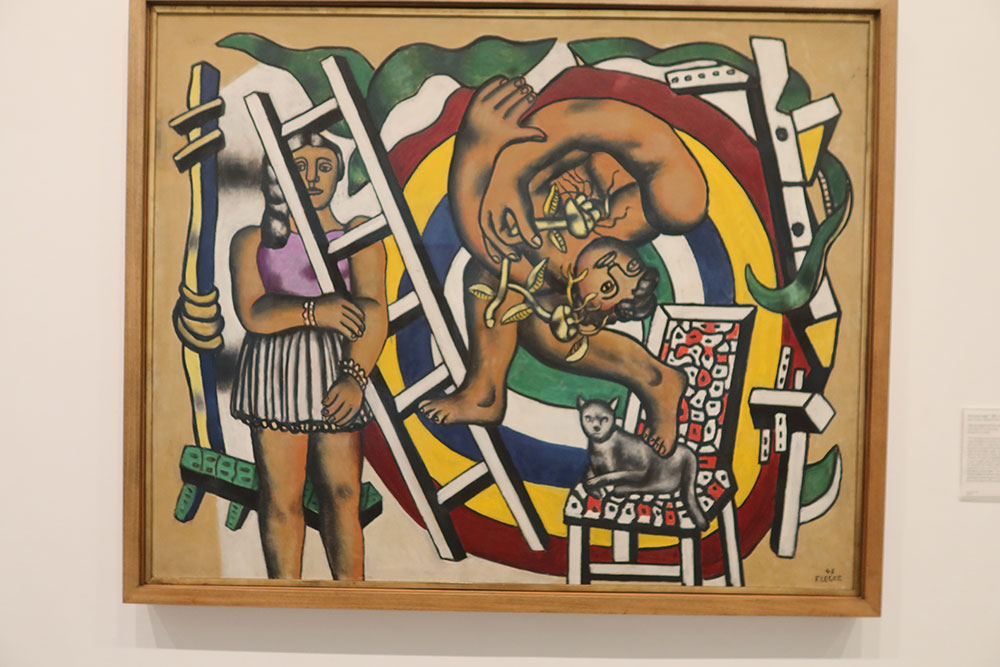
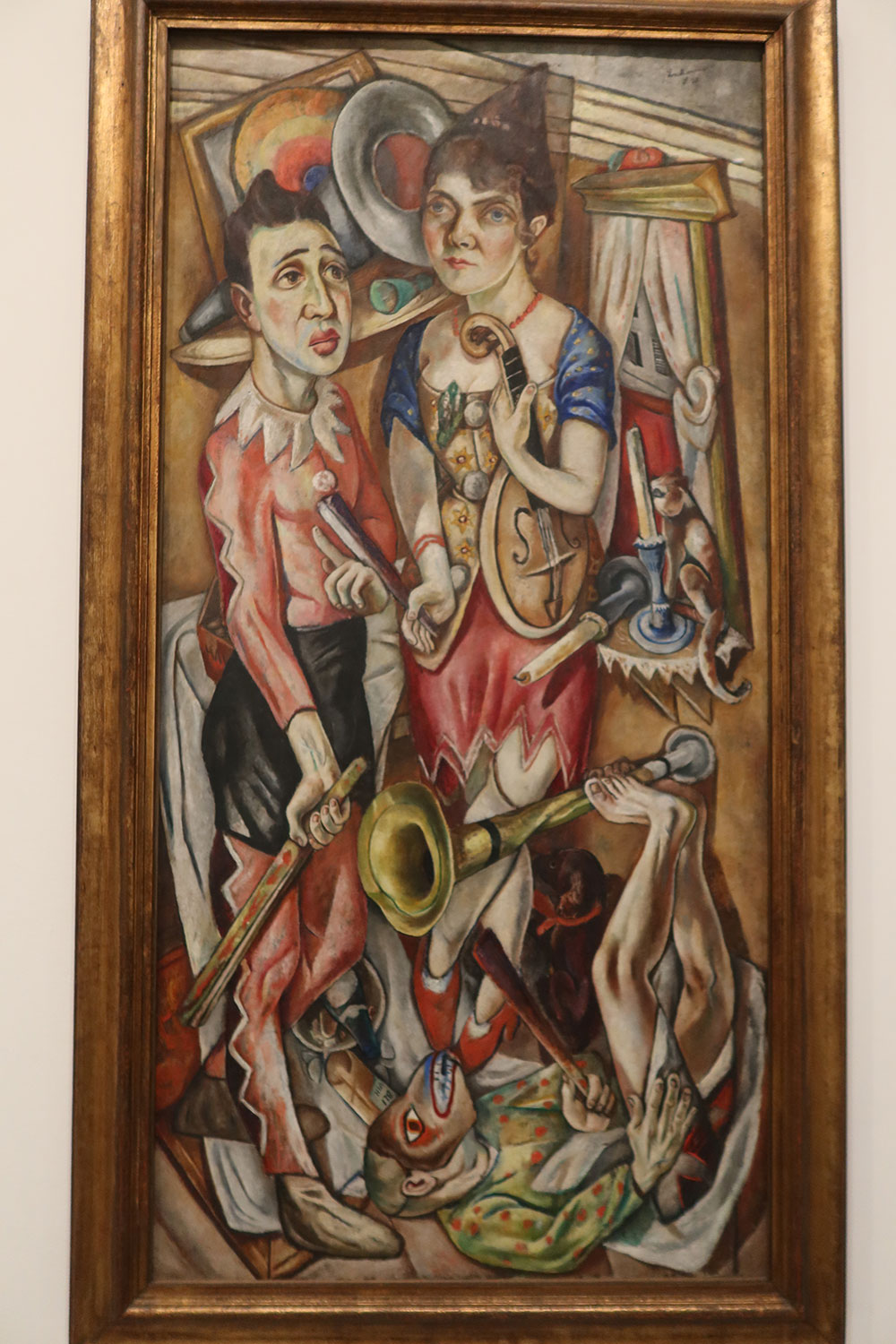
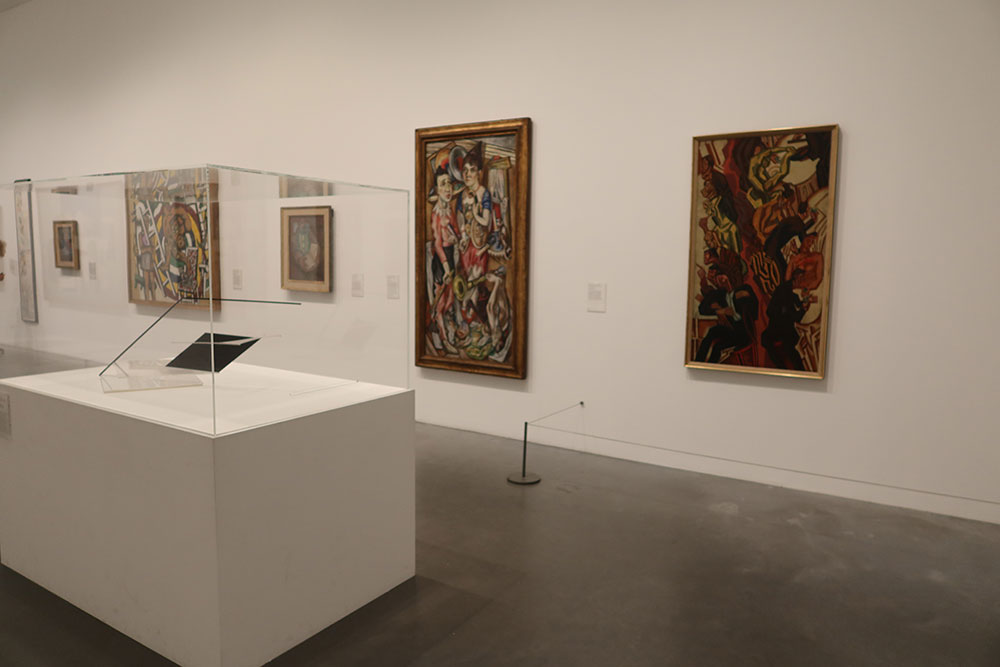
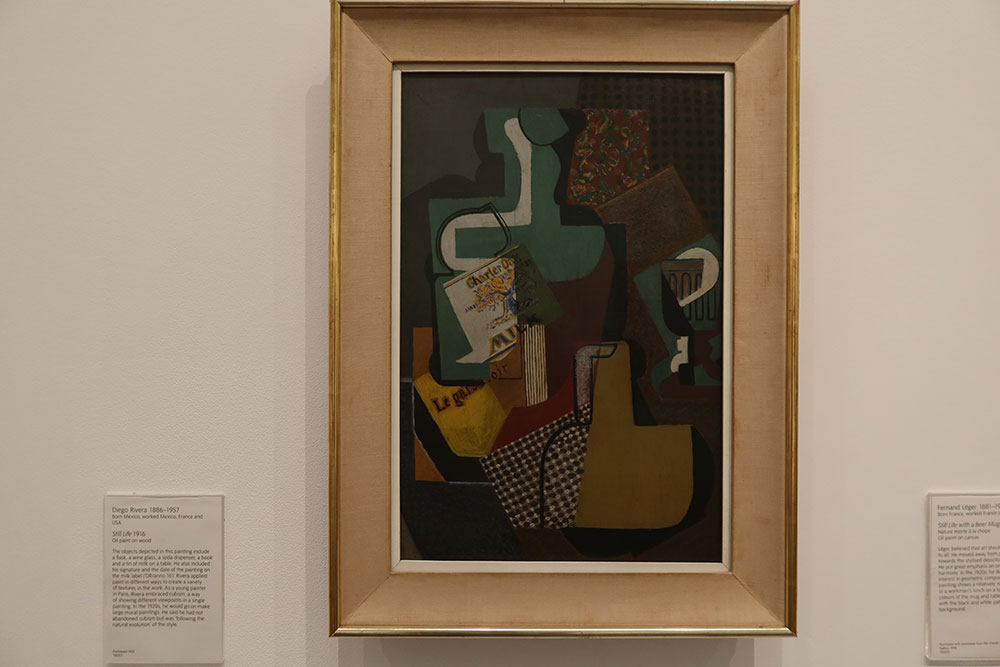
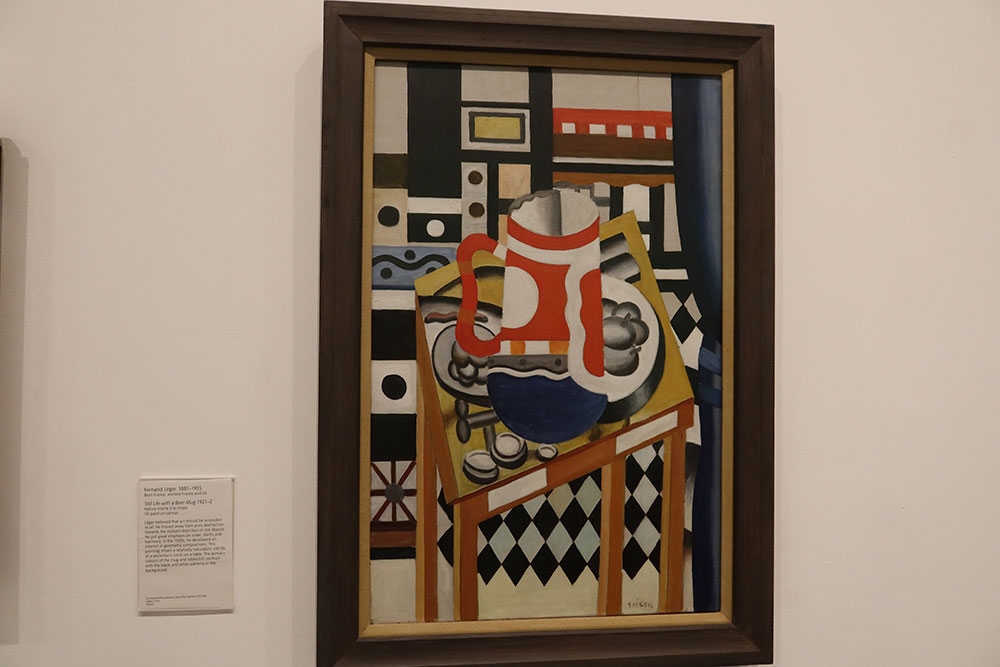
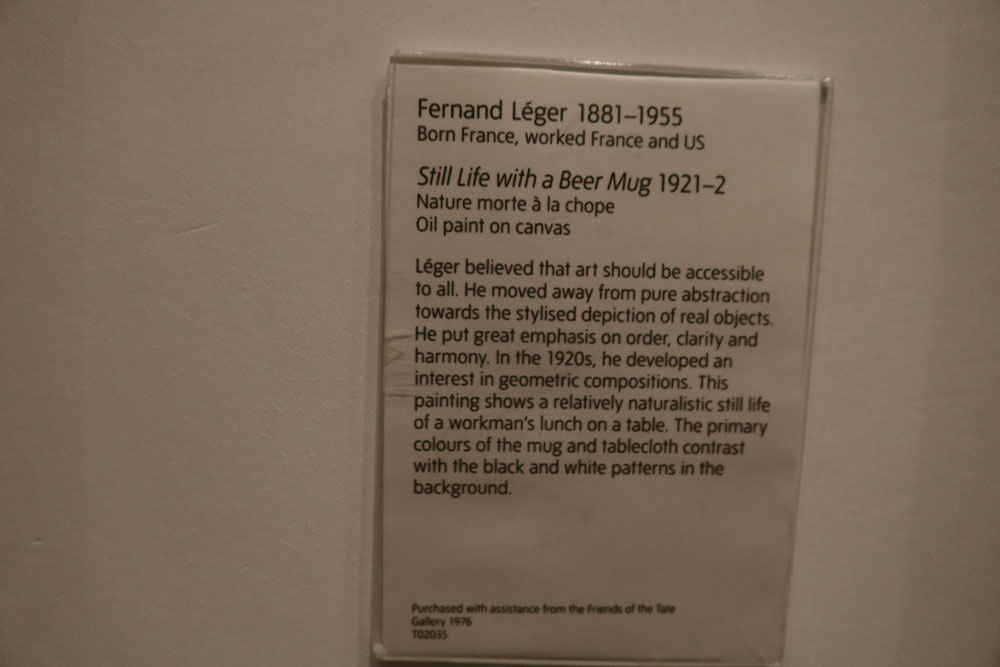
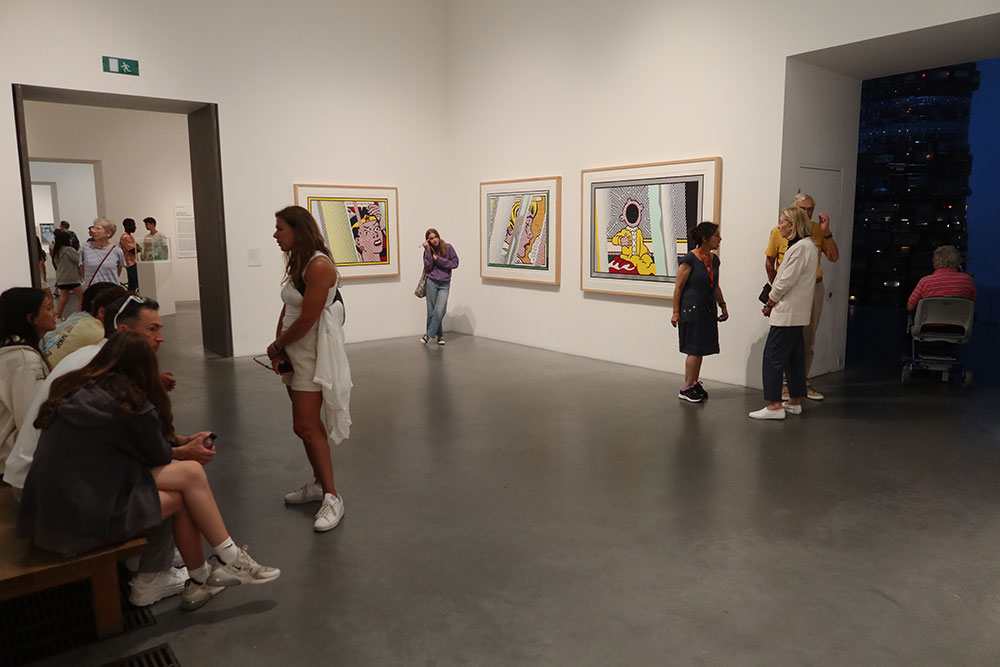
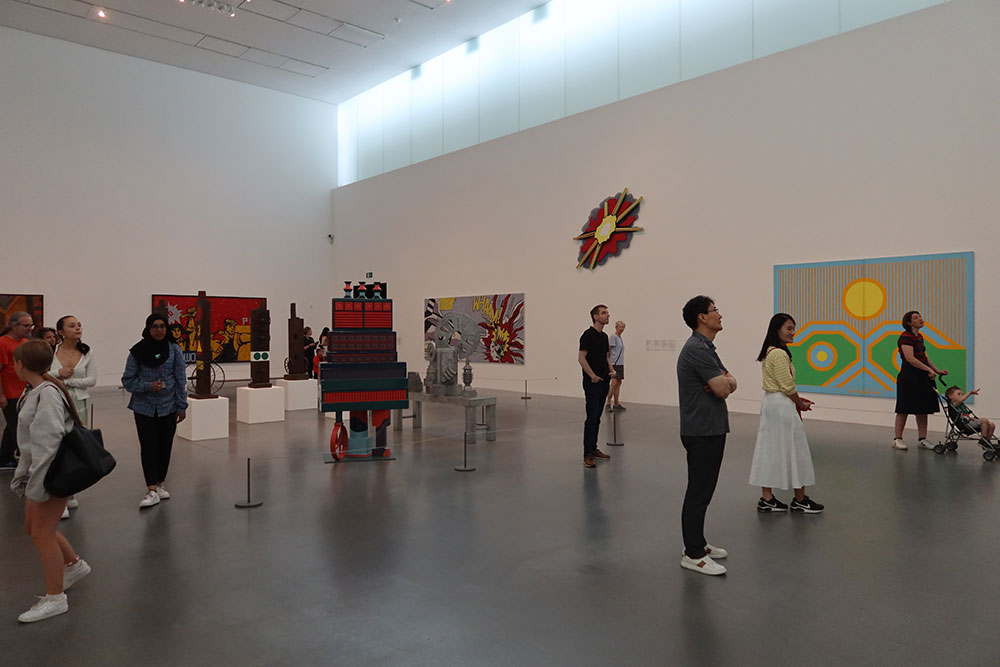
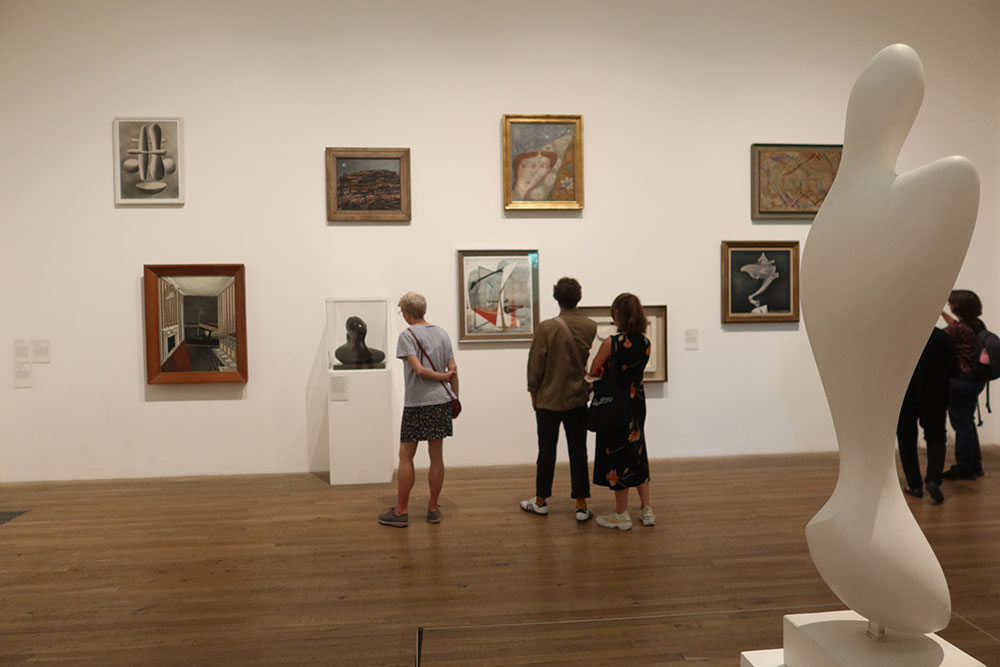
Tate Modern holds the United Kingdom’s national collection of international modern and contemporary art from 1900 onwards, and the institutional framing of that collection has shifted considerably since the gallery opened. The early decision to organise the free collection displays thematically and trans-historically — rather than by medium, period, or national origin — was understood at the time as a curatorial innovation. What has followed is a sustained effort to expand the collection’s geographic reach and to resist the assumption that the history of modern art is primarily a European and North American story. Acquisitions committees established in the 2010s for South Asian art, as well as for work from Russia, Eastern Europe, and the Commonwealth of Independent States, reflect a deliberate institutional repositioning that continues to shape what is shown in the free displays and what the temporary exhibition programme addresses.
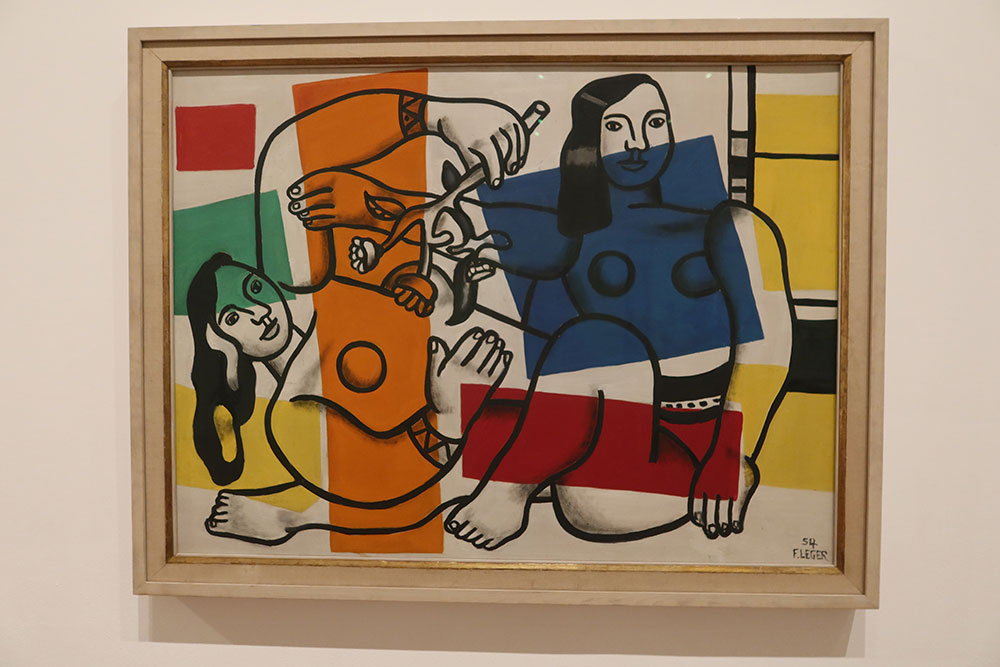
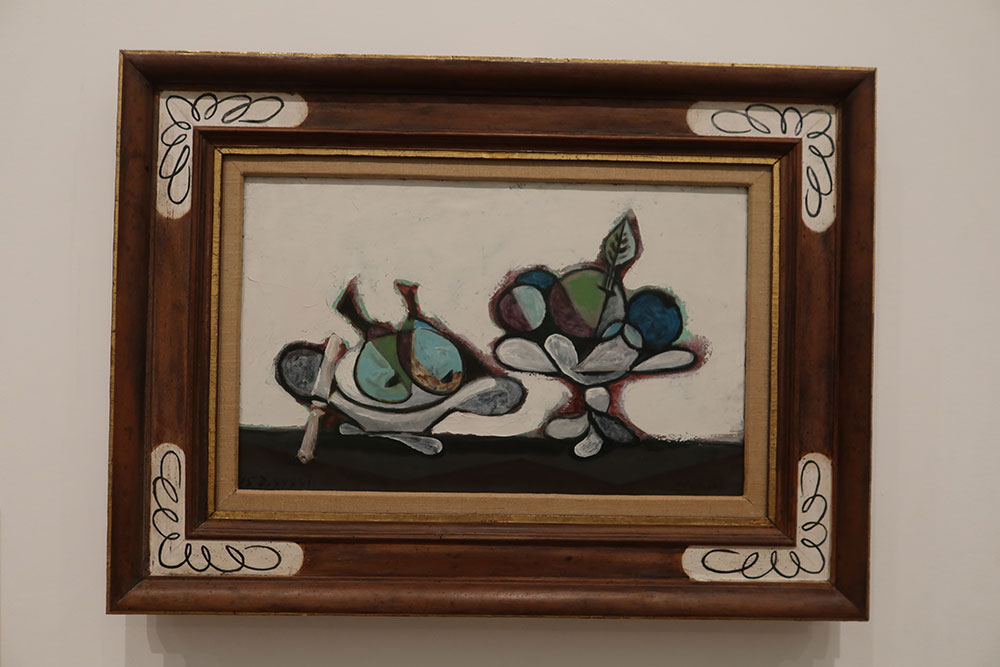
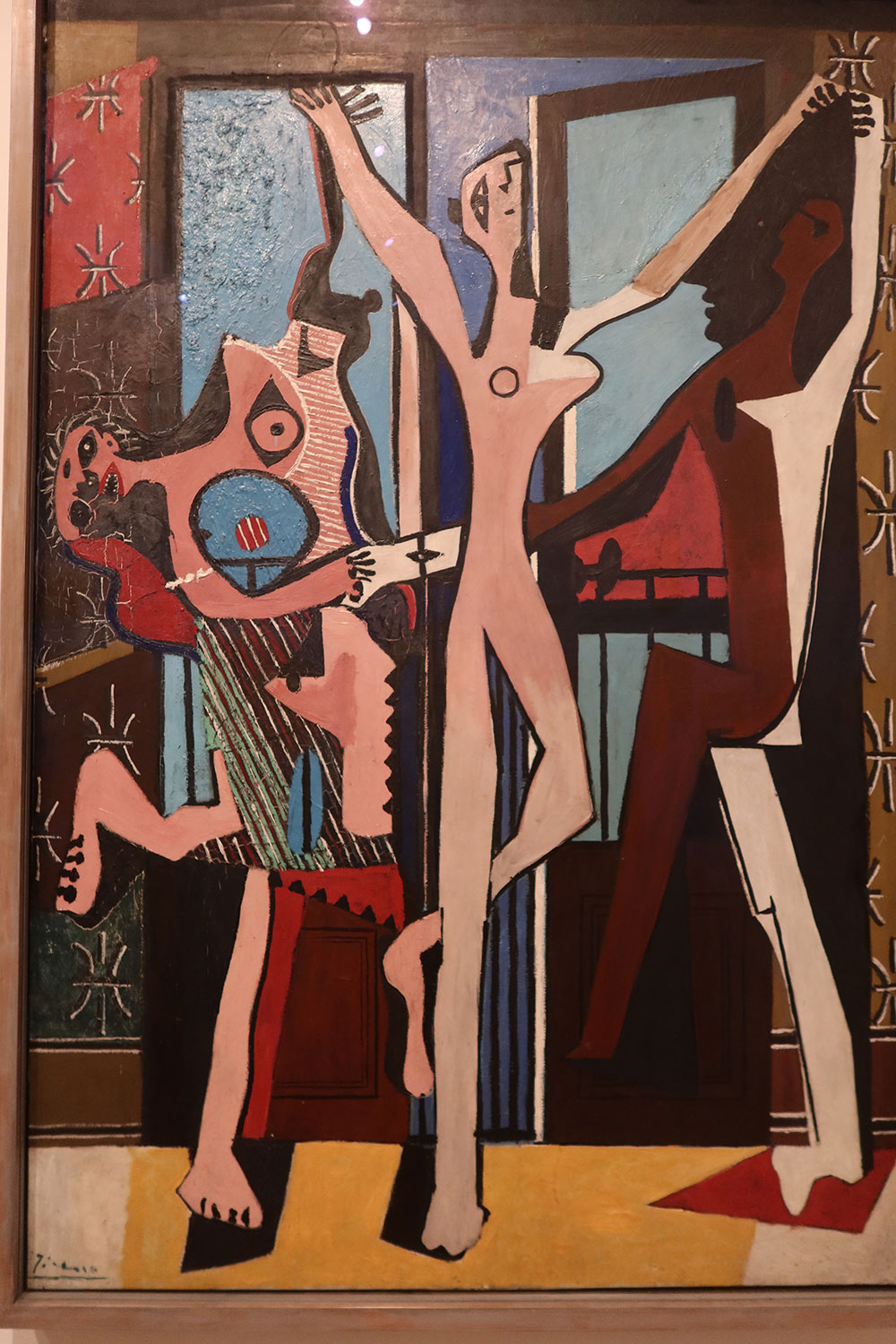
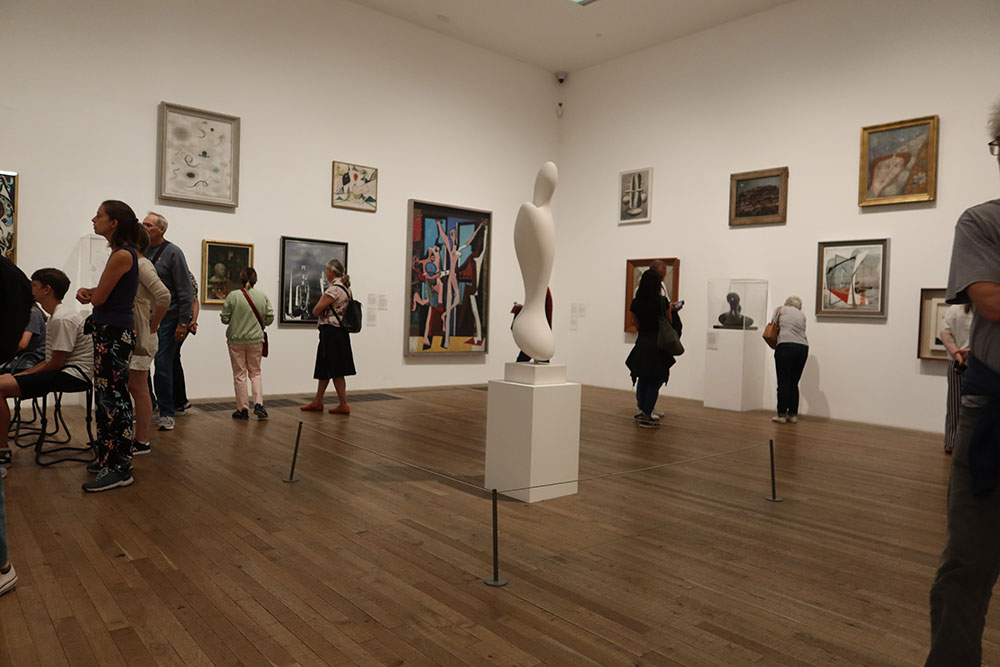
The collection now holds in excess of 70,000 works, managed across the Tate network and loaned to institutions throughout the United Kingdom and abroad. For the gallery professional considering what Tate Modern represents institutionally, it is worth noting that the relationship between a free permanent collection and ticketed temporary exhibitions — a model shared with other national galleries in the UK — has shaped the gallery’s public profile in ways that distinguish it from many of its international counterparts. The ability to encounter works by Picasso, Rothko, and Matisse, alongside more recent acquisitions from artists across Africa, Asia, and Latin America, without charge, has made Tate Modern a different kind of civic institution from those whose collections sit entirely behind admission fees.
Performance, Photography and the Question of Picasso
Still on view at the time of writing, ‘Theatre Picasso’ — which runs to 12 April 2026 — takes an unusual approach to a familiar body of work. Staged by the contemporary artist Wu Tsang and author and curator Enrique Fuenteblanca, with exhibition design by Lucie Rebeyrol, the presentation stages over forty-five Picasso works, including pieces on loan from the Musée national Picasso-Paris and the Musée Picasso in Antibes, within a framework that considers his art through the contemporary concept of performativity: the way in which words, gestures, and personas effect change and form identity. It is a productively unconventional curatorial approach, and one that invites the kind of close critical attention to methodology that gallery professionals are well placed to offer.
Later in 2026, from October, ‘Light and Magic: The Birth of Art Photography’ will examine how pictorialism — the first international art photography movement — developed from the 1880s to the 1960s. This is a subject that sits at an interesting intersection of collection history, medium theory, and institutional categorisation of photography as art, and it will offer professionals from photography-focused institutions and those reassessing the photography holdings within broader collections a considered point of reference.
Institutional Context: The Tate Network and What Lies Ahead
It is worth situating Tate Modern within the wider network of which it forms a part. Tate Britain at Millbank continues to hold the national collection of British art and runs an independently conceived programme — the current year includes a first major museum survey of the painter Hurvin Anderson, a retrospective of James McNeill Whistler, and a large-scale exhibition on the 1990s guest-curated by the former editor-in-chief of British Vogue, Edward Enninful. Tate St Ives maintains its particular focus on the art associated with Cornwall and with international artists in dialogue with that tradition. Tate Liverpool, meanwhile, is currently undergoing a substantial transformation, operating from RIBA North in the interim, with the redeveloped gallery now scheduled to reopen in 2027 — a revised timeline from earlier projections. The new building will include a dedicated art hall on the ground floor for large-scale contemporary installations, a significant addition to the northern institution’s capacity.
Tate Modern itself continues to benefit from the support of a network of international philanthropic foundations and corporate partnerships, many of them long-standing. The Hyundai Commission in the Turbine Hall, the Eyal Ofer Galleries, the George Economou Gallery, and the Bloomberg Connects digital initiative are among the named partnerships that shape the visitor experience and the institutional infrastructure. The UNIQLO Tate Play programme, which offers free creative workshops and activities throughout the year, speaks to a continued commitment to access and to the gallery’s function as a civic resource rather than simply an exhibition venue.
For art institution and gallery professionals, Tate Modern’s particular value as a point of reference lies not solely in the scale of its collection or the breadth of its temporary programme, but in the consistency with which it has attempted to address questions of canon, representation, and access over twenty-five years of operation. The tensions that animate those questions — between the international and the local, between art historical recovery and contemporary commissioning, between free access to a national collection and ticketed exhibitions that generate revenue — are ones that most institutions of any scale are currently navigating in their own ways. Tate Modern has rarely resolved them tidily, but it has navigated them in public and at substantial scale, and that ongoing negotiation remains instructive.
Tate Modern is located at Bankside, London SE1